Landscapes of women who made history
Travel through Spain through the legacy of women who changed history

Female figures who marked Spain
Explore unique cities and destinations following in the footsteps of queens, writers, and artists who transformed the country. Their stories connect heritage and landscapes on a journey that unites past and present.
Women who left their mark, places to discover them
Discover key cities and territories in Spanish history and culture. Explore destinations on the map linked to the legacy of some of the most influential women and find new routes to discover the country.
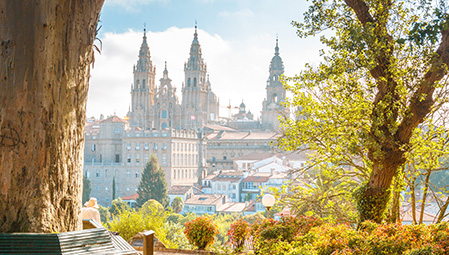
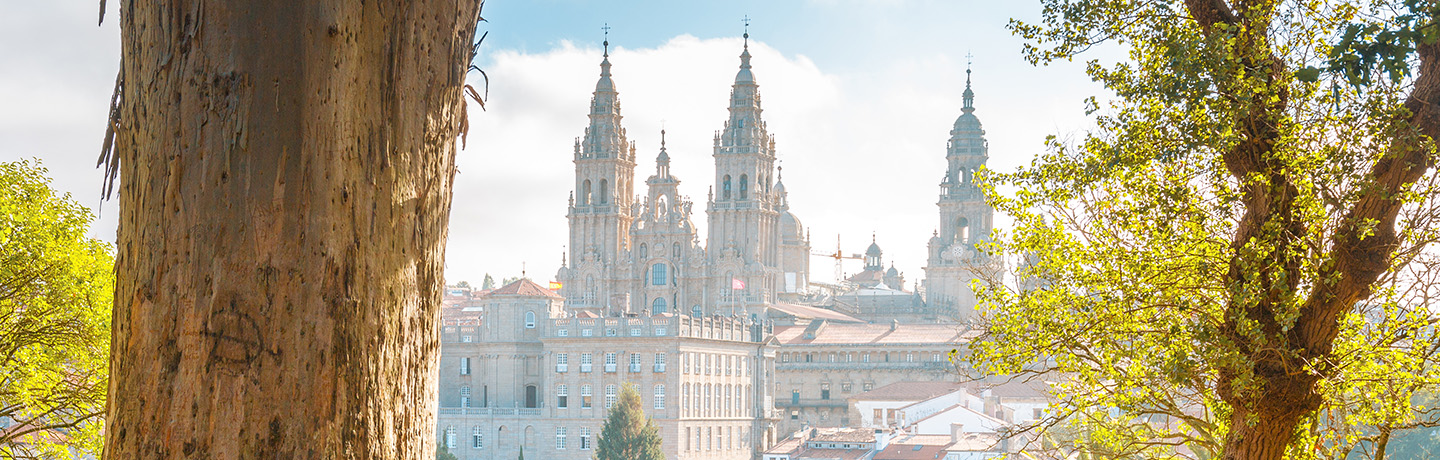
Santiago and the poetic emotion of Rosalía de Castro
+Santiago de Compostela is not just the end of the Camino. It is also the beginning of an intimate and powerful story, that of Rosalía de Castro, one of the most important poets of European Romanticism.
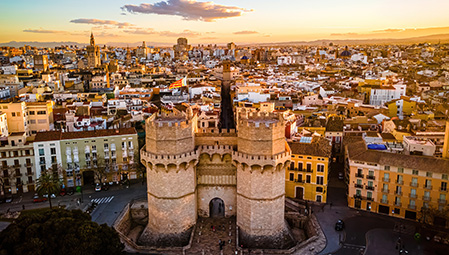
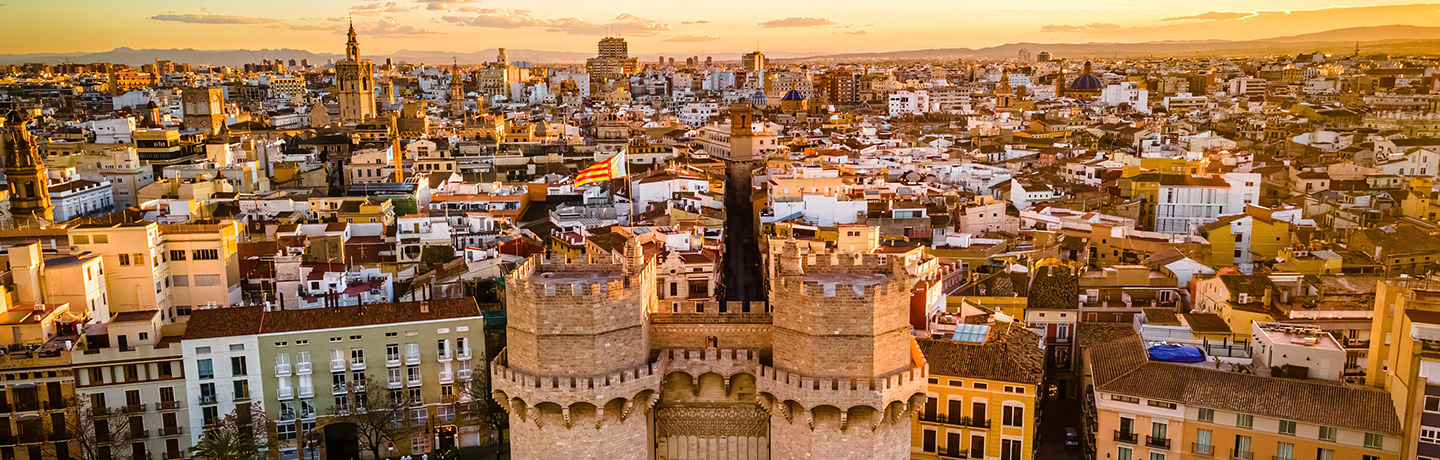
Valencia and its Literary Golden Age: Isabel de Villena
+In the 15th century, Valencia shone as one of the great cultural centres of the Mediterranean. In this context, the figure of Isabel de Villena emerges, considered the first female writer in the Valencian language and a voice ahead of her time.
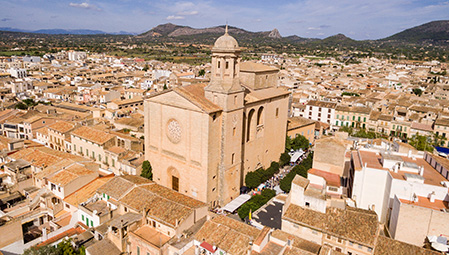
Intimate Mallorca: The legacy of María Antonia Salvà
+Far from the beaten path, Mallorca reveals its most refined and authentic side through María Antonia Salvà, a pioneer of modern Catalan poetry and a symbol of Mediterranean sensibility.
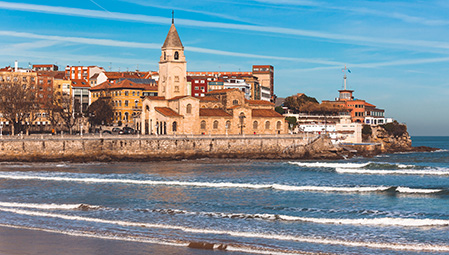
Maritime Asturias: In the footsteps of Corín Tellado
+Asturias was the landscape that shaped the life of the most widely read Spanish-language author after Cervantes, according to UNESCO. Discovering her is to explore a land where literature and the sea go hand in hand.
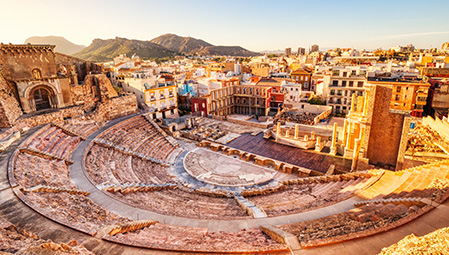
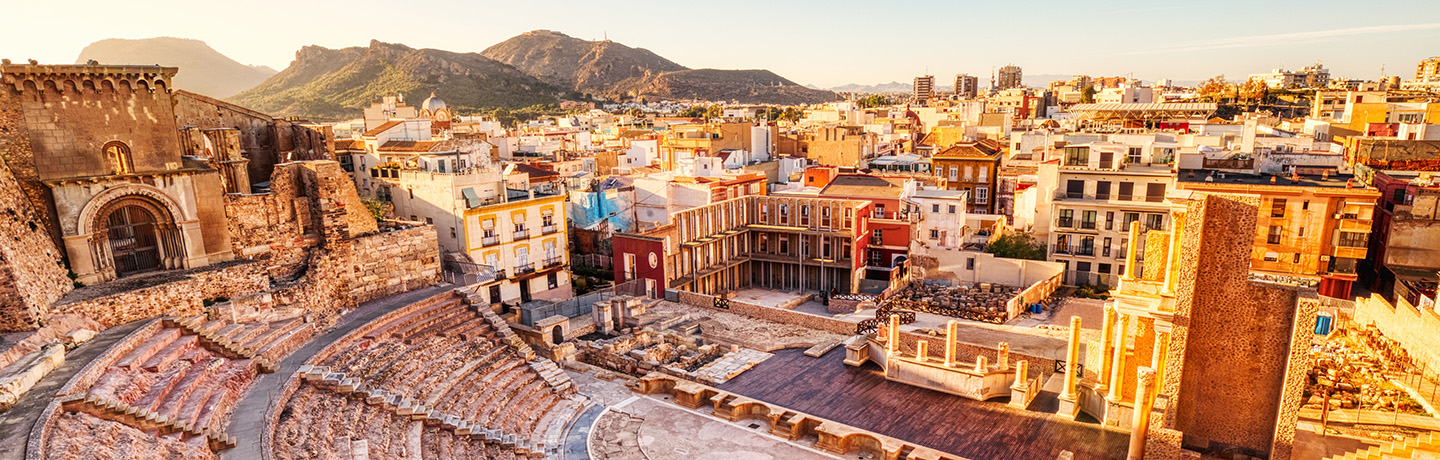
Literary route of Carmen Conde in Cartagena
+A bright, Mediterranean city, Cartagena is the vibrant setting that forged the voice of Carmen Conde, the first woman to be admitted to the Spanish Royal Academy.
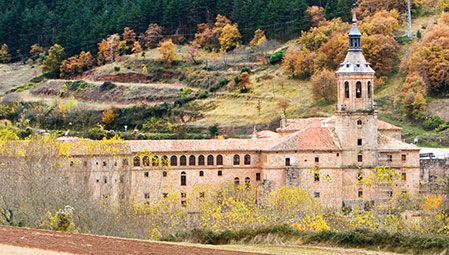
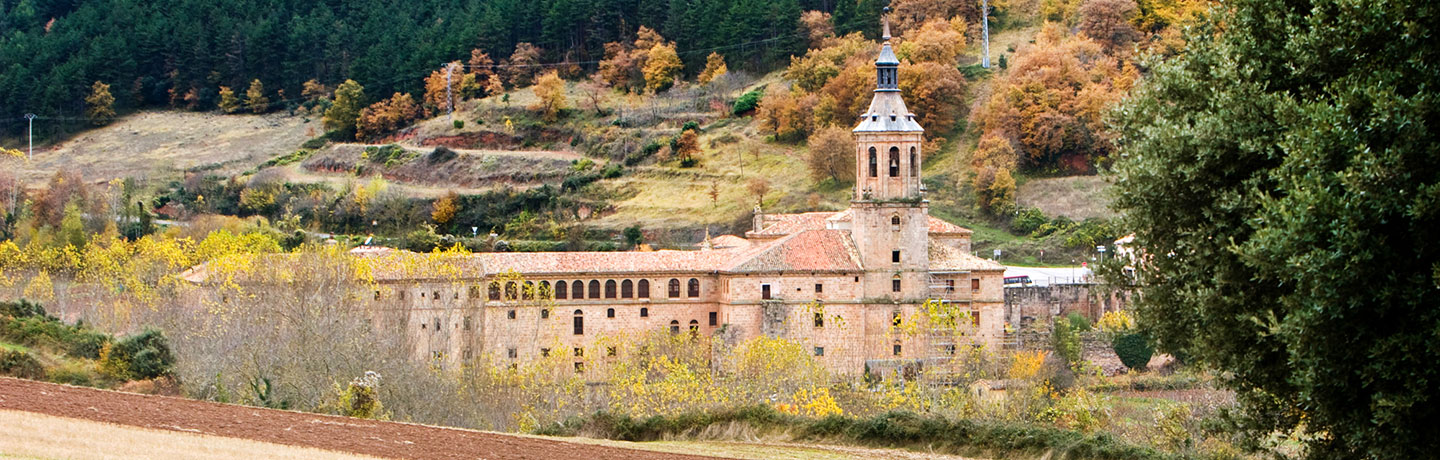
San Millán de la Cogolla and the legacy of María de la O Lejárraga
+San Millán de la Cogolla, the birthplace of the Castilian language, is also the birthplace of María de la O Lejárraga, a brilliant writer, playwright, and political pioneer whose life spanned a century of Spanish history.
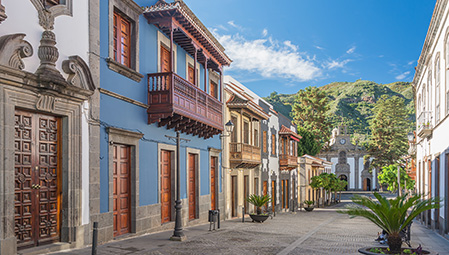
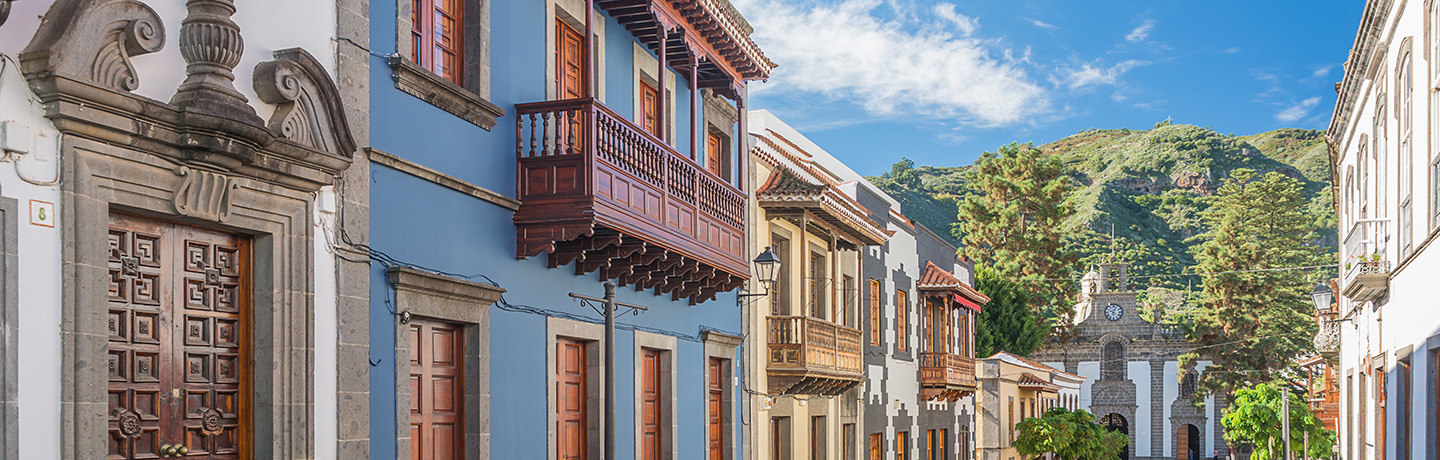
Pino Ojeda and Gran Canaria: The Island as a Territory of Freedom
+Gran Canaria is not just an Atlantic destination; it is a landscape of creative emancipation. Here, Pino Ojeda, poet and visual artist, considered one of the forerunners of abstract art in the Canary Islands, developed her universe.
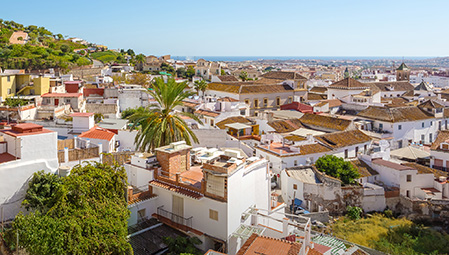
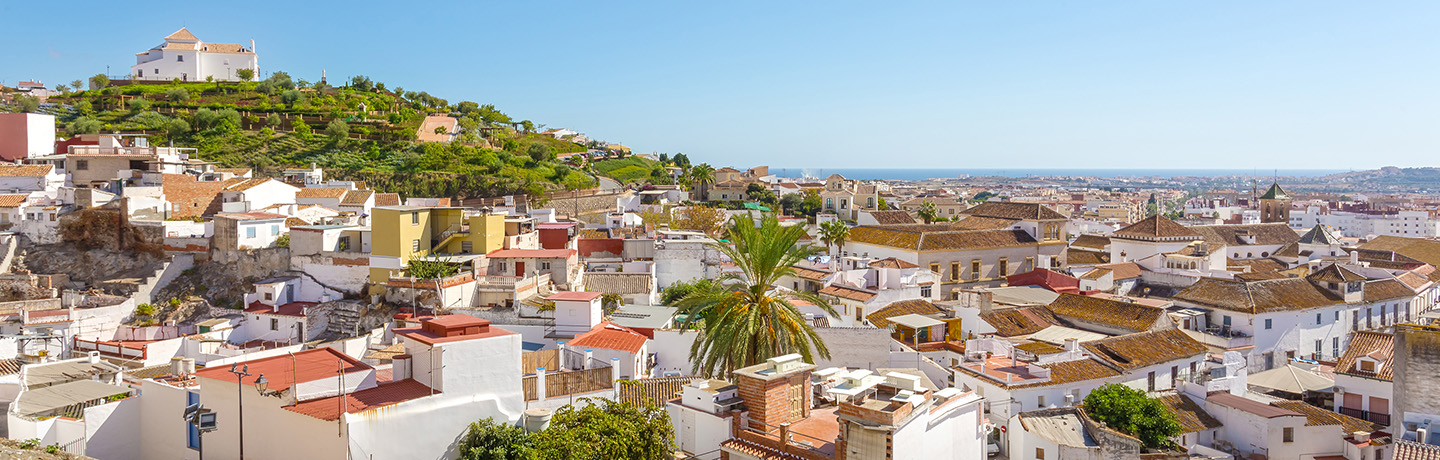
Vélez-Málaga and the memory of María Zambrano
+Vélez-Málaga is the landscape that shaped the thinking of the most influential Spanish philosopher of the 20th century.
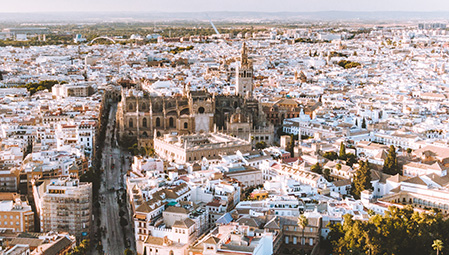
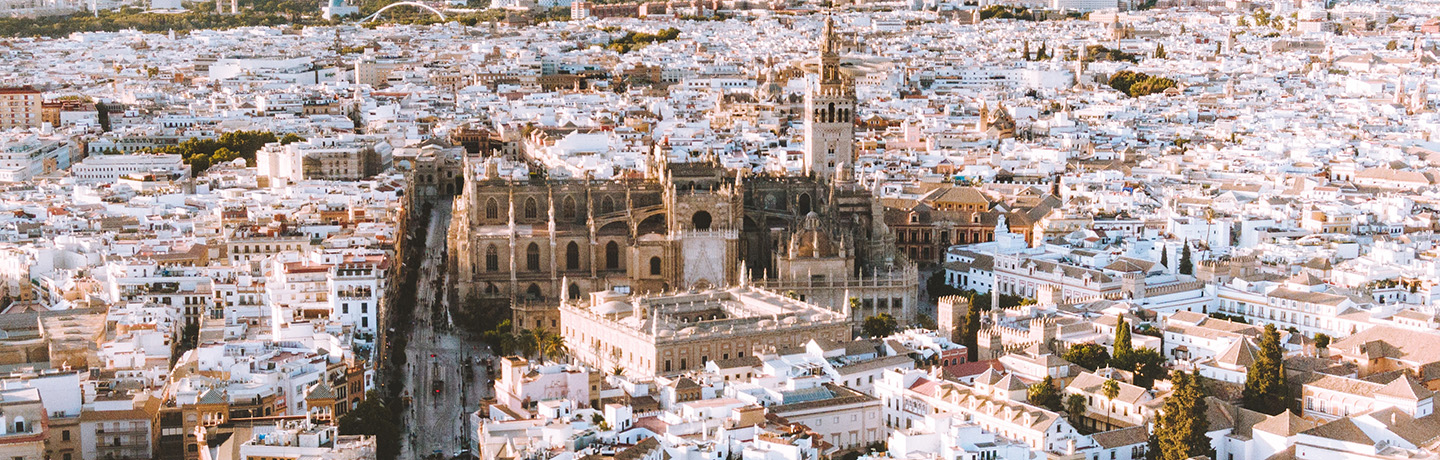
The Baroque Spain of Luisa Roldán
+Exploring Spain in the footsteps of Luisa Roldán, known as “La Roldana,” is to delve into the splendour of the Baroque through monumental cities, where some of her extraordinary work is preserved today. A sculptor of exceptional technical mastery, she paved the way in a male-dominated art world and left her mark on some of the country's great cultural centres.
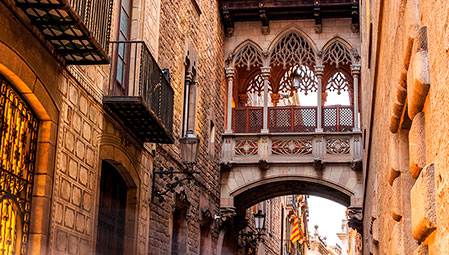
Barcelona and the spirit of Carmen Amaya
+Barcelona is a city where the sea, culture, and entertainment are integral to its identity. Here, Carmen Amaya was born, the flamenco dancer who revolutionized the art form with her dizzying footwork and an energy that conquered stages around the world.
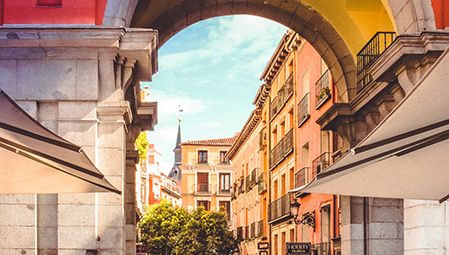
Madrid and the fight for women's suffrage: Clara Campoamor
+Discover the Madrid where Clara Campoamor championed women's suffrage from the parliamentary podium, marking a turning point in Spain's democratic history.
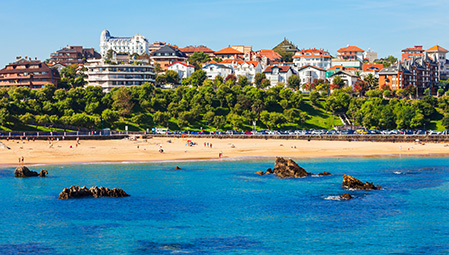
María Blanchard and Santander: where an avant-garde movement is born
+Facing the shimmering bay of Santander, in a city open to the sea and the horizon, began the story of María Blanchard, considered the first woman in Spain to adopt the Cubist language. From this northern enclave, a creator set out to take her talent to the heart of the European avant-garde.
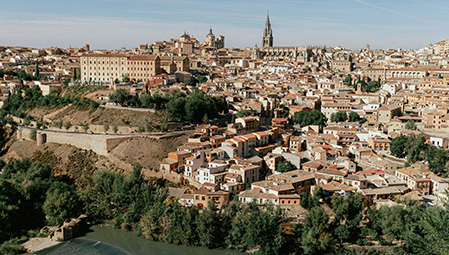
Toledo and the spirit of courage of María Pacheco
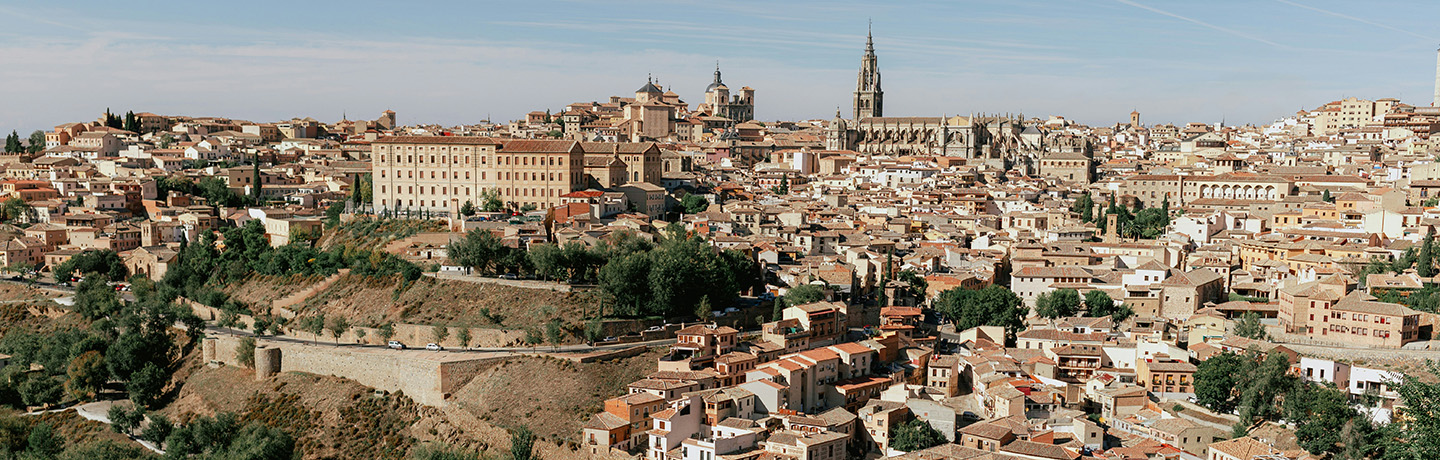
+Toledo, an imperial city and melting pot of cultures, is the setting where the legend of María Pacheco, known as the “Lioness of Castile,” was forged. Walking its cobbled streets is to delve into one of the most intense episodes of 16th-century Spain: the Revolt of the Comuneros.
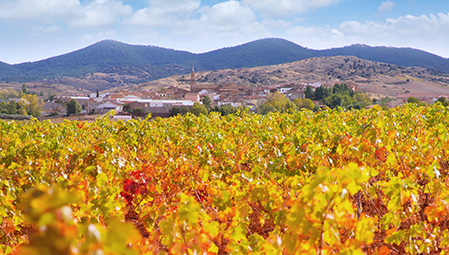
María Moliner and Paniza: A journey through culture, nature, and wine
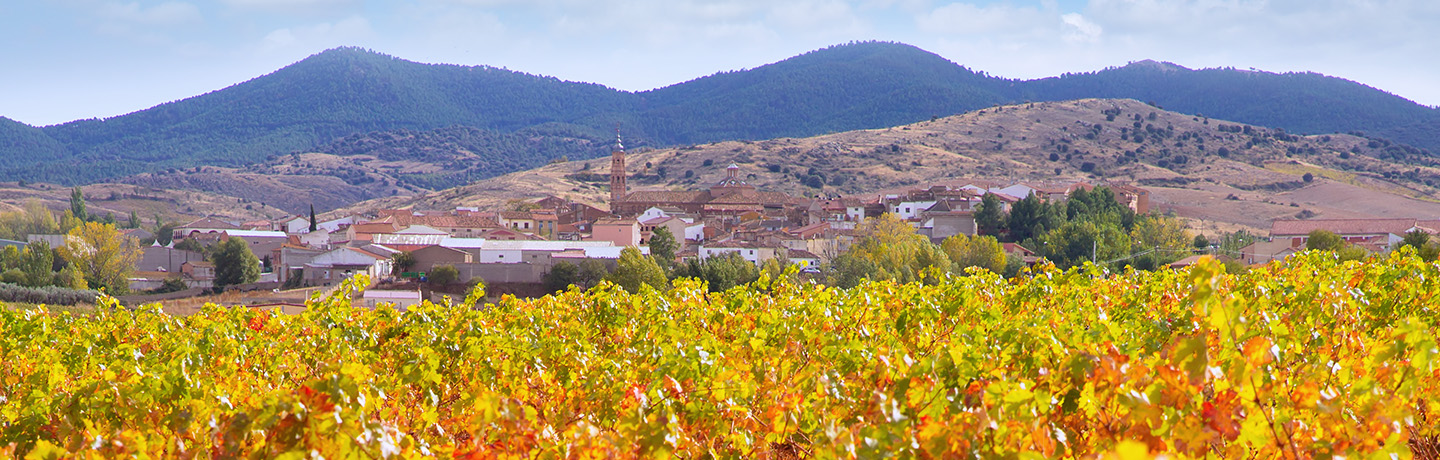
+In Paniza, in the province of Zaragoza, culture and nature come together under the name of María Moliner, the philologist who forever transformed the way we understand the language with her famous Diccionario de uso del español (Dictionary of Spanish Usage).
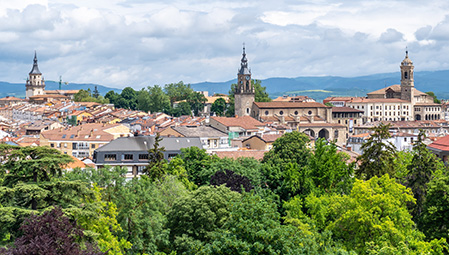
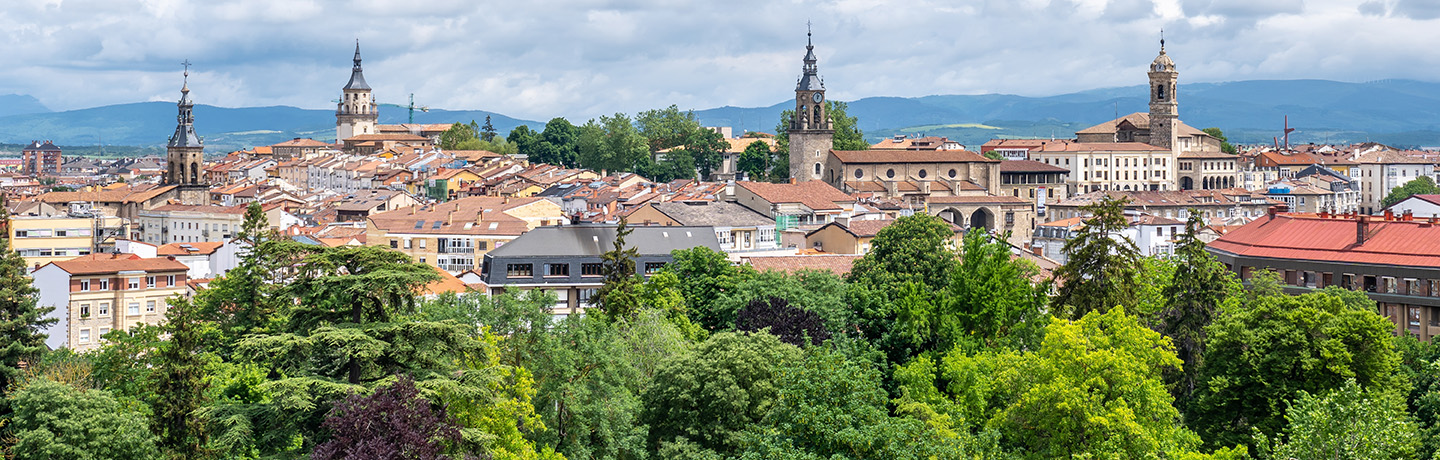
Vitoria-Gasteiz, the birthplace of María de Maeztu
+Vitoria-Gasteiz, a leading city in sustainability, is also the birthplace of María de Maeztu, one of the great educators and thinkers of Spanish feminism.
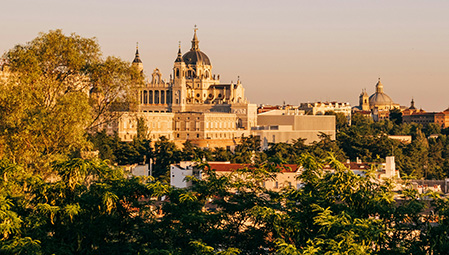
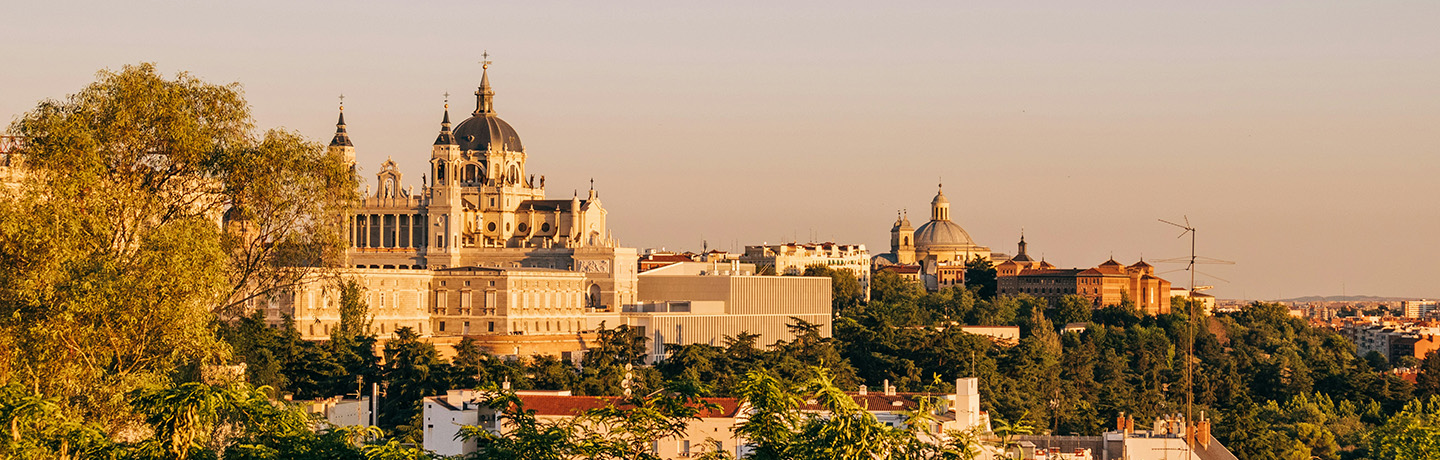
Madrid and the artistic rebellion of Maruja Mallo
+Discover a vibrant and cultural Madrid, the setting where Maruja Mallo became one of the leading figures of figurative surrealism and an essential member of the Generation of '27. The capital was the creative laboratory where she forged a bold body of work and broke social conventions in a time of profound change.
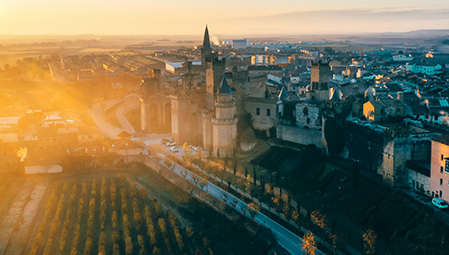
Olite, the court of Blanche I of Navarre
+The streets and monuments of this medieval town invite you to take a true journey back in time to relive the splendour of the court of the Kingdom of Navarre. Nestled among walls, towers, and cobbled streets, the story of Blanca I of Navarre comes alive in one of the most evocative monumental complexes in northern Spain.
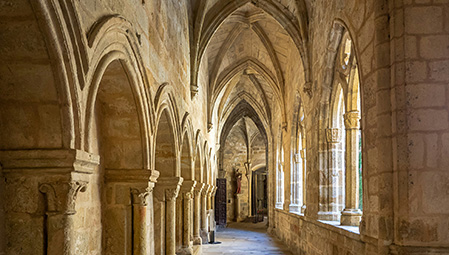
Plasencia, exploring the birthplace of Inés de Suárez
+On the banks of the Jerte River, you'll enjoy Plasencia, the so-called “pearl of the valley,” and birthplace of Inés de Suárez, the historical figure who inspired Isabel Allende's novel, Inés of My Soul. From this walled city, a woman determined to forge her own destiny set sail for America, becoming a key figure in the conquest of Chile.
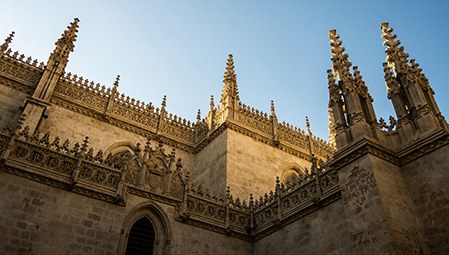
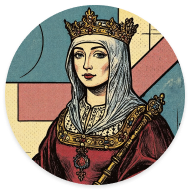
Granada and the legacy of Isabella I of Castile
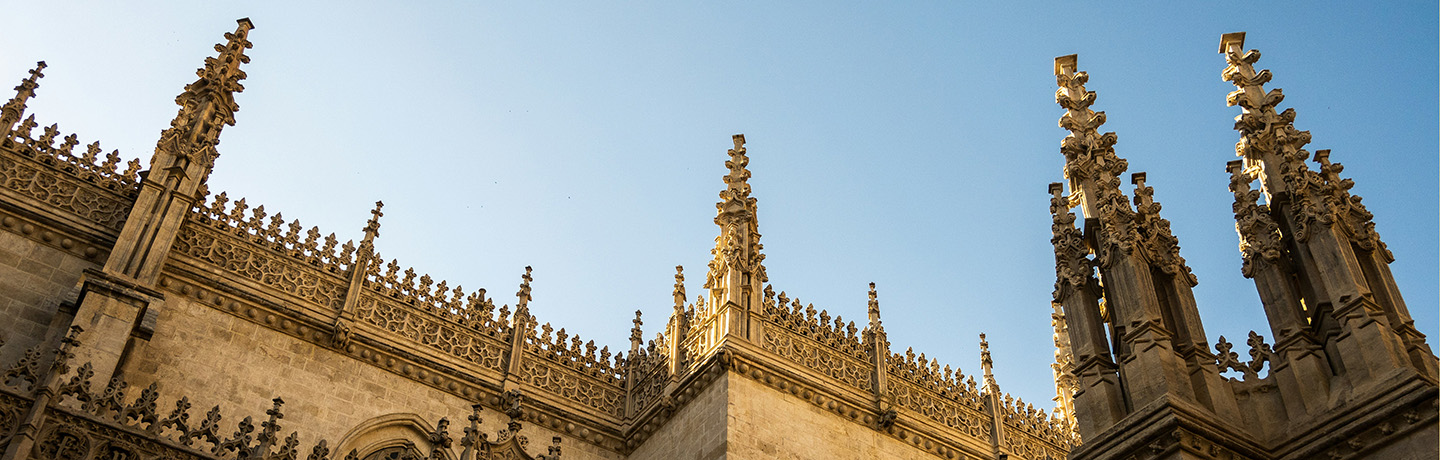
+Granada shimmers with the legacy of Isabella I of Castile. Discovering the city through her history means exploring palaces, monasteries, and squares where a new era was forged for Spain.
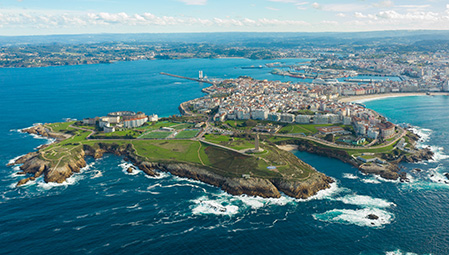
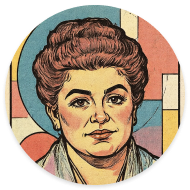
A Coruña: Following in the footsteps of Emilia Pardo Bazán
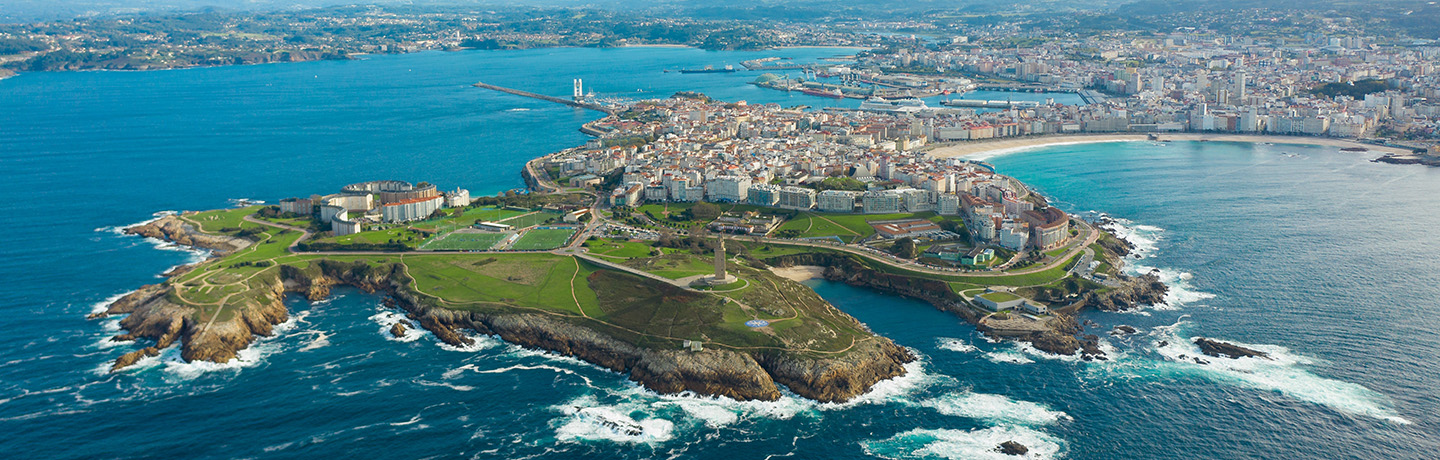
+In the Atlantic North, A Coruña displays a distinct elegance: bright, cultured, and profoundly literary. Emilia Pardo Bazán, one of the great European voices of the late 19th century, was born here. She transformed her city into "Marineda," the immortal setting for many of her novels.
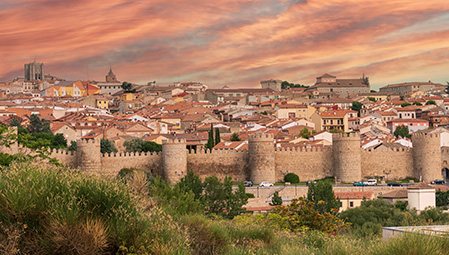
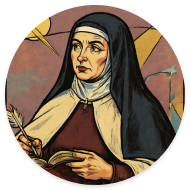
Ávila and the spiritual strength of Saint Teresa of Ávila
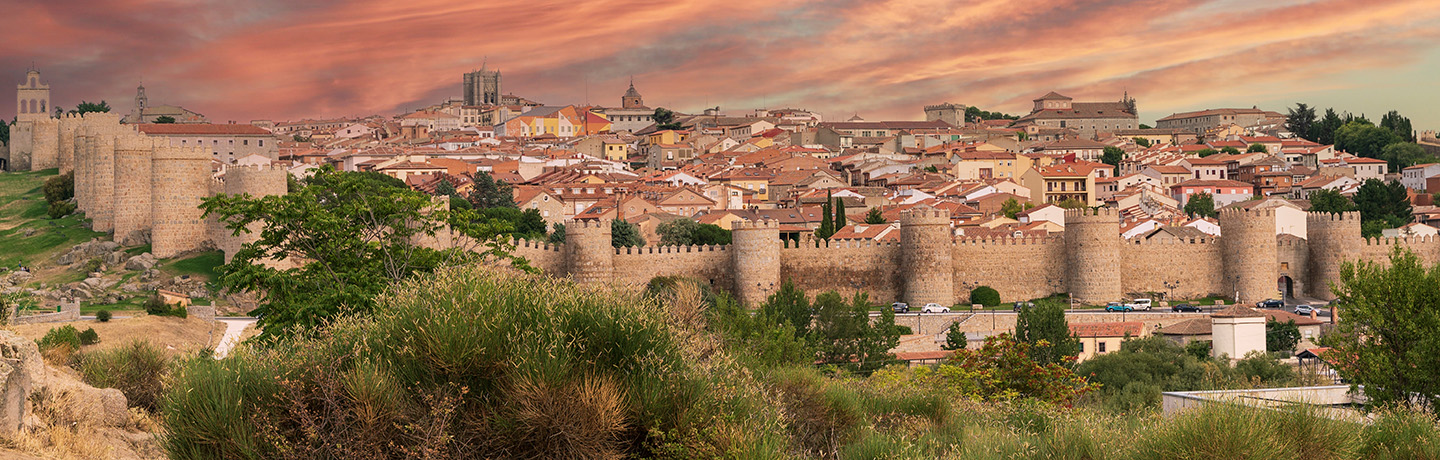
+Discover the walled city of Ávila following in the footsteps of Teresa of Ávila, a universal figure of mysticism.
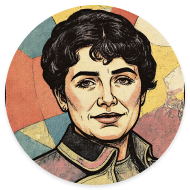
Rosalía de Castro
(1837- 1885)
“Because women are still not allowed to write what they feel and what they know.”
Santiago and the poetic emotion of Rosalía de Castro Santiago de Compostela is not just the end of the Camino. It is also the beginning of an intimate and powerful story, that of Rosalía de Castro, one of the most important poets of European Romanticism. Wandering through its stone squares, crossing parks shrouded in Atlantic mist, and discovering verses engraved on the ground transforms a visit into an emotional experience. Here, literature is walked, breathed, and felt. The route begins in the Plaza del Obradoiro, where she was baptised in the chapel of the Hostal dos Reis Católicos. It continues through the historic center, with stops at the Casa de la Concha and the Plaza de la Universidad, where commemorative plaques mark the places she lived. In Alameda Park, her monument faces the Eternal City; and the route culminates at the Galician Pantheon, in the Convent of San Domingos de Bonaval, where the writer's remains rest. Other Rosalía routes: in Padrón you can visit the Rosalía de Castro House Museum; its surroundings are one of the rural landscapes that inspired her. A Coruña and Muxia, on the Costa da Morte are other Galician locations that also gave rise to her poems.
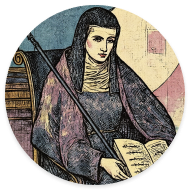
Isabel de Villena
(1430 - 1490)
“And those who speak ill of women will incur my wrath, for they may think that my mother is a woman who has earned all your daughters a great crown, and she is such a strong safeguard for them that no one can anger them without greatly offending me.”
Valencia and its Literary Golden Age: Isabel de Villena In the 15th century, Valencia shone as one of the great cultural centres of the Mediterranean. In this context, the figure of Isabel de Villena emerges, considered the first female writer in the Valencian language and a voice ahead of her time. Very close to the Museum of Fine Arts of Valencia is the Royal Monastery of La Santísima Trinidad, where she was appointed perpetual abbess in 1462. Under her leadership, the convent became a true intellectual centre, reflecting a city experiencing an extraordinary literary flourishing. This splendour can still be felt when visiting the majestic Valencia Silk Exchange, a symbol of the commercial power of the era; the Serranos and Quart Towers; and the elegant Palacio de la Generalitat Valenciana (Palace of the Valencian Government); or the Cathedral, next to the iconic Miguelete bell tower. Inside lies Ausiàs March, one of the great poetic figures of the period. Very close to the Silk Exchange, in the Plaza de la Compañía, is also the house where Jaume Roig, a contemporary of Isabel de Villena, lived.
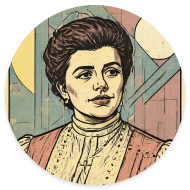
María Antonia Salvà
(1869 - 1958)
“Everything in its place, every emotion with its perfect music.”
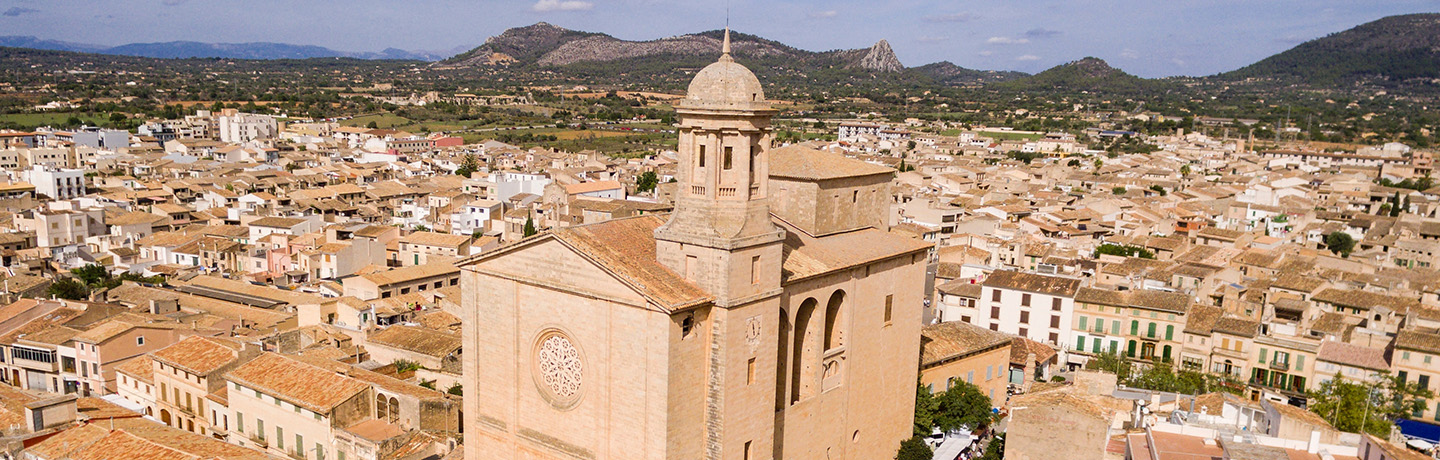
Intimate Mallorca: The legacy of María Antonia Salvà Far from the beaten path, Mallorca reveals its most refined and authentic side through María Antonia Salvà, a pioneer of modern Catalan poetry and a symbol of Mediterranean sensibility. In Llucmajor, where she settled at the end of the 19th century, the traveller discovers a tranquil and elegant island. The plaque on Calle Jaume I commemorates her home; the statue of "S'Espigolera" evokes the connection between tradition and landscape; and the Sanctuary of Our Lady of Grace offers privileged views over the Mallorcan plain, a setting of absolute serenity. For those seeking unique experiences, the s’Allapassa estate, located in the Llucmajor marina next to the Capocorb Vell prehistoric site, offers a glimpse into the rural and tranquil essence that inspired the writer's work: golden light, open horizons, and the sound of the wind through the fields. This journey culminates in Palma, in its old town where you can discover its stately architecture, the art in its galleries, and savour haute cuisine. At number 14 Carrer d’En Morei is the poet's birthplace, the perfect starting point for a unique stay in the Balearic capital.
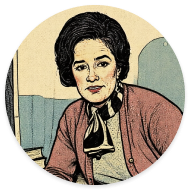
Corín Tellado
(1927-2009)
) “I have my own peculiar style. That a reader reads you and knows it's you is very important. And I am capable of writing, writing, and writing…”
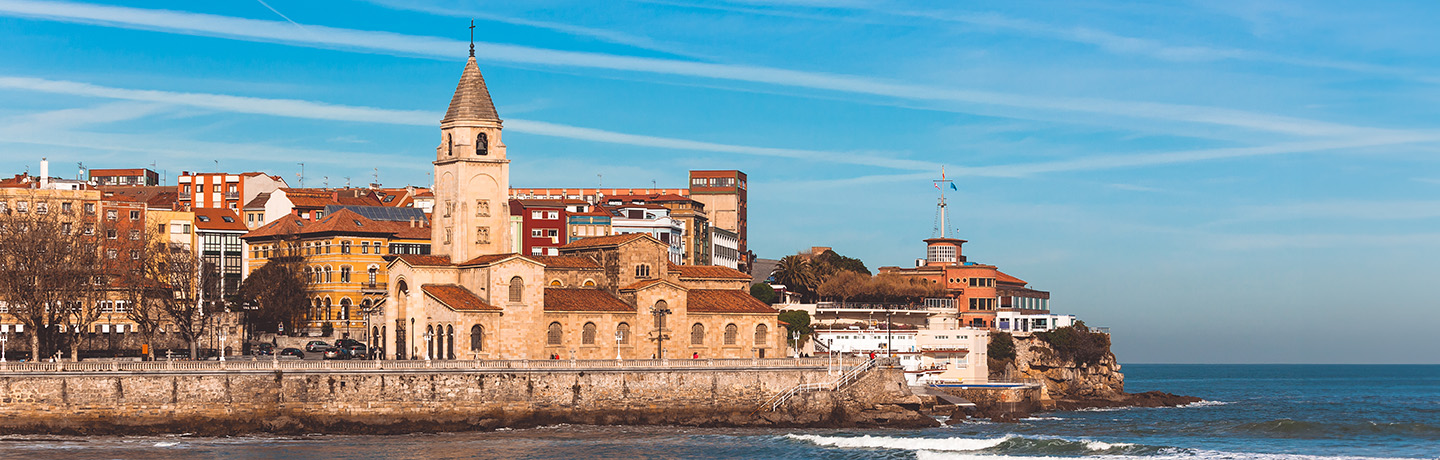
Maritime Asturias: In the footsteps of Corín Tellado Asturias was the landscape that shaped the life of the most widely read Spanish-language author after Cervantes, according to UNESCO. Discovering her is to explore a land where literature and the sea go hand in hand. In Gijón, the city where she lived for decades, her name is etched in the city's literary memory. Strolling through the legendary Cimavilla neighbourhood, walking along San Lorenzo beach, or gazing at the Cantabrian Sea from the Santa Catalina hill allows visitors to immerse themselves in the maritime atmosphere that accompanied her inexhaustible literary vocation. Among traditional cider houses, cafes, and historic bookstores, the city preserves the everyday spirit that surrounded a writer who published more than 4,000 novels and sold over 400 million copies worldwide. The journey continues to Viavélez, her birthplace in western Asturias. This small fishing port in western Asturias offers an intimate and authentic glimpse of Asturias, with its whitewashed houses facing the sea. The house where she was born and the street that now bears her name connect the traveller to the origins of an author who transformed emotions into universal stories.
Carmen Conde
(1907 - 1996)
“We will sail together, you will be my sail, and I will take you through hidden seas.”
Literary route of Carmen Conde in Cartagena A bright, Mediterranean city, Cartagena is the vibrant setting that forged the voice of Carmen Conde, the first woman to be admitted to the Spanish Royal Academy. The route begins in the Artillery Park and continues through the old town, following in the writer's footsteps. On Calle de la Palma, where she was born, visitors connect with her origins. Nearby, opposite the Church of Carmen, a commemorative sculpture depicts her seated on a bench, as if still contemplating life passing by and inviting conversation. The walk continues along the emblematic Calle Mayor, past the Casino, the Plaza del Ayuntamiento, and the Muelle de Alfonso XII. Inside her home. At the Carmen Conde-Antonio Oliver Museum, located in the Ramón Alonso Luzzy Cultural Centre, visitors can access the author's most personal world in her reconstructed study, where her books, objects, and mementos transport them to the intimate setting in which many of her works were born.

María de la O Lejárraga
(1874 - 1974)
“Knowledge has never clipped the wings of dreams: it has merely changed their name.”
San Millán de la Cogolla and the legacy of María de la O Lejárraga San Millán de la Cogolla, the birthplace of the Castilian language, is also the birthplace of María de la O Lejárraga, a brilliant writer, playwright, and political pioneer whose life spanned a century of Spanish history. A must-see on any trip to La Rioja, it is home to the Monasteries of Suso and Yuso, declared a World Heritage Site. Within their walls, some of the first words in the Castilian language were written. In this same landscape of serenity and study, María de la O Lejárraga's literary vocation was born. In the heart of the town stands her birthplace, still preserved by the writer's family, where they keep mementos and small literary treasures, such as a signed copy of her Short Stories. This direct connection to her legacy makes a visit a truly intimate and authentic experience. Strolling through San Millán means enjoying its churches, traditional architecture, and views of the valley from its viewpoints. The former pilgrims' hospital on the Camino de Santiago, now a restaurant, adds another attraction to this destination where heritage, landscape, and literature come together in perfect harmony.

Pino Ojeda
(1916 – 2002)
“Leave me with my wings, for I cast no shadow on anyone.”
Pino Ojeda and Gran Canaria: The Island as a Territory of Freedom Gran Canaria is not just an Atlantic destination; it is a landscape of creative emancipation. Here, Pino Ojeda, poet and visual artist, considered one of the forerunners of abstract art in the Canary Islands, developed her universe. This route proposes exploring the island through her eyes: free, modern, and deeply rooted. The journey can begin in Teror, in the north of the island. Amidst traditional architecture, wooden balconies, and verdant landscapes, a street, Pintora y Poeta Pino Ojeda, keeps her memory alive. Strolling through this area, with the imposing Basilica of Our Lady of the Pine as a landmark, allows one to understand the emotional foundation that marked her early years. Here, her sensitivity was born, and her freedom began.The journey continues in Las Palmas de Gran Canaria, the city where she spent much of her career. In 1958, she founded Galería Arte, the first gallery created by a woman in the Canary Islands: a pioneering gesture that transformed the island's cultural ecosystem. Today, walking through Vegueta and Triana, feeling the Atlantic light, and visiting the Atlantic Centre of Modern Art (CAAM), whose collection includes her work, allows one to connect with the creative context that propelled her evolution toward abstraction.Following in Pino Ojeda's footsteps is to discover a bright and culturally vibrant island, an experience that invites us to look at the Atlantic with the same determination with which she defended her creative independence.
María Zambrano
(1904 - 1991)
“I prefer dangerous freedom to tranquil servitude.”
Vélez-Málaga and the memory of María Zambrano Vélez-Málaga is the landscape that shaped the thinking of the most influential Spanish philosopher of the 20th century. Exploring the Vélez-Málaga of María Zambrano is to delve into the roots of her work. White streets, bright squares, and viewpoints overlooking the Mediterranean evoke the poetic sensibility that marked her philosophy. An essential stop on the tour is the headquarters of the María Zambrano Foundation in the Palace of the Marquis of Beniel, one of the city's most striking civil monuments. The path to the site of her birthplace reveals many special corners. Her mausoleum, simple and beautiful, displays the phrase from the Song of Songs that she herself chose for her epitaph: "Surge, amica mea, et veni" ("Arise, my beloved, and come"). Memory transformed into art: in the central Plaza de las Carmelitas, a life-size statue of the writer seems to serenely await the traveller. Nearby, another sculpture on Calle Pancho depicts her as a child in her father's arms. Her life and work are also featured on one side of the obelisk located in Plaza de San Roque.
Luisa Roldán
(1652-1706)
“Her modesty was great; her skill, superior; and her virtue, extraordinary” (Antonio Palomino).
The Baroque Spain of Luisa Roldán Exploring Spain in the footsteps of Luisa Roldán, known as “La Roldana,” is to delve into the splendour of the Baroque through monumental cities, where some of her extraordinary work is preserved today. A sculptor of exceptional technical mastery, she paved the way in a male-dominated art world and left her mark on some of the country's great cultural centres. In Seville, where she trained in the family workshop, the journey begins amidst convents, historic squares, and a rich sacred heritage. A visit to the Museum of Fine Arts and a stroll through the old town, among churches and narrow streets, allow one to understand the vibrant artistic atmosphere in which her talent was forged. In Cádiz, open to the Atlantic, she continued her professional career. Its bright, maritime historic centre invites visitors to explore squares and viewpoints where art converses with the ocean. The route culminates in Madrid, where she achieved the highest recognition at court when she was appointed Court Sculptor, an exceptional achievement for a woman in her time. Today, the Prado Museum and the Royal Collections Gallery allow visitors to contemplate the delicacy and expressiveness of her figures. Other places to see her work. The National Sculpture Museum (Valladolid) houses pieces that complete this artistic itinerary. Exploring these cities is to discover the creative force of the Spanish Baroque and the path opened by an artist who transformed sculpture into emotion and timeless beauty.
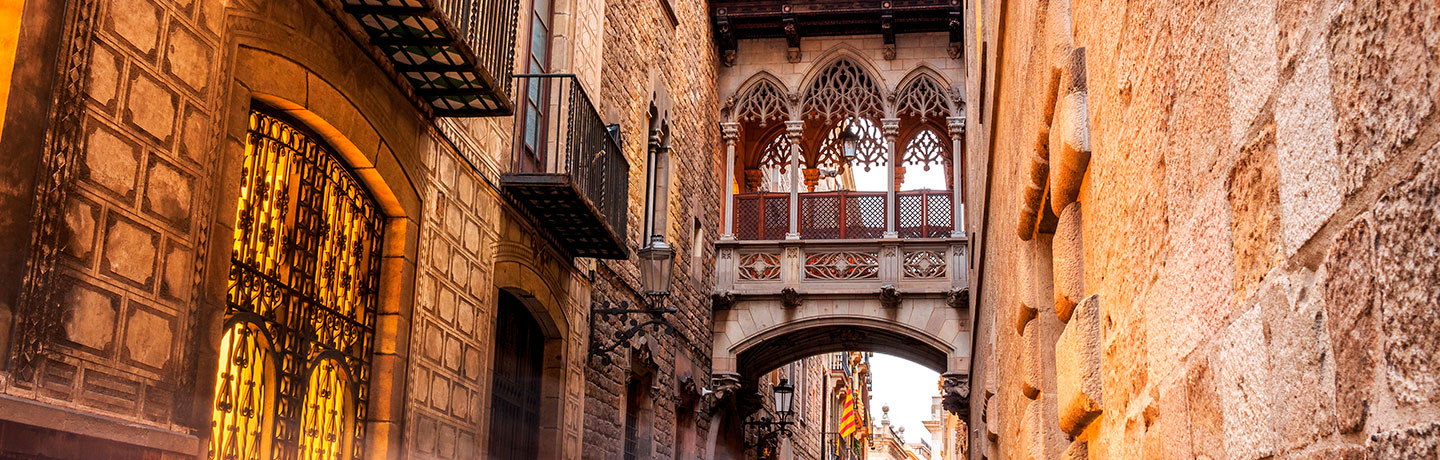

Carmen Amaya
(1913–1963)
“My life and my art were born from the sea. My first idea of movement and dance came to me from the rhythm of the waves.”
Barcelona and the spirit of Carmen Amaya Barcelona is a city where the sea, culture, and entertainment are integral to its identity. Here, Carmen Amaya was born, the flamenco dancer who revolutionized the art form with her dizzying footwork and an energy that conquered stages around the world. On Barceloneta beach, where the old Somorrostro neighbourhood once stood, you can relive her first steps facing the Mediterranean. Although the beach huts are gone, the seafront promenade and the fountain dedicated to the artist in Plaça de Brugada keep her memory alive. The atmosphere of Paral·lel, the historic heart of Barcelona's entertainment scene, evokes the period when she performed in theatres like the Tívoli before launching her international career. In Montjuïc, Poble Espanyol preserves the memory of her performance in 1929 during the Barcelona International Exposition and houses the Tablao de Carmen, created in homage to the dancer. It is one of the essential places to experience live flamenco in the city. Complete your route by enjoying panoramic views from Montjuïc or from a rooftop bar overlooking the sea. Wander around the Born neighbourhood or Gothic Quarter at nightfall and savour tapas, fresh fish, or paella by the beach. Extend your trip to Begur. If you wish, you can continue your experience by visiting the Costa Brava. There, Mas d’en Pinc, the farmhouse overlooking the Mediterranean where she lived her final years, is open to the public with a small exhibition paying tribute to the artist. Bring your trip to a close amidst crystal-clear coves, coastal paths, and charming villages.
Clara Campoamor
(1888–1972)
“Freedom is learned by exercising it.”
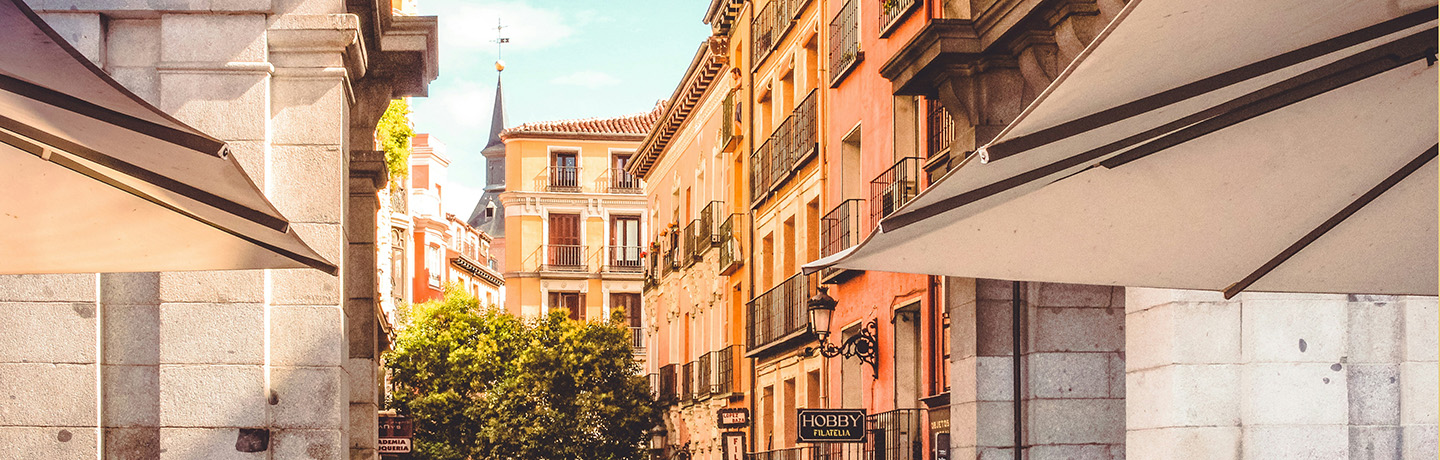
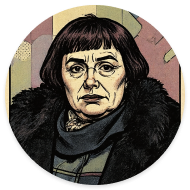
Madrid and the fight for women's suffrage: Clara Campoamor Discover the Madrid where Clara Campoamor championed women's suffrage from the parliamentary podium, marking a turning point in Spain's democratic history. Your tour can begin on Carrera de San Jerónimo, in front of the Congress of Deputies (the lower house of the Cortes Generales), where you can imagine the intense debate of 1931 that paved the way for women's suffrage in Spain. Afterwards, stroll to Plaza de los Guardias de Corps, next to the Conde Duque Cultural Centre, where a bust commemorates this pioneering lawyer and parliamentarian. The city keeps her memory alive in everyday spaces like the Chamartín-Clara Campoamor train station and the street that bears her name. Furthermore, her portrait now occupies a prominent place in the historic Ateneo de Madrid (which always features interesting exhibitions). Guided tours and other activities. Complete your experience by enjoying the vibrant cultural scene of Madrid that surrounds these historic sites. After your visit to the Congress building, stroll through the Barrio de las Letras, or Literary Quarter, and take a break in one of its century-old cafes or on its terraces. At sunset, admire the views from a rooftop terrace overlooking the Madrid skyline and toast to freedom with a vermouth or a Spanish wine. On the culinary front, try classics like cocido madrileño (Madrid stew), callos (tripe stew), or a calamari sandwich in the area around the Plaza Mayor. And if you want to delve deeper into its legacy, join guided tours dedicated to 20th-century women or to Las Sinsombrero (The Hatless Women), where the historic debate between Clara Campoamor and Victoria Kent is even recreated.
María Blanchard
(1881–1932)
“If I live, I will paint many flowers.”
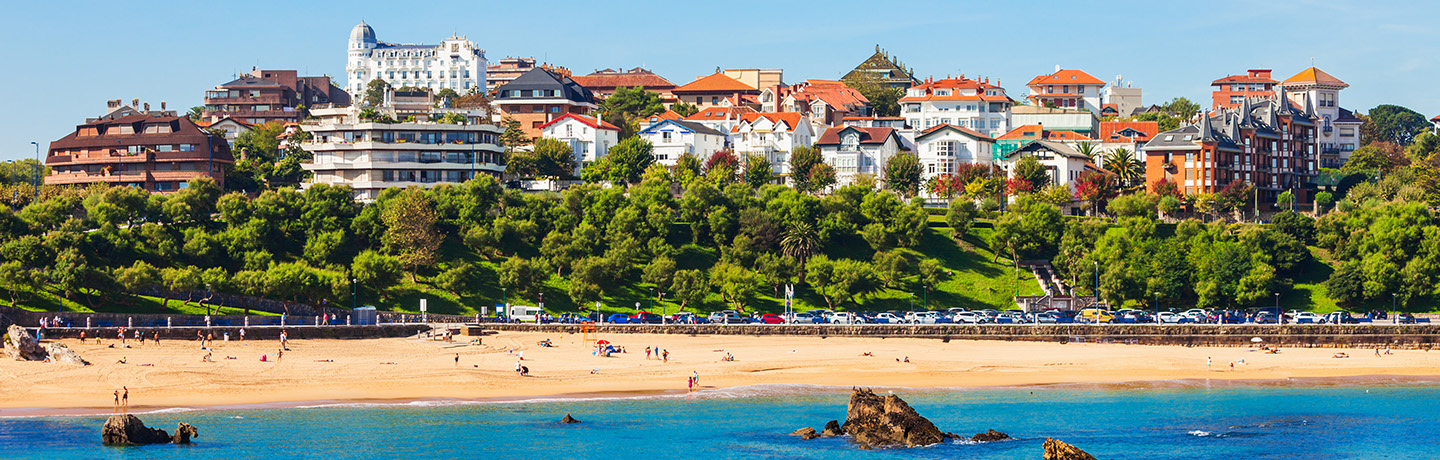
María Blanchard and Santander: where an avant-garde movement is born Facing the shimmering bay of Santander, in a city open to the sea and the horizon, began the story of María Blanchard, considered the first woman in Spain to adopt the Cubist language. From this northern enclave, a creator set out to take her talent to the heart of the European avant-garde. Exploring Santander is to understand the contrast that marked her trajectory: the serene elegance of the city and the formal radicalism of Cubism. Strolling along the Paseo Pereda, contemplating the sea from the gardens, immersing oneself in the contemporary dialogue of the Centro Botín , or discovering her work at the Museum of Modern and Contemporary Art of Santander and Cantabria (MAS) allow one to understand the origins of a creator who took her talent to the heart of the European avant-garde. Between urban beaches and stately architecture, Santander reveals itself as a sophisticated setting that helps us understand the sensibility of an artist who transformed fragmentation into emotion. The city also offers its Route of the Illustrious, where María Blanchard occupies a prominent place, integrating her legacy into the local cultural identity. Other places to discover her work: the Reina Sofía National Art Museum, the Thyssen-Bornemisza National Museum, and the Prado National Museum in Madrid, as well as the Museum of Fine Arts of Bilbao, house paintings that expand upon this route. Following this route is to discover how artistic modernity also has roots facing the Cantabrian Sea.
María Pacheco
(1496-1531)
“You, my lady, like a sane woman, weep for your misfortune, and not for my death, which, being so just, should be mourned by no one.” (Juan de Padilla)
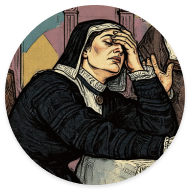
Toledo and the spirit of courage of María Pacheco Toledo, an imperial city and melting pot of cultures, is the setting where the legend of María Pacheco, known as the “Lioness of Castile,” was forged. Walking its cobbled streets is to delve into one of the most intense episodes of 16th-century Spain: the Revolt of the Comuneros. The route begins next to the imposing Alcázar of Toledo, a symbol of power and the place where María Pacheco settled after the execution of her husband, Juan de Padilla. From here, she led the defence of the city against the imperial troops. Today, her statue commemorates that determination from one of the best viewpoints overlooking the Tagus River. The route continues towards the majestic Toledo Cathedral. According to tradition, it was in its sanctuary that she resolutely entered to seize the silver with which to pay the soldiers defending the Comunero cause. In the emblematic Plaza de Zocodover, her death sentence was proclaimed, along with the order to confiscate her property, issued by Charles V. From there, history tells that she managed to escape disguised as a peasant through the Puerta del Cambrón gate, beginning an exile that would seal her fate. The last stop is Plaza de Padilla, which occupies the site where her house once stood, and where today a statue stands in honour of Juan de Padilla, her husband. Discovering Toledo through the footsteps of María Pacheco is like walking through a monumental city where every street, every stone, and every corner speaks of its impressive past and the indelible mark left on the history of Castile by this woman. Discover the most authentic Toledo: admire the city from the Mirador del Valle viewpoint, with one of the most breathtaking panoramic views in Spain, especially at sunset, when the monumental skyline is bathed in golden hues. If you travel during Corpus Christi, you'll discover Toledo in all its splendour, with adorned streets and a unique festive atmosphere. Afterwards, indulge in tapas in the streets around Santo Tomé and Zocodover, where you can try carcamusas (a traditional stew), stewed partridge, or Manchego cheese, and finish with traditional marzipan. A delightful way to complete your journey through history and tradition.
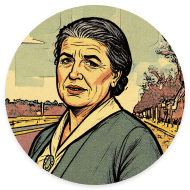
María Moliner
(1900- 1981)
“Education is the foundation of progress; I consider reading a right, even a spiritual one.”
María Moliner and Paniza: A journey through culture, nature, and wine In Paniza, in the province of Zaragoza, culture and nature come together under the name of María Moliner, the philologist who forever transformed the way we understand the language with her famous Diccionario de uso del español (Dictionary of Spanish Usage). The bust erected in her honour marks the beginning of a beautiful circular route to the Ontanar spring. The route winds through vineyards and centuries-old trees, offering visitors a peaceful and authentic experience in the heart of Aragonese nature. Along the way, information panels highlight the life and work of the author, contextualising her extraordinary contribution to the Spanish language. The route allows visitors to discover some of its rich history, such as the Mudéjar Church of Nuestra Señora de los Ángeles and the Sanctuary of La Virgen del Águila. Wine tourism activities. Furthermore, Paniza is located right on the Campo de Cariñena Wine Route, making the visit a truly comprehensive experience. The wineries in the region offer wine tourism activities and the opportunity to taste wines with a long tradition, adding flavour to this cultural itinerary.
María de Maeztu
(1881- 1948)
“I am a feminist; I would be ashamed not to be, because I believe that every woman who thinks should feel the desire to collaborate, as an individual, in the overall work of human culture.”
Vitoria-Gasteiz, the birthplace of María de Maeztu Vitoria-Gasteiz, a leading city in sustainability, is also the birthplace of María de Maeztu, one of the great educators and thinkers of Spanish feminism. The Senda Route, one of the city's most beautiful walks, invites you to follow in her footsteps. This three-kilometre pedestrian route, surrounded by trees, connects the historic centre with the area around the Basilica of San Prudencio One of the most emblematic stops is Florida Park, next to the Cathedral of María Inmaculada (the so-called "new cathedral") and the Basque Parliament building. This site was the former high school where María de Maeztu and many other illustrious Basque figures were educated. You can round off your visit in the park that now bears her name, located next to the University of the Basque Country, in the former gardens of the Asilo de las Nieves. This green space pays permanent tribute to her educational and social legacy. Activities: Extend your experience by cycling along the famous Green Ring or enjoying the renowned Basque cuisine in the medieval quarter, where tradition and innovation meet at every turn.
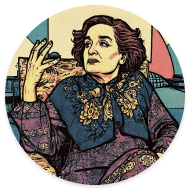
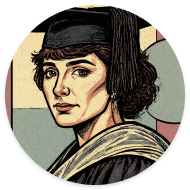
Maruja Mallo
(1902–1995)
“Art has the power to order reality.”
Madrid and the artistic rebellion of Maruja Mallo Discover a vibrant and cultural Madrid, the setting where Maruja Mallo became one of the leading figures of figurative surrealism and an essential member of the Generation of '27. The capital was the creative laboratory where she forged a bold body of work and broke social conventions in a time of profound change. Your tour can begin at the Royal Academy of Fine Arts of San Fernando, where Maruja Mallo trained at a time when very few women had access to artistic studies. There she met Dalí and became part of the creative atmosphere of the Residencia de Estudiantes (Student Residence) alongside figures like Buñuel and Lorca. Today you can visit this legendary space and relive the spirit of the avant-garde movements that transformed Spanish art. Continue to the Puerta del Sol square and imagine Madrid in the 1920s. There, Maruja Mallo—along with Margarita Manso, Dalí, and Lorca—performed the famous gesture of walking without a hat to defy social norms. That symbolic act gave rise to Las Sinsombrero (The Hatless Ones), a group of female artists who championed freedom and equality in the cultural sphere. Take advantage of the opportunity to join one of the guided tours dedicated to this group through the old quarter. A must-see is the Reina Sofía National Art Centre, where you'll find works showcasing its characteristic geometric forms and how it blends popular and avant-garde styles. Experience Madrid's most playful and creative side: to complete the experience, immerse yourself in the festive Madrid that would have also inspired Maruja Mallo. Enjoy the best views of the city from the rooftop of the Círculo de Bellas Artes or from one of the rooftop bars with sunset views. Explore Cava Baja, the quintessential tapas street in the La Latina neighbourhood, where you can sample specialities like calamari sandwiches, patatas bravas, or a freshly made Spanish omelet. If you're travelling in May, don't miss the San Isidro festivities, with traditional chulapa costume, street parties, and music in the streets; and in summer, the La Paloma celebrations fill the historic centre with a lively atmosphere.
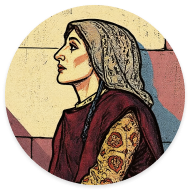
Blanche I of Navarre
(1385- 1441)
“There is nothing more certain than death, nor as uncertain as its hour.”
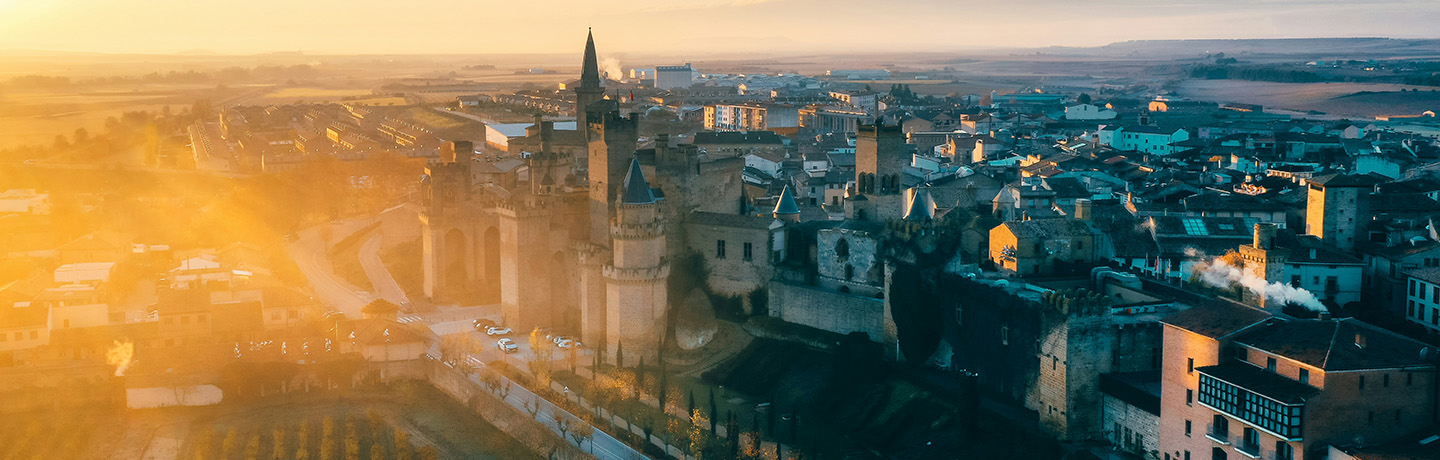
Olite, the court of Blanche I of Navarre The streets and monuments of this medieval town invite you to take a true journey back in time to relive the splendour of the court of the Kingdom of Navarre. Nestled among walls, towers, and cobbled streets, the story of Blanca I of Navarre comes alive in one of the most evocative monumental complexes in northern Spain. Everything in Olite seems to create a magical and captivating atmosphere. A stroll among noble houses and Gothic churches inevitably leads to the imposing silhouette of the Royal Palace of Olite, a former royal residence and one of the most spectacular castle-palaces in Europe. In this setting, it's easy to imagine the moment when Blanche was proclaimed heir to the throne and the days when the court, lovers of music, literature, and the arts, filled these halls and courtyards with life. The visit continues at the Church of Santa María la Real de Olite, where the only known sculpture of the queen is preserved. For centuries, the original Gothic statue stood guard at the entrance to the cloister and suffered the ravages of time. Today, restored and protected inside the church, it allows visitors to closely contemplate the artistic legacy linked to its memory, while a replica occupies its original location. Exploring Olite is to immerse yourself in medieval Navarre, discovering the history of a cultured and sensitive monarch who left a historical mark that transcended her reign. Experience Olite's most festive side: to complete the experience, enjoy its famous medieval summer festivals, when the castle becomes the stage for tournaments, markets, and night-time performances. Climb the palace towers to admire the best views over the Navarrese vineyards and end the day tasting wines with the Navarra Designation of Origin, accompanied by lamb stew or local white beans on the terraces of the old town.
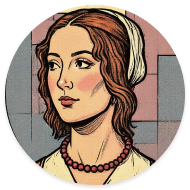
Inés de Suárez
(1507-1580)
“A courageous woman who defied the conventions of her time.” (Isabel Allende)
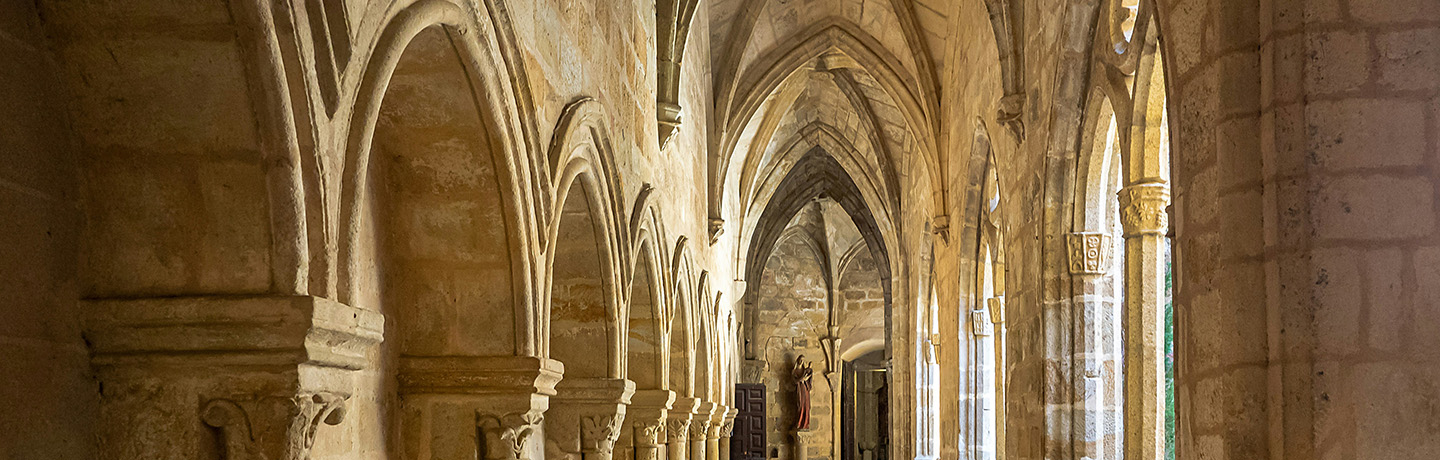
Plasencia, exploring the birthplace of Inés de Suárez On the banks of the Jerte River, you'll enjoy Plasencia, the so-called “pearl of the valley,” and birthplace of Inés de Suárez, the historical figure who inspired Isabel Allende's novel, Inés of My Soul. From this walled city, a woman determined to forge her own destiny set sail for America, becoming a key figure in the conquest of Chile. Entering the walled city of Plasencia is to immerse yourself in a setting where history, culture, and nature intertwine. Among the streets where Inés de Suárez once walked before crossing the ocean, visitors discover an extraordinary monumental legacy: 13th-century stately homes like the Monroy family's, Renaissance palaces like that of the Marquises of Mirabel, and an urban layout that has preserved its medieval essence intact. You can admire its two cathedrals united in a single complex: the Old Cathedral of Plasencia, with its magnificent Romanesque portal, and the New Cathedral of Plasencia, a prime example of the Plateresque style. This unique architectural dialogue makes a visit a truly one-of-a-kind experience in Spain. During your visit, Plasencia invites you to enjoy its natural surroundings. The riverside walk along the Jerte River offers moments of tranquility, while green spaces like Los Pinos Park, home to an open-air sculpture museum, allow you to combine art and nature. Exploring Plasencia is to discover the origins of a woman who defied her time and to discover a city where every wall and every stone evokes a spirit of adventure. Among cherry blossoms, markets, and the flavours of Extremadura: to complete the experience, let yourself be swept away by the local festive atmosphere. In spring, the nearby Jerte Valley is covered in cherry blossoms, creating a unique natural spectacle. During the Martes Mayor festivities, the city is filled with traditional markets, music, and local produce. On the culinary front, savour Extremaduran specialities such as Torta del Casar cheese, Iberian ham, migas (a traditional breadcrumb dish), or roast kid goat, accompanied by regional wines. The streets of the historic centre are filled with bars and terraces where you can enjoy tapas at the leisurely pace of life in Plasencia.