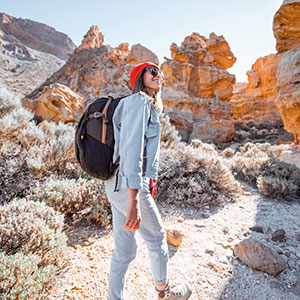
Euskadi Basque Country Grand Tour: discover the Basque Country in eight stages

The Basque Country is a region where the landscape, culture and cuisine all form part of the same experience. This Grand Tour will take you through its towns and villages so you can experience it to the full, whether by car, motorbike or even public transport. There are eight stages that you can complete at your own pace: in a few days or over the course of more than a week, depending on your preferences and how much time you have available. From the Guggenheim Museum Bilbao to the vineyards of Laguardia, via the cliffs and beaches of the Cantabrian coast and the impressive waterfall on the River Nervión, here are some suggested itineraries to help you discover (and fall in love with) everything the Basque Country has to offer.
-
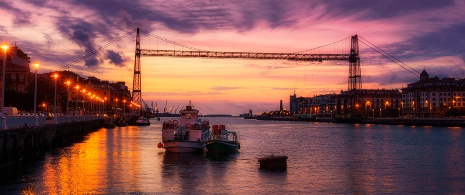
1. From Bilbao to Lekeitio: the coast of Bizkaia
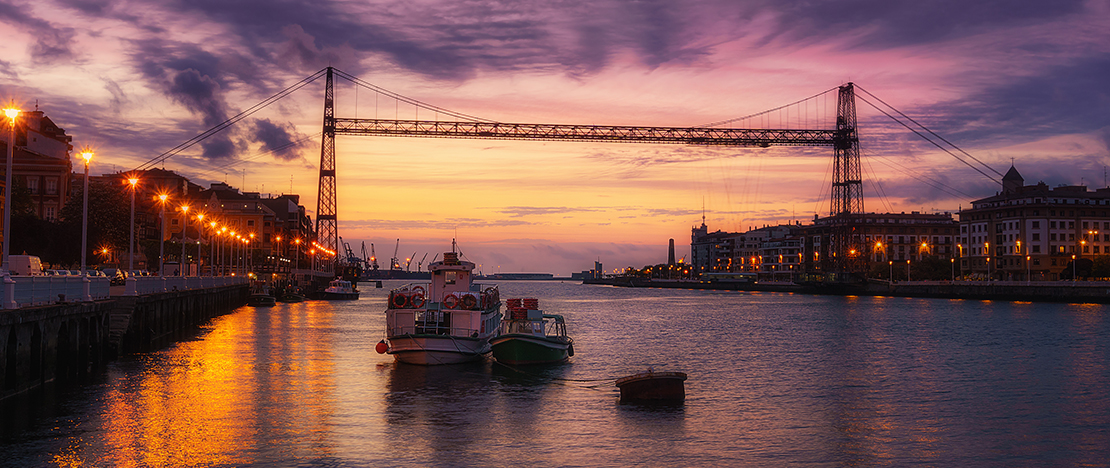
The coast of Biscay boasts a wealth of beaches, coves and cliffs, overlooked by towns such as Getxo, with the old port of Algorta and its famous suspension bridge – a marvel of civil engineering designated as part of the UNESCO World Heritage. From there, following the coastline, you come to lively fishing villages such as Barrika, Plentzia, Bermeo and Lekeitio. All of them boast well-preserved medieval historic quarters, perfect for a leisurely stroll and for ‘txikiteo’ (or ‘poteo’): hopping from bar to bar sampling pintxos and the local wine, txakoli (chacolí), which is served in small glasses called txikitos. Inland lies Gernika-Lumo, whose history inspired Picasso’s famous painting. In the gardens of the Casa de Juntas, the symbolic trunk of the Tree of Gernika is still preserved; it is a true icon for the Basque people. - Notable towns:Bilbao, Getxo, Plentzia, Bermeo, Gernika-Lumo, Kortezubi and Lekeitio. - Must-see places: the Urdaibai Biosphere Reserve, with its spectacular landscape of marshland, beaches, river mouths and cliffs. - Bonus: you can reach the San Juan de Gaztelugatxe shrine (a filming location for “Game of Thrones”) on foot or by boat from the port of Bermeo.
-
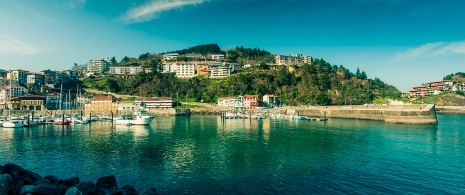
2. From Lekeitio to Zarautz: the sea and the mountains
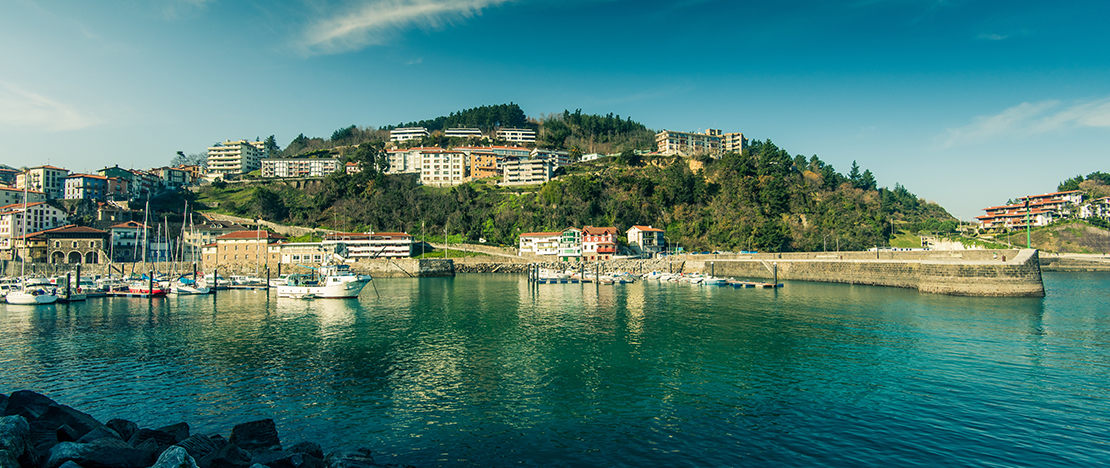
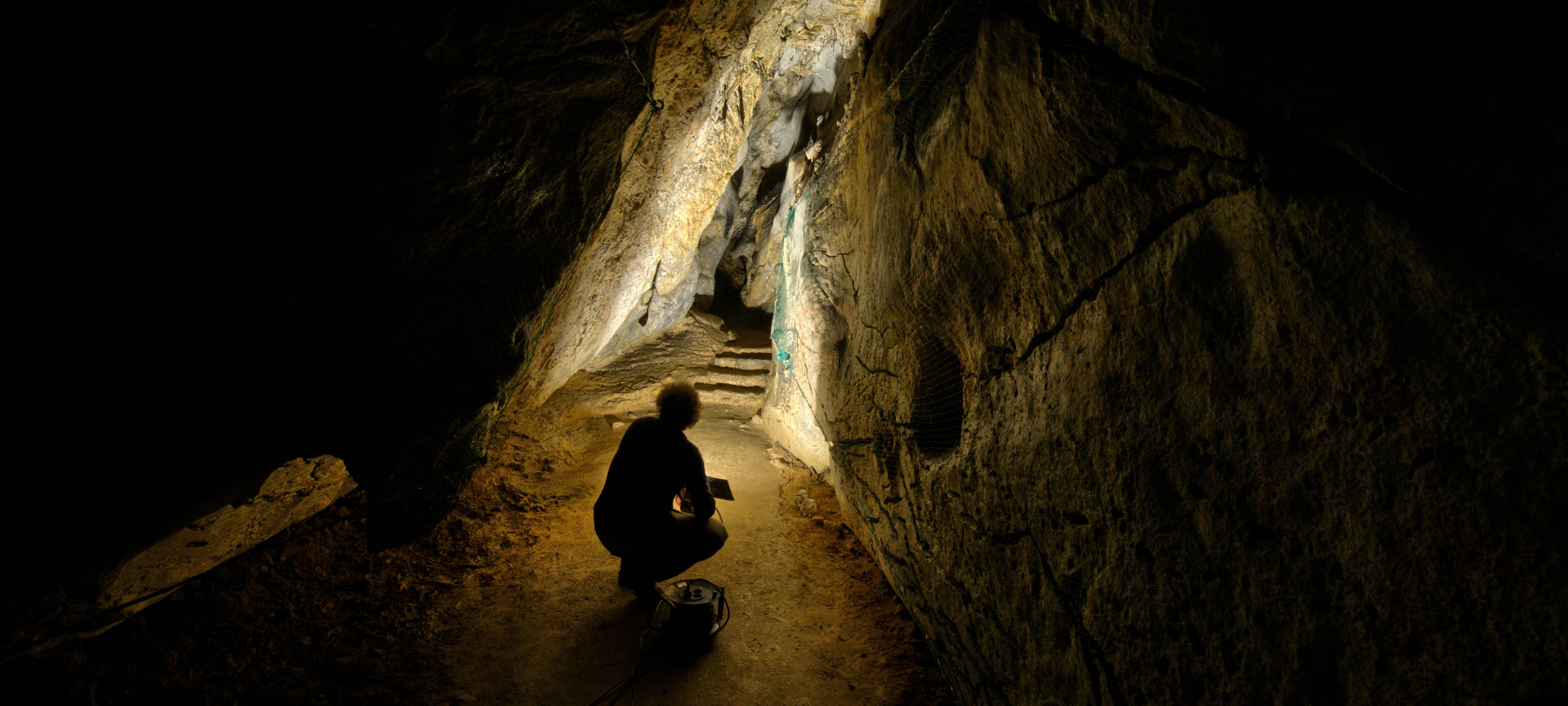
At this stage, you’ll be struck by the contrasts: the blue of the Cantabrian Sea on one side and, very close by, the deep green of the inland forests and meadowlands, dotted with typical Basque hamlets where traditions are still very much alive. Here you can explore the Ekain Cave, famous for its cave paintings, which have been designated an UNESCO World Heritage site. Also worth noting is the Basque Railway Museum in Azpeitia, which houses a collection of steam locomotives, carriages and all manner of railway artefacts. Getaria is the birthplace of Juan Sebastián Elcano and where the unique technique of grilling fish on curious metal grills was born. The famous Spanish fashion designer Cristóbal Balenciaga was also born in this lovely coastal village. The museum is well worth a visit if you want to learn about the brand’s history and its most iconic designs. - Notable towns:Ondarroa, Deba, Azkoitia, Zumaia, Getaria and Zarautz. - Must-see places:the Shrine of Loyola, a place of spirituality and tradition. From there, you can follow the route of the three temples, also known as the Ignatian Way. - Bonus: take a guided tour of the Basque Coast Geopark, between Deba, Mutriku and Zumaia, to discover the Flysch Trail and its fascinating geological formations.
-
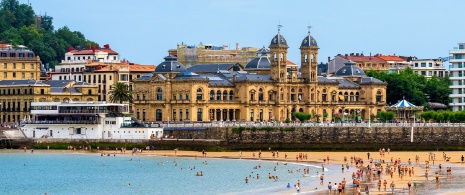
3. From Zarautz to Donostia-San Sebastián: fine dining
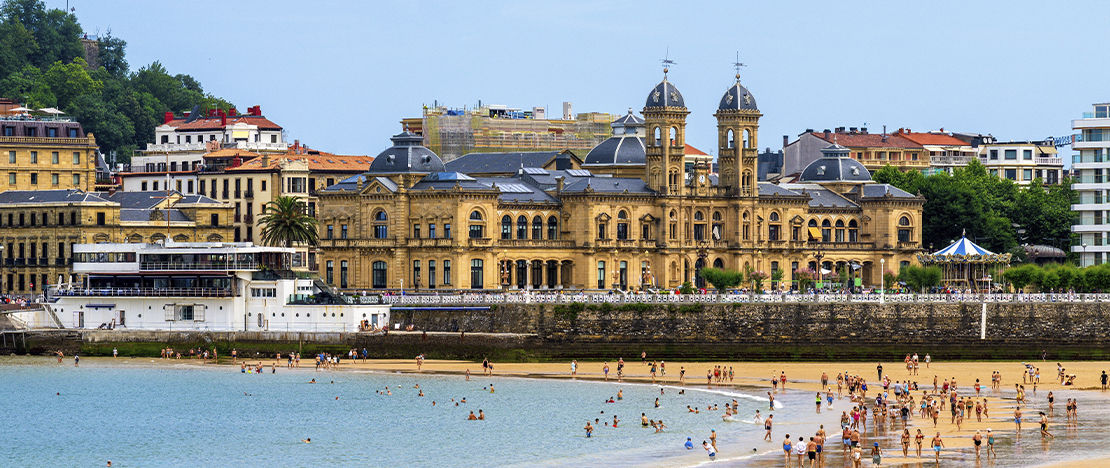
The Guipúzcoa coastline, particularly the stretch from Zarautz to Hondarribia and Irún, is rightly proud of its exceptional cuisine, which is prepared in restaurants, in people’s own homes and in the txokos (social clubs or gastronomic societies). At this stage of the Grand Tour, art is just as important as the food. Eduardo Chillida stands out as one of the most important Basque artists of the 20th century. The Chillida Leku Museum, in Hernani, is an essential stop for anyone wishing to understand the artist’s work. - Notable towns:Orio, Hernani, Astigarraga, Irún, Hondarribia, Pasajes and, of course, Donostia-San Sebastián. - Must-see places: a stroll along La Concha Bay to Chillida’s sculpture *Wind Comb* is something you’re unlikely to forget. - Bonus: along the coast of Gipuzkoa you’ll find restaurants run by such renowned chefs as Karlos Arguiñano, Juan Mari Arzak, Pedro Subijana, Juan Luis Aduriz and Martín Berasategui, amongst others.
-
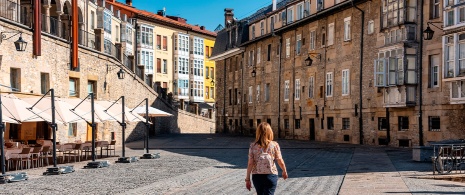
4. From Donostia-San Sebastián to Vitoria-Gasteiz: the inland region with its own identity
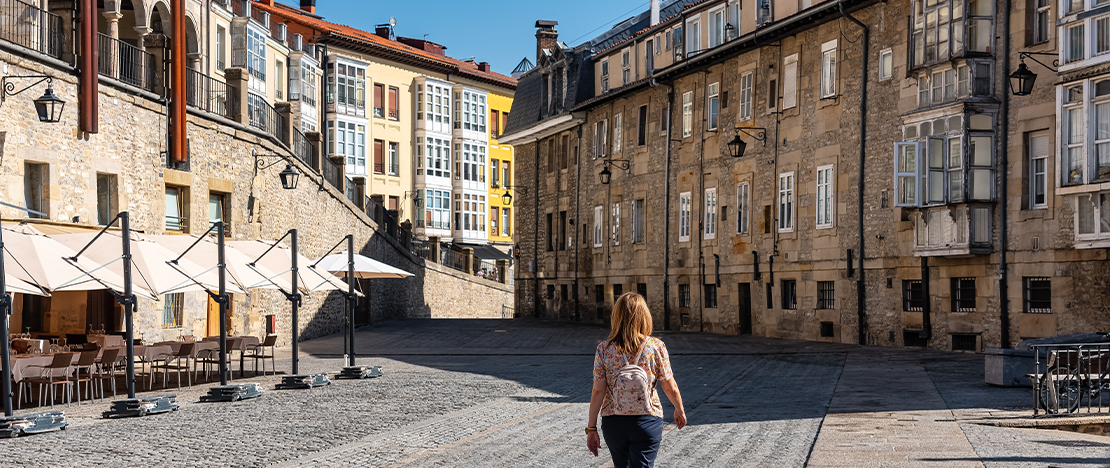
This stage explores the interior of the Basque Country, where traditions and legends are still alive today. An area that is also characterised by the charm of villages such as Oñati, the unique nature of the salt flats at Lintz Gatzaga and the devotion at the shrine of Arantzazu. The route ends in Vitoria-Gasteiz, a city renowned for its commitment to sustainability, where the Gothic-style Cathedral of Santa María is well worth a visit. A walk along the Green Belt – the ring of parks and gardens that surrounds the city – is also highly recommended. - Notable towns: Tolosa, Ordizia, Idiazábal, Zumárraga, Oñati, Arrasate-Mondragón, Leintz Gatzaga and Vitoria-Gasteiz. - Must-see places: the San Adrián Tunnel, in Zegama, connects the provinces of Gipuzkoa and Álava. This natural passage has been in use since at least the Bronze Age. - Bonus: Ordizia market is one of those must-visit spots for foodies. Their stalls are brimming with traditional Basque ingredients and specialities. It has been held every Wednesday for over 500 years.
-
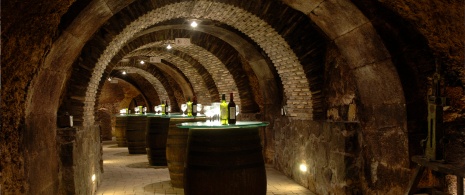
5. From Vitoria-Gasteiz to Laguardia: through forests and vineyards
The route winds its way through the green mountains and valleys of the Basque Country, before reaching the vast vineyards of La Rioja Alavesa, around Laguardia and Elciego. On the outskirts of this second settlement, Frank Gehry, the architect behind the Guggenheim Museum Bilbao, designed another iconic building for the Marqués de Riscal winery. Long before that, anonymous artists decorated the churches of La Llanada with murals that are just as striking as the Elvillar dolmen – a megalithic structure dating back some 5,000 years – and the dolmen at La Chabola de la Hechicera, in the same village. For a long time, it was thought that this was the ‘work of witches’. - Notable towns: Elburgo-Burgelu, Alegria Dulantzi, Salvatierra, Campezo-Kanpezu, Elvillar, Elciego and Laguardia. - Must-see places: the landscape of La Llanada in Álava contrasts with the mountains of the neighbouring provinces of Bizkaia and Gipuzkoa. This district is notable for its ‘painted’ medieval temples, the most notable of which is San Martín de Tours in Gazeo. - Bonus: The Rioja Alavesa Wine Route invites you to enjoy wine tourism at its wineries, vineyards, hotels, restaurants and dining establishments.
-

6. From Laguardia to Orduña: caves and viewpoints
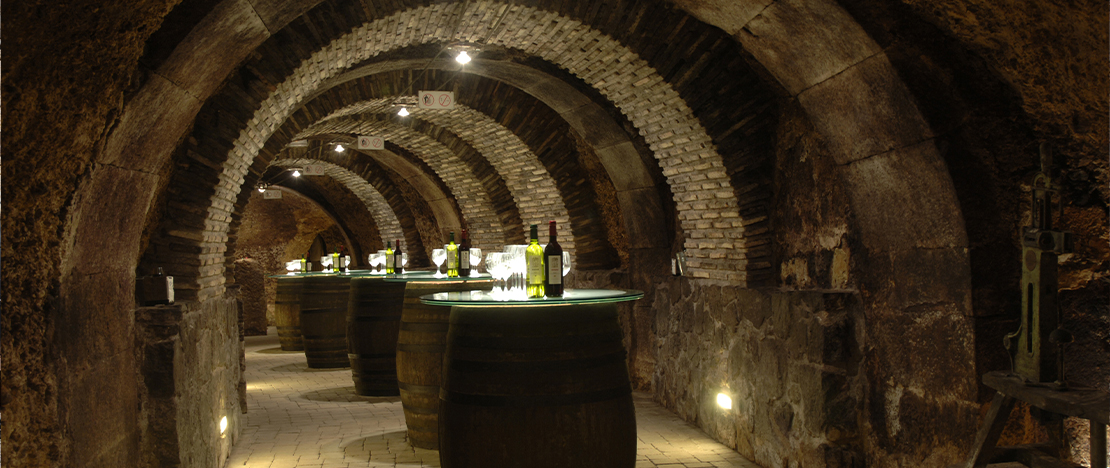
Alongside the vineyard landscapes of La Rioja Alavesa, the traditional architecture of its villages is a real surprise. A good example of this can be found in Laguardia, where there are actual underground passages beneath the houses, used today as wine cellars and, in the past, as a mountain refuge for the inhabitants. The views from the Balcón de La Rioja, in Samaniego, more than 1,000 metres above the Ebro River valley are truly breathtaking. You might also like the pre-Romanesque chapel of Nuestra Señora de la Peña, which still features some of the original frescoes. - Notable towns: Leza, Añana, Faido, Izarra, Kuartango and Orduña. - Must-see sights: with a free fall of over 200 metres, the Nervión waterfall is one of the highest waterfalls on the Iberian Peninsula. The Monte Santiago natural monument is set in truly breathtaking surroundings. - Bonus: the dramatised tour of the El Fabulista winery is great fun for visitors. It runs beneath a 17th-century palace that once belonged to the family of Félix María de Samaniego, the most important writer of fables in the Castilian language.
-
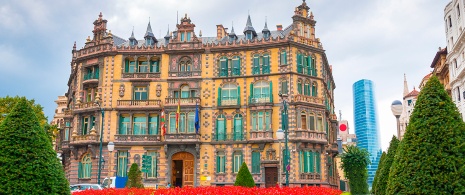
7. From Orduña to Bilbao: between the countryside and the city
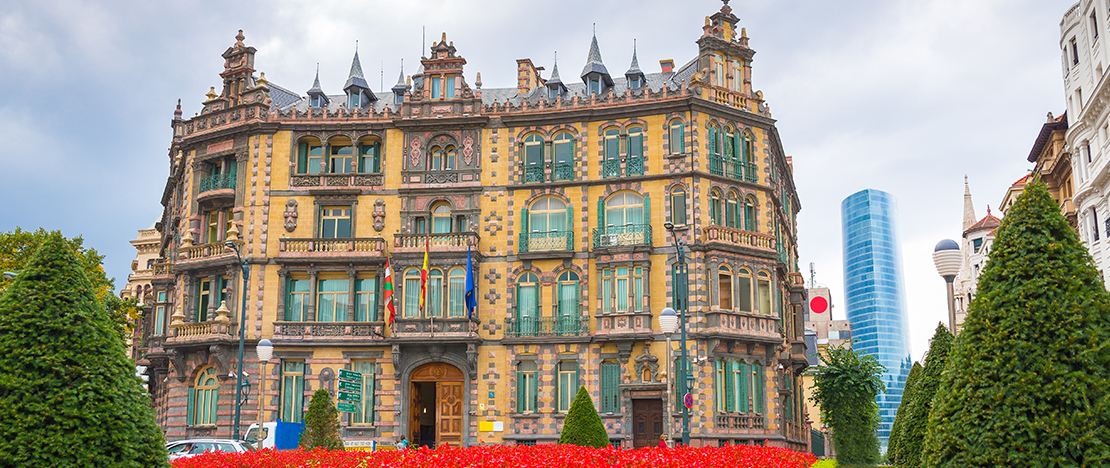
Located some 40 kilometres from Vitoria-Gasteiz, nestled amongst impressive rocky outcrops, Orduña holds city status, despite its small size. This demonstrates the importance of its past, of which there are numerous examples of monumental and artistic heritage. Along the way, you’ll come across other charming towns such as Artziniega, with its Ethnographic Museum, and Balmaseda. The latter is bathed by the waters of the River Cadagua, over which the Muza Bridge was built – a bridge that has inspired many painters and photographers. You’ll also be charmed by the historic quarters of the fishing towns of Santurtzi and Portugalete. You’ll be struck by the contrast between these historic towns and the industrial heritage that characterises the population centres in Bilbao’s metropolitan area. This city is a place best explored at a leisurely pace, so you can enjoy its vibrant cultural and culinary scene. - Notable towns: Amurrio, Artziniega, Balmaseda, Carranza Valley, Muskiz, Santurtzi, Portugalete, Barakaldo and Bilbao. - Must-see places: the Armañón Natural Park is ideal for birdwatching and hiking amongst hills, valleys, waterfalls, Atlantic forests and viewpoints. - Bonus: the Encartada Fabrika-Museoa in Balmaseda is a fine example of industrial heritage. Its workshops, where berets were once made, house a collection of original machinery from the late 19th and early 20th centuries.
-
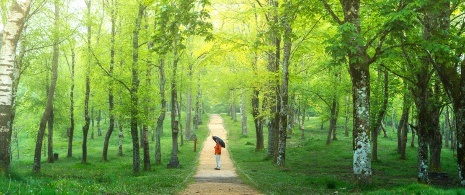
8. From Lekeitio to Vitoria-Gasteiz: a magical world
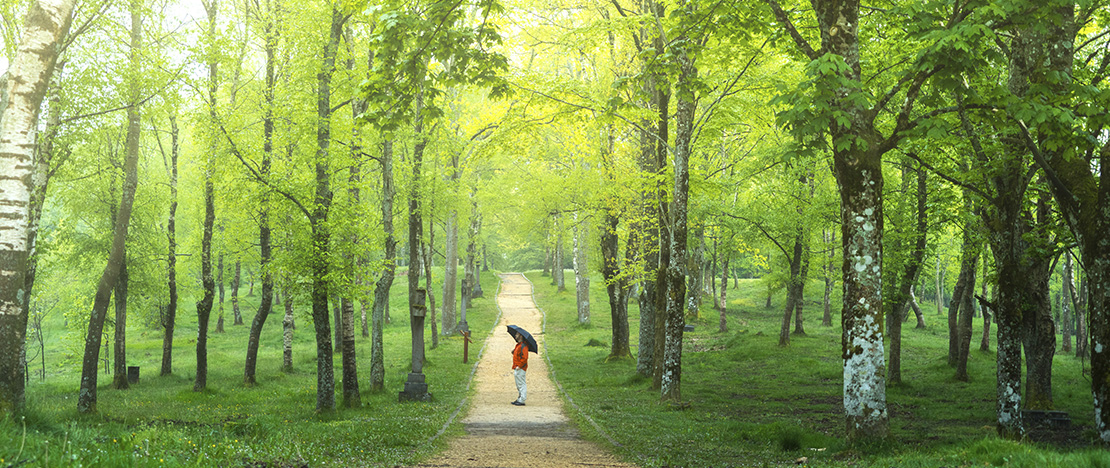
It is said that the spots through which this stage passes are still home to figures from Basque mythology, such as Basajaun, the ‘lord of the forests’, Mari, the ‘queen of nature’, and Gaueko, who represents the forces of evil. The truth is that it is easy to let your imagination run wild when faced with the stunning forests of Gorbeia, the Anboto mountain range in the Urkiola Natural Park, and so many other landscapes situated between the Cantabrian coast and Vitoria-Gasteiz. Right on the Way of St James lies the Cistercian monastery of Zenarruza, a collegiate church built between the 11th and 16th centuries that is well worth a visit. - Notable towns:Durango, Elorrio, Otxandio, Artea, Gorbeia, Urkiola and Vitoria-Gasteiz. - Must-see places: the mountain that dominates and gives its name to the Gorbeia Natural Park is, at 1,481 metres, the highest peak in the Basque Country. This protected area is a popular spot for walkers and nature lovers. - Bonus: one of the most interesting activities you can experience at this stage is spending a day as a shepherd in Urkiola, taking part in the day-to-day tasks of this rural trade.
-
More information:


Book yours
Choose between thousands of activities to live your best life on holiday.