Designer wineries:
The new cathedrals of wine
Architecture and wine form a perfect pairing in Spain, especially when we talk about the most modern and cutting-edge wineries. Their facilities have been designed by prestigious architects and stand out not only for their aesthetics but also as examples of technological innovation and efficiency in wine production. These are places where you'll have the opportunity to enjoy wine tourism and Spanish wines with all five senses.
-
Marqués de Riscal: the City of Wine
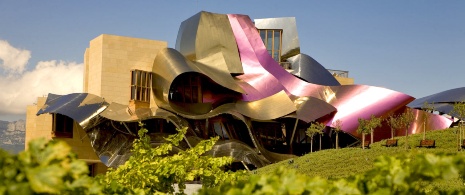
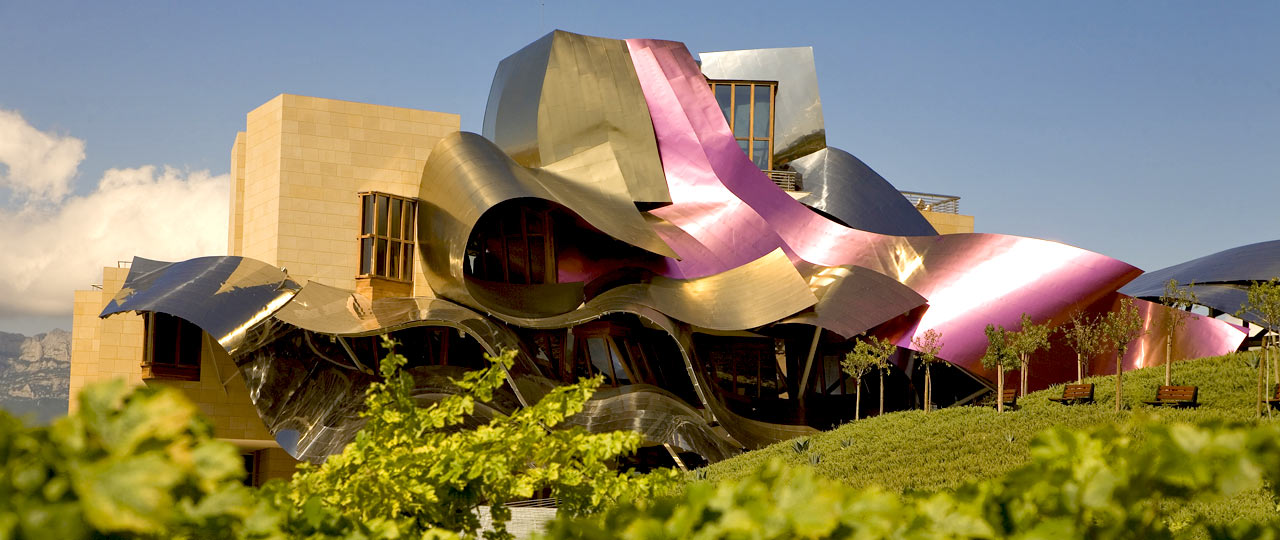
In Elciego (Álava) the sinuous forms of the building created by Frank Gehry rise up. Covered in titanium, the architect wanted to tint it with the pink, gold and silver colours representative of Marqués de Riscal. A visit to the winery becomes a truly captivating experience at this complex, which includes a luxury hotel, a vinotherapy spa, a convention centre and two restaurants overseen by chef Francis Paniego.
-
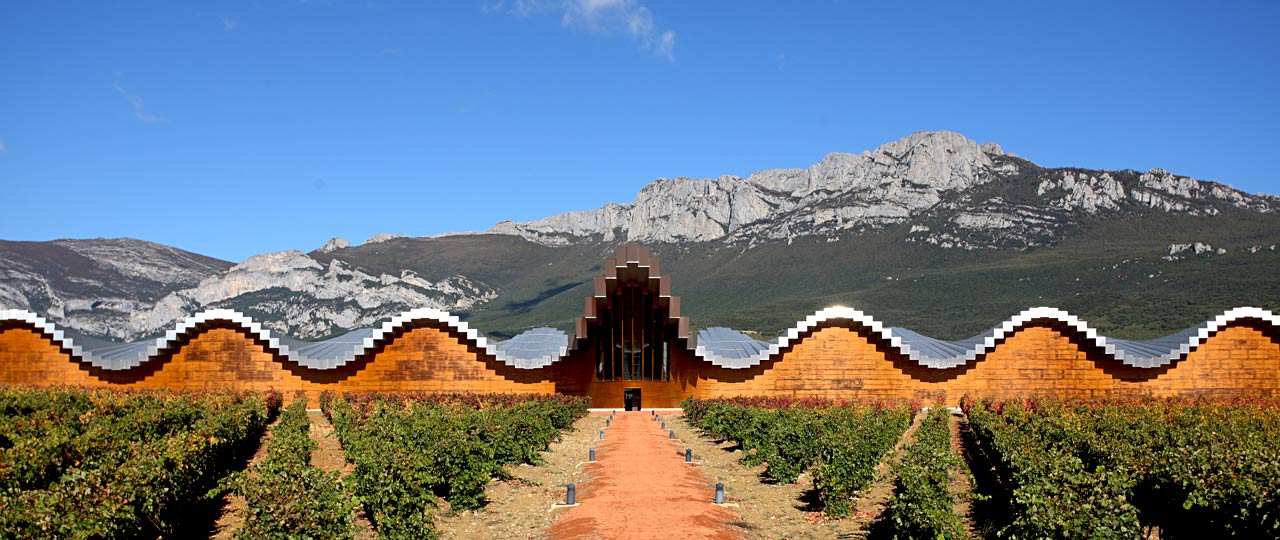
Ysios, in honour of Isis and Osiris
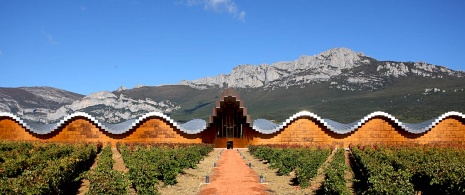
On the outskirts of Laguardia (Álava) with the Cantabrian Mountains as a backdrop, we find the striking silhouette of the Ysios winery. Founded in 2001, it takes its name from the gods who, according to Egyptian mythology, taught humanity the cultivation of the vine. Santiago Calatrava was inspired by a row of barrels to design the spectacular roof of this winery which, seen from above, has the shape of a wine glass.
-
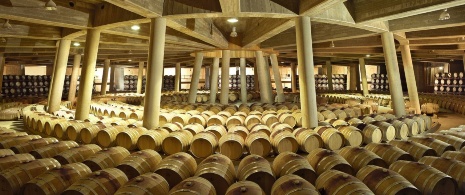
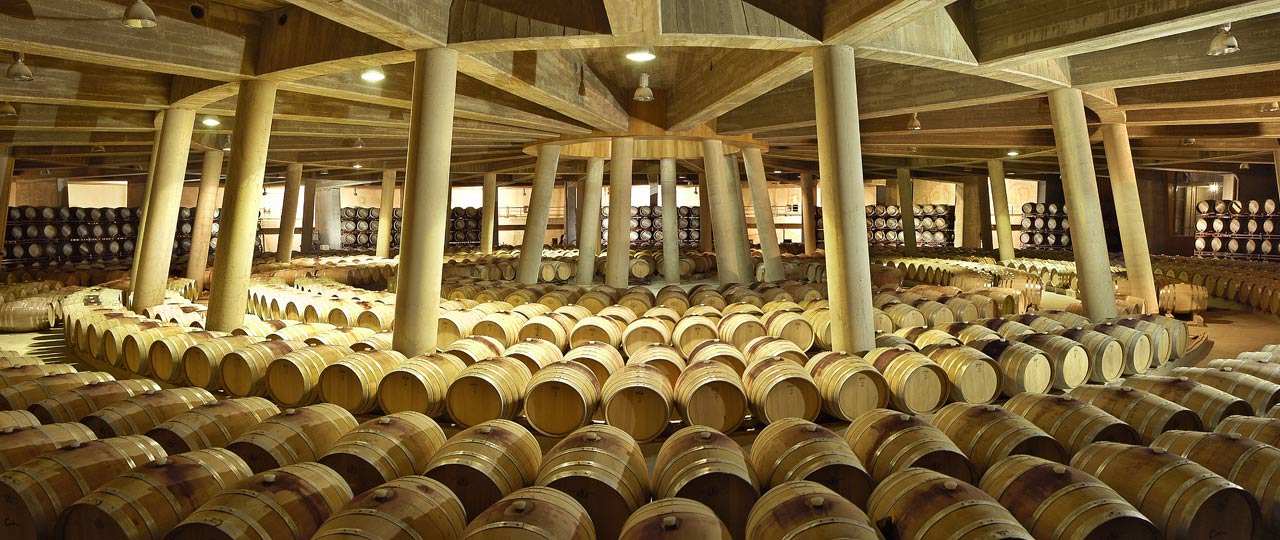
Viña Real, a unique barrel
Also in Laguardia, you can discover this large vat-shaped building designed by Philippe Mazières. Built of concrete, cedar wood and stainless steel on Cerro de la Mesa, the caves where the wine is stored are carved into the rock, taking advantage of the unique terrain. Its wine tourism offerings also include workshops and creative activities for children, all themed around the world of wine.
-
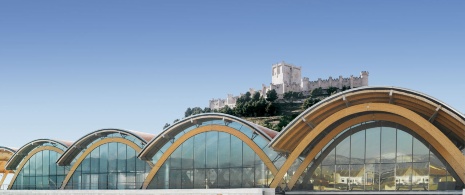
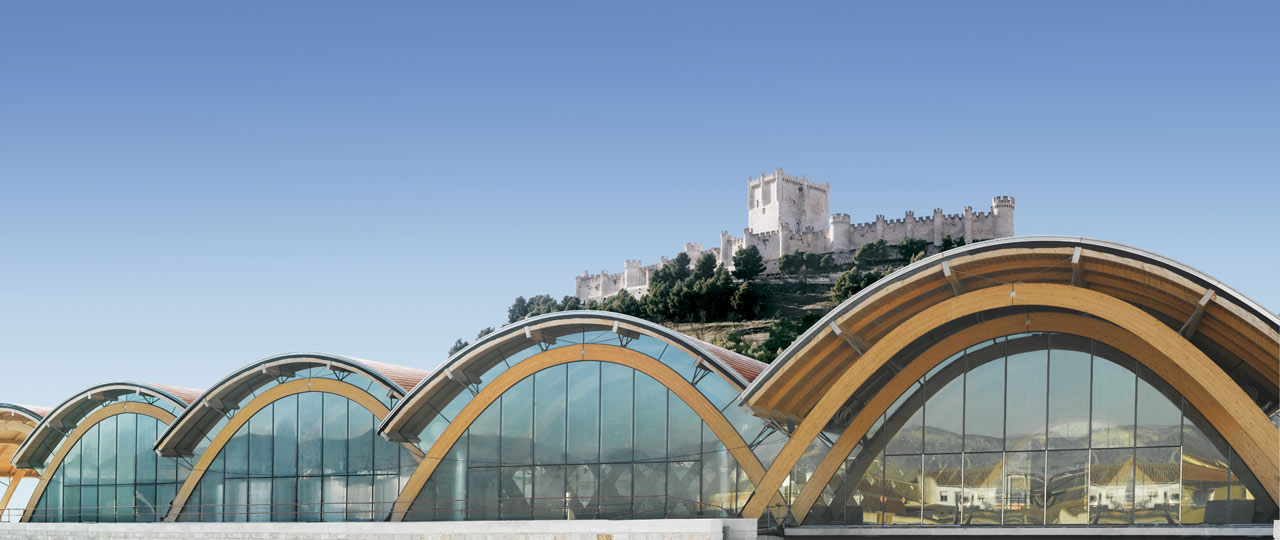
Protos, the first in the Ribera del Duero region
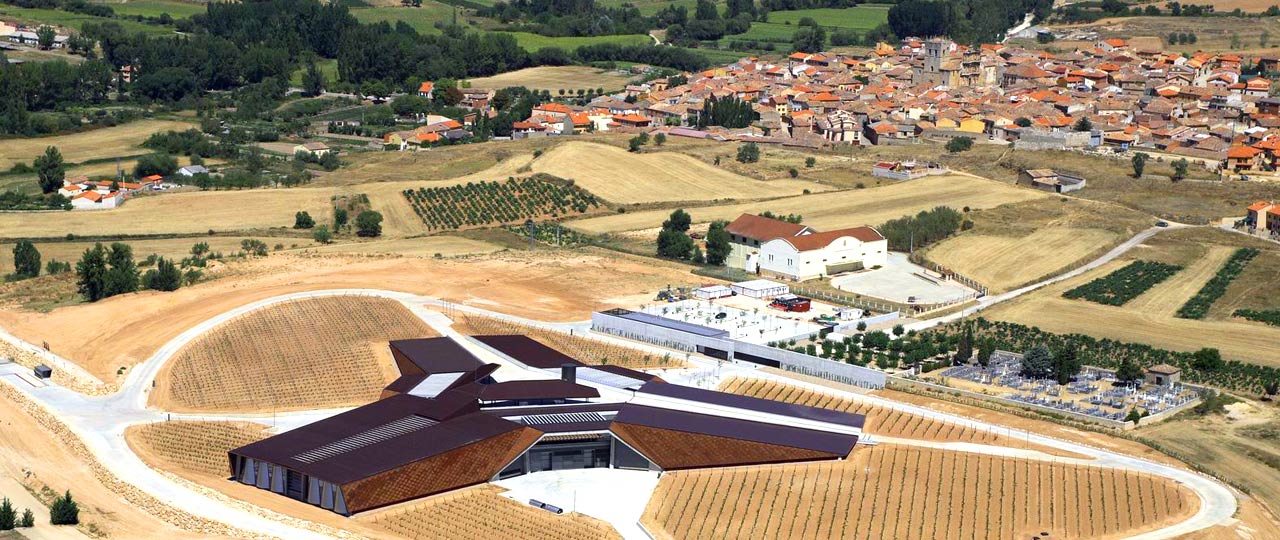
At the foot of the hill of Peñafiel Castle (Valladolid), in the heart of the Ribera del Duero, we find the striking roofs designed by Richard Rogers. Protos' modern facilities reinterpret the traditional architecture of the wineries in the area, with a structure and materials that improve performance, minimise energy consumption and reduce environmental impact. The tour also includes the old underground cellars that extend deep into the mountain.
-
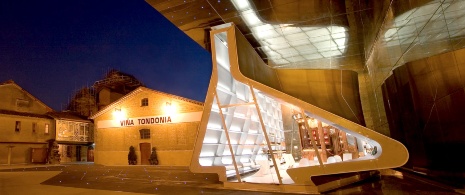
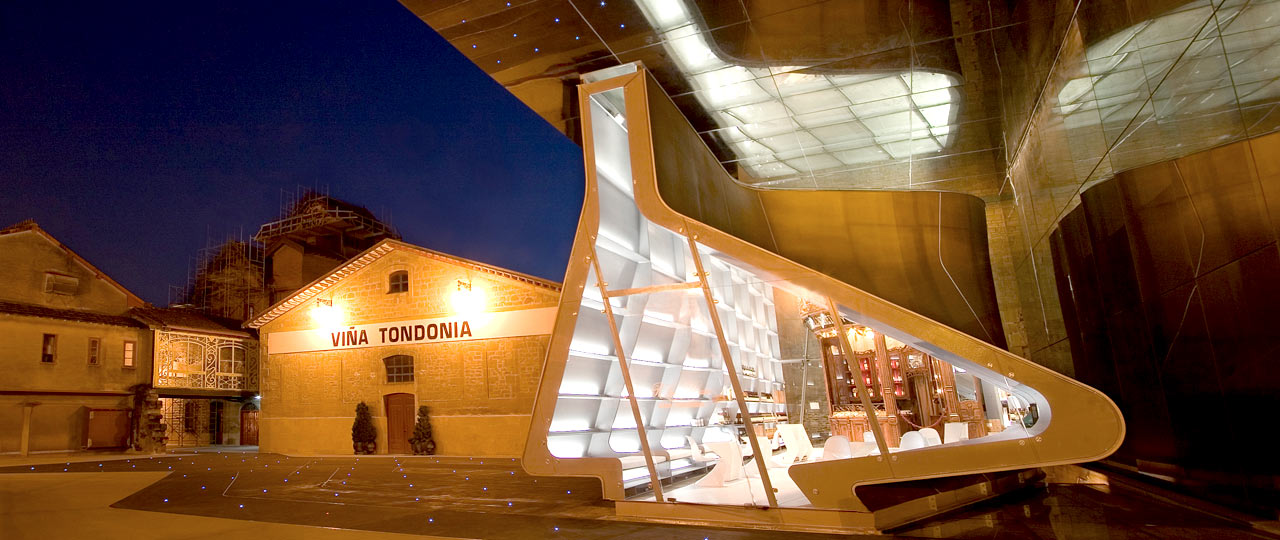
López de Heredia: Zaha Hadid's decanter
The López de Heredia wineries are the oldest in Haro and one of the first three to exist in La Rioja. To mark its 125th anniversary, Zaha Hadid designed a sculptural roof for the modernist stand with which the winery participated in the 1910 Brussels World's Fair. The project was permanently integrated as an annex building that houses the tasting rooms and the shop.
-
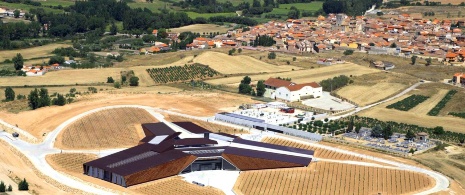
Portia, a three-pointed star
The winery designed by Norman Foster for the Faustino Group is located in Gumiel de Izán (Burgos), in the Ribera del Duero region. It is an enormous star-shaped structure that appears to emerge from the ground. Constructed of concrete, oak, steel and glass, each of the arms is dedicated to a phase of winemaking: fermentation, ageing and bottle maturation.
-
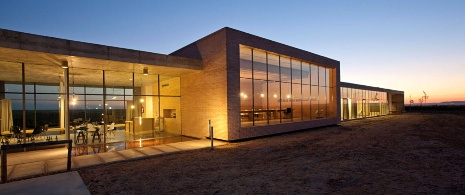
Finca Montepedroso, sustainable viticulture
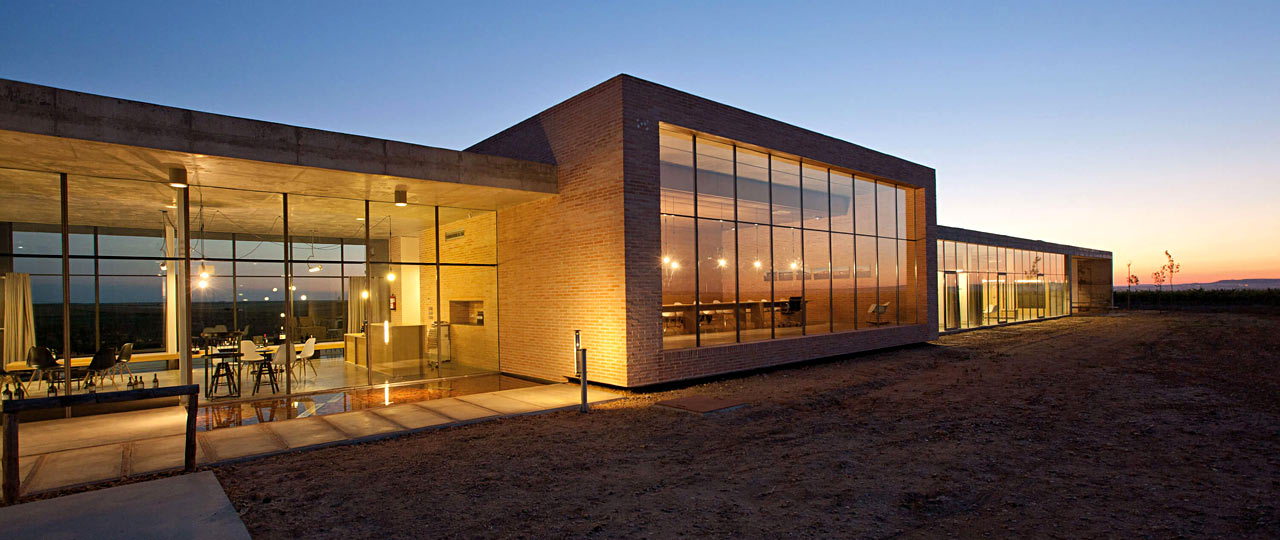
For the construction of their winery in Rueda (Valladolid), the Martínez Bujanda family imposed several conditions on the architects: the use of clean materials, typical of the area, and energy efficiency. The result: a contemporary building that blends harmoniously into the landscape and where respect for the environment is paramount.
-
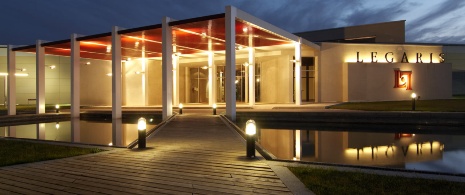
Legaris, open to nature
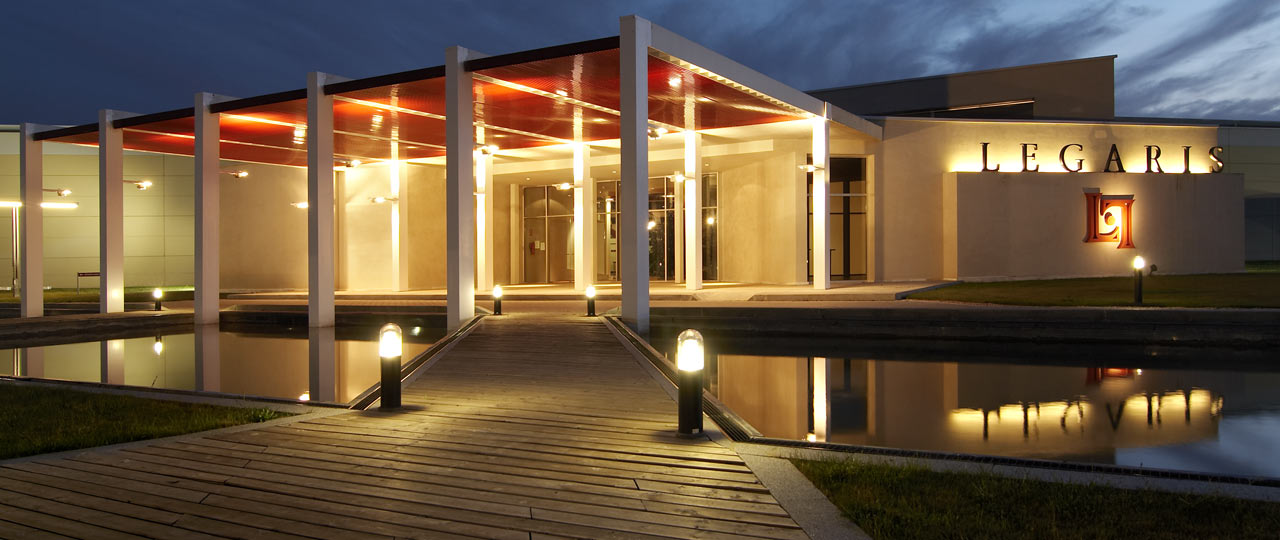
Domingo Triay is responsible for the minimalist architecture of these wineries located in Curiel de Duero (Valladolid). Its large windows maximise natural light and create a feeling of complete integration with nature. In spring, visits to the winery and its vineyards include the opportunity to enjoy a Ribera del Duerowine tasting on the terrace at sunset, with fabulous views of Peñafiel Castle as a backdrop.
-
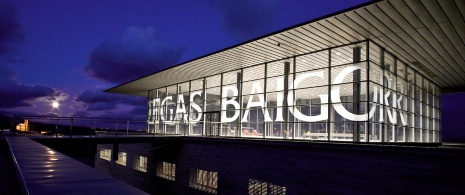
Baigorri, the glass box
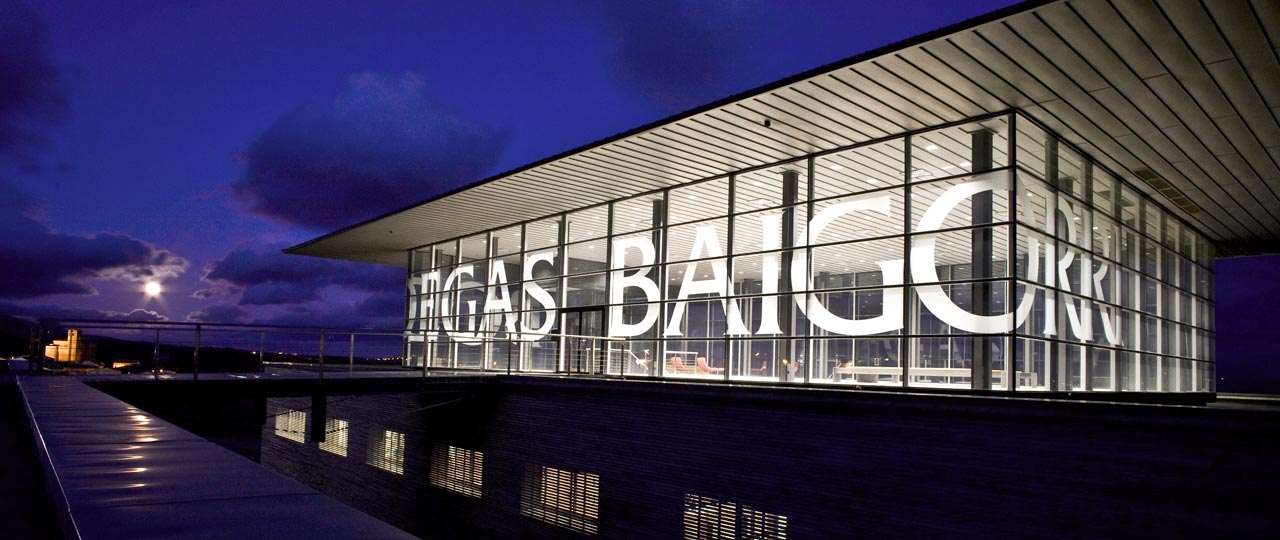
Iñaki Aspiazu designed wineries in Samaniego (Álava) that adapt to the topography to intervene in the production process. Most of the facilities are underground, allowing gravity to work its magic in the different stages of winemaking, which take place vertically. Outside, a large glass structure welcomes visitors, offering a spectacular panoramic view of the surrounding vineyards before the tour begins.



Book yours
Choose between thousands of activities to live your best life on holiday.