Cycling tourism: three EuroVelo routes for discovering Spain by bike
Would you like to discover Spain by bike? Well, you ought to know that three of the EuroVelo cycle routes connecting Europe pass through here. The Atlantic route (EuroVelo 1) which crosses the Iberian Peninsula from north to south; the Pilgrims' route (EuroVelo 3) which runs along the historic French Way of Saint James, and the Mediterranean route (EuroVelo 8) which runs along the entire coastline of the Spanish Levante. In total, almost 4,400 kilometres at your disposal to plan an unforgettable journey on two wheels.Sustainable cycle tourism is a reality thanks to the EuroVelo network, which guarantees safe and accessible cycle routes that are well signposted. Furthermore, the routes are designed for cyclists of all levels and for all types of bicycles. The planning even envisages connections with railway lines, to facilitate the combined use of bicycle and train.With spain.info you can discover the extraordinary cultural and natural heritage of Spain that awaits you on these three EuroVelo routes!
-
EuroVelo 1: Atlantic Coast Route
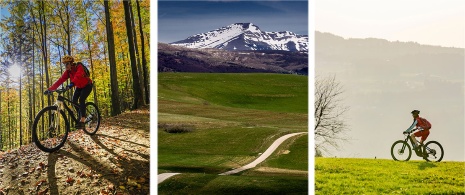
Stages: 30Kilometres: 1,685 (Irún - Ayamonte)Cumulative elevation gain: 1,468 metres, stage 25 (El Real de la Jara - Puerto Moral)Places of interest: Irún, forests of Navarre, Santo Domingo de la Calzada, Atapuerca archaeological site, Burgos, Salamanca, Cáceres old town, Riotinto mines.Cultural routes: French Way of Saint James; Canal of Castile, Silver Route.Regions: Basque Country, Navarre, La Rioja, Castile and León, Extremadura and Andalusia. Do you dare to cross Spain from north to south? The adventure begins in Irún, near the border with France, and continues through Navarre and its Bertiz Natural Park. Once in La Rioja, and after visiting the capital, Logroño, the beautiful medieval streets of Santo Domingo de la Calzada, in the heart of the French Way of Saint James,await you. Another historical itinerary waiting to be discovered is is the Canal of Castile, which follows the course of the Duero River. In the city of Burgos, it is worth making a stop at its impressive Gothic cathedral, which has been declared a World Heritage Site, as well as the imposing archaeological site of Atapuerca. Before reaching the emblematic university city of Salamanca, you will have the opportunity to admire the Romanesque art of Frómista in Palencia, and other noteworthy cities in the region such as Valladolid and Zamora.In the region of Extremadura you have one of the most spectacular old towns in Spain, that of Cáceres, also a UNESCO World Heritage Site. You will share part of your route with the historic Via de la Plata (Silver Route), which also crosses Spain from south to north and can be done by bicycle. You will be captivated by the ochre palette of the bucolic Riotinto Mining Park, in the province of Huelva. After passing through the city of Huelva, you will reach your destination in Ayamonte, a charming fishing village on the border with Portugal.More information
-
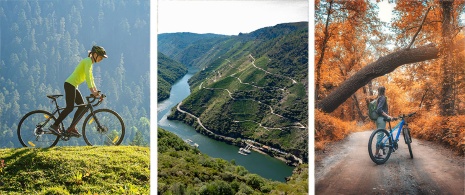
EuroVelo 3: Pilgrims' Route
Stages: 21Kilometres: 980 (Organbide - Cape Fisterra)Cumulative elevation gain: 1,876 metres, stage 16 (Piedrafita do Cebreiro - Sarria)Places of interest: Roncesvalles, Pamplona, Estella-Lizarra, Santo Domingo de la Calzada, Burgos Cathedral, Carrión de los Condes, León, Astorga, Ponferrada and Santiago de Compostela.Cultural routes: French Way of Saint James and the Way of Saint James of Fisterra and Muxía.Regions: Navarre, La Rioja, Castile and León and Galicia. The Spanish section of the EuroVelo 3 largely coincides with the French Way of Saint James, from an iconic point such as the monumental collegiate church of Roncesvalles, on the border of the Pyrenees. The first section of the route passes through beautiful Navarre scenery, the elegant town of Estella-Lizarra and the city of Pamplona. The route takes in the deep-rooted wine culture and the impressive vineyards and wineries of La Rioja, as well as places of great artistic wealth such as Santo Domingo de la Calzada. You can explore other historic cities such as Burgos and León, both with impressive Gothic cathedrals, and many other interesting towns such as Frómista, Carrión de los Condes, Astorga and its Gaudí Palace or Ponferrada, capital of the Bierzo region. Once in Galicia, and before reaching the pilgrim city par excellence and World Heritage Site of Santiago de Compostela, you will visit, among others, charming towns and village, such as Piedrafita del Cebrero and Sarria. The route continues over three more stages, from Plaza del Obradoiro square to Cape Fisterra. This section coincides with the additional pilgrimage of the Way of Saint James of Fisterra and Muxía that ventures into the imposing Costa da Morte.More information
-
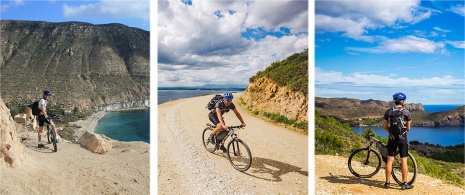
EuroVelo 8: Mediterranean Route
Stages: 43Kilometres: 1,700 (Cádiz - La Junquera)Cumulative elevation gain: 869 metres, stage 24 (Alicante - Castalla)Places of interest: Cádiz, Doñana National Park, Costa del Sol, Cabo de Gata-Níjar Natural Park, Almería, Cartagena, Albufera Natural Park, Valencia, Sierra de Irta, Ebro Delta, Tarragona, San Felíu de Guixols.Nature routes: Málaga Coastal Path, Camí de Ronda.Regions: Andalusia, Murcia, Region of Valencia and Catalonia.If you choose the EuroVelo 8 route you will be able to discover more than 500 fascinating corners of the Spanish Mediterranean coast. This is the longest of the three routes in Spain.The challenge starts in the ancient city of Cádiz, which has a great cultural legacy. Next, and coinciding with some points of Málaga’s Coastal Path, you will encounter the beaches of Marbella, Fuengirola and Málaga, capital of the dazzling Costa del Sol. Once you cross the coast of Granada you will reach Almería, with the Cabo de Gata-Níjar Biosphere Reserve and Nature Reserve and the Punta Entinas-Sabinar Nature Reserve as its main attractions. In the region of Murcia you can admire the impressive Roman legacy preserved in Cartagena and see flamingos in the Salinas de San Pedro del Pinatar Nature Reserve. After visiting Alicante and Elche, as well as the cosmopolitan city of Valencia, the Albufera Natural Park is another must-see location. Sagunto and Castellón de la Plana are other enclaves that await you before reaching the amazing natural landscape of the Ebro Delta. In Tarragona you will be impressed by its Roman ruins. The cycling version of the Camí de Ronda hiking trail that runs parallel to the Girona coastline will take you to towns such as San Felíu de Guixols and L'Escala, the pure essence of the Costa Brava.More information
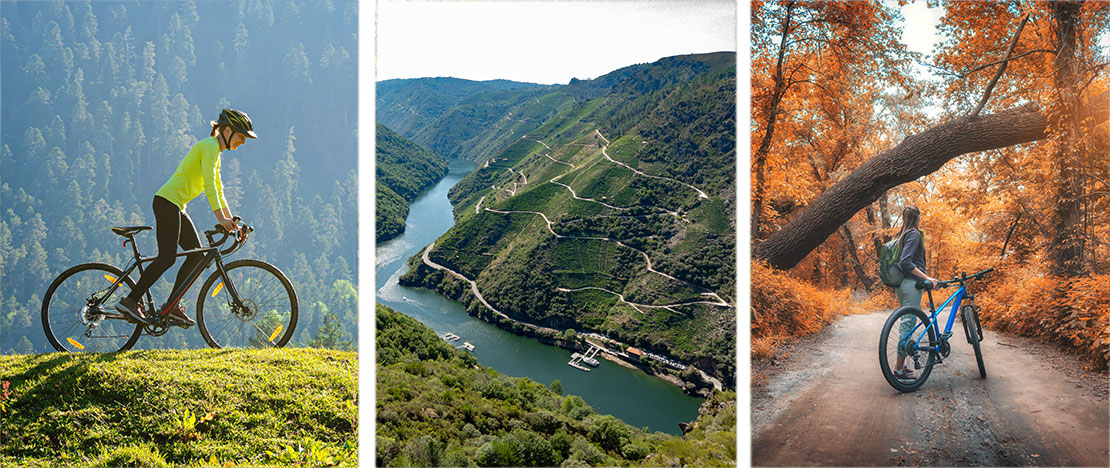
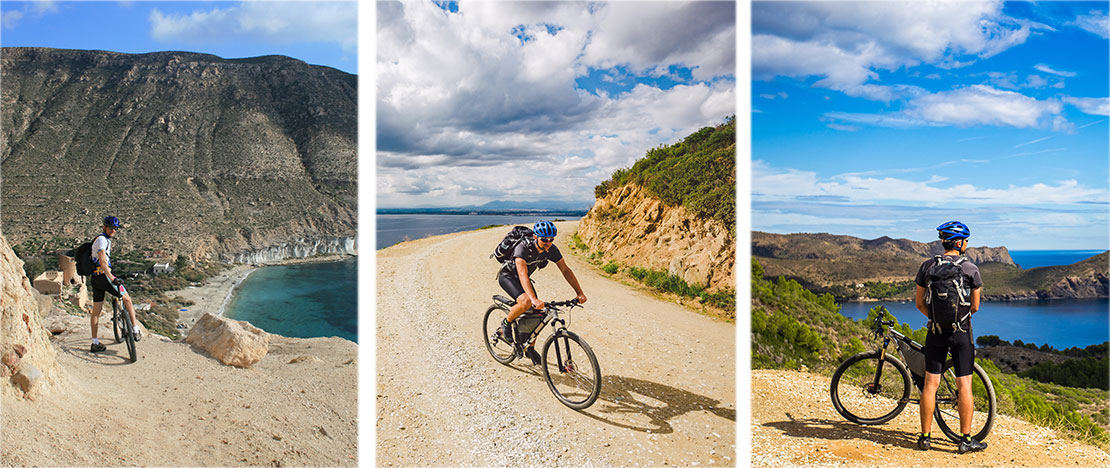
Spain is a real paradise for cycling tourism, you can check it out at spain.info, where you will find all the information you need to organise your tailor-made trip.


Book yours
Choose between thousands of activities to live your best life on holiday.