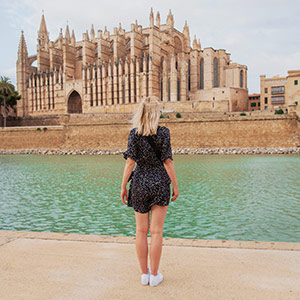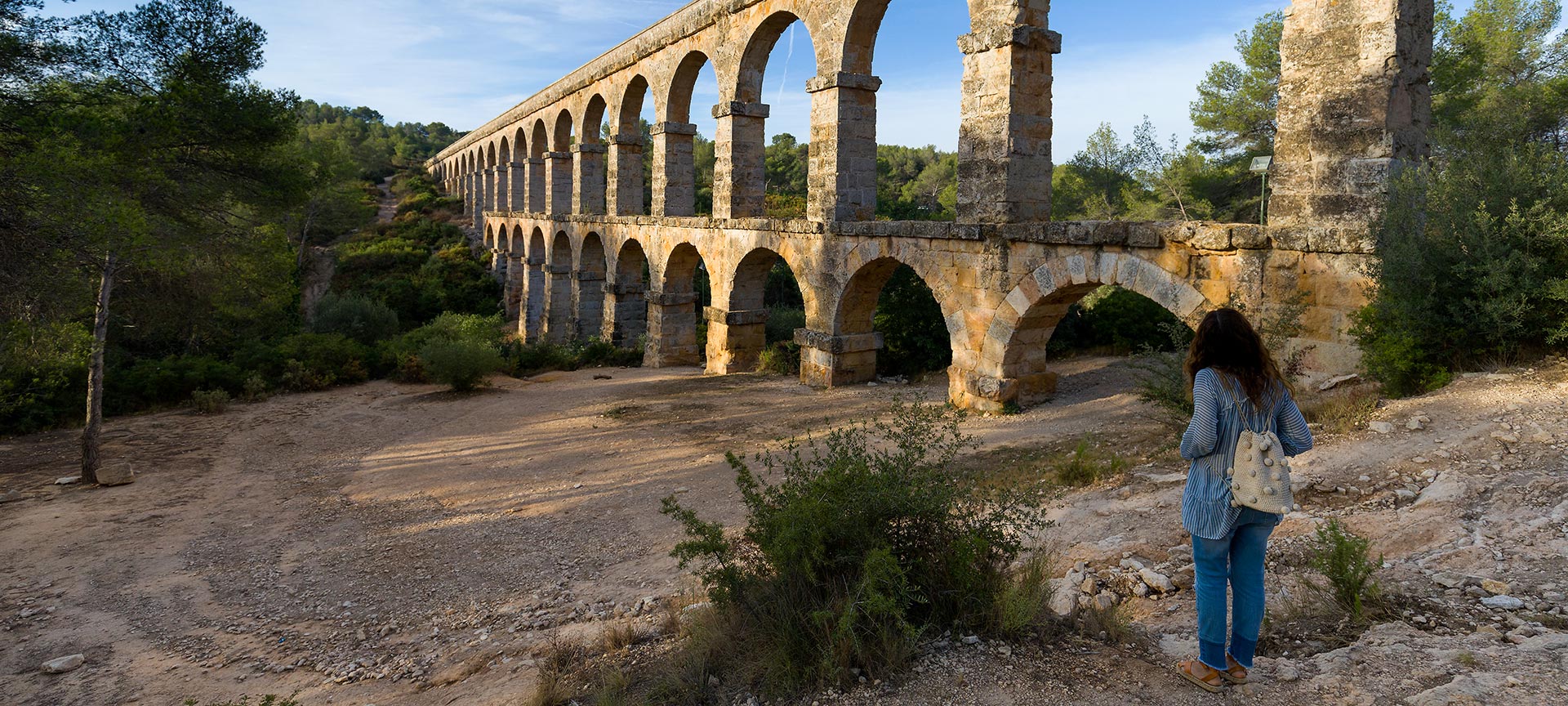
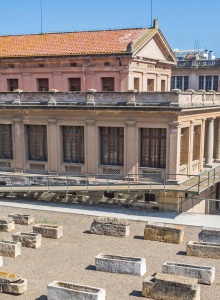
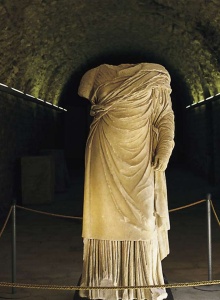
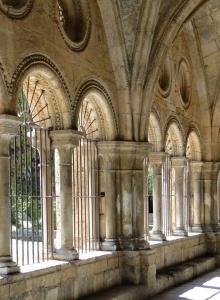
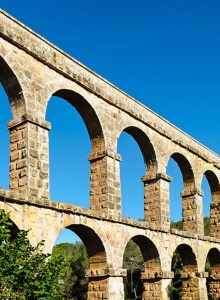
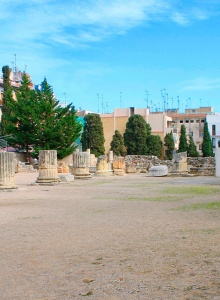
In Tarragona, declared a World Heritage City, history steps out of the books and comes to life around every corner.
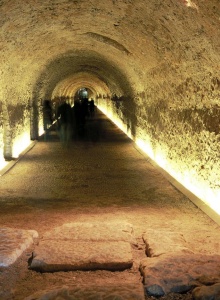
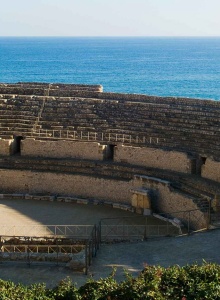
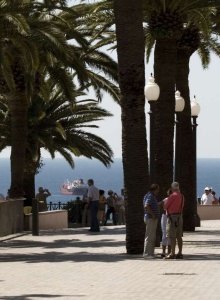
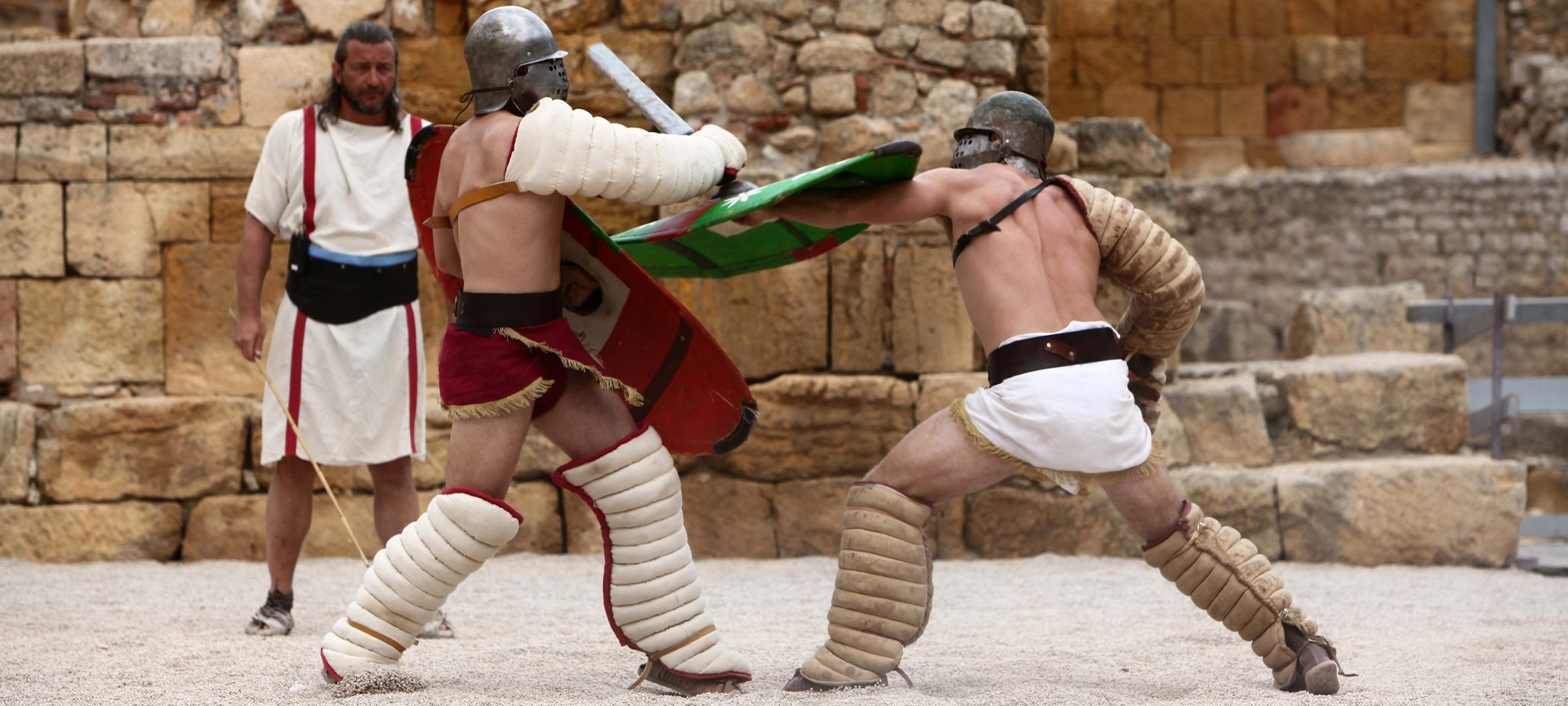
The city specialises in historical re-enactments that bring the Roman era back to life, featuring shows in key landmarks such as the amphitheatre and the Roman circus. Add to this its exceptional location on the Costa Daurada on the Mediterranean sea, its delicious local cuisine and its festivities and popular traditions, and you have the capital of the Costa Dorada: Tarragona.

What to visit
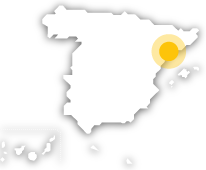
Select from the list or hover over the map to find out about points of interest.
What to visit
Select from the list or hover over the map to find out about points of interest.

Other ideas for your trip
Five great road trips through Catalonia
Five ways to explore Catalonia on a road trip. All these routes combine culture, nature and great food and can be completed in four or five days.
Read more
Routes along the Catalan coast and Pyrenees
We recommend a trip to a side of Catalonia that combines nature and culture particularly well.…
Read more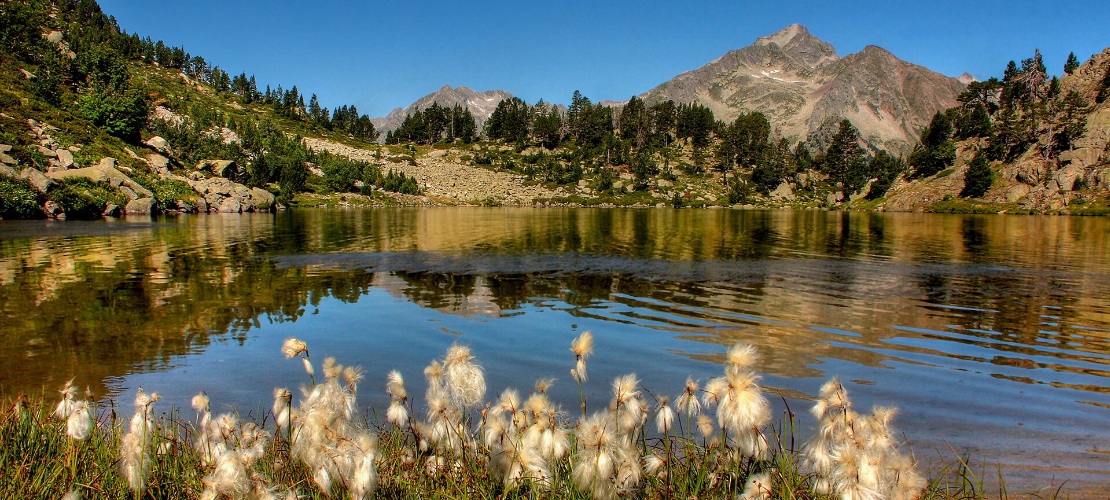
Heritage cities
Visiting Spain brings you into direct contact with the history of its civilizations.…
Read more
What to do in Tarragona: tips for exploring the capital of the Costa Daurada in Catalonia
Tarragona is famous for its history. The city of Tarraco was established by the Romans over 2000 years ago. In the year 218 BC to be exact.…
Read more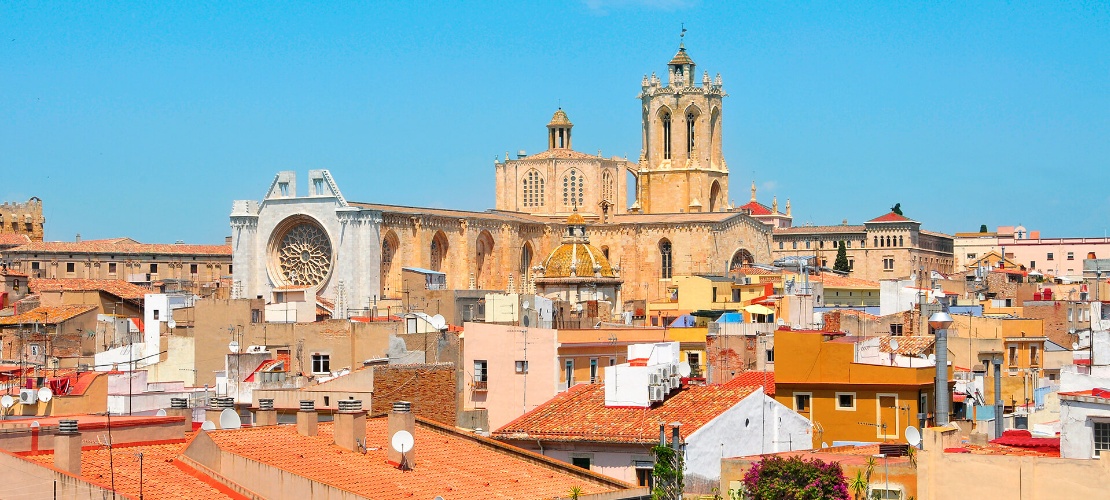


How to get there - transport information
Select the means of transport to see how to get there or how to get around at your destination.
How to get to aeroplane
-
Barcelona AirportIt is about 80 kilometres from Tarragona, around an hour’s drive.The quickest way to get to Tarragona by public transport is the direct bus from the airport, which takes about an hour. Another option is to go to Sants Station in Barcelona (a Cercanías Barcelona commuter train takes you directly from the airport in about 20 minutes) and take the regional train(Renfe), which connects the two cities, and takes about an hour and a half. Alternatively, you can take a high-speed train to Camp de Tarragona station and continue from there by bus to the city centre.More information
-
Reus AirportIt is situated about 12 kilometres from Tarragona, less than 15 minutes’ drive away, and offers seasonal flights.By public transport, the no. 50 Bus connects the airport with the city (10 minutes). Another bus connects Reus with Tarragona in about 30 minutes. There is also a regional train service between the two cities.Reus airport has direct connections with the United Kingdom and operates charter flights. More information
How to get to train
-
The Tarragona railway station is situated in the city centre. Long-distance connections (Valencia, Andalusia, Madrid and France) and nearby destinations (Barcelona, Tortosa, Reus and Lleida)
-
The Camp de Tarragona high-speed train station is situated about 10 kilometres from Tarragona, around 15 minutes’ drive by car or taxi and about 20–25 minutes on the special bus. Direct connections by high-speed AVE train to Barcelona, Lleida, Figueres, Zaragoza, Madrid, Málaga, Córdoba and Seville.
How to get to bus
-
Tarragona bus station is located very close to the city centre, just 1.5 kilometres from the cathedral (a 20-minute walk).
-
It is served by national, inter-provincial and provincial routes, but also by Tarragona’s city buses, so you can travel from here to other parts of the city.
How to get there by road
-
From Barcelona, via the AP-7 and the N-340.
-
From Madrid, via the A-2 and AP-2 roads.
-
Find out here where to park in Tarragona.
How to get to boat
-
The port of Tarragona is close to the centre and has a cruise terminal, the Tarragona Cruise Port. The city's cathedral can be reached from the port in about 30 minutes on foot.
-
There is a free shuttle bus from the Port’s Welcome Centre to the quay. There are also taxi ranks and bus stops nearby.More information
-
In Tarragona, you’ll also find Puerto Tarraco (a modern marina) and the marina Nautic Tarragona.
How to get around in bus
-
Many of the EMT (Tarragona Municipal Transport Company) city bus routes depart from Plaza Imperial Tarraco, connecting the city centre with its neighbourhoods, beaches and other places of interest.
-
Most of the city bus routes in Tarragona operate between 6.00 am and 11.00 pm.
-
There are night buses on Saturdays, Sundays, and public holidays.
How to get around in other means of transport
-
The taxis in Tarragona are white with a diagonal orange stripe. There are various taxi companies which you can look up on the Tarragona tourism website.
-
There is a tourist train which makes a circuit around the historic centre.
Excursions to nearby destinations
Terres de l'Ebre Biosphere Reserve
Distance from Tarragona 100kmThe reserve is a natural environment that is home of many ecosystems runnin...
See more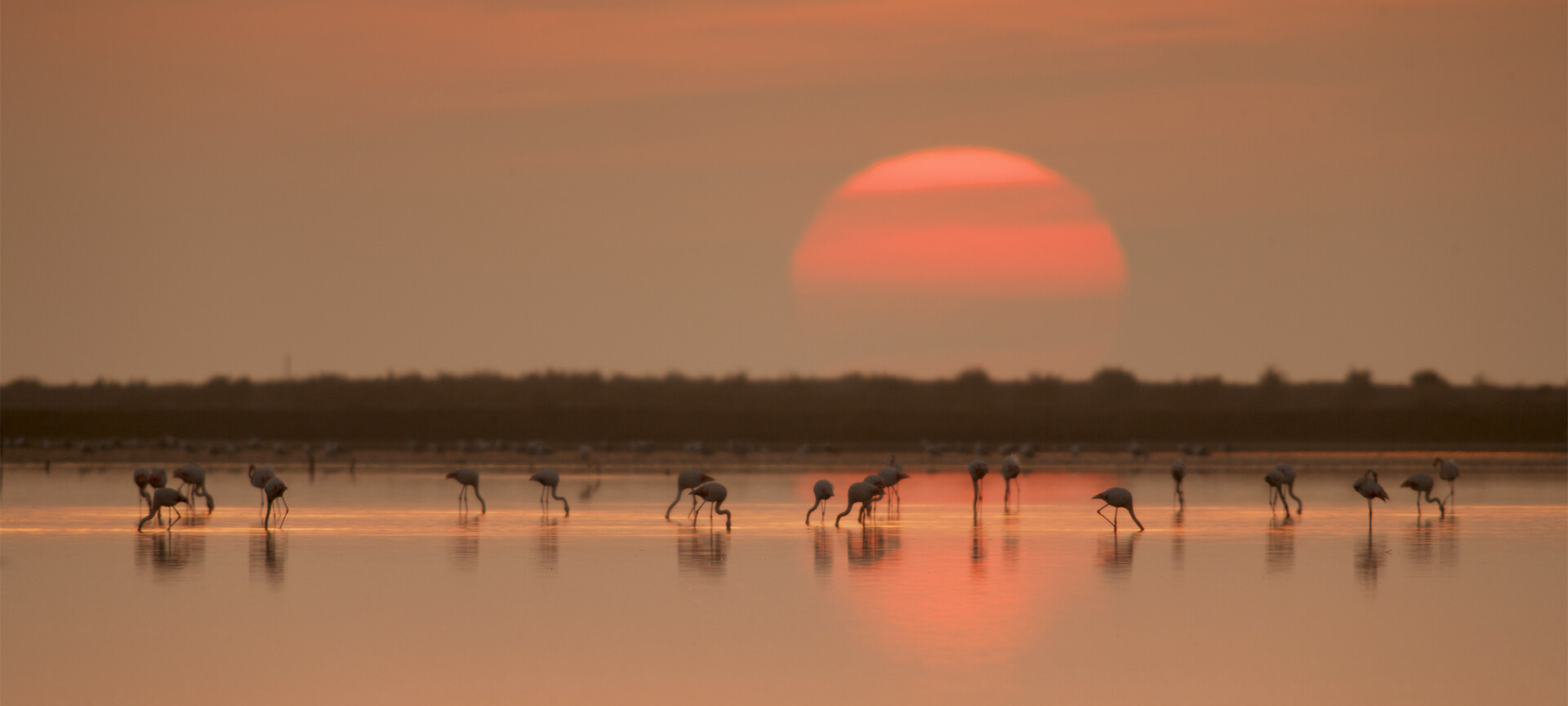
Excursions to nearby destinations
Montblanc
Distance from Tarragona 40kmMontblanc is located in the Prades Mountains, which are certified with the ...
See more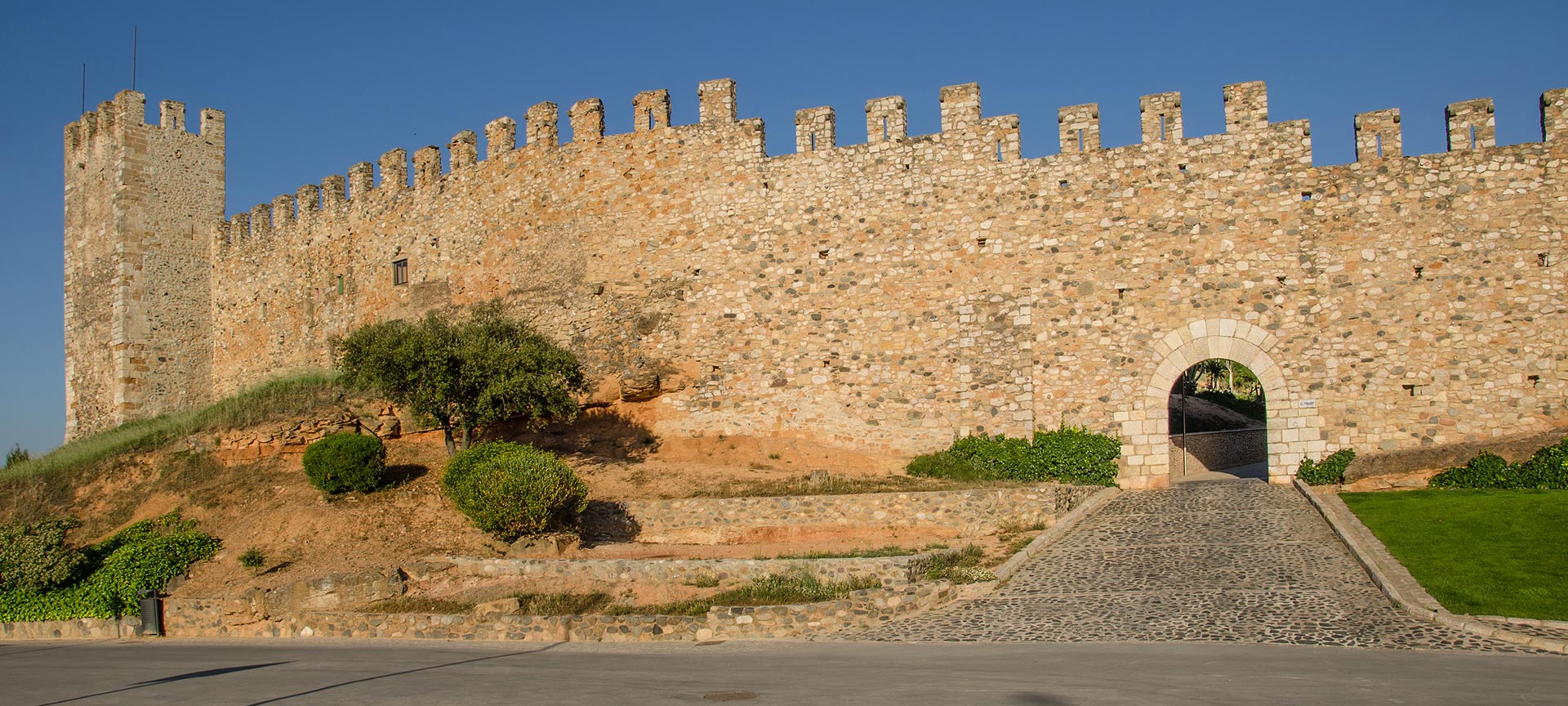
Excursions to nearby destinations
Reus
Distance from Tarragona 15kmReus is not only the birthplace of Gaudí and one of the most culturally act...
See more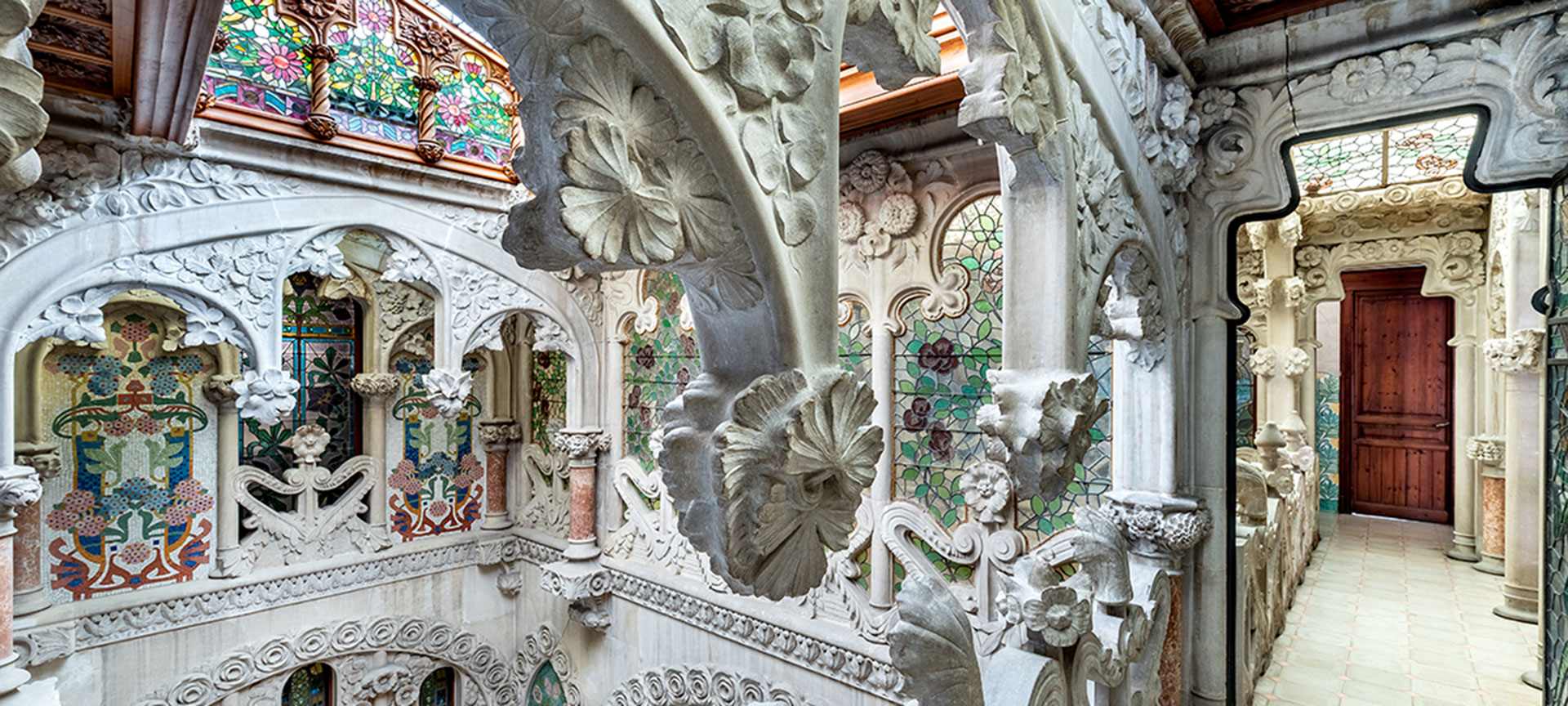
Excursions to nearby destinations
Salou
Distance from Tarragona 15kmSalou has become, through its own merit, one of the main tourist centres on...
See more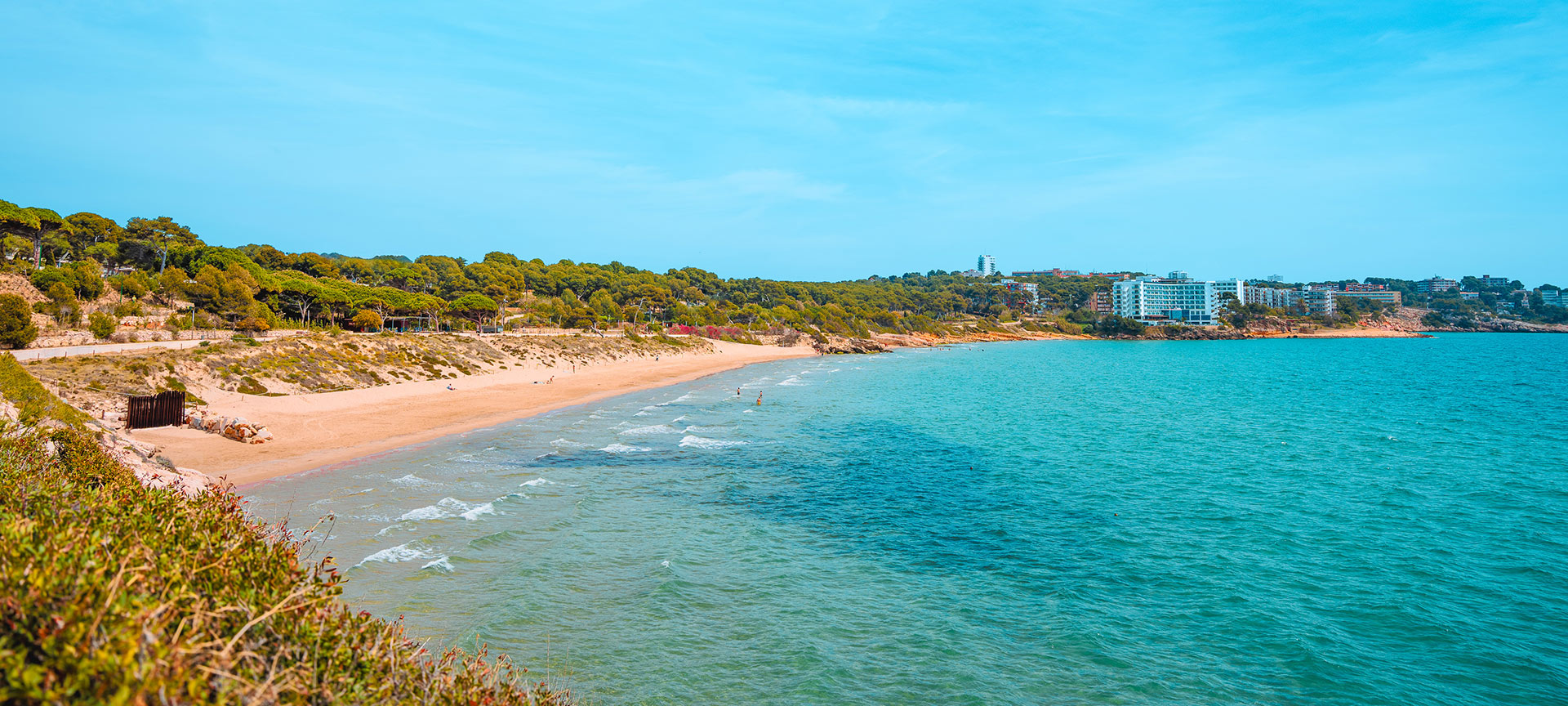
Excursions to nearby destinations
Sitges
Distance from Tarragona 65kmLocated between the sea and the mountains, the city of Sitges (which belong...
See more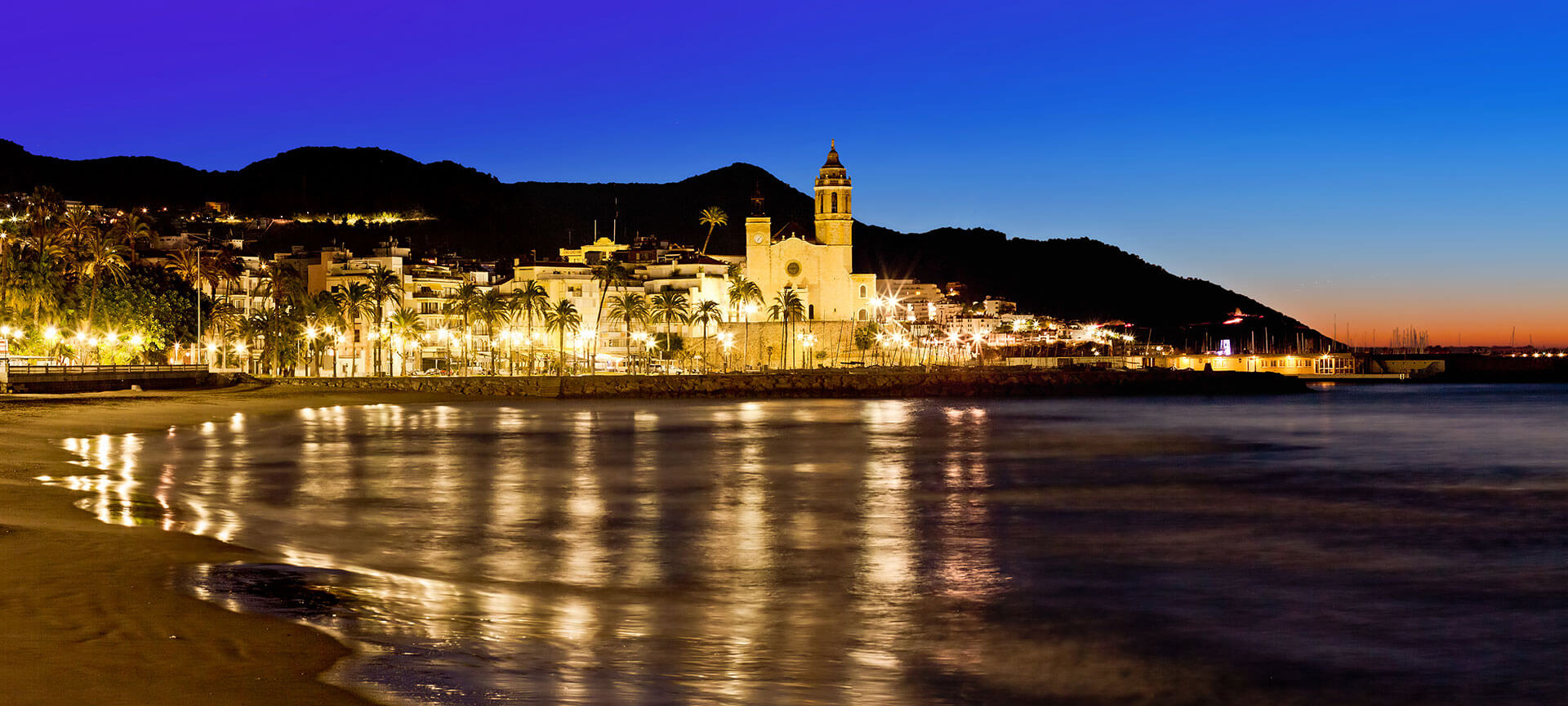
Excursions to nearby destinations
Valencia
Distance from Tarragona 250kmA place full of contrasts awaits the visitor with a charming old town next ...
See more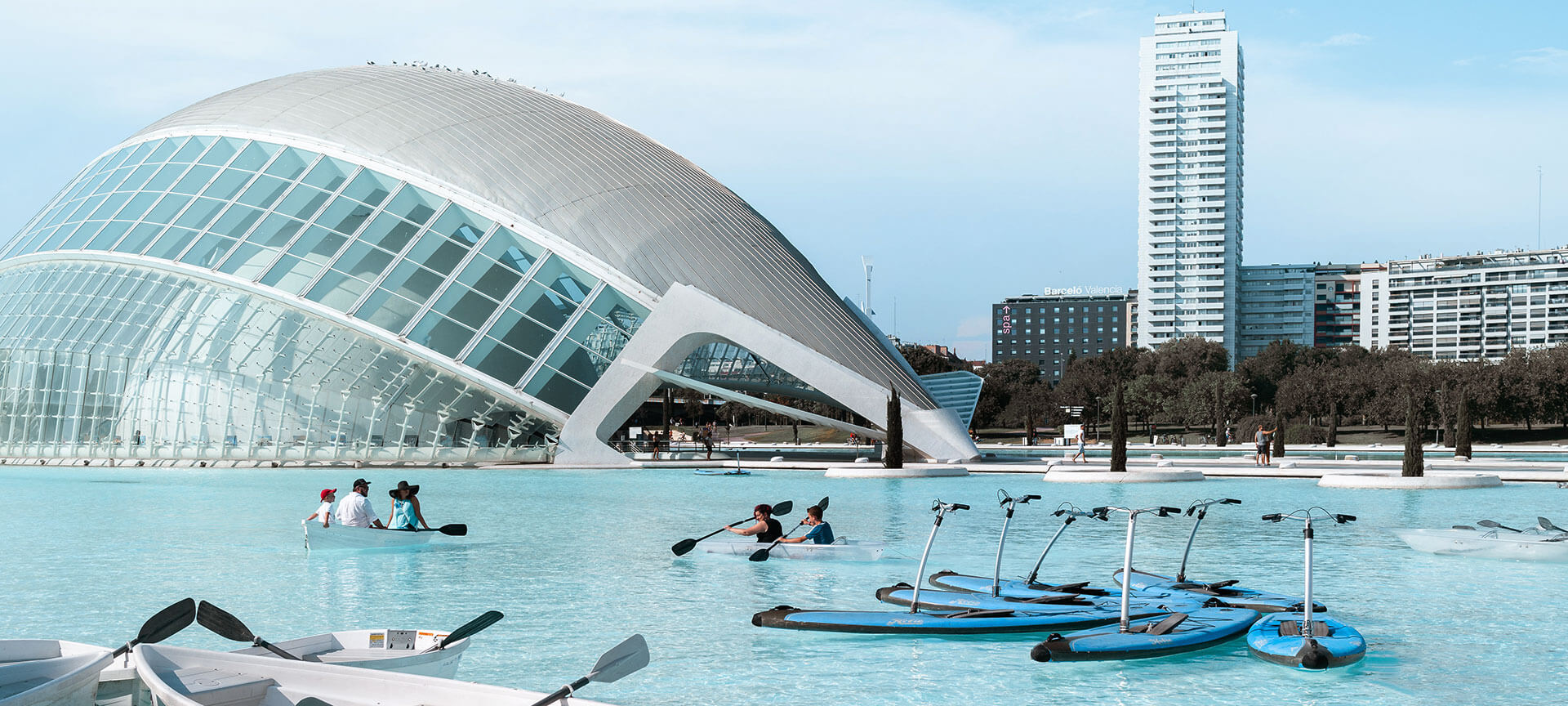
Excursions to nearby destinations
Barcelona
Distance from Tarragona 100kmBarcelona is a city with a wide range of original leisure options that enco...
See more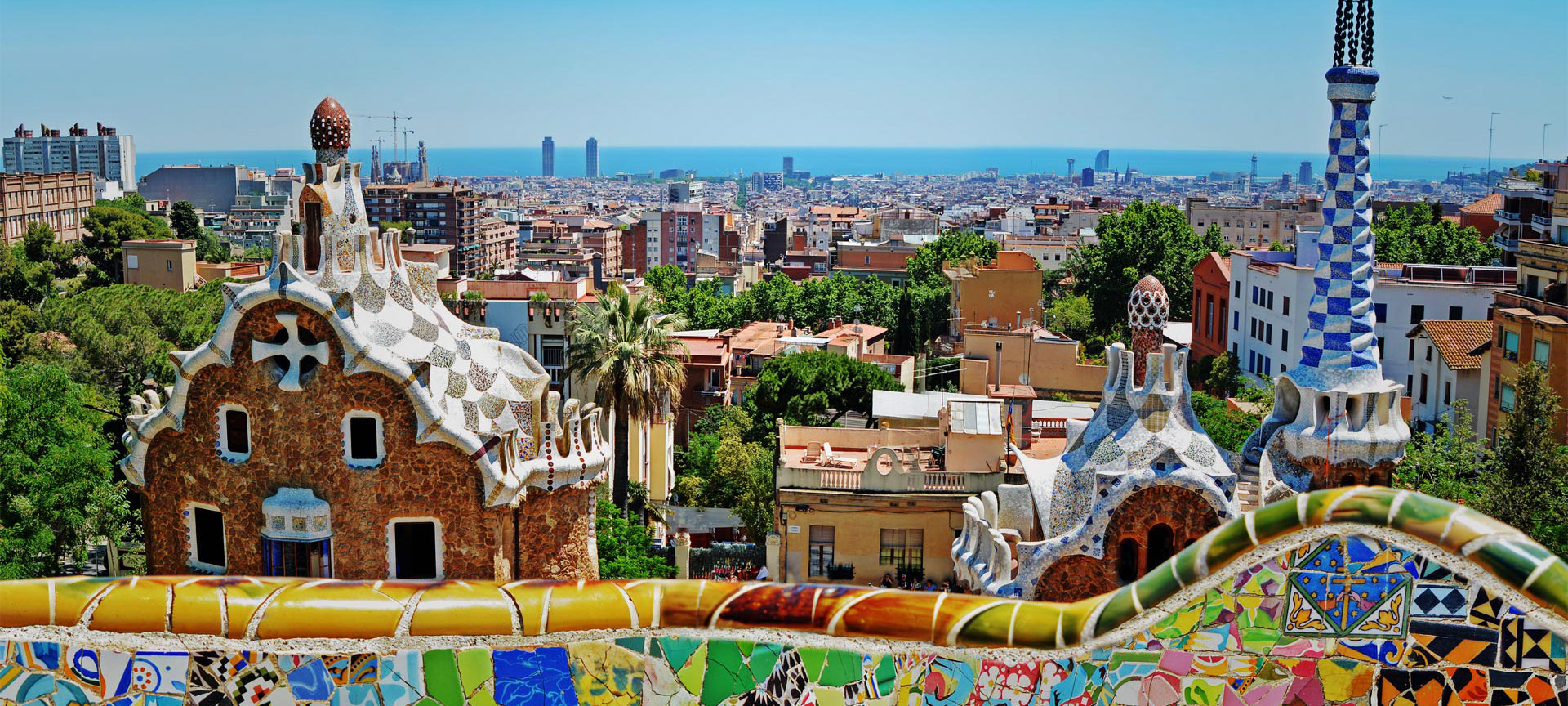
Excursions to nearby destinations
Costa Brava
Distance from Tarragona 250kmCoves of deep blue sea, beaches of golden sand, natural parks, medieval tow...
See more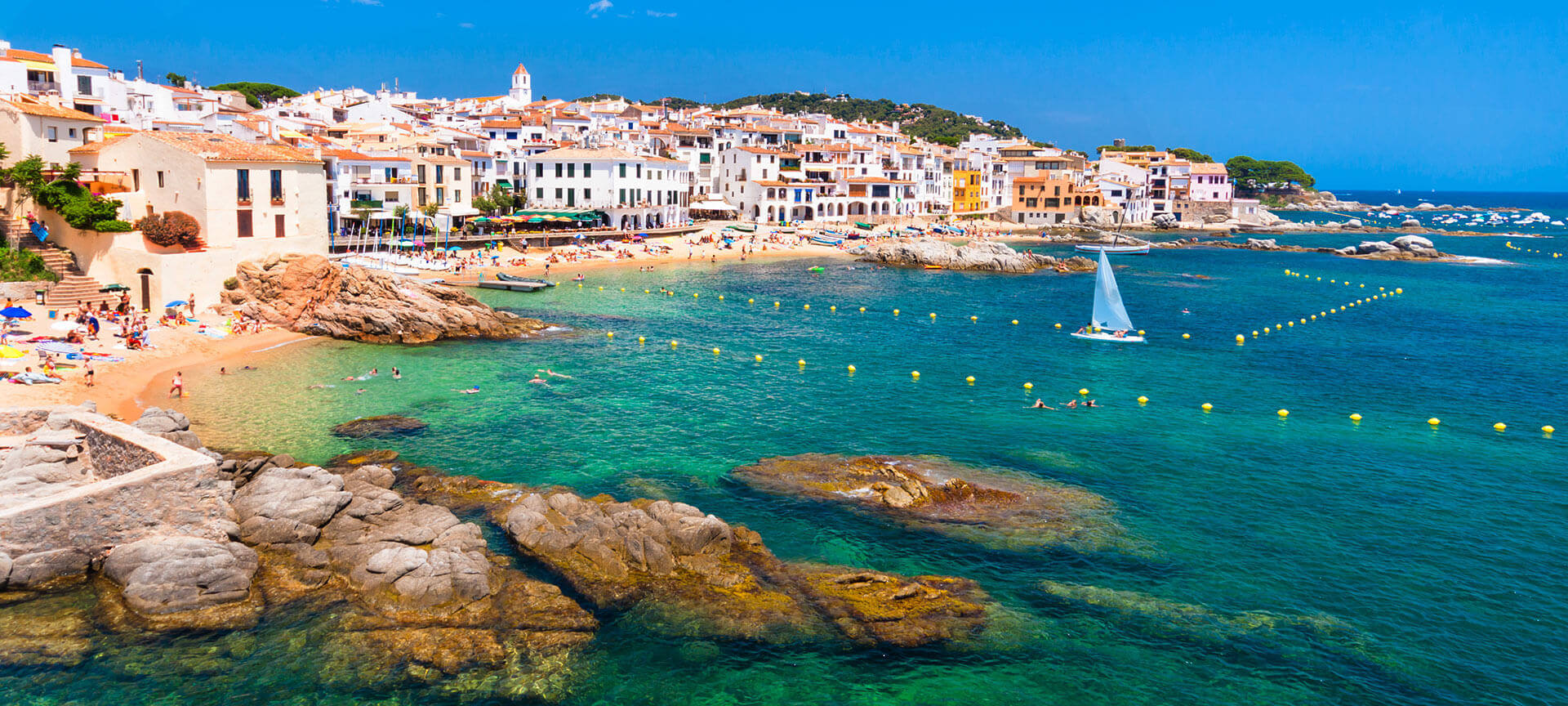
Excursions to nearby destinations
PortAventura World
Distance from Tarragona 15kmPort Aventura World is located on Tarragona's Costa Daurada. It includes Eu...
See more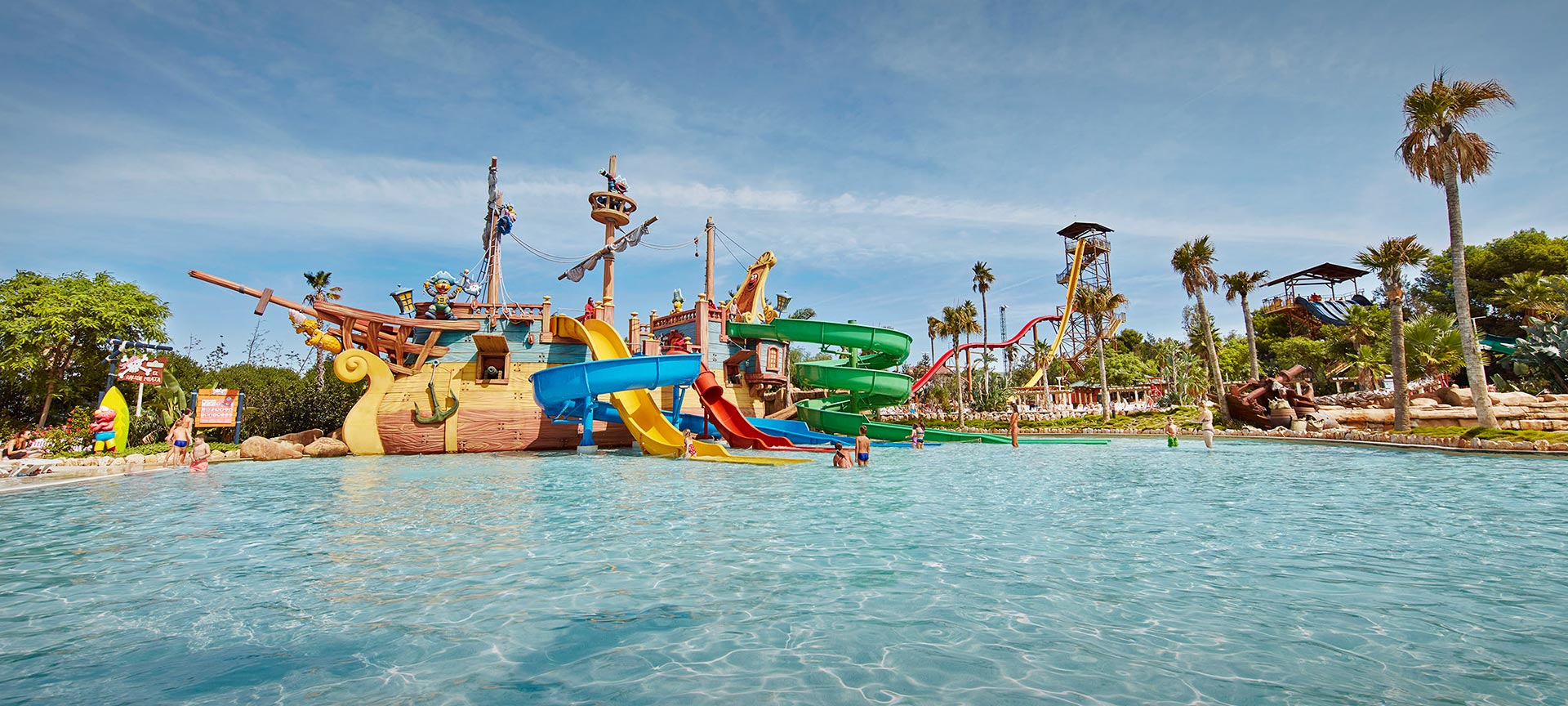
Shows, festivals, sports...
View some of the most relevant events you will be able to enjoy at the destination.

Book yours
Choose between thousands of activities to live your best life on holiday.