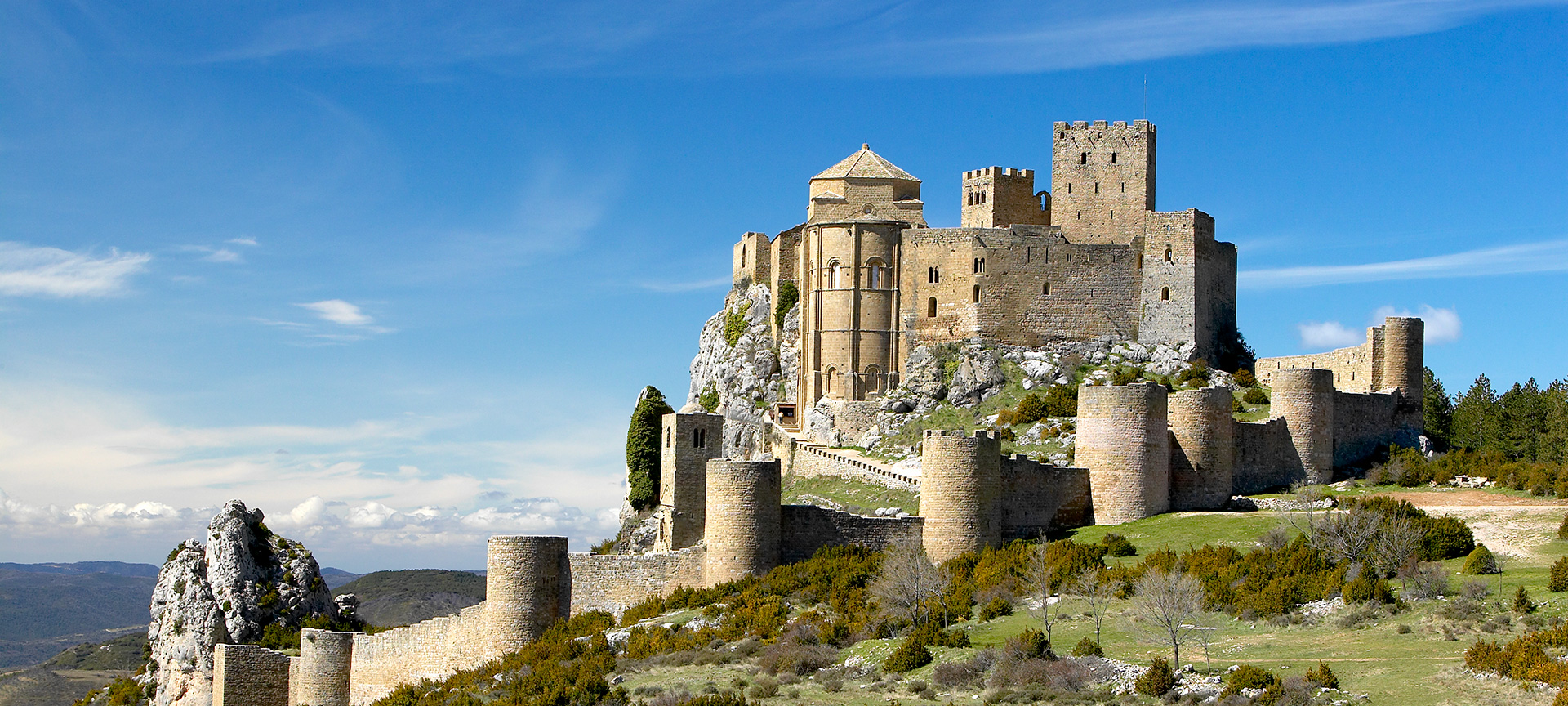
Loarre Castle

Castles and Palaces to visit and as unique accommodation

none

Did you know that there are more than 10,000 castles and palaces in Spain? Many of them are open to the public, host exhibitions or have even been converted into luxury accommodation or unique spaces for organising events. Take advantage of your visit to Spain to discover some of them, spend an unforgettable night in one, or enjoy the tourist activities on offer. You can find more detailed information about many of them on the Palaces and Castles Network of Spain website: https://www.spainheritagenetwork.com.

The castles, fortresses, palaces and walled enclosures of Spain are a reflection of the country’s history and visiting them is a good way to learn about all the different cultures that have lived here. You will find sites ranging from ancient Roman forts to large medieval fortresses. Some of them have been immaculately preserved and offer cultural tours that are like embarking on a journey through time.

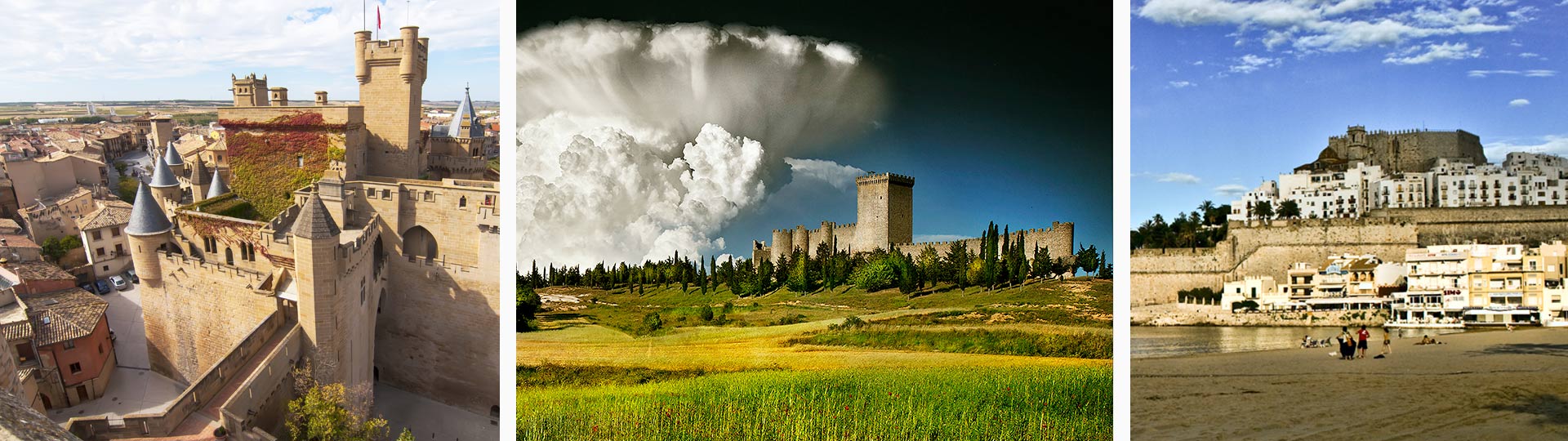
Olite castle (Navarre), the castle of Peñaranda de Duero (Castile and Leon) and Peñíscola Castle (Region of Valencia)

Castles and palaces open to visitors

The list is very long, and you can find many of them on a map on the Palaces and Castles Network website. Some iconic and well-known castles offer regular or occasional dramatised visits, such as the Castle-Palace of Olite (in Navarre), the Castle of Sotomayor, the Castle of Almodóvar del Río (in Córdoba, Andalusia) or the Castle of Belmonte (in Cuenca, Castilla-La Mancha). This last castle is the setting for the annual National Medieval Combat Tournament, when the entire fortress travels back in time with medieval craft markets. It also has a park showing replica siege weapons. Others organise a whole host of children’s activities, like the ones on offer at Lorca castle – Fortress of the Sun (in Lorca, in the Region of Murcia) and Loarre castle (in Huesca, Aragon). 

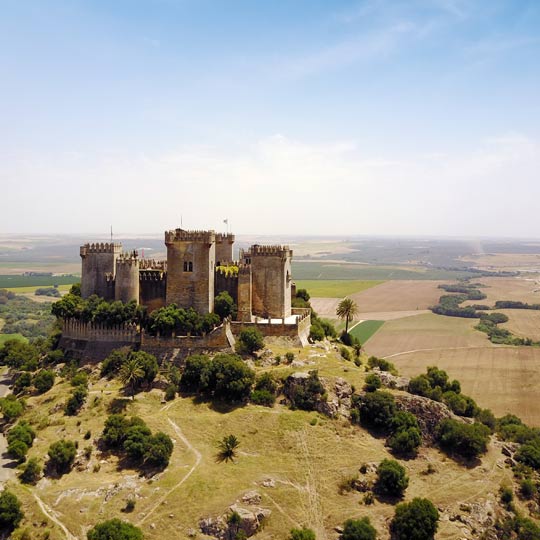
 Castle of Almodóvar del Río, Córdoba

Some of the castles house interesting museums within their walls. For example, Peñafiel castle (in Valladolid, Castilla y León) houses the Provincial Wine Museum. The Palace of Viana is an art gallery with some noteworthy works by Julio Romero de Torres. The Hospital of Tavera (in Toledo, Castilla-La Mancha) is home to the Duque de Lerma Museum-Foundation with paintings by El Greco, Zurbarán, Tintoretto, Luca Giordano, among others.If you are visiting during the summer months, some castles stage different cultural shows and festivals. For example, Peñíscola castle (in Castellón, Region of Valencia) hosts a classical theatre festival, as well as concerts during the Ancient and Baroque Music Festival of Peñíscola. The Castle of Cuéllar (in Segovia, Castile and Leon) hosts the choir competition “Así Cantan las Corales” and the National Jota Festival. The Castle of Mora de Rubielos (in Teruel, Aragón) is one of the venues of the Festival of Castles. Olite palace is the setting for a prestigious classical theatre festival.

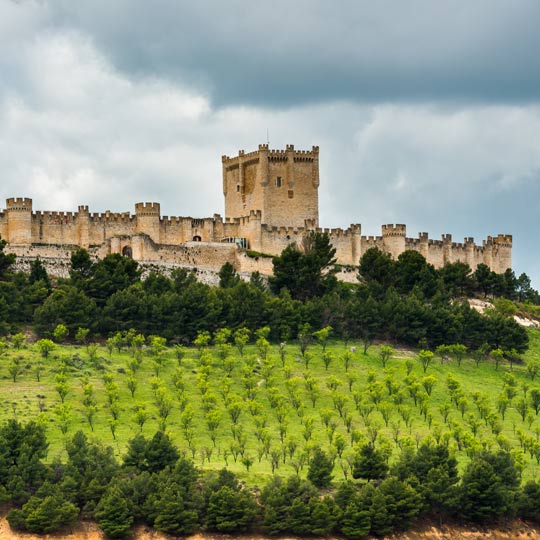
Peñafiel castle Valladolid (Castile and Leon)
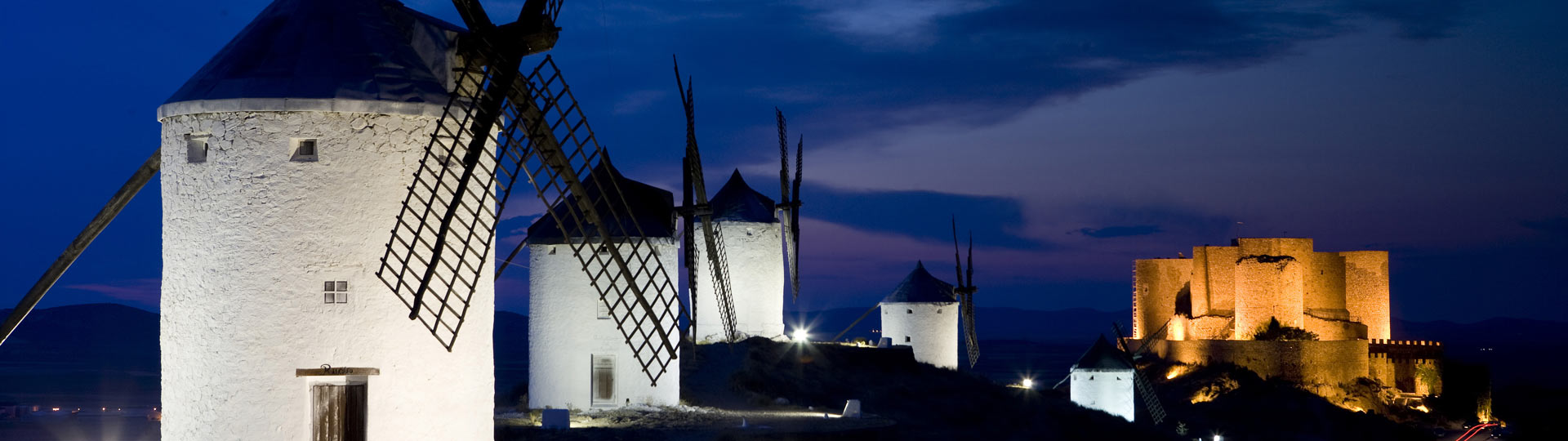
Windmills with the castle of Consuegra in the background

Unique accommodation in fortresses

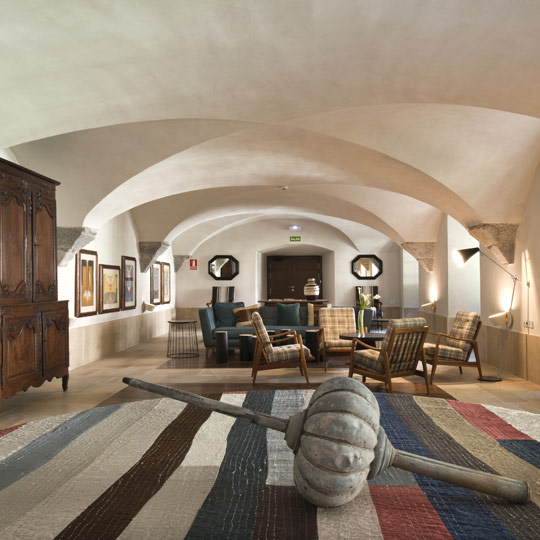
They are palaces, castles and convents that have been converted into unique accommodation. You can find them practically everywhere in Spain, and we recommend checking the map on the Palaces and Castles Network website to find the nearest one to your destination.

Some of the most special ones belong to the Paradores hotel network. Their locations allow you to organise super-appealing trips such as a tour of some of Spain’s World Heritage Cities. This way you can discover Parador hotels in heritage buildings in places like Alcalá de Henares, Ávila, Cáceres, Cuenca, Granada, Mérida, Santiago de Compostela, Úbeda, Ibiza/Eivissa, and just ten kilometres from Segovia, La Granja de San Ildefonso.These accommodations can also be a fantastic option to enjoy two of the most famous theatre festivals in Spain: the International Roman Theatre Festival of Mérida (held in a Roman theatre over 2,000 years old and in an impressive state of preservation) and the International Classical Theatre Festival of Almagro (its main stage is a theatrical courtyard that has remained practically intact since it was first used more than 400 years ago).

Parador de Corias, in Asturias

There are lots of other options. You can opt for a combination of nature and culture with a getaway to Asturias, staying in a converted 11th-century Benedictine monastery (the Parador de Corias, in Cangas de Onís), or travel to Galicia to visit the Ribeira Sacra and stay at the Parador hotels in Monforte de Lemos or Santo Estevo. If you love the sea, why not spend a few days exploring the Basque fishing villages and sleep in the Castle of Carlos V (Parador de Hondarribia, in Gipuzkoa). If you prefer to travel inland, a very appealing option is a tour of Extremadura, staying at the Parador hotels in Guadalupe, Trujillo, Oropesa, Plasencia, Jarandilla de la Vera, Zafra, Cáceres or Mérida. And if you choose to venture further south, you can discover the Andalusian equestrian art in Jerez de la Frontera, in Cádiz, and stay at the Virrey Laserna palace.

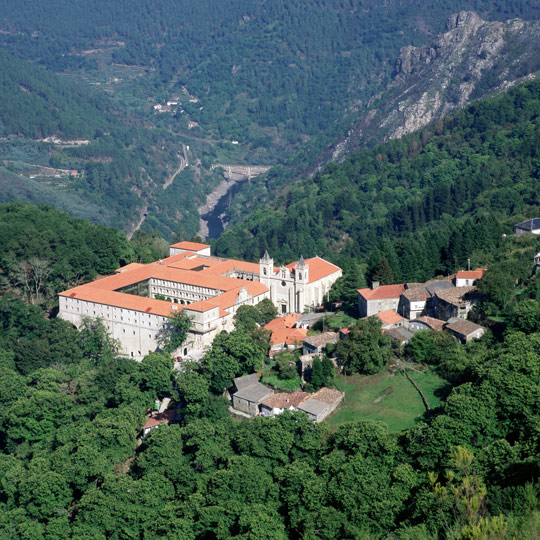
Parador de Santo Estevo, in Ourense (Galicia)

Experiences for all the senses

These spaces also include restaurants and activities for an immersive experience. The list of the most iconic dishes of each region is very long. For example, the Parador de Argomániz (in Álava, Basque Country), the Parador de Ávila (in Castilla y León), or the Castillo de Riudabella (in Tarragona, Catalonia). To feel like a real pilgrim from the Middle Ages, visit the Parador de Santo Domingo de la Calzada, in La Rioja, located in a former 12th century hospital, and try one of its specialities: stuffed piquillo peppers.The Castle of Santa Catalina(Parador de Jaén) offers stunning views of the city. In the same province, in the Sierra de Cazorla y Segura, is the Palace of Deán Ortega (Parador de Úbeda). And, just 15 kilometres away, the Castle-Palace of Canena offers an experience centred on extra virgin olive oil, from harvesting to production, bottling and marketing.Blending astronomy and gastronomy is also possible. Fuensaldaña Castle (in Valladolid, Castilla y León) hosts tastings of the famous wines of the province, Rueda and Cigales, accompanied by cheese, honey, or asparagus. Afterwards, you can go up to the castle keep for a guided astronomical observation.Can you imagine practising yoga in a place like this? You can make it happen in the Monastery of Guisando (in Ávila, Castilla y León), the Alcazaba of Antequera (in Málaga, Andalusia) or the historical heritage site of Fuente Álamo (in Puente Genial, Córdoba, Andalusia).
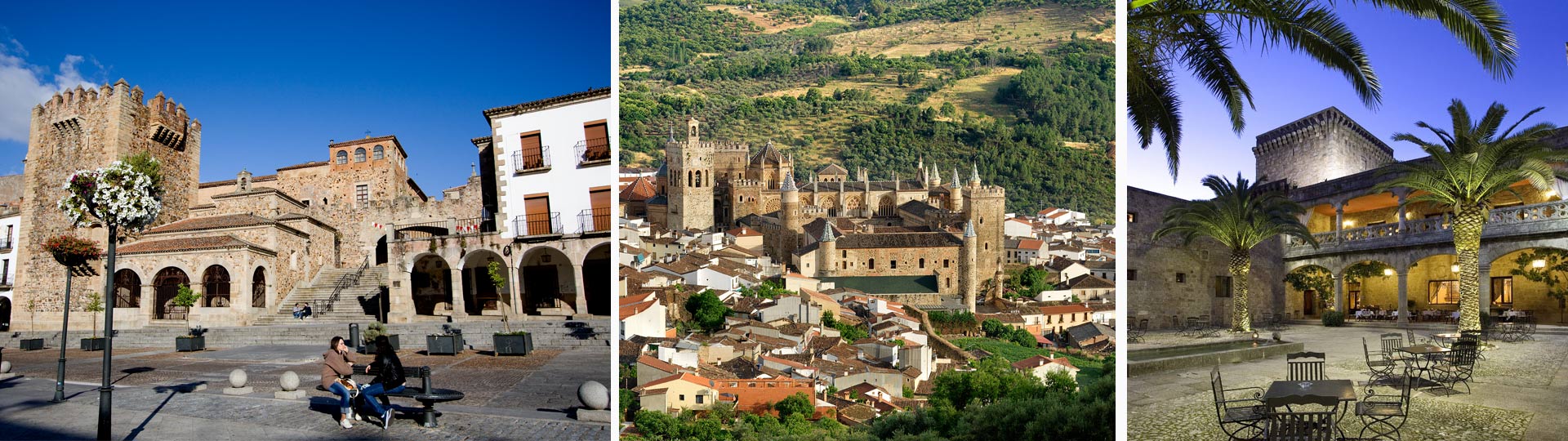
Castle landscapes in Extremadura: Cáceres, Guadalupe and the Parador de Jarandilla de la Vera

These are just some of the possibilities offered to you by the Palace and Castle Network for exploring Spain, enjoying exclusive accommodation in places steeped in history, and discover local culinary delights.

Find out more about...