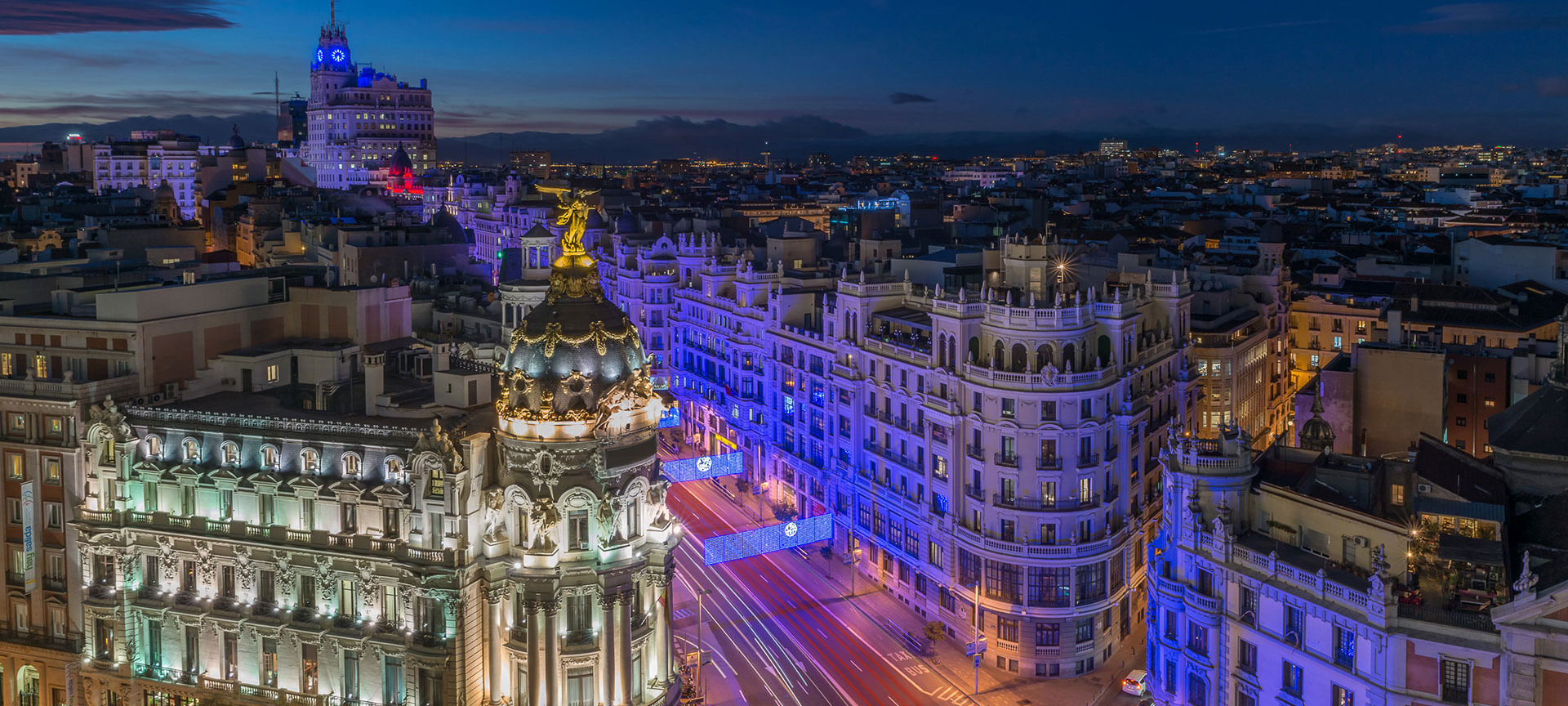
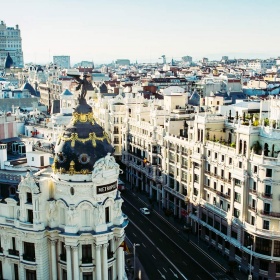
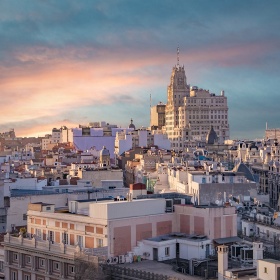
Madrid, cheerful and vibrant at all hours, is famous for being an open city with all kinds of people from anywhere in the world.
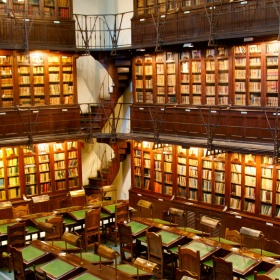
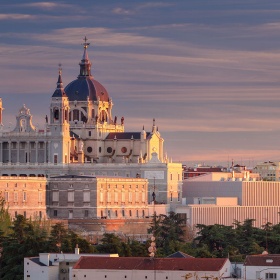
In addition to its famous museums, busy streets dotted with all kinds of shops, restaurants with world cuisine and unbeatable nightlife, Madrid will surprise you with its tranquil historic spots that charm everyone walking by. Here you'll find traditional family-run, century-old bars where friends meet up for a drink, every style of neighbourhood and cultural centres that offer up an alternative type of tourism. Madrid's authenticity is hard to beat. It is welcoming and diverse. Madrid is, without a doubt, one of Europe’s most interesting cities.
What to visit
Select from the list or hover over the map to find out about points of interest.
What to visit
Select from the list or hover over the map to find out about points of interest.



Other ideas for your trip
Century-old shops and taverns in Madrid
Walking around the city you will surely have seen a metal plaque designed by Mingote with the following phrase: “The Council of Madrid is grateful for your…
Read more
Day trips from Madrid
If you’re reading this, you’ve probably decided to holiday in Madrid, or at least you’re considering it.…
Read more
A day in Madrid in 10 essential visits
First, can Madrid be visited in one day? It’s obvious that the capital has much more to give.…
Read more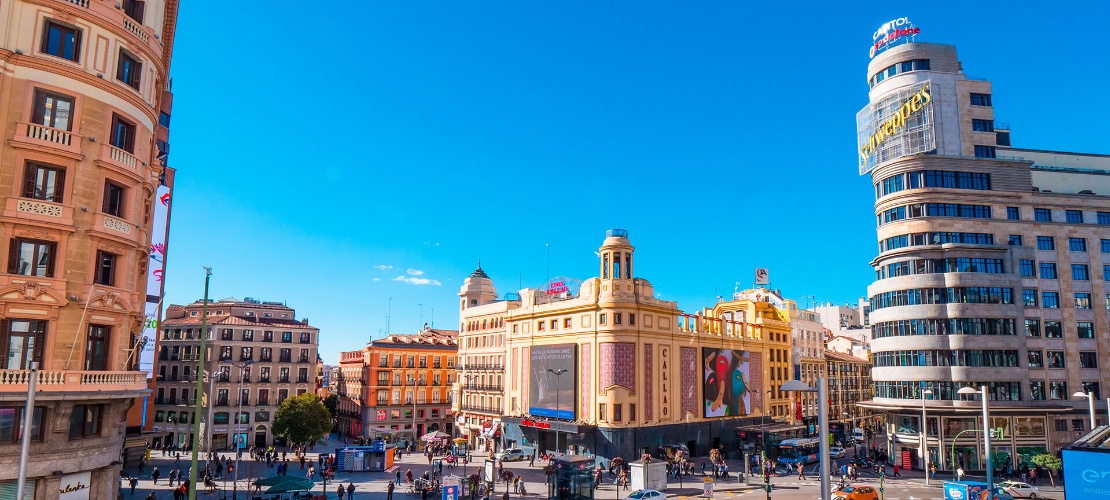
Interesting and little-known places in Madrid
Beyond the traditional tourist sights of the Royal Palace, the Prado and the Retiro Park, every street, every roof, every historic building in Madrid seems to…
Read more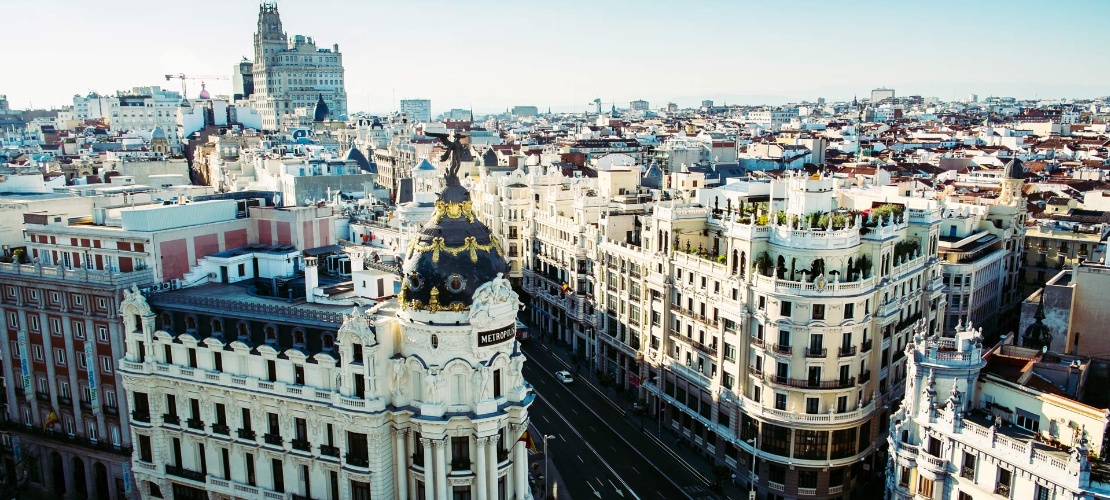
Shopping in Madrid Where are the best areas?
During a visit to Madrid, it is always a good idea to leave some time for shopping, as there are so many options for finding something you love.…
Read more
Barrio de Las Letras: literature and fine dining in Madrid
If you walk around the central barrio de Las Letras in Madrid, you will probably be fascinated by an inscription on the ground: “¿No es cierto ángel de amor,…
Read more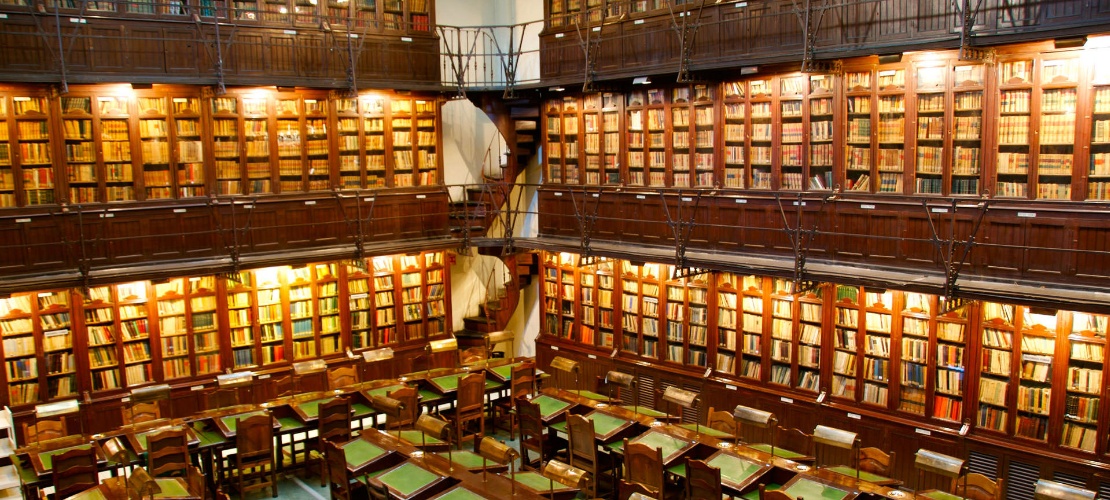
Two days in Madrid
With this two-day itinerary you can discover some of the most interesting places in Madrid and make the most of your time if you are only visiting for a weekend.…
Read more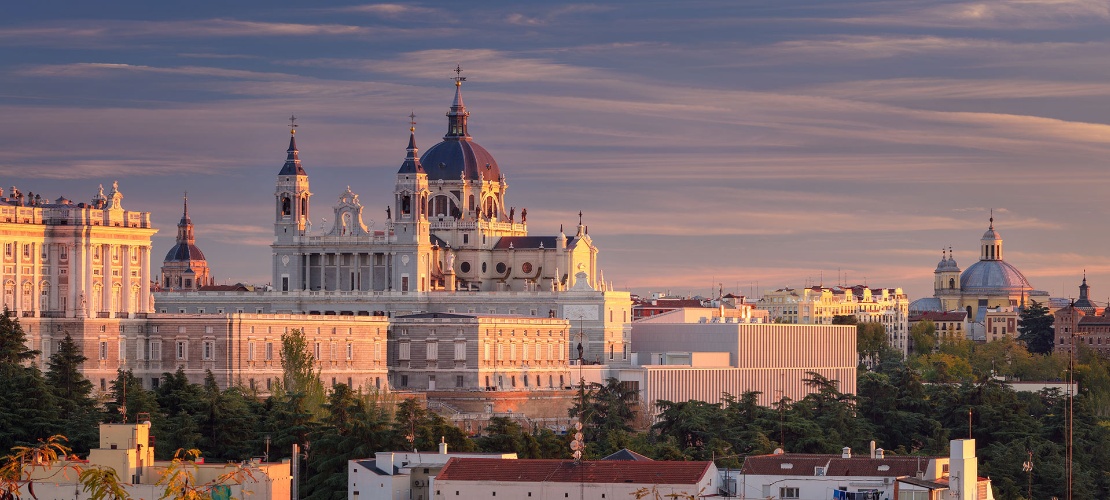
Architectural Madrid: these are the most famous buildings that you must add to your visit
Madrid is an incredible city, full of things to do and places to discover. And it is also a perfect place to get lost if you are an architecture lover.…
Read more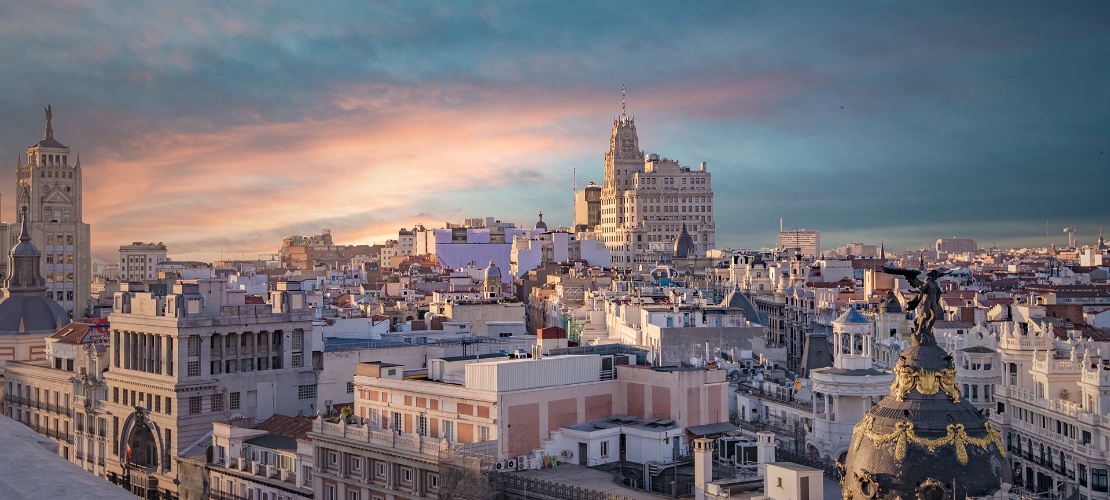
What to see in Madrid... according to Instagram
If you’re planning a visit to Spain and look for the hashtag #Madrid, you’ll find… over 50 million posts!…
Read more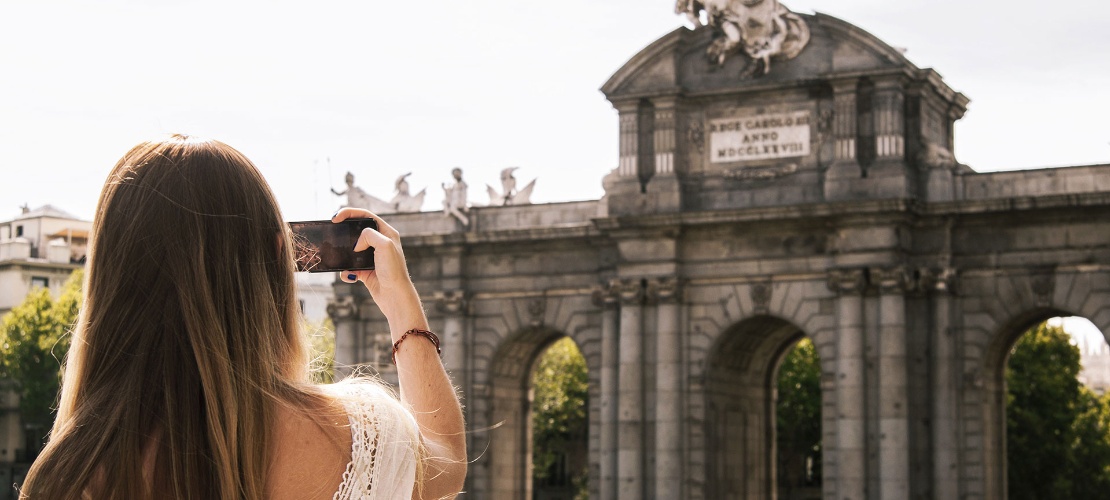


How to get there - transport information
Select the means of transport to see how to get there or how to get around at your destination.
How to get to aeroplane
-
Madrid Airport is 12 kilometres from the city centre, which can easily be reached by public transport.
-
By metro, take line 8. The trip costs an additional 3 euros on top of the cost of any ticket, and the journey is just over 30 minutes to the city centre.
-
By train, you can take the C-1 and C-10 Cercanías lines, which take around half an hour to reach the city centre.
-
By bus, you can reach the city centre with the Airport Express 203 (which operates 24 hours a day, takes about half an hour, and costs €5); or with regular buses 200 and 101. At night, you can also take the N27 line to Cibeles.
-
By taxi, the journey between the airport and the city centre has a fixed price of 33 euros.
-
By road, the most common route is via the M-40 ring road and takes just over 20 minutes.
How to get to train
-
If you travel to Madrid by train, you can arrive at two main stations: Atocha and Chamartín.
-
Madrid Station - Puerta de Atocha - Almudena Grandes:In the city centre.You can easily get around from the station using public transport: it connects to the Metro (line 1) and the train (all Cercanías lines), and has several bus stops (lines 001, 10, 14, 19, 24, 26, 32, 37, 54, 57, 59, 85, 86, 102, 141, 203, C1, C2, N9, N10, N11, N25) and taxis.High-speed trains to Barcelona, Seville, Malaga, and more destinations.
-
Madrid-Chamartín-Clara Campoamor Station:In the north of the city.Connections with Metro (lines 1 and 10), train (lines C-1, C-2, C-3, C-4, C-7, C-8 and C-10), bus (lines 5 and T62) and taxi.Connections to many national destinations, including Valencia, by high-speed train.
How to get to bus
-
If you want to get to Madrid by bus, you have two options: Méndez Álvaro station, also known as Estación Sur de Autobuses, and Avenida de América station.
-
Estación Sur:Public transport connections: Metro (line 6), train (lines C1, C5, C7, C10), bus (lines 102, 113, 148, N11) and taxi.
-
Avenida de América Station:Public transport connections: Metro (lines 4, 6, 7 and 9), bus (1, 12, 29, 52, 72, 73, 114, 115, 122, 200, C1, C2, NC1, NC2, N2, N4) and taxi.
How to get there by road
-
The main roads leading to Madrid are the A-1 (from the Basque Country), A-2 (Barcelona), A-3 (Valencia), A-4 (Seville), A-5 (Extremadura) and A-6 (Galicia).
-
Please note that large parts of the city centre are Low Emission Zones, where driving and parking are restricted. If you're arriving in Madrid by car or motorcycle, check the Madrid City Council website for details. These restrictions apply equally to vehicles with foreign registrations. If your vehicle has an environmental sticker from another country, consult the DGT website for the table of equivalences between the environmental classifications of European Union countries to find out what restrictions may apply to you. You can also get information before travelling through your accommodation in Madrid.
Practical information
-
Most points of interest are concentrated in the centre, which makes it easy to explore them on foot.
-
Tourist season ticket: this is a single person pass. Unlimited travel on the metro, bus and train network. There are five types: lasting one, two, three, four, five or seven calendar days and for two zones: A (to travel within the city of Madrid) and T (to also travel in the surrounding areas, as this pass includes all the other zones).
-
Please note that large parts of the city centre are Low Emission Zones, where driving and parking are restricted. If you're arriving in Madrid by car or motorcycle, check the Madrid City Council website for details. These restrictions apply equally to vehicles with foreign registrations. If your vehicle has an environmental sticker from France or Portugal, consult the DGT website for the table of equivalences between the environmental classifications of the European Union countries to find out what restrictions may apply to you. You can also get information before travelling through your accommodation in Madrid.
How to get around in metro/tram
-
The Metro network covers the entire city of Madrid and connects it to other nearby towns within the Region of Madrid.
-
It operates from 6:00 a.m. to 1:30 a.m. every day.
-
You can buy single tickets, passes for 10 journeys, or special tickets to the airport.
How to get around in train
-
The Cercanías train network covers the entire city of Madrid and connects it to other nearby towns within the Region of Madrid.
-
It runs from 5.30 am to 11.30 pm.
-
You can buy single or return tickets, or a pass for 10 journeys.
How to get around in bus
-
City buses usually run from 06.00 am to 11:30 pm.
-
Night buses, known as “búhos” (owls), run from 11.20 pm or 11.45 pm to 5.30 am or 6 am, and until 7 am on Saturday nights and before public holidays. Most lines start at Plaza de Cibeles.
-
There are also intercity lines that connect the city of Madrid with other towns in the region.
-
There is a tourist bus that takes in the city's most iconic landmarks.
How to get around in other means of transport
-
By taxi:Easily identifiable white vehicles with a red stripe.A green light on the roof shows they are available.You can get a taxi from a designated taxi stand, hail one on the street (the ones with their green light on) or book one through various mobile apps.Taxis from Madrid-Barajas airport to Madrid city centre have a set price of €33 each way.
-
A different, quick and ecological way to travel around Madrid is by bike, whether by hiring one from the different companies that provide this service or using the municipal bike hire service, Bicimad.
Excursions to nearby destinations
Chinchón
Distance from Madrid 60kmChinchón's beautiful medieval square is the most emblematic feature of Chin...
See more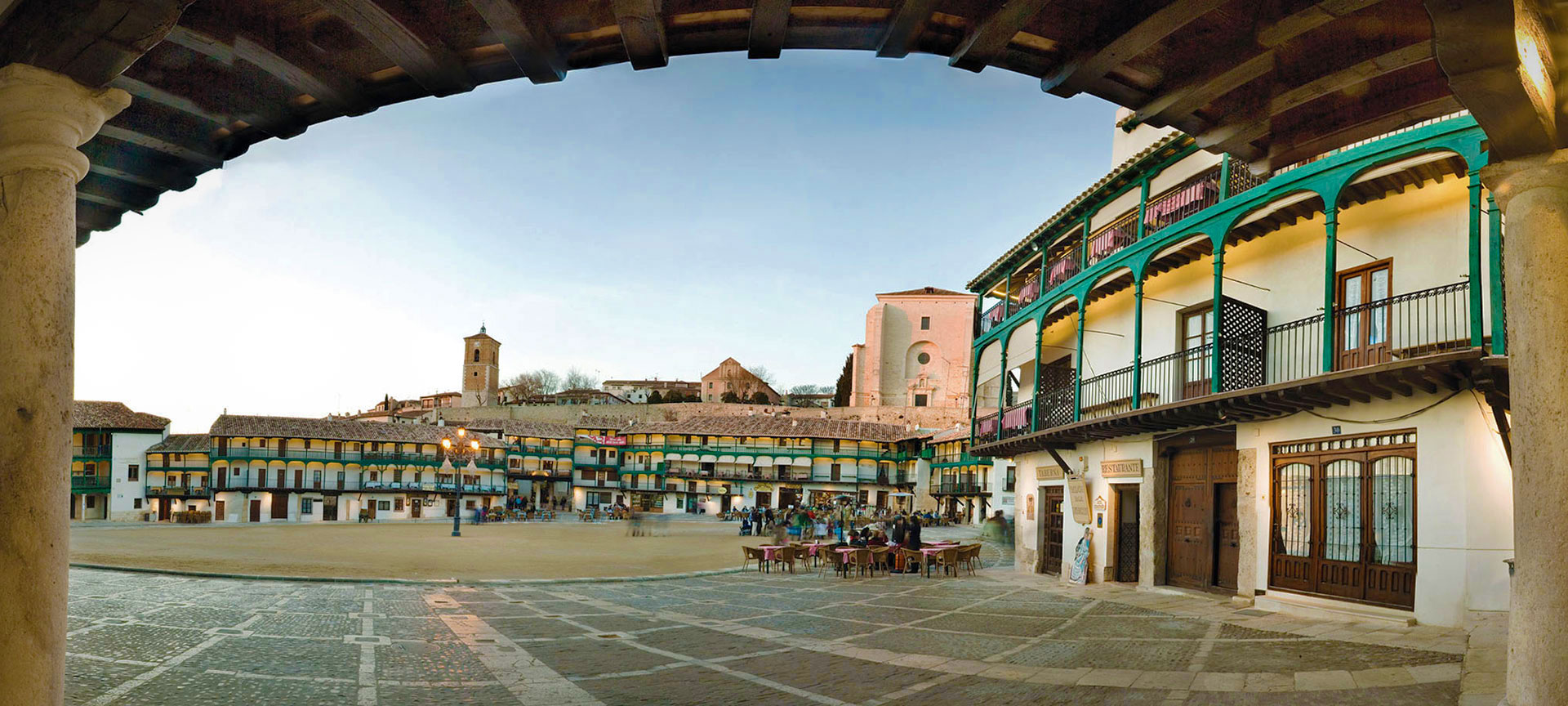
Excursions to nearby destinations
Sierra de Guadarrama National Park
Distance from Madrid 100kmMountains more than 2,000 metres high, vast forests and varied wildlife are...
See more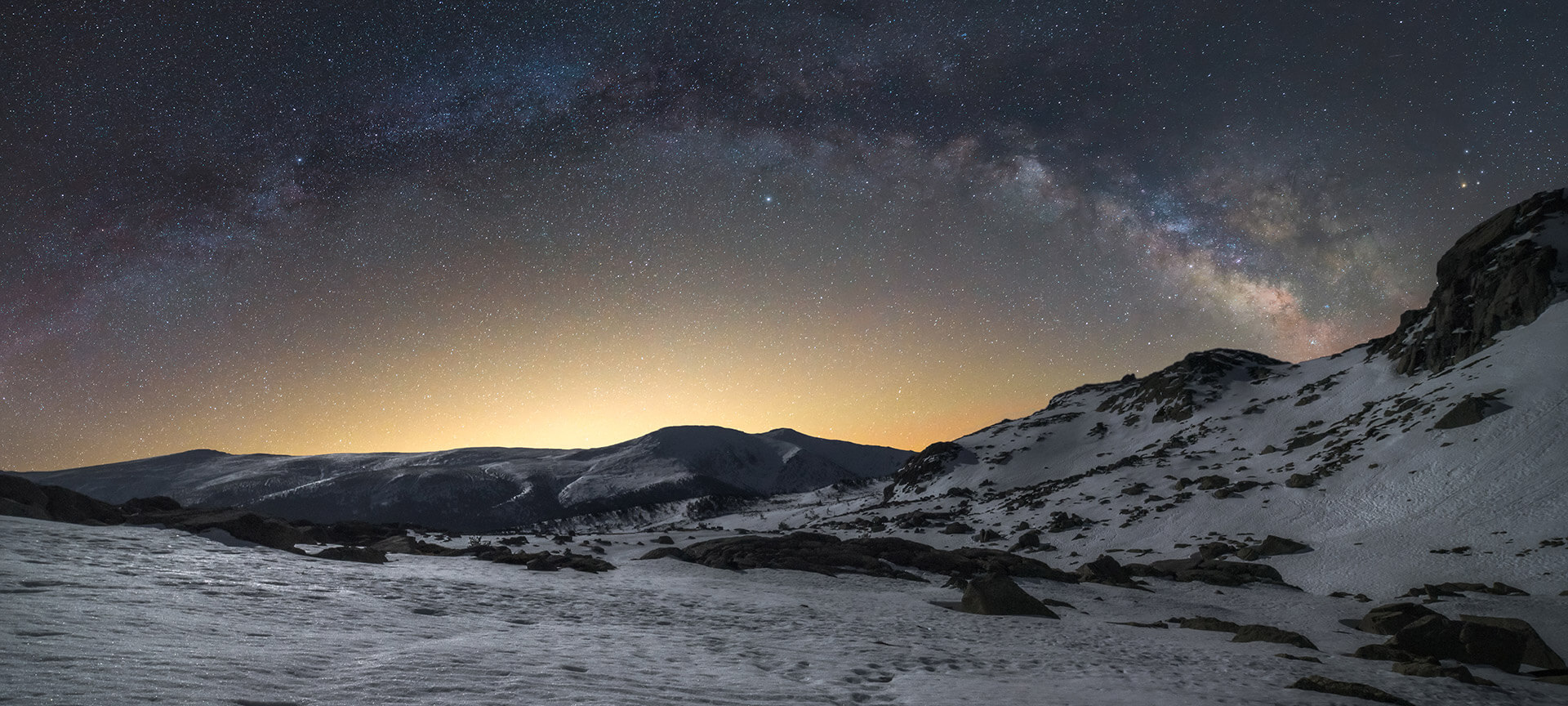
Excursions to nearby destinations
San Lorenzo de El Escorial
Distance from Madrid 65kmIn the heart of the Guadarrama mountain range, only 50 kilometres from Madr...
See more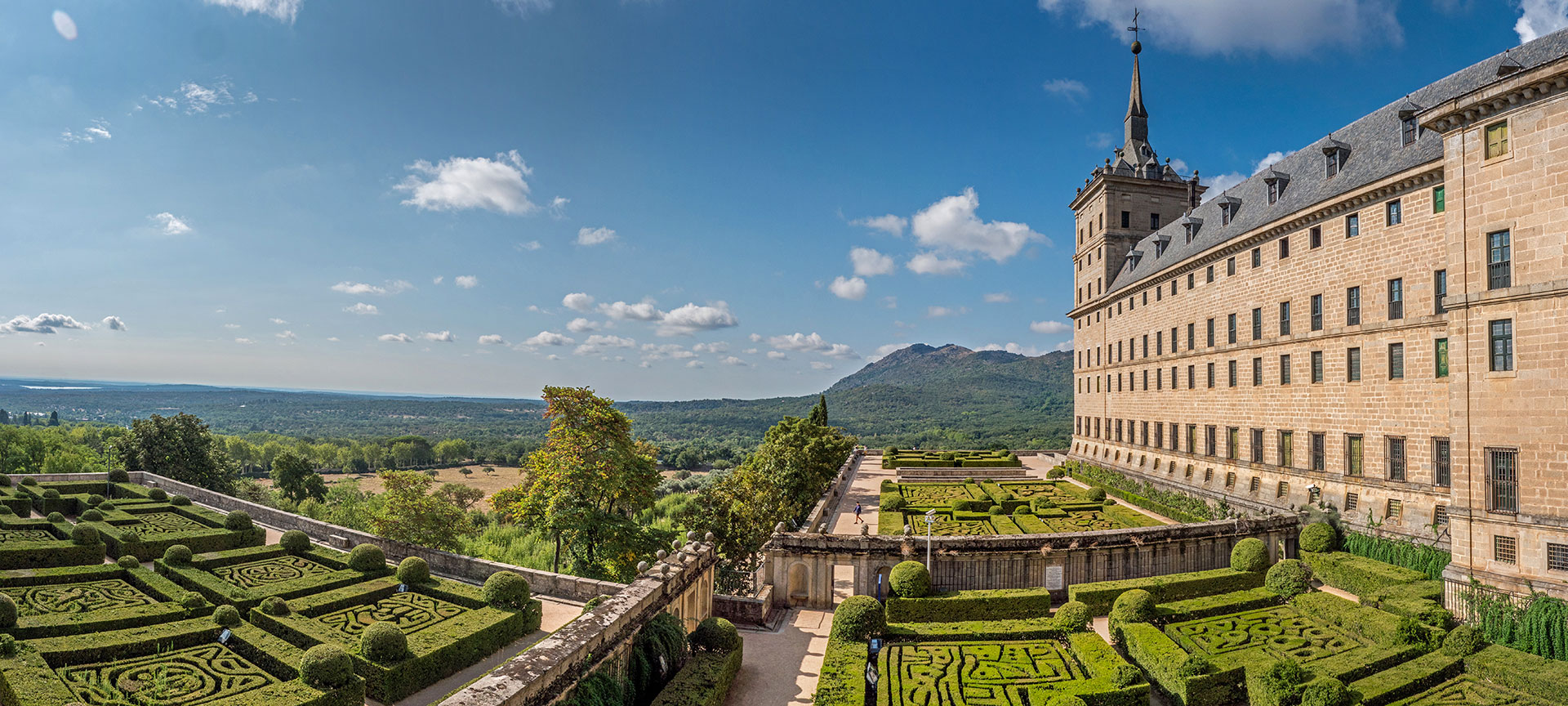
Excursions to nearby destinations
Aranjuez
Distance from Madrid 60kmAn old quarter which is a Historic-Artistic Site, royal palaces, and garden...
See more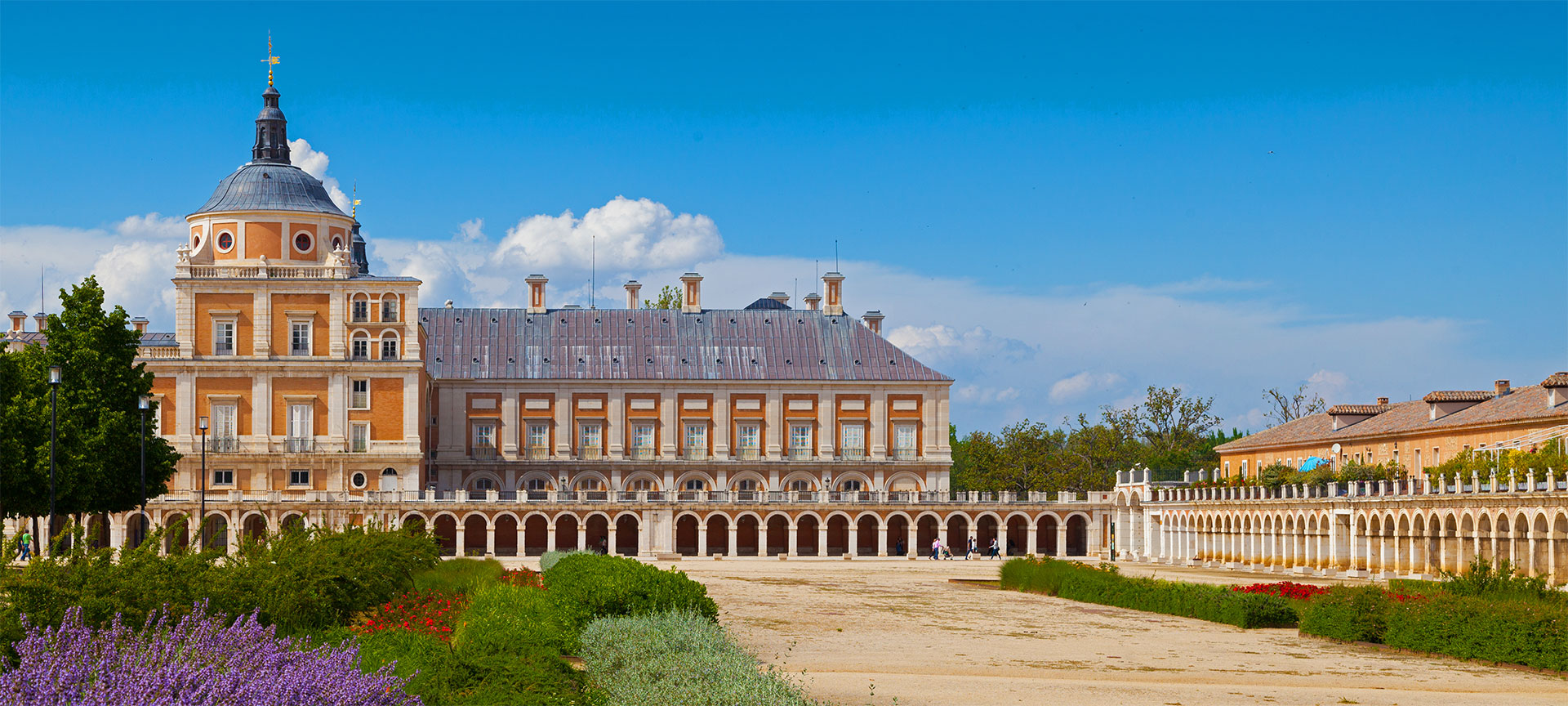
Excursions to nearby destinations
Segovia
Distance from Madrid kmAn impressive aqueduct from the days of the Roman Empire marks the entrance...
See more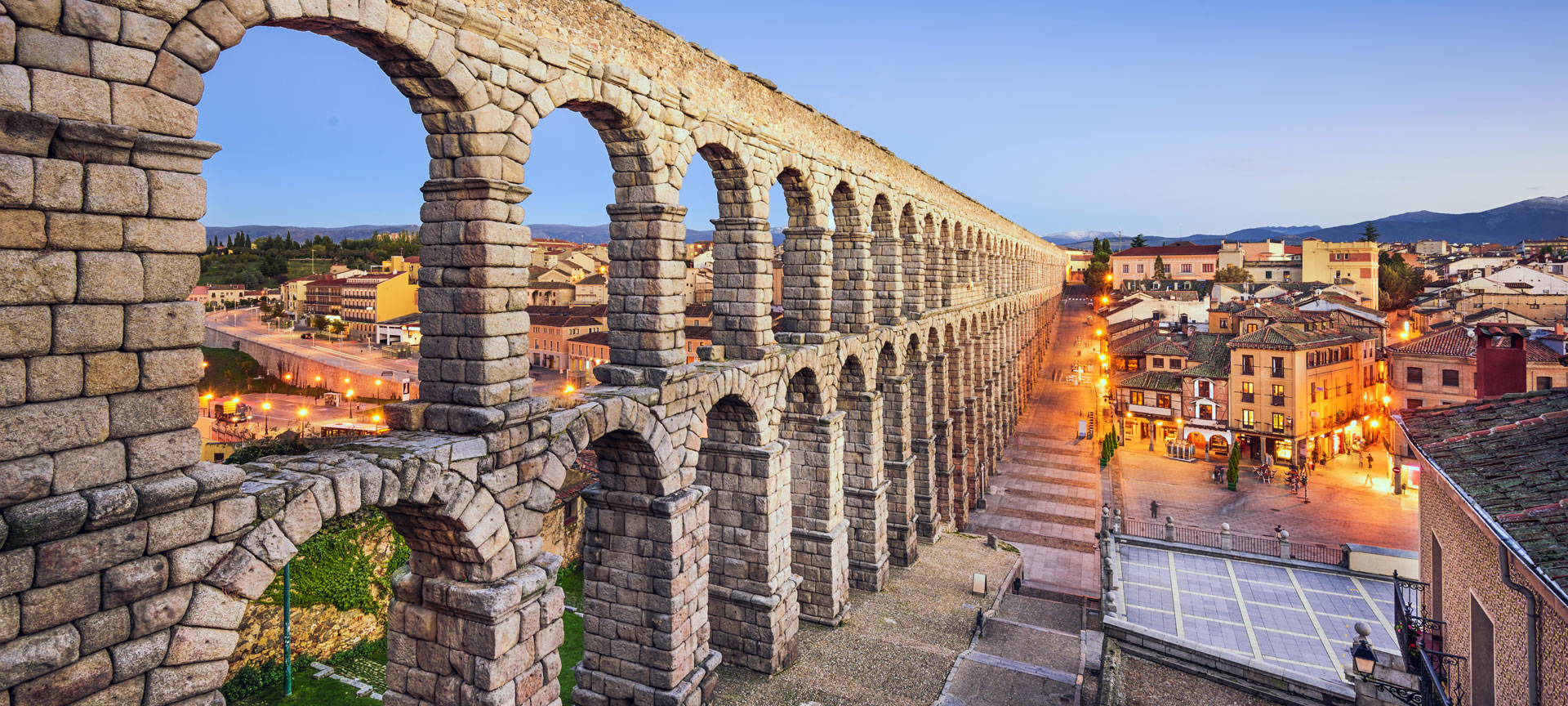
Excursions to nearby destinations
Ávila
Distance from Madrid 115kmÁvila will always be associated with the image of its city walls. Visible f...
See more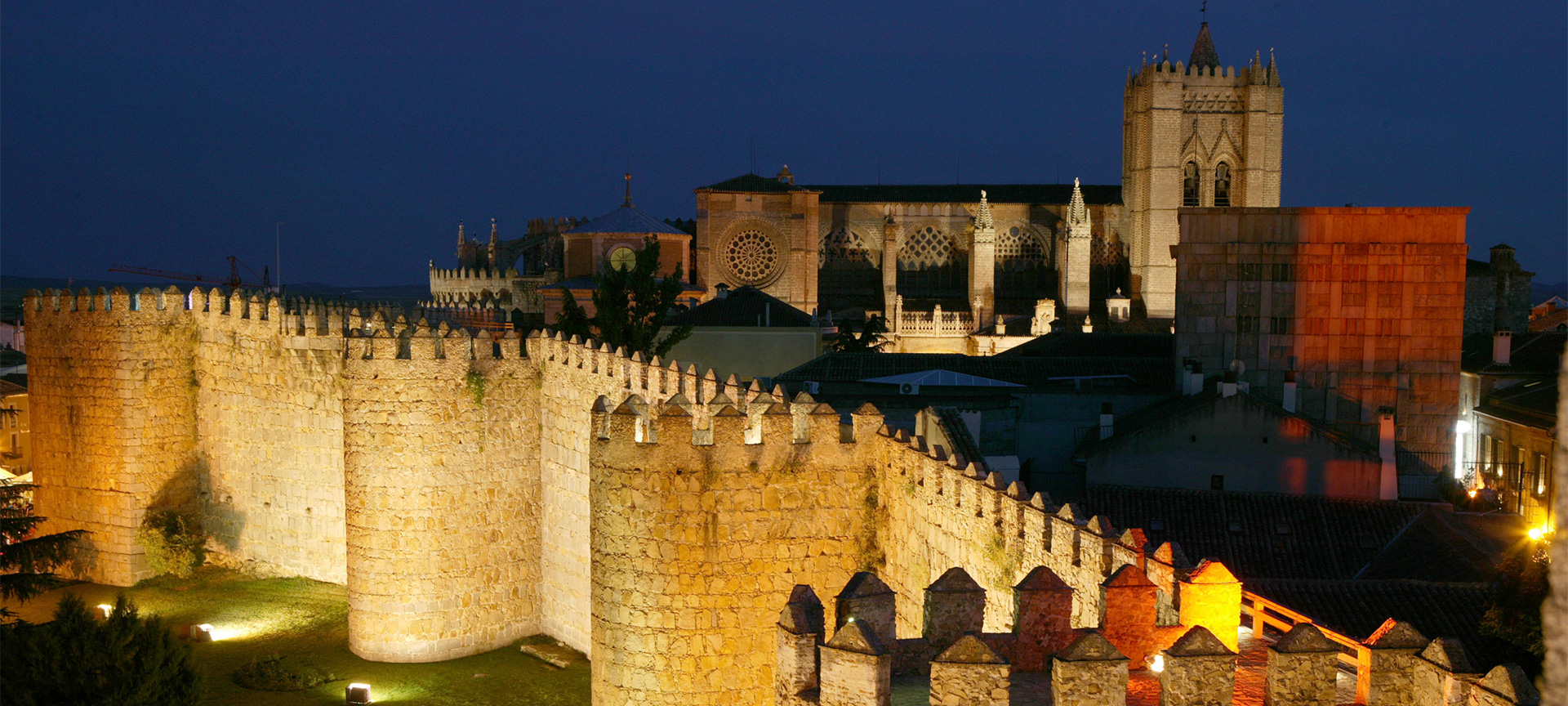
Excursions to nearby destinations
Alcalá de Henares
Distance from Madrid 35kmAlcalá de Henares was the birthplace of Miguel de Cervantes, author of the ...
See more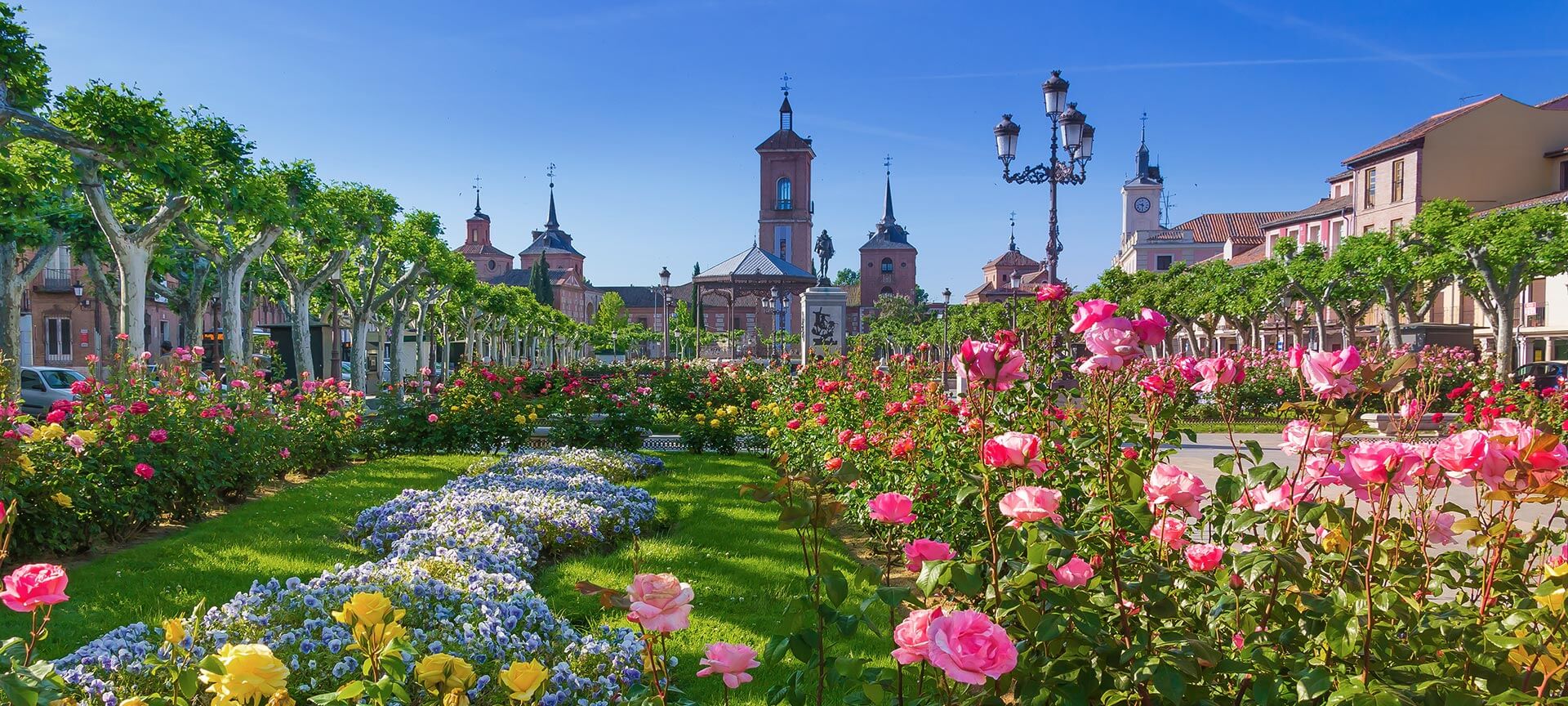
Excursions to nearby destinations
Toledo
Distance from Madrid 80kmChristians, Muslims and Jews. Followers of the three religions lived side b...
See more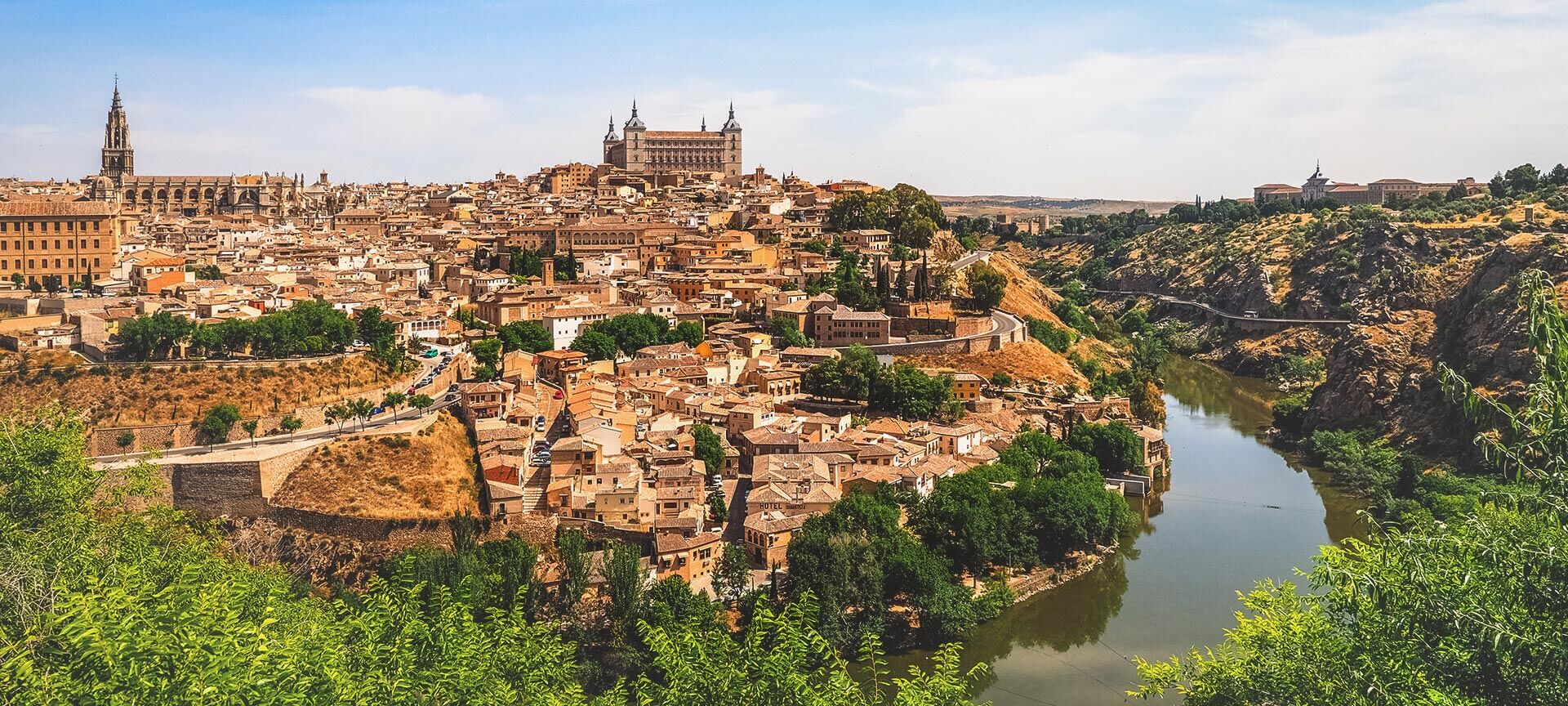
Shows, festivals, sports...
View some of the most relevant events you will be able to enjoy at the destination.

Book yours
Choose between thousands of activities to live your best life on holiday.