Spain beyond the obvious: five destinations and experiences for your second trip
-
5Trujillo, Spain
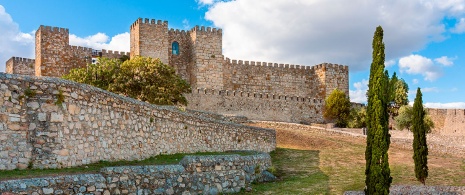
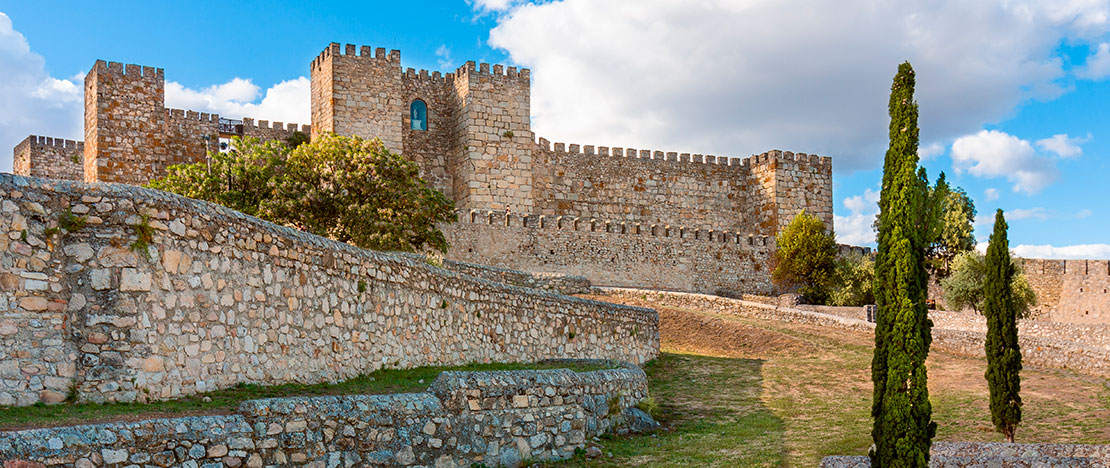
In the heart of Cáceres, Trujillo awaits you, a city where every step reveals centuries of history. Walk through its streets to enter a world of great characters, admire stately palaces and wonder at the legacy of the different cultures that have shaped this unique place.Why you should visit. Start your route in the spectacular Plaza Mayor, a 15th and 16th century setting that seems to have been frozen in time. Admire the palace of the Vargas-Carvajal family (where King Felipe II slept) and go up to the old Puerta de Santiago gate. Don't miss the Alcázar de Luis de Chaves el Viejo, a fortress where the Catholic Monarchs stayed, or the unmistakable silhouette of the castle of Muslim origin. From this point there are sweeping views of the Extremadura pastureland, which stretches as far as the eye can see, and you will feel like you are in Game of Thrones, as this is where the mythical Casterly Rock was located.How to get there. You can travel by train from Madrid to Cáceres, which takes about three hours, and from there a bus will take you to Trujillo in about 45 minutes. You can also go by car via the A-58 motorway. The journey takes about half an hour.Bonus. Explore nature in Monfragüe National Park, one of the last unspoilt ecosystems in Europe, with routes on foot, by bicycle and on horseback.
-
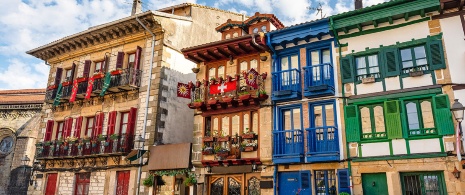
5Hondarribia
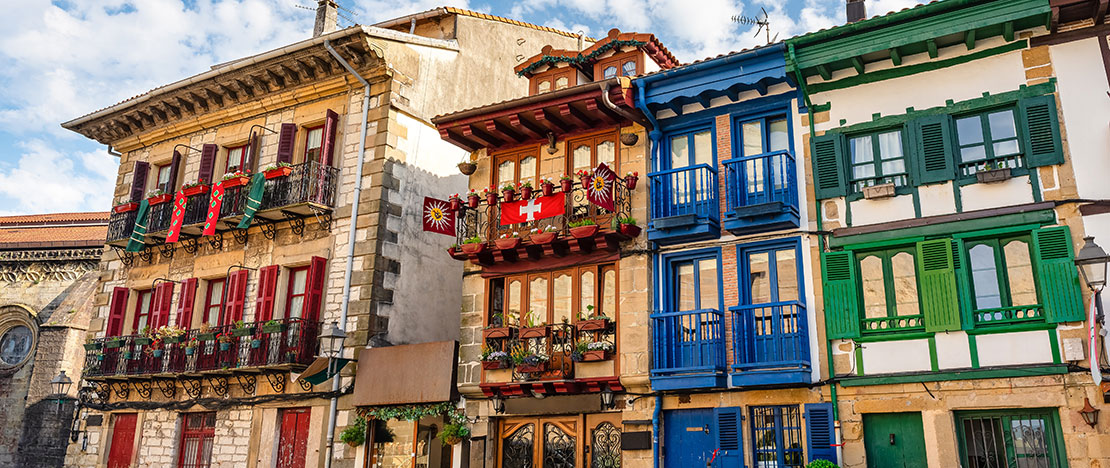
Overlooking the Bay of Biscay, in Gipuzkoa, you will find the only walled city in the whole of the Basque Country. A destination where the combination of sea, mountains, history and good food make it a highly recommendable experience.Why you should visit. Stroll through the cobbled streets of its historic quarter and discover the imposing Castle of Charles V, today converted into a comfortable Parador. Go through the Puerta de Santa María gate to enter the main street (Nagusi Kalea) and admire buildings such as the Town Hall or the striking Casa Ladrón de Guevara, covered in blue glazed brick. The tour ends in the fishermen's quarter of La Marina, with its colourful houses, and the picturesque Plaza del Obispo.How to get there. From San Sebastian it takes just 25 minutes by car.Bonus. Just a short distance away is Zumaia, the ideal starting point for the Flysch route where you can see the fantastic geological formations that define this part of the Basque Coast.
-
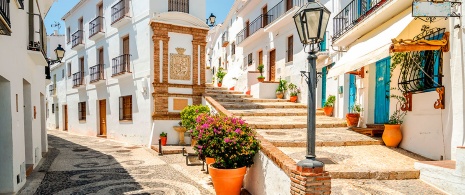
5Frigiliana
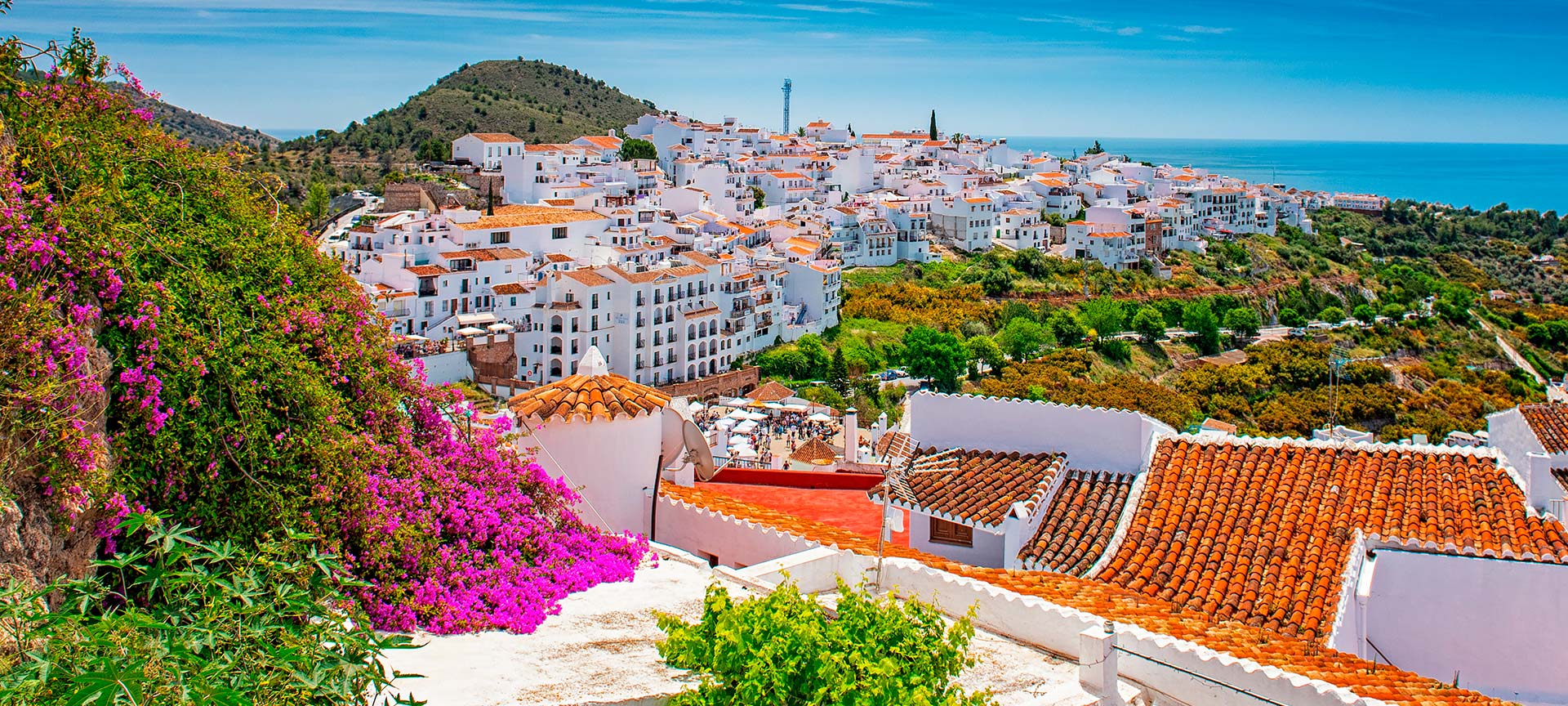
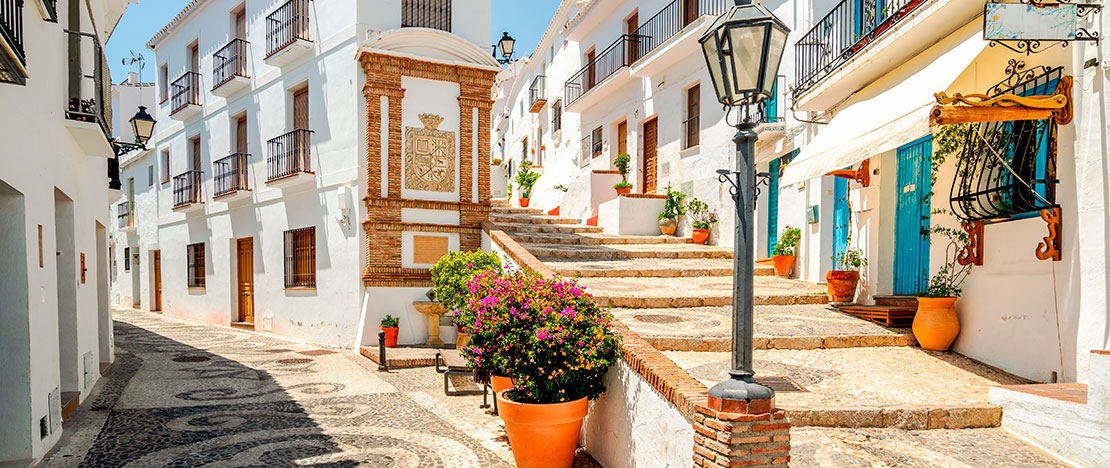
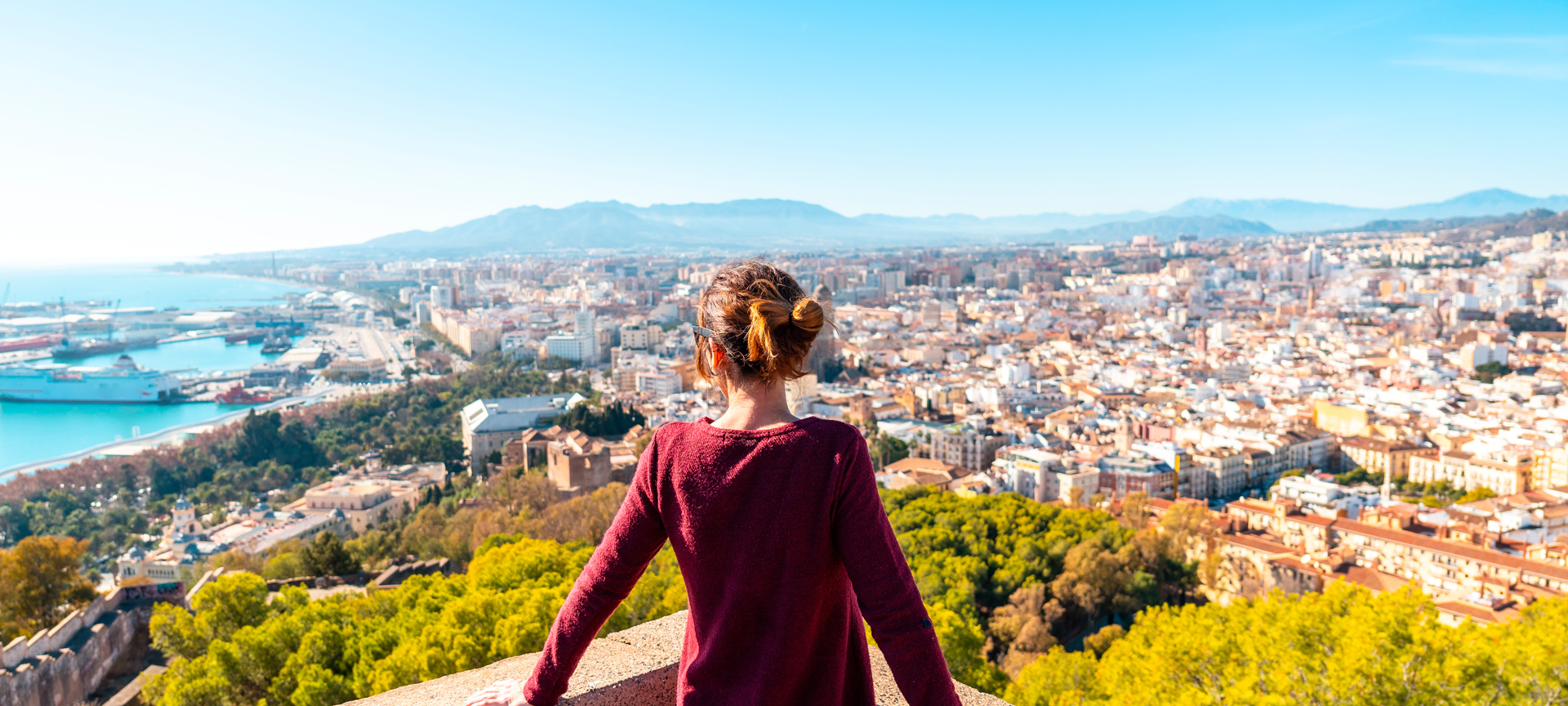
In the south of Spain, in the heart of the Axarquia region of Malaga, Frigiliana is one of the best preserved white villages in Andalusia, with a network of whitewashed houses, brightly coloured doors and windows and balconies with flowers.Why you should visit. Lose yourself in Barribarto, the amazingly well-preserved historic centre of Moorish origin. Walk up the steep streets to reach its viewpoints: you will be impressed by the panoramic view of the sea merging with the mountain. Visit the Church of San Antonio de Padua (built on the site of the former mosque) and the Palace of the Counts of Frigiliana, which houses one of the few remaining molasses factories in Europe.Frigiliana is also the gateway to the Natural Park of the Sierras de Tejeda, Almijara and Alhama, a balcony overlooking the Mediterranean, between hills and impressive ravines.How to get there. From Madrid you can go to Malaga by train. From there, by car or bus, it takes about 50 minutes.Bonus. To complete your getaway and relax, the marvellous beaches of Nerja and the cliffs and coves of Maro await you just a few kilometres away.
-
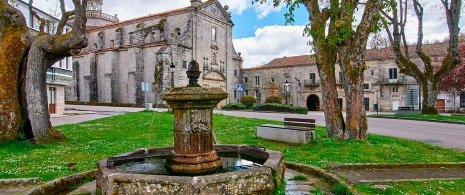
5Ribeira Sacra
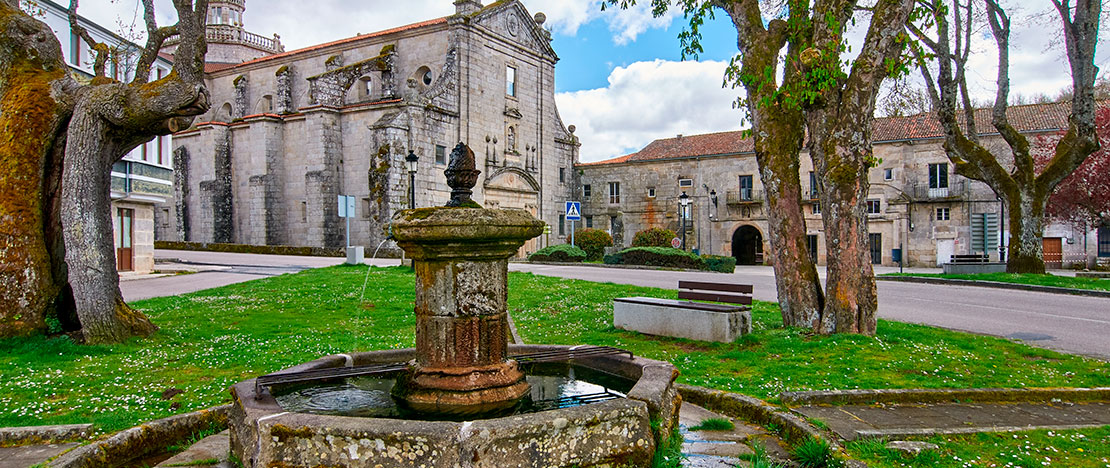
The Ribeira Sacra offers breathtaking scenery. Almost hidden in the interior of Galicia, it is a magical territory that combines nature and ancestral agriculture.Why you should visit. A boat trip through the canyons of the river Sil, with cliffs rising up to 500 metres, is an experience in itself. Look up and marvel at the "heroic viticulture": vineyards planted on almost impossible terraces that defy gravity. Follow the Ribeira Sacra Wine Route and visit thousand-year-old monasteries hidden in the forests, such as the imposing Santo Estevo de Ribas de Sil (12th to 18th centuries), now a Parador.How to get there. You can go by train from Madrid to Ourense. Once there, the best way to get around is by car.Bonus. End your trip relaxing in the warm waters of a thermal spa in Ourense, enjoying a unique environment.
-
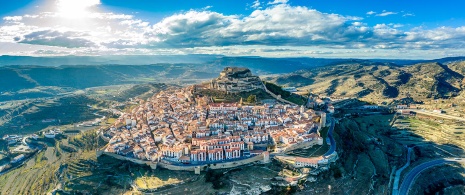
5Morella
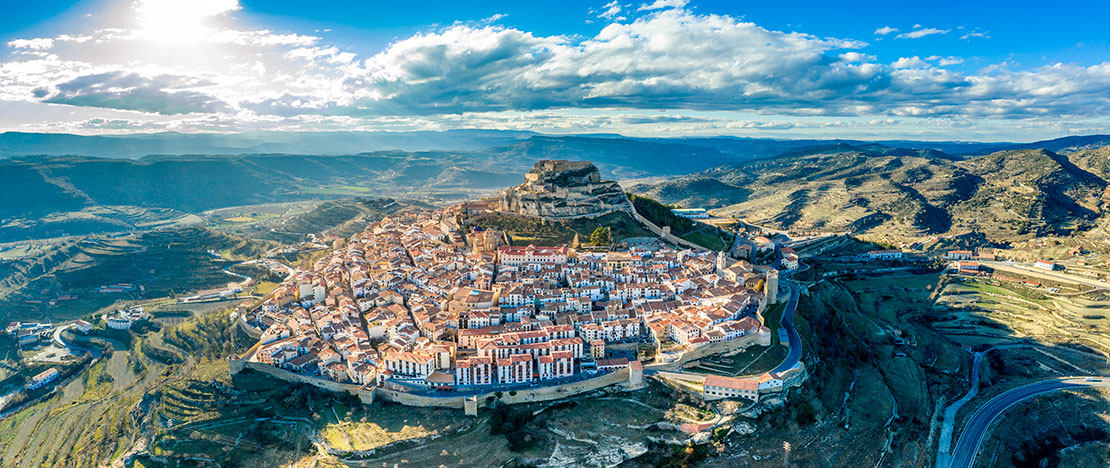
Morella, in the interior of Castellón, rises imposingly over the mountains like a stone giant proud of its glorious medieval past. It’s considered one of the Most Beautiful Villages of Spain. And there are many reasons for this, starting with the city wall.Why visit. Enter the town by crossing the magnificent towers of San Miguel and walk through its maze of cobbled streets. See the mixture of styles of the Archdeaconry Church of Santa María la Mayor, an architectural jewel. Climb up to its historic castle, conquered by El Cid Campeador. From there, the views of the Maestrazgo region are truly spectacular.How to get there. You can go by train from Madrid or Barcelona to Castellón de la Plana and, from there, take a bus to Morella.Bonus. By car and just over half an hour away, explore Mirambel and Cantavieja, two other places that are on the list of the Most Beautiful Villages in Spain.These destinations are just a sample of the lesser-known and surprising Spain. Beyond the traditional routes, there are many other places to discover, such as the magic of Finisterre, at the end of the Camino de Santiago; the vineyards where El Priorat wine is made; or the personality of the seaside town of Getaria. All of them invite you to travel at a leisurely pace, savour every experience and explore a country that always holds something new for those who decide to return. Find out more at Spain.info.
Travel plans for inspiring you
Book yours
Choose between thousands of activities to live your best life on holiday.