
Spain by train: 35 destinations connected by high-speed rail networks
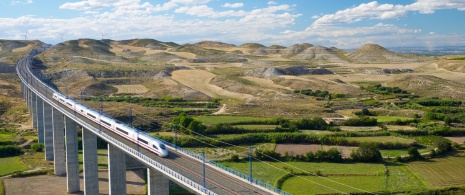
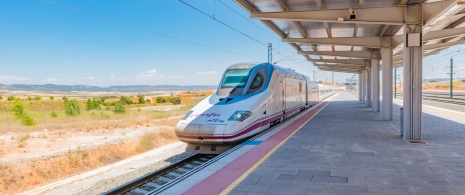
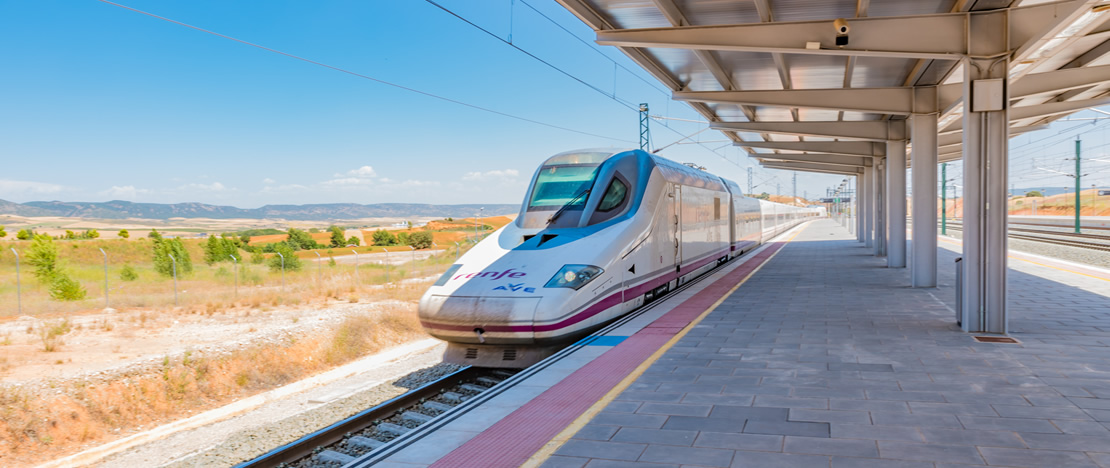
Did you know that Spain is the second country in the world with the longest high-speed rail network? Moreover, the train is one of the most comfortable and safest ways to travel and one of the most sustainable means of travel. Spain by Train invites you to discover 35 Spanish destinations connected by high-speed rail. Join us for thousands of adventures by train along the four main routes that run through mainland Spain and let yourself be carried away by incredible places, traditions, culture, heritage and the most delicious and varied gastronomy.This video only lasts a minute, but you will find enough reasons to hop on this train!
-
-
Northwest axis: Towards Galicia and Asturias, crossing Castile and Leon
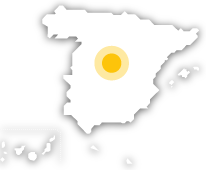
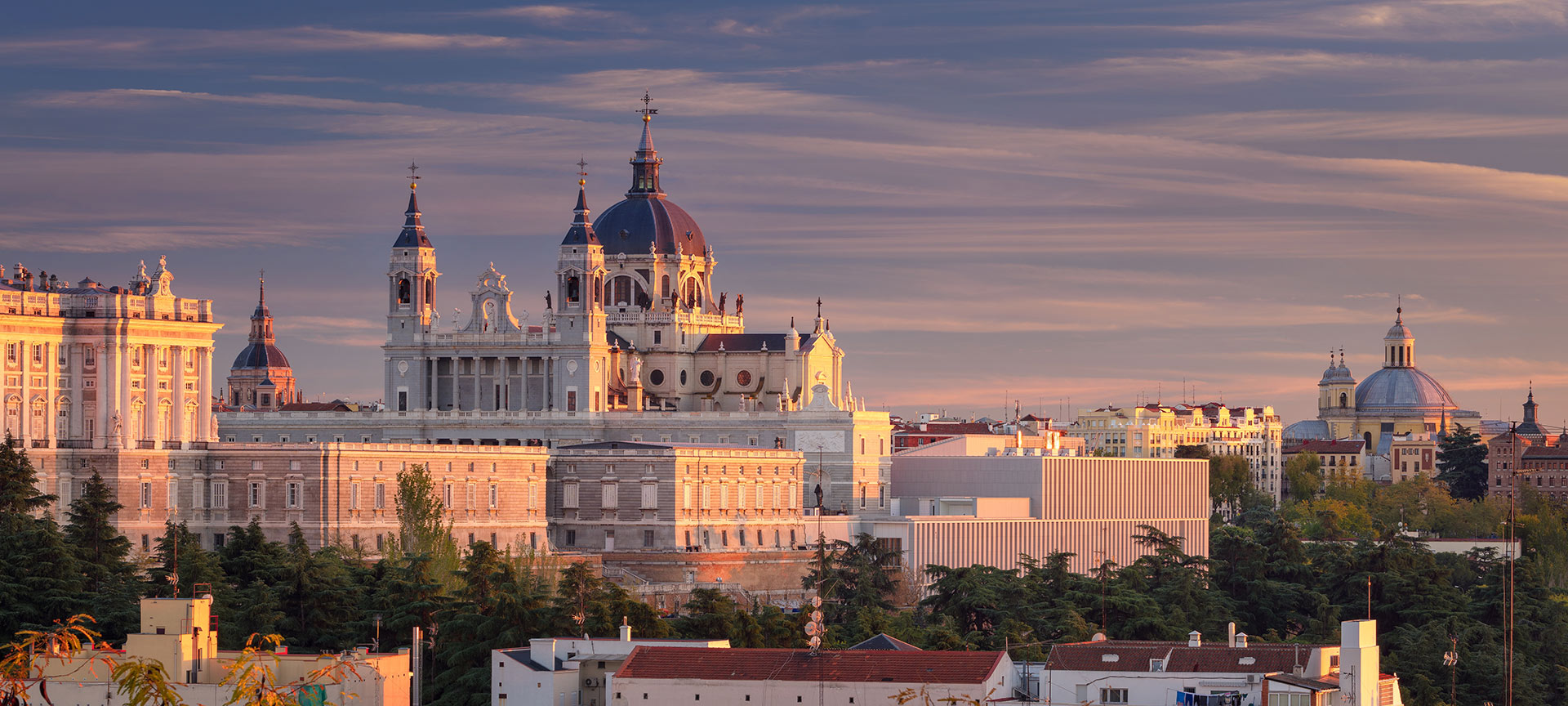
A good starting point for our trip could be Madrid, as the capital of Spain is in the centre of the peninsula and all the high-speed rail lines pass through this vibrant and welcoming city that combines culture, modernity and endless leisure opportunities. In just two hours and fifteen minutes you will reach Ourense, but along the way you will find gems such as Segovia, with the impressive Aqueduct, and Medina del Campo, where you can taste their excellent wines. Less than 100 kilometres from there you will be able to enjoy the tranquillity of Zamora and its famous Easter Week.In less than four hours your last destination is Gijón, bathed by the Cantabrian Sea and cradle of the Asturian flavour with its refreshing cider. First you will admire the Castilian tradition of Valladolid, the Romanesque heritage of Palencia and, about 35 minutes from here, the high-speed train will allow you to visit León, a city known for its monuments, where a stroll through its streets wrapped in medieval legends captivates everyone.
-
Northeast axis: Destination Catalonia via Aragon
Just over two and a half hours connect Madrid and Barcelona, another great cosmopolitan city, full of diversity and culture on the shores of the Mediterranean. Halfway along the route, the mighty river Ebro crosses Zaragoza, which is a hallmark of history and traditions that it also shares with the nearby Calatayud, which blends Mudejar and Renaissance influences. Just over an hour from Zaragoza you will reach Tarragona, a World Heritage City because of the fantastic Roman remains that are still preserved. Between the two cities you can also stop off at Lleida, with a historical past dating back to the 4th century BC and rich Mediterranean gastronomy. At the foot of the Pyrenees is the last destination, Figueres, birthplace of the artist Salvador Dalí and a few kilometres from the French border.
-

South route: Journey to Andalusia crossing the lands of Don Quixote
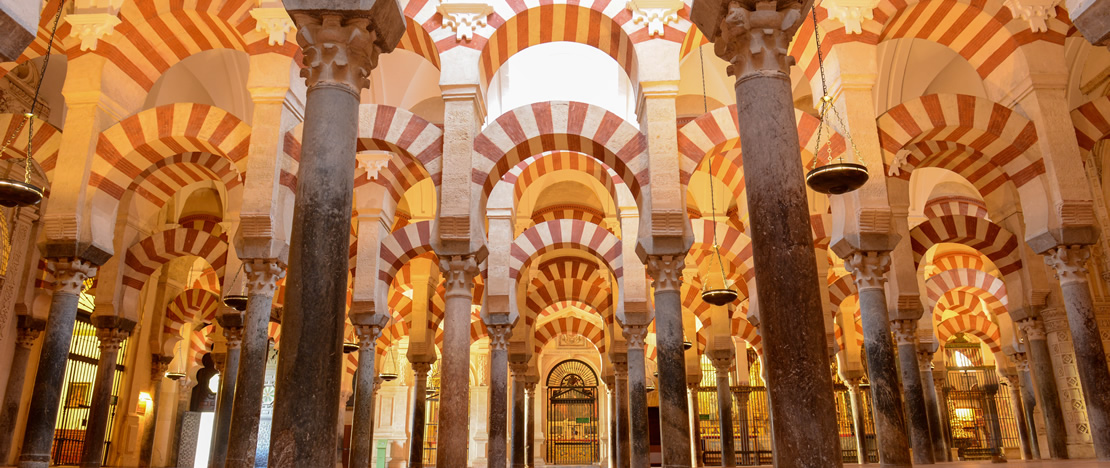
Gallop along the rails of the high-speed rail to the south, just like Don Quixote from Miguel de Cervantes' work. In less than 35 minutes, the first stop in the region of Castilla-La Mancha is Toledo, the “City of the Three Cultures” where Christians, Jews and Muslims coexisted, something that can be felt on every street of its spectacular old quarter. Very close by is Talavera de la Reina, which earned its name because King Alfonso XI gave it as a gift to Doña María de Portugal when they married in 1328. The Madrid-Talavera section is still under construction and will be part of the high-speed line linking Spain and Portugal from 2030 onwards. Before reaching Andalusia, you will pass through Puertollano, with its extraordinary paleontological heritage and the provincial capital, Ciudad Real, a must for enjoying the best tapas with a Manchego flavour.Villanueva de Córdoba, land of excellent Iberian ham, is the first destination in Andalusia. The capital, Córdoba, is a true cultural symbol. Its Mosque-Cathedral and the explosion of colour of its patios will captivate you. From Madrid it takes less than two hours to get there. You only need to travel another hour to reach the charming city of Seville, with impressive works of art, such as the Real Alcázar. But this is not all. From Antequera you can either travel to Málaga, capital of the Costa del Sol, or travel through Loja towards Granada, to admire the splendours of the Alhambra. From Madrid, you can get there in less than three and a half hours.
-
Eastern corridor: To the Valencian Community with stops in Cuenca and Albacete.
The first treasure you will find are the impressive old quarters and unique landscapes, waiting for you to discover them in Cuenca, just one hour from Madrid, heading towards the sought-after Mediterranean beaches of the Region of Valencia. Moreover, Valencia is only one hour away, with 300 of days of sun a year, festivities and a lively atmosphere all year round. A little further north you have Castellón, another coastal city with a rich cultural and gastronomic heritage.If you choose to continue via Albacete, the final destinations will be Alicante and Murcia, where you will arrive in just two and a half hours and less than three hours, respectively, from the Spanish capital. On the way you can visit other attractive places in the province of Alicante such as Villena, Elche and Orihuela. It is an area that shares a special light with its sunny climate, centuries-old traditions and flavours that you will want to return to again and again.
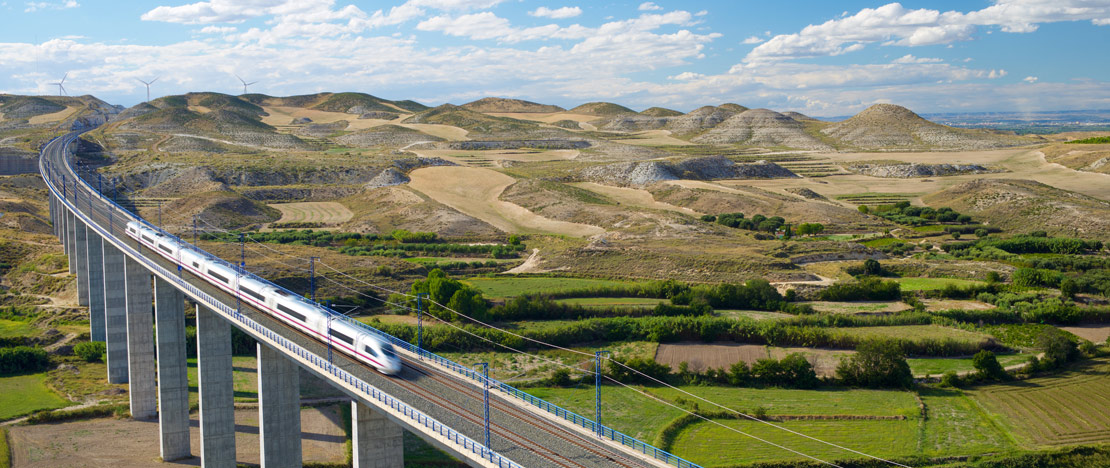
As you can see, travelling by high-speed train is an unbeatable option for exploring Spain and falling in love with its cultural and scenic diversity. All this in a fast, comfortable and sustainable way. Discover Spain by train! You have many sightseeing experiences to inspire you, as well as many travel options, like the Spain Rail Pass, to plan your own route rand visit several of these captivating destinations. Follow their social networks to keep up to date with all the latest news.
Travel plans for inspiring you



Book yours
Choose between thousands of activities to live your best life on holiday.