
Network of Gastronomic Villages: savouring Spain from its source
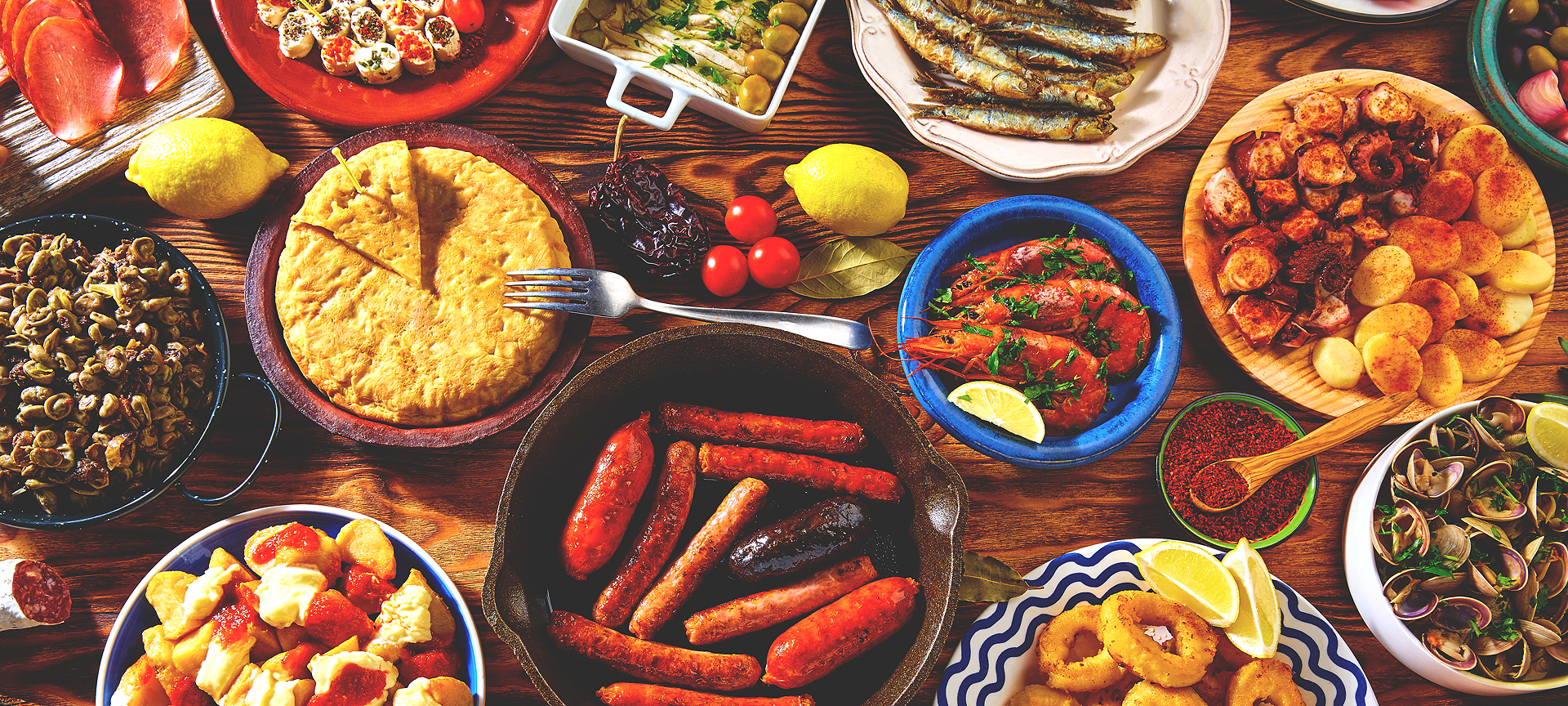
The local gastronomy is one of the best ways to get to know a country. In Spain, cooking is experienced with genuine passion. Its towns and villages preserve the flavours, recipes and traditions that bring Spanish cuisine to life.Enjoy it in its restaurants and also where it all begins: explore the countryside, vineyards, orchards and workshops; discover how the products are made and chat to the local producers who keep this culinary heritage alive. Because behind every dish there is a story, a region and a way of life that invite you to savour Spain with all your senses.This is what the Spanish Network of Gastronomic Towns proposes; it brings together more than a dozen towns, offering activities such as: guided wine tastings, olive oil tastings and tastings of other products; visits to farms to discover rural life, as well as to century-old wineries and small family-run Cava producers, and festivals that showcase the most characteristic and delicious dishes and ingredients from these region.Below, we suggest five villages in this network that you can discover through their most authentic flavours. Each one has its own unique culinary identity. Let yourself be amazed by their products, their traditions and the stories behind each recipe. Discover rural Spain in the most delicious way.
-
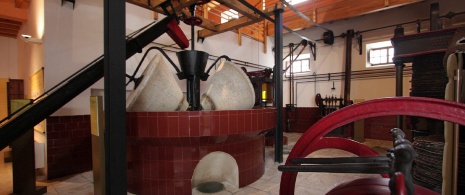
Baena: with olive oil as its hallmark
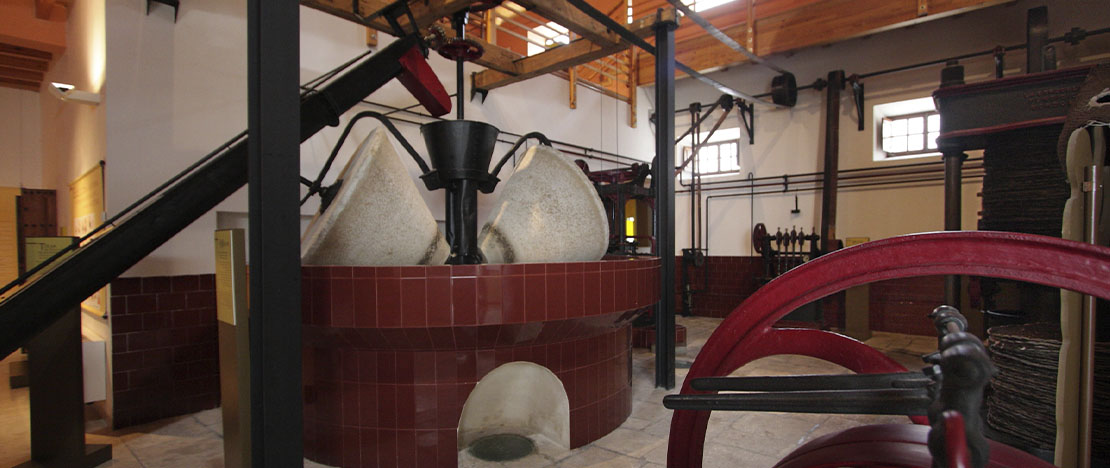
This town is located in Andalusia, in the heart of the Córdoba countryside; it is regarded as one of Spain’s ‘green gold’ capitals and is completely surrounded by olive groves. In fact, Baena’s artistic and cultural heritage, as well as its economy, are closely linked to olive oil, a key ingredient in both local and national cuisine.You’ll understand this when you visit the oil mills, where they explain the process of extracting olive oil through cold-pressing the olives. Or by taking part in guided tastings, which will teach you about the characteristics of that product. Then immerse yourself in the town’s rural atmosphere, strolling amongst centuries-old olive trees.Bonus. Baena’s agricultural heritage is evident in other ingredients as well as olive oil. Wines (from the DO Montilla-Moriles) are produced here, and cereals and chickpeas are also grown. Around this time, in mid-August, you can take part in the lively popular street festival, featuring music and tastings of this vegetable.
-
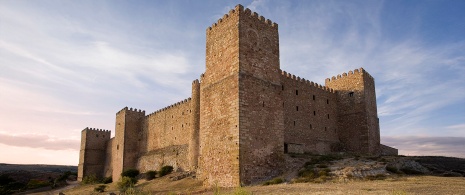
Sigüenza: honey, shepherds, cheese and salt
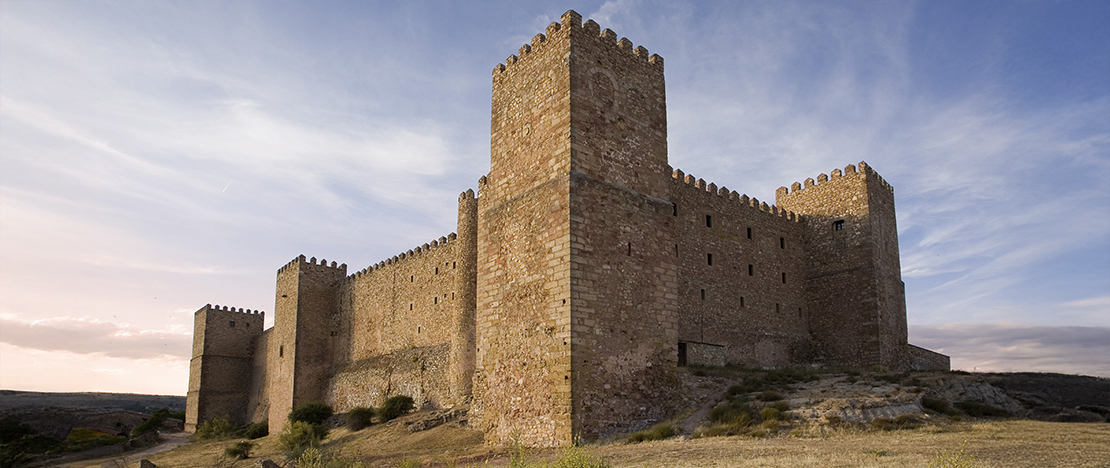
In the province of Guadalajara, in the region of Castile-La Mancha, Sigüenza preserves the essence of pastoral cuisine, prepared using local produce and recipes passed down from generation to generation. Discover it in the local restaurants, including the Parador, which is housed in a former medieval castle.Lamb and goat form part of their culinary identity. Honey from La Alcarria, which has a Protected Designation of Origin, is another of the district’s great culinary treasures. At the Honey Museum, you can find out first-hand about the work of beekeepers and take part in a tasting session. Round off the experience by trying Seguntino cheese, a sheep’s-milk cheese with a character all of its own, which features in many of the tapas served in the bars and restaurants of the historic quarter.Bonus. Visit the ancient salt pans in the nearby rural village of Imón, where salt is extracted through evaporation using a technique similar to that used in coastal saltworks. And explore the footpaths of the Barranco del Río Dulce Natural Park, a landscape of breathtaking beauty.
-
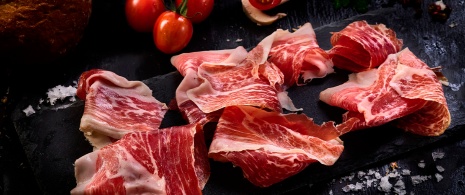
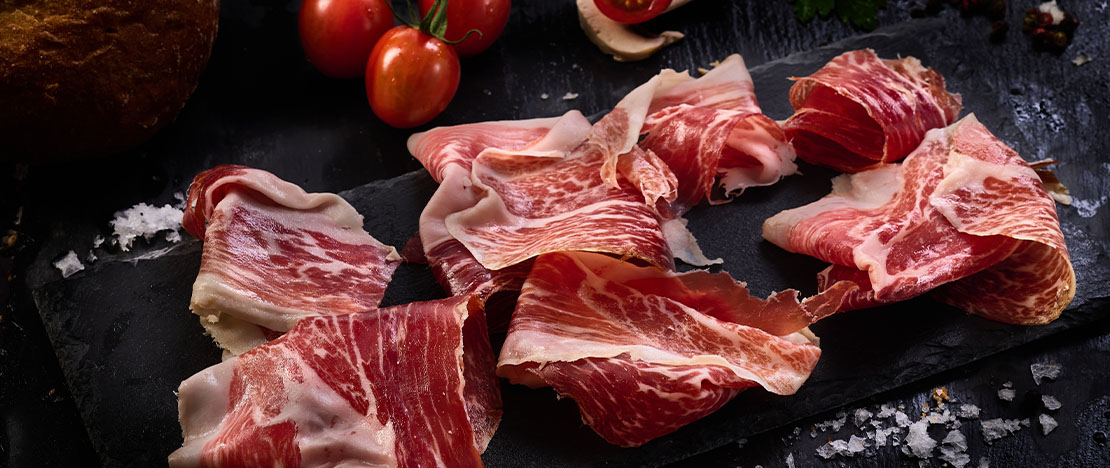
Aracena: in the homeland of Iberian ham
Nestled in the heart of Huelva’s dehesa, beside the mountain range from which it takes its name, this white village of Andalusian origin retains the charm of its past within its centuries-old walls. A stroll through its streets takes you past a medieval castle, Baroque palaces, the Priory Church of Nuestra Señora del Mayor Dolor and a maze of whitewashed houses adorned with flowerpots.Aracena, together with its neighbouring town of Jabugo, is the heartland of Iberian pig breeding and the production of its prized Iberian hams. Visit the cellars where the cured meats are left to mature in the cool breezes blowing down from the mountains, in a process that can take more than four years. Don’t miss the Ham Fair at the end of October, featuring tastings, ham-slicing competitions and the ‘Your Weight in Ham’ competition. Bonus. In Aracena lies the Gruta de las Maravillas (the Cave of Wonders), a spectacular complex of limestone galleries and underground lakes, situated beneath the hill on which the village stands.
-
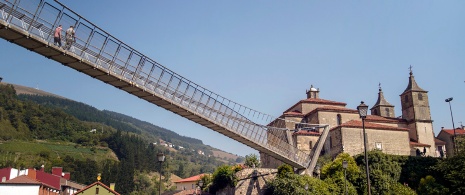
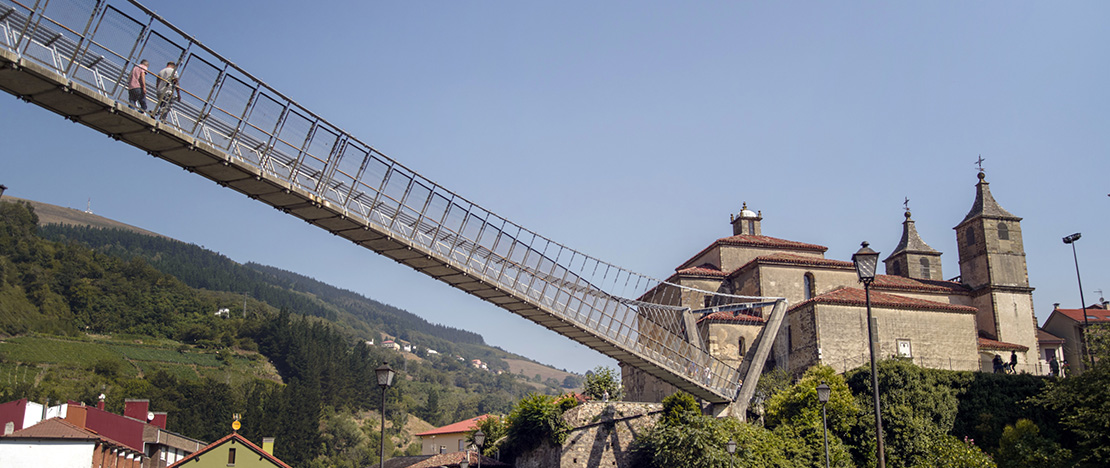
Cangas del Narcea: heroic farming and the flavours of the mountains
This village in the Principality of Asturias, near the Somiedo Natural Park, retains the essence of a region traditionally linked to livestock farming, agriculture and the sustainable use of the landscape. A stroll through the old town allows you to discover stately palaces such as those of Pambley, Omaña, Uría and Toreno, built between the 16th and 18th centuries, as well as the Monastery of Corias, known as the ‘Asturian Escorial’ due to its size and rich heritage. Today it is home to one of the largest Paradores in the chain.One of the destination’s main attractions is its mountain viticulture, regarded as a prime example of ‘heroic agriculture’, with vineyards planted on steep slopes that require the grapes to be harvested by hand. Visit the vineyards and taste the limited-production wines made by the small wineries of the PDO Cangas. And, if you’re travelling in the summer, make the most of the La Descarga festival, where everything revolves around fireworks.Bonus. Head to the village of Genestoso (about 24 kilometres away) to find out how one of Spain’s most distinctive cheeses, both in flavour and shape, is made. Their moulds are made from strips of esparto grass, a technique brought over by transhumant shepherds.
-
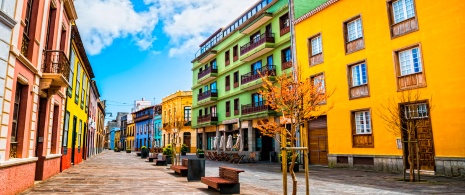
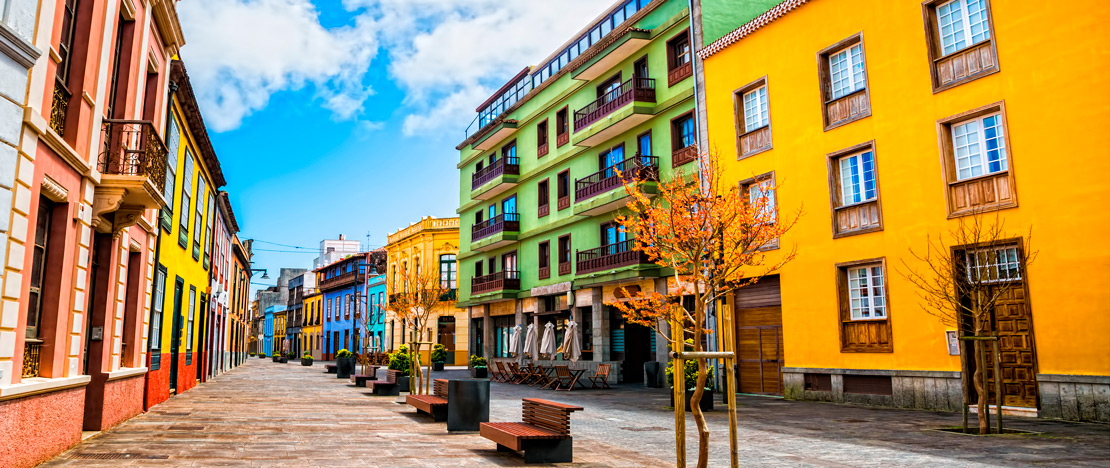
La Laguna: a bridge between continents
Situated on the Canary Islands of Tenerife, on the shores of the Atlantic Ocean, lies San Cristóbal de La Laguna, considered to be the first modern colonial city. Founded in the late 15th century, its urban planning and architectural style were adopted in hundreds of places across the Americas. That is why it is regarded as a cultural bridge between Europe and that continent.The same is true of its gastronomy: its cuisine is a fine example of cultural fusion. Check it out at the Municipal Market and admire the variety of products on sale. Then try the stews and casseroles made with meat, fish, pulses, vegetables and grains served in their restaurants. Here you can also learn how to make the traditional papas con mojo (‘wrinkled' potatoes with sauce) and Canary Island gofio (a type of flour made from toasted cereals). Enjoy the local pastries, which have certain distinctive features compared to other Spanish sweets, such as the use of guava.Bonus. Walk along the trails of the Anaga Massif Biosphere Reserve, with its mysterious laurel forests and vertiginous cliffs overlooking the sea.
These villages are just a small example of everything the Network of Gastronomic Villages of Spain has to offer. Discover destinations where local cuisine, local produce, heritage and the landscape come together to offer authentic experiences all year round. Discover more destinations and ideas for your trip on Spain.info.
Travel plans for inspiring you


Book yours
Choose between thousands of activities to live your best life on holiday.