Saffron from Castile-La Mancha: a journey through flowers, windmills and rich flavours
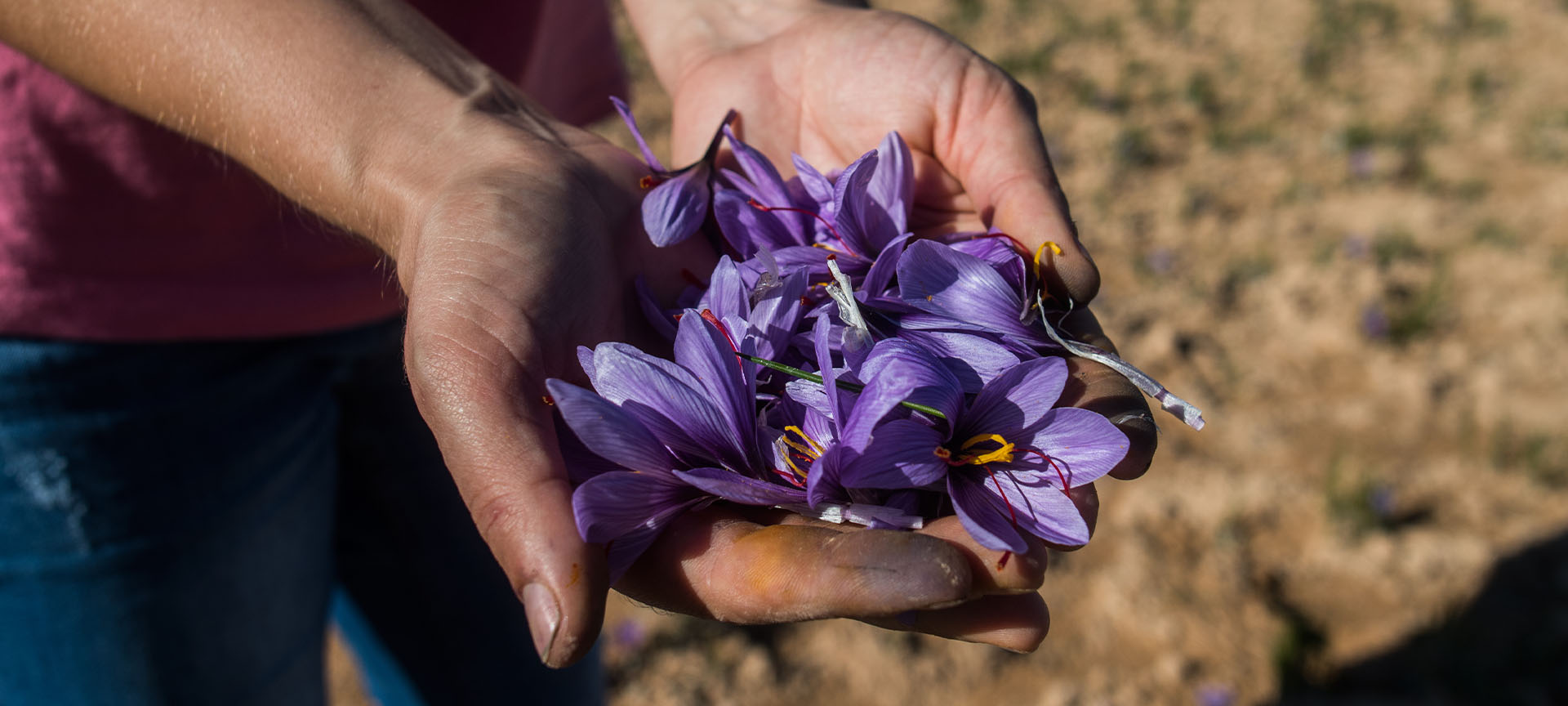
Discover the world’s most expensive spice, as you explore villages with an authentic rural atmosphere, visit windmills and take in the landscapes that form the backdrop to Don Quixote’s adventures. In Castile-La Mancha, saffron is much more than just a culinary ingredient: it forms part of the history, traditions and identity of this region, which is so characteristic of inland Spain. Known as ‘red gold’, it is grown and processed according to a tradition that has been passed down for centuries. Every autumn, the delicate violet flowers herald the start of a brief but intense harvesting season, which transforms life in the villages where it takes place. Visiting them is a different way of discovering the region, tasting traditional recipes, taking part in local celebrations and exploring some of the region’s most attractive spots.
-
Saffron from Castile-La Mancha: what it’s like and why it’s so valuable
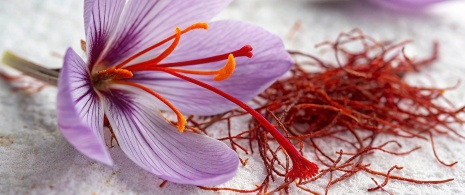
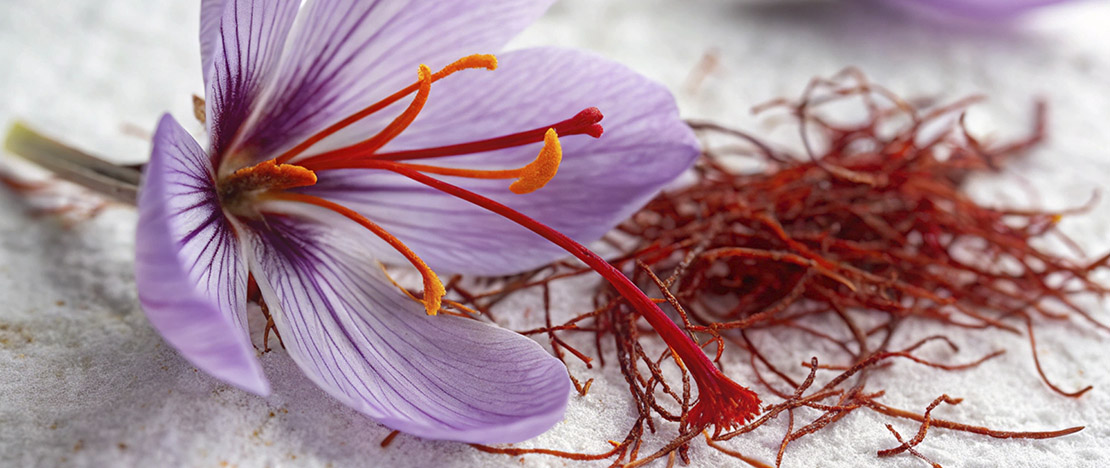
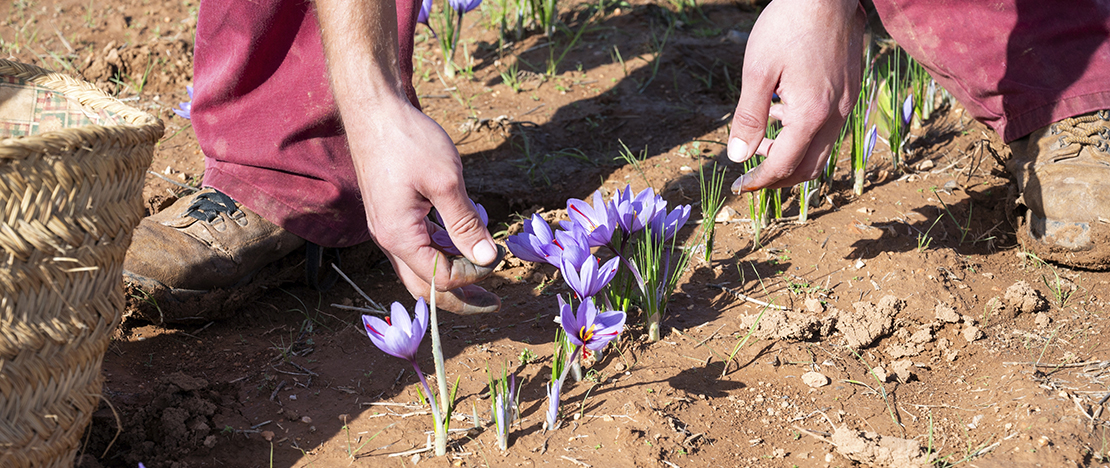
Few spices combine such a rich tradition with such a delicate flavour as saffron. It is obtained from the three red stigmas of the Crocus sativus flower, a plant that flowers for a few weeks in autumn. Producing just one kilogram of saffron involves harvesting and processing many thousands of flowers. Behind every strand lies meticulous work. The flowers are picked by hand, usually first thing in the morning, and then the ‘monda’ takes place, a manual task that involves separating the red stigmas from the rest of the flower. The beans are then subjected to a careful roasting process which helps to enhance their qualities and ensures they are preserved for a long time. Its intense aroma, distinctive flavour and that golden-orange colour it lends to all kinds of recipes make it a highly prized ingredient in both traditional and contemporary cuisine. Saffron from La Mancha has Protected Designation of Origin (PDO) status, a designation that guarantees the origin and characteristics of the product covered by this quality label.
-
Where to find saffron: Consuegra and Madridejos
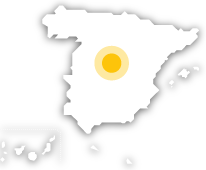
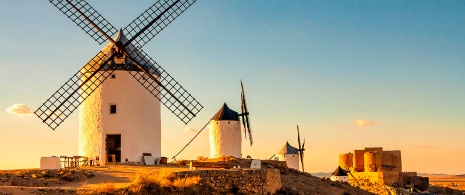
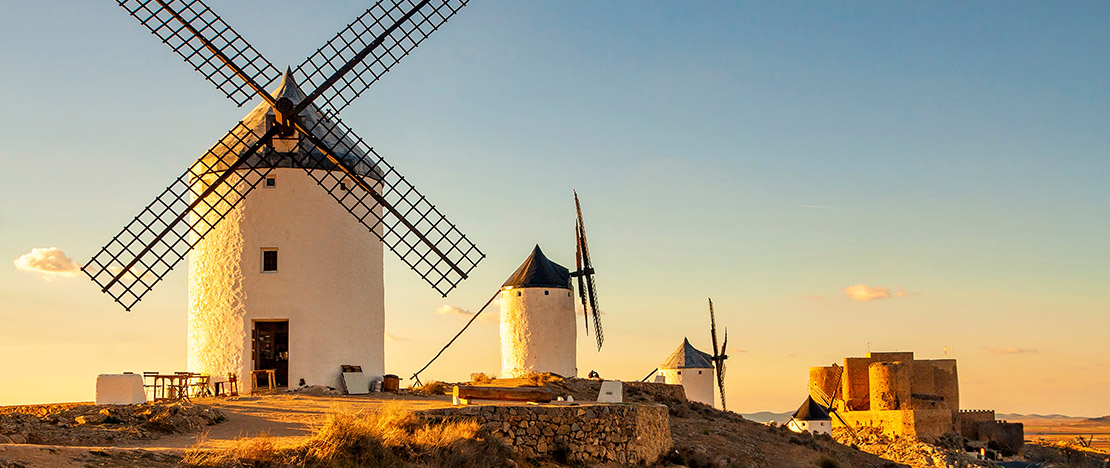
One of the best places to start exploring the world of saffron is Consuegra, in the province of Toledo. This town in La Mancha, famous for its windmills, celebrates the Saffron Rose Festival every autumn, one of the most iconic events in the saffron-growing tradition. It takes place every autumn, coinciding with the spice’s flowering and harvesting season. During the celebrations, you’ll be able to experience the traditional tasks of harvesting and husking, discover local produce and enjoy culinary activities, music and folk traditions. The demonstrations of how the strands are extracted help us to understand the value of this spice and just how much craftsmanship goes into producing such a small quantity of the product. The visit also offers an extraordinary cultural heritage experience. Cerro Calderico is home to the town’s castle and its famous windmills, which evoke the landscapes described by Miguel de Cervantes in *Don Quixote of La Mancha*. Gazing out from here at the vastness of the plains of La Mancha and then strolling through the streets of the historic quarter are experiences that round off the visit. A few kilometres away lies Madridejos, home to the Saffron and Ethnographic Museum, a venue dedicated to preserving and promoting the agricultural practices, traditional tools and customs associated with this spice. In this village, you can discover typical buildings, such as silos – traditional underground dwellings. It is also an opportunity to understand how the landscape, agriculture and ways of life have evolved over time. If you’d like to continue exploring the heritage and landscapes of La Mancha, you can follow the Consuegra and Madridejos windmill route, which combines traditional architecture, Cervantes-inspired landscapes and places linked to the saffron culture. There are other towns in the region associated with the cultivation and production of saffron. For example, Villafranca de los Caballeros, also in Toledo, where, in addition to the cultivation of this flower, the landscape is characterised by its lakes, which form part of the La Mancha Húmeda biosphere reserve. Then there is Villarrobledo, in the province of Albacete, where the saffron fields rival the vineyards, as the area surrounding this town is considered one of the largest vineyards in the world, covering more than 30,000 hectares.
-
When to enjoy saffron in Castile-La Mancha
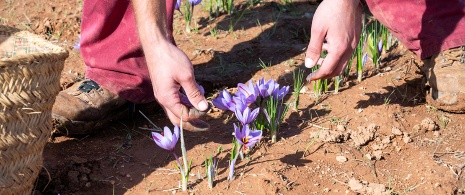
Autumn is the best time to learn first-hand about the cultivation of this spice. Flowering usually takes place between October and November, although the exact dates depend on the weather conditions. It is at this time that the fields are ablaze with their characteristic violet flowers and the producing villages step up their harvesting and processing efforts. If you’d like to find out about the harvesting process or attend a demonstration, it’s advisable to plan your trip in advance. What if you travel during a different season? Saffron can also be found throughout the rest of the year. The region’s museums, restaurants and specialist shops offer visitors the chance to discover its history and enjoy its culinary delights whatever the season.
-
Other experiences to experience and enjoy the ‘red gold’
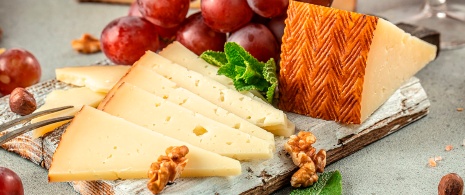
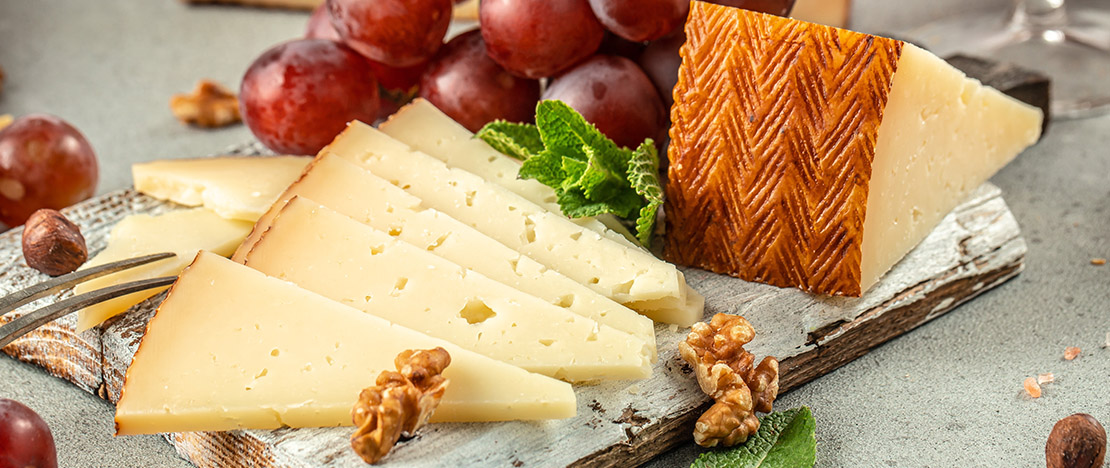
Visitors can learn about saffron from Castile-La Mancha through experiences that give them an insight into its cultivation, production and culinary uses. In Madridejos, for example, you can round off your visit to the Saffron Museum with a tour of a saffron field. It is advisable to check the dates and availability of visits in advance. In the region’s restaurants, you can sample all sorts of dishes made with this spice. From a Mediterranean-style or country-style rice dish, to a cocido soup flavoured with it, right through to a meatball stew or chicken pepitoria, each recipe shows how just a few strands can transform the dish’s original flavours and aromas. Ask about the seasonal specialities and the dishes that feature genuine La Mancha saffron. Do also pop into shops specialising in regional produce, where you can find out about traditional production methods and the different types and grades of saffron. It is sold exclusively in packets of up to 100 grams. You’ll also be able to discover other products, such as Manchego cheeses with Protected Designation of Origin (PDO) status, and a wide variety of local wines. Some of these towns are also part of the La Mancha wine route.
-
The journey continues amongst mills, historic villages and the landscapes of La Mancha
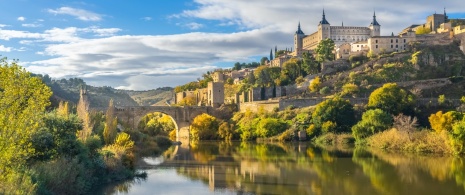
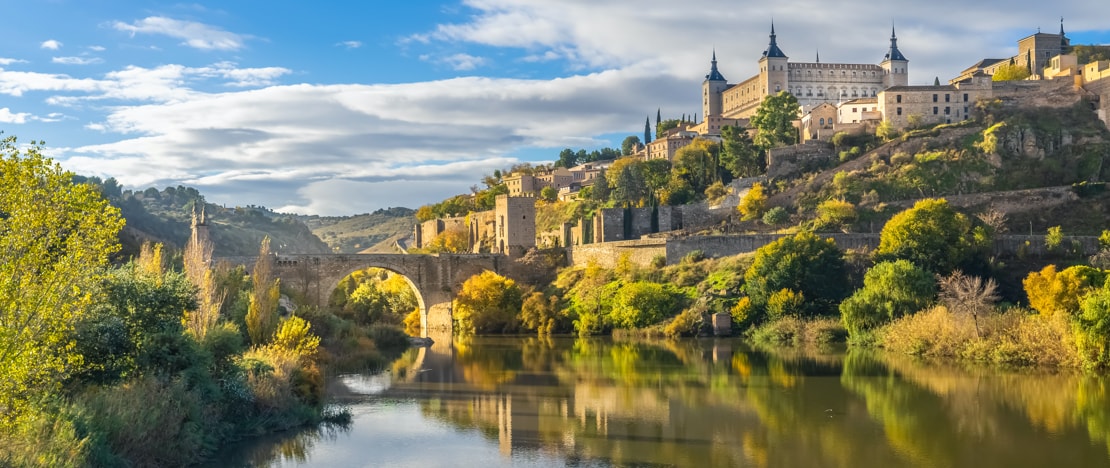
The towns mentioned can serve as a starting point for exploring other attractions in Castile-La Mancha. One of the best options is to visit Toledo, a World Heritage City. Its impressive historic quarter preserves the legacy of Christian, Jewish and Muslim cultures. Wander through its narrow streets, visit the Cathedral and the alcázar, stroll through its historic neighbourhoods and take in the panoramic views of the city over the River Tagus. Its cuisine, featuring dishes that often include saffron, and its traditional marzipan provide the perfect culinary finale to the visit. If you’d prefer to continue exploring the landscapes of Don Quixote, you can head to Campo de Criptana, in the province of Ciudad Real. Its mills are one of the region’s most iconic sights. It is the perfect place to enjoy the wide-open horizons of La Mancha and discover the close connection between its landscape and world literature. Another option is Almagro, a town renowned for its historical heritage and tradition in the performing arts. The main square, with its distinctive arcades, and the Corral de Comedias, an extraordinary example of Spanish Golden Age architecture, invite you to continue your journey through architecture, culture and gastronomy. In this way, a short break to discover the little violet flower that is the source of ‘the world’s most expensive spice’ can turn into a comprehensive tour of Castile-La Mancha, brimming with attractions. You can find more ideas for exploring this region on the page Spain.info. #alimentosdespaña

Book yours
Choose between thousands of activities to live your best life on holiday.