What are the wines like?
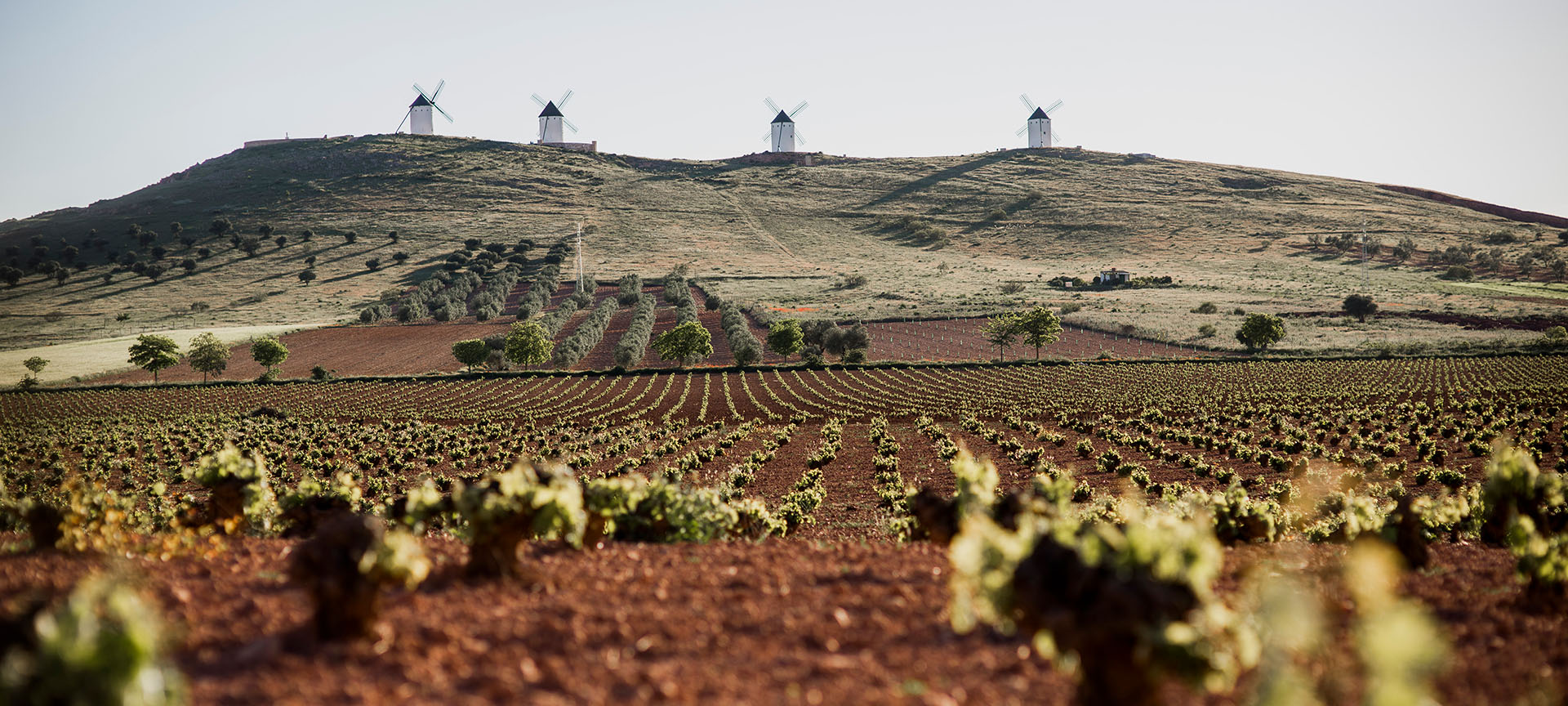
La Mancha is one of the largest wine-growing regions in the world and has a wide variety of grapes. The Airén grape is the most widely grown grape and offers new possibilities thanks to the increase in consumption of white and sparkling wines and its resistance to climate change. Other white varieties are Macabeo, followed by Chardonnay, Sauvingon Blanc, Verdejo and Moscatel. Cencibel or Tempranillo is the most cultivated red grape, followed by Syrah, Cabernet Sauvignon, Garnacha and Merlot.The vines are in very good health and need little treatment thanks to the limestone and clay soils, an altitude of between 600 and 800 metres, the extreme climate, more than 3,000 hours of sunlight per year and minimal rainfall. There are many winemakers in La Mancha who are committed to natural, organic and sustainable products.

Wines on La Mancha wine route
©
ACEVIN
What I can find
Walks through the vineyard, a tasting session under the stars, learning to distinguish grape varieties, choosing the best wine pairing, listening to the sounds of half-fermented wine, or tasting from the barrel are some of the activities available. There are other options for children: must tastings, interactive and sensorial experiences in the museums, workshops with games and plastic activities, milling, etc. Alongside the 19th century wineries that hide behind thick adobe walls and those that use traditional earthenware vessels in winemaking, there are those that produce millions of litres of wine and use state-of-the-art technology, those that are the third and fourth generation of winemakers or those that apply sustainable agriculture and produce organic wines. Accommodation and restaurants offer the best of La Mancha's gastronomy. Lamb, pork and cod for the traditional, rustic dishes atascaburras and tiznao; roasts, game dishes such as gazpacho de pastor or galianos; rabbit, partridge; pepitorias, pickles, stews and the best sweets. There are also traditional festivals and pilgrimages such as the Virgen de las Viñas festival in Tomelloso; the Manchegan May Festival; the Gastronomic Events; the famous '1000 No Se Equivocan' wine competition; the well-established Viña Rock festival, or the more recent Airén Fest and Festial.
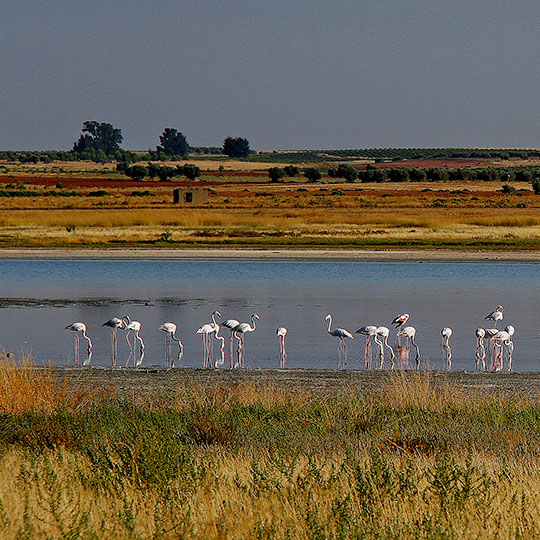
Lagoon with flamingos on the La Mancha wine route
©
ACEVIN
How to get here
Thanks to its privileged location in the centre of the Iberian Peninsula, the La Mancha Wine Route is within easy reach of any part of Spain. It is fully accessible by road via the A-4, the A-43, the CM-42 and the AP-36. It is also well connected by train, with seven stations.
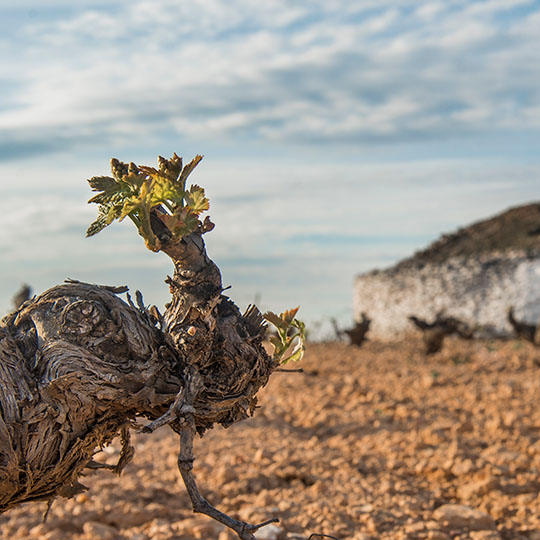
Vineyard on the La Mancha wine route
©
ACEVIN