
DAY 1
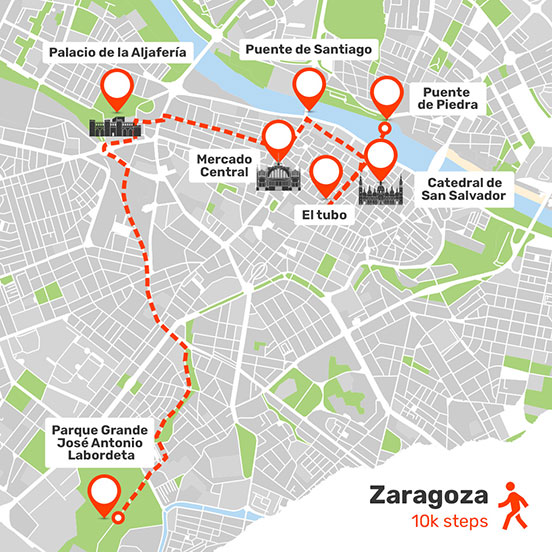
If this is your first time in Zaragoza, spend the first day getting to know the old town and the surroundings of Plaza del Pilar.
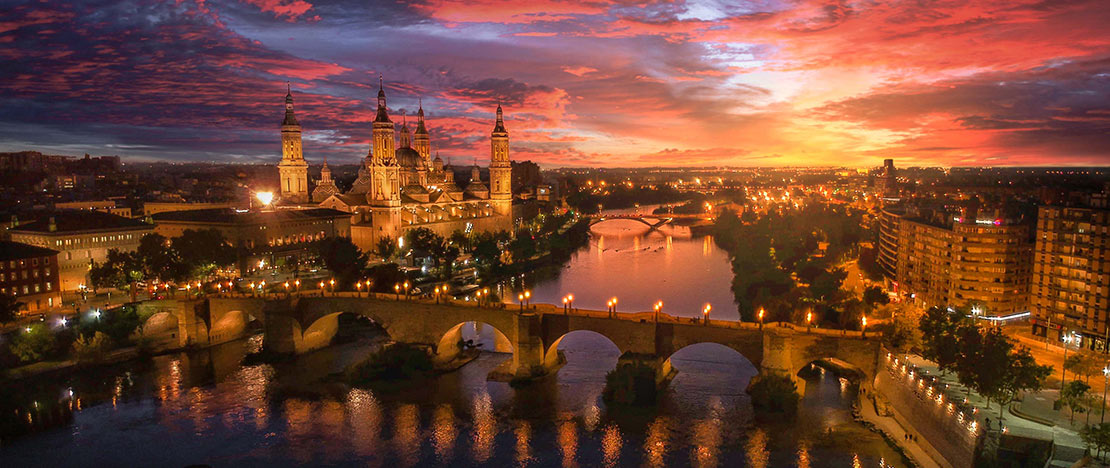
Must-see sights: The Basilica and the cathedral
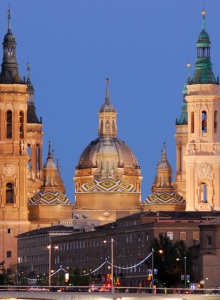
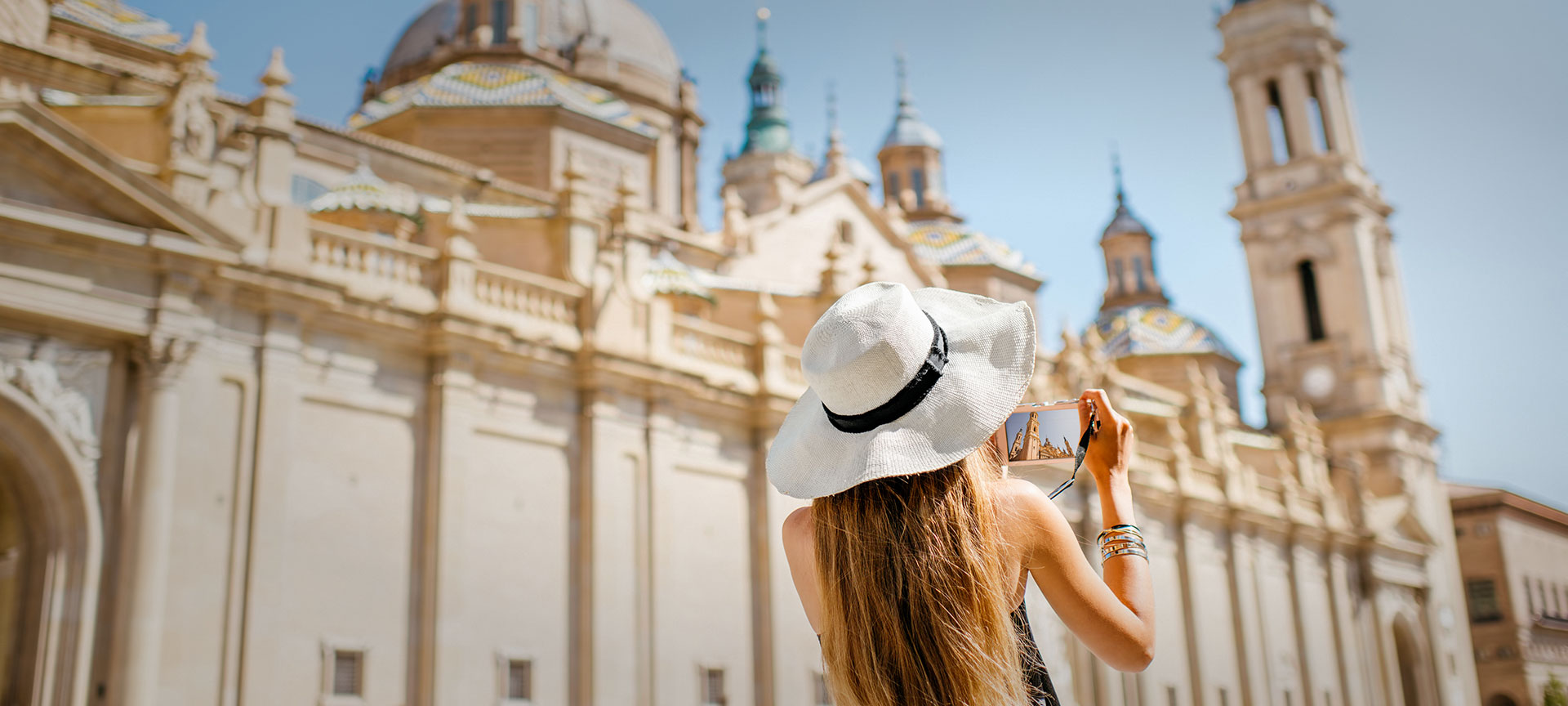
There are many must-see sights, but two are unmissable: the two cathedrals of Zaragoza: the Basilica of Our Lady of the Pillar and the Cathedral of San Salvador.In the Basilica of Our Lady of the Pillar, pay attention to the details of the 16th-century main altarpiece, the works of Goya, the tower-viewpoint of San Francisco de Borja, and, of course, the beautiful carving of Our Lady of the Pillar.
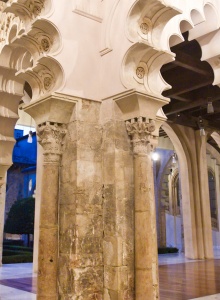
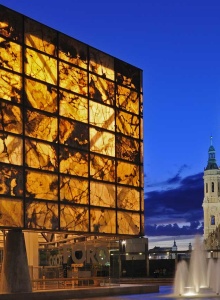
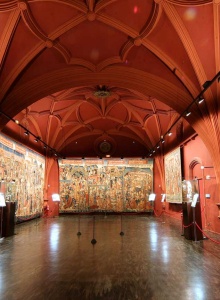
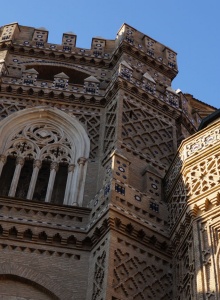
Near the Basilica of Our Lady of the Pillar, there are other iconic city landmarks: the main Zaragoza City Hall building, the Lonja (Merchants' Exchange), Goya’s cenotaph, the Archbishop’s Palace (home to the Alma Mater Museum), and the Museum of the Caesaraugusta Forum.The second must-see site is the Cathedral of San Salvador (also known as La Seo), the city’s main church and a jewel of Aragonese Mudéjar art, which houses the magnificent Museum of Flemish Tapestries.
The pleasure of eating in Zaragoza
In Zaragoza, you can choose from a multitude of restaurants, taverns and bars to enjoy the local cuisine, ranging from the most traditional tapas to highly innovative culinary creations. You can also choose between a traditional sit-down meal or a tapas crawl through the city’s most popular areas: El Tubo, Plaza San Miguel, the La Magdalena district, Plaza Santa Marta, the Central Market, Plaza San Francisco and many others. Zaragoza is a vibrant city, full of social activity and a constant, lively atmosphere. Its bustling streets invite you to sit on a terrace and enjoy the delicious flavours of the local tapas.

An afternoon of culture and local colour
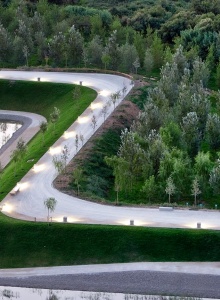
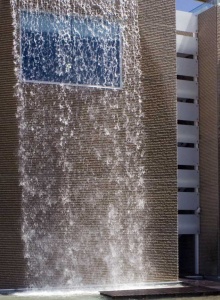
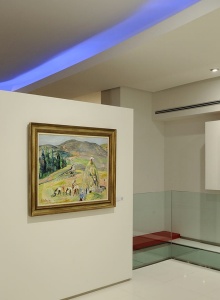
Without leaving the old town, you can continue exploring Zaragoza’s past by visiting the Roman remains of ancient Caesaraugusta at the museums dedicated to the river port, the theatre, the forum, or the thermal baths. Alternatively, you can explore other artistic styles through museums dedicated to specific masters: the brilliance of Francisco de Goya at the Goya Museum; the avant-garde work of Pablo Gargallo at the Pablo Gargallo Museum - housed in the Renaissance-era palace of the Counts of Argillo - or the genius of Pablo Serrano at the Aragonese Institute of Contemporary Art and Culture (IAACC Pablo Serrano).We can also choose from the numerous cultural venues, exhibition halls and historic sites turned into museums available in the city to satisfy our cultural curiosity: the Zaragoza Museum (featuring archaeological artifacts from the province of Zaragoza and a significant collection of works by Goya, among other items), the Museum of Natural Sciences, the Patio de la Infanta (a room from the former Zaporta palace-residence), CaixaForum, and the Real Maestranza de Caballería, among others. Now take a tram or go for a pleasant stroll away from the city centre, until you reach the Grande Jose Antonio Labordeta park, Zaragoza's main park. It is a space that stands out for its diverse, meticulously designed settings, as well as its fountains, terraces and viewpoints. Its paths and gardens showcase events, live music, temporary exhibitions and even festivals such as "Zaragoza Florece".
Tapas night
In Zaragoza, there are various areas to choose from for a delicious dinner of tapas. Whether in the charming Plaza San Francisco, along Calle Bretón, in the Delicias or La Bombarda neighbourhoods, in San José, in Torrero, or even back in the old town - in areas like El Tubo, La Magdalena, or San Miguel - you can enjoy the evening atmosphere on the outdoor terraces and a culinary fusion that blends tradition with the avant-garde.