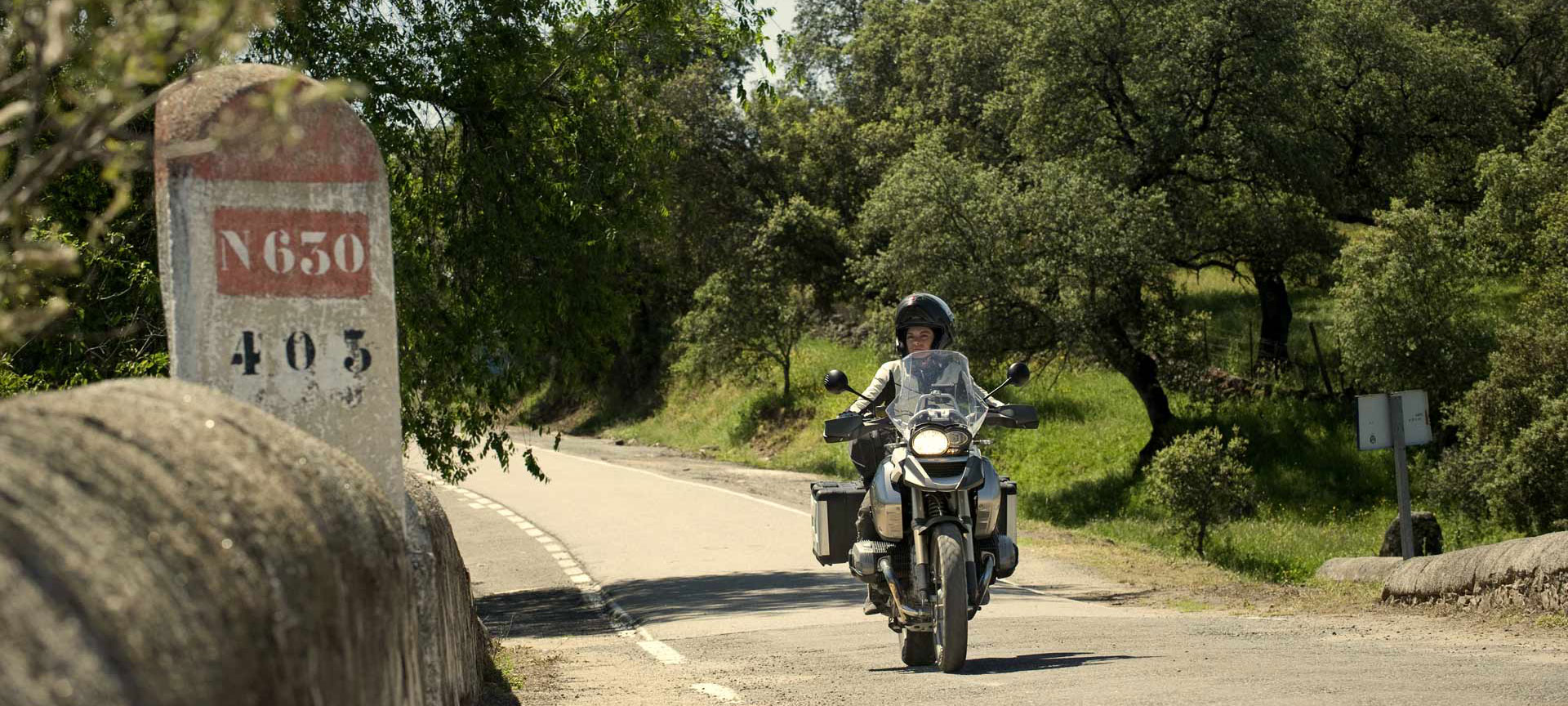
Motorcyclist on the Silver Route

The Silver Route by motorbike

none

Spain’s Route 66


A journey of over 800 kilometers along the A-66 and N-630 highways. It originally linked the south of Roman Hispania with the north of Spain. Today’s route features numerous attractions and is ideal for a motorcycle trip. Although the route can be completed in three days, including sightseeing stops, you can always extend the trip or complete sections of it as short breaks.

A historic route

It was the main transport route during the Roman Empire in Spain, and today the A-66 and N-630 roads allow you to travel along it by motorbike. The route runs from Seville (in Andalusia, southern Spain) to Gijón (in Asturias, in the north). You can do it on your own motorbike, hire one in Spain or book an organised guided tour.

Contrasting landscapes

Nature is one of the route’s main attractions. The landscape of the south is characterised by olive groves, dehesas (wooded pastures) abound in Extremadura, whilst the central region of Spain features the Central Plateau. As it heads north, the route passes through green valleys and climbs some fascinating mountain passes.The A-66 and N-630 are the fastest, most modern roads. The secondary routes take you deeper into the surroundings and are highly recommended for experiencing the route's immense scenic diversity.
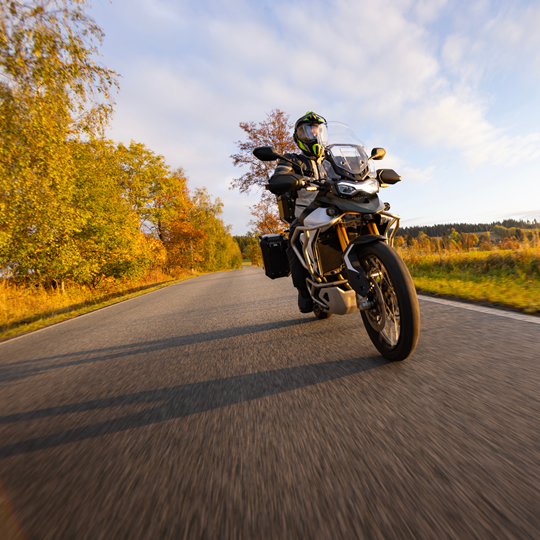
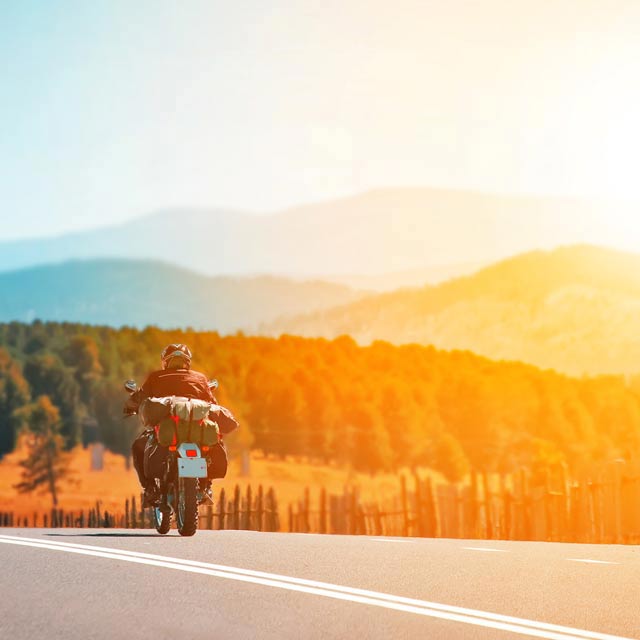
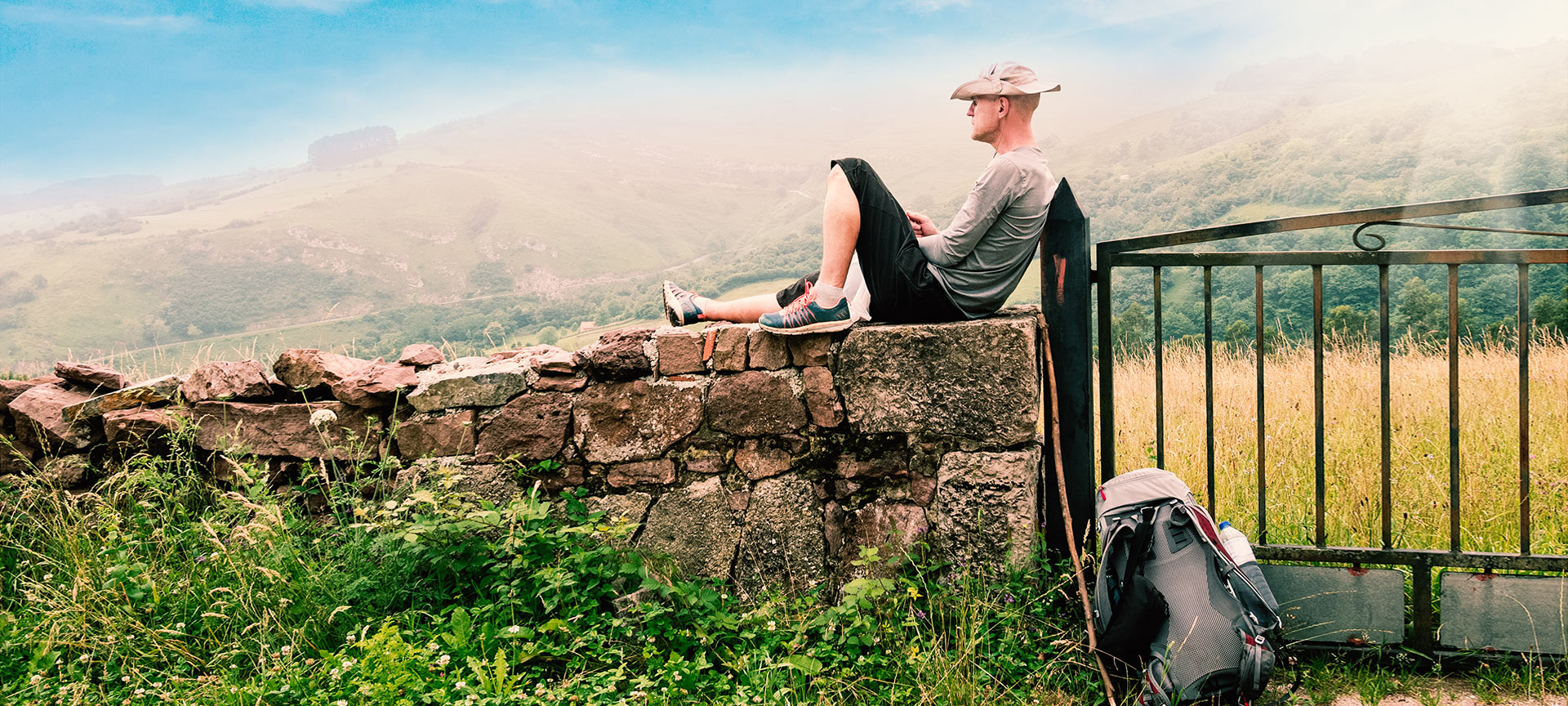
Motorcyclist on the route

Culture and heritage

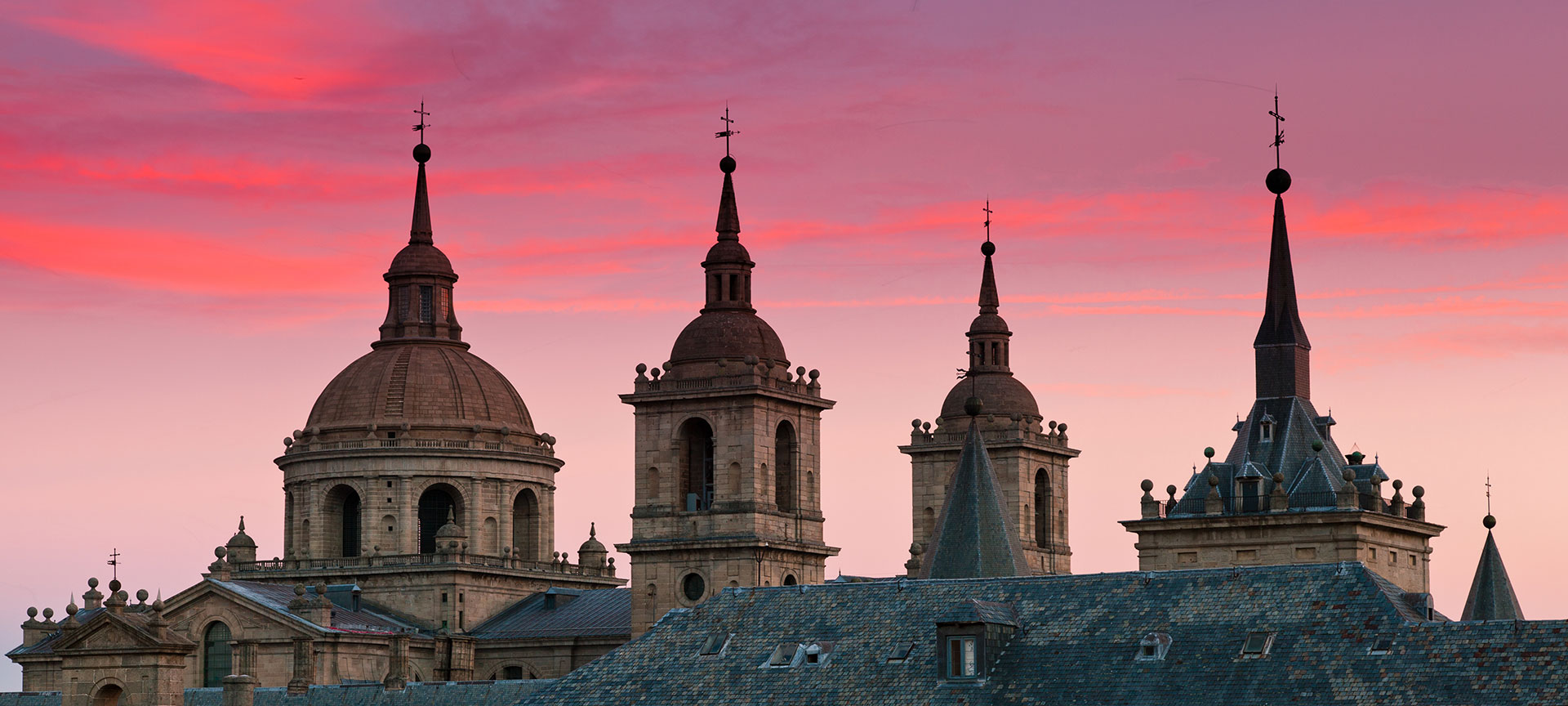
Art and culture are ever-present along the Silver Route. Its Roman origins are intertwined with the legacy of the various civilisations that have inhabited the country in towns such as Seville, Zafra, Plasencia, Hervás, Baños de Montemayor, Béjar, Zamora, León and Gijón. What’s more, on this route you can visit two World Heritage Cities: Mérida (home to one of the best-preserved Roman monumental ensembles in the world) and Cáceres (where the Jewish quarter stands alongside Roman, Mudejar and Renaissance monuments).

Biker’s passport

The route is particularly appealing to motorcycle enthusiasts, as it winds through landscapes that heighten the sense of freedom and offers all the necessary facilities, with special perks such as the motorbike passport.If you’re a motor racing fan and you’re passing through Gijón, you might like to visit the Fernando Alonso Museum. If you’re doing the route in August, bear in mind that La Bañeza (in the province of León) hosts a popular classic motorbike race on its streets during that month.

Motorcyclist on the route

Special accommodation

You will find unique places to stay, such as a 14th-century Moorish fortress (Parador de Carmona), a 15th-century castle (Parador de Zafra), a 16th-century monastery (Parador de León), a 15th-century convent (Parador de Plasencia) or a Renaissance palace (Parador de Cáceres), amongst others…Also look out for the ‘Motorbike Friendly Club’ logo to find hotels, restaurants and tourist centres that offer special protocols and services for motorcyclists. 

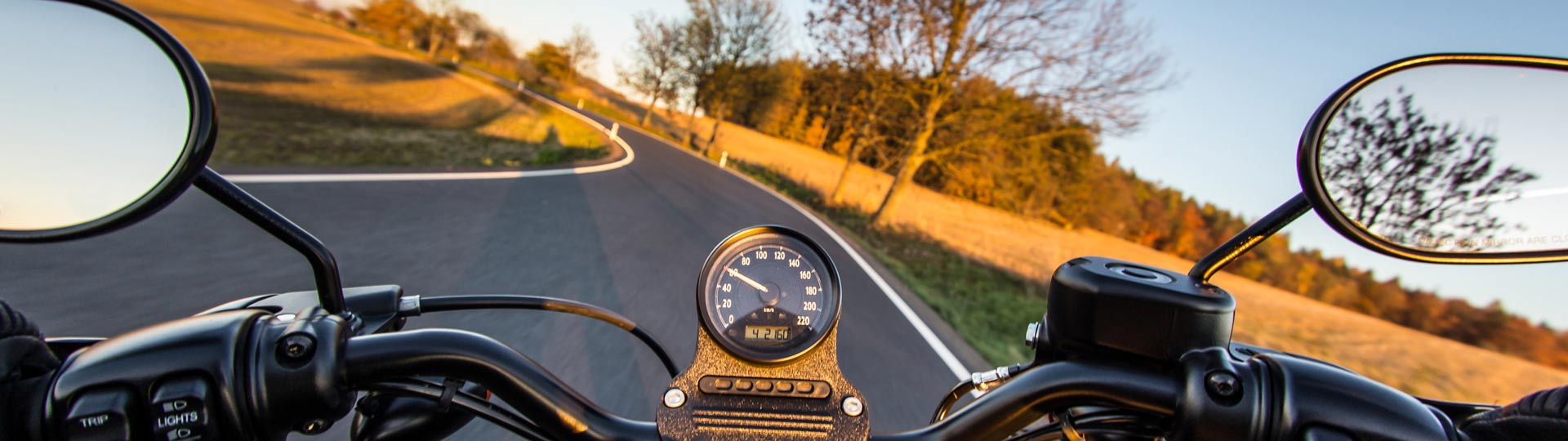
A first-person view of a motorbike on the road