Five UNESCO Creative Cities in Spain: ingenuity takes centre stage

There are places that stay with you because of their rich heritage, and others because of the emotions a visit there stirs within you. Cities where you can find yourself mesmerised by a song echoing through a square. Or fall in love with a bookshop tucked away in a cobbled alley. There are also those where you’ll feel as though you’ve been transported back in time by a dish passed down through the generations. Or where you can admire façades that tell you more about the past than any history book ever could.Spain is so much more than just its extraordinary monuments. Its towns and villages are vibrant places where creativity finds expression through gastronomy, music, literature, film, architecture, design… A country that invites you to discover its culture as an experience that unfolds with every step you take through its different regions.The UNESCO Creative Cities Network recognises destinations that use creativity as a means of preserving their identity, strengthening cultural life and raising their international profile.We invite you to discover five Spanish cities that form part of this international network. Five different ways to experience culture and discover destinations where creativity is part of everyday life, beyond the usual tourist routes.
-
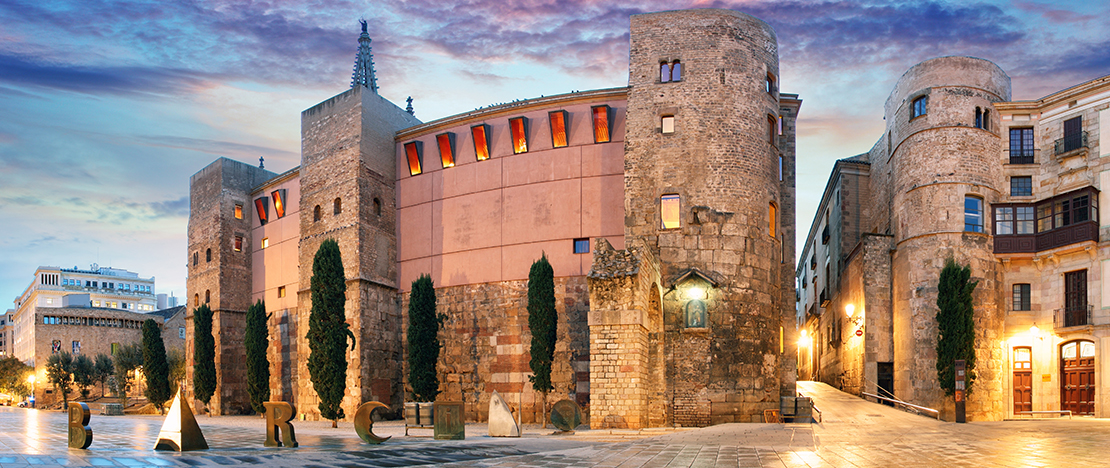
Barcelona: amongst books and literary trails
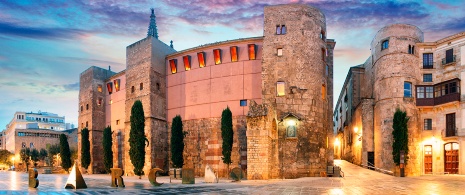
Barcelona is one of the major publishing centres. To understand this, you simply need to take a stroll through the Gothic Quarter or El Born, discovering shop windows brimming with new book releases, shops with decades of history, and corners that look as though they’ve been plucked straight out of a novel.Things to do in Barcelona. The city invites you to explore iconic bookshops, such as Fabre, founded in 1860, the oldest in the city. Also, do pop along to the second-hand book stalls at the Mercat de Sant Antoni. Or to follow in the footsteps of writers such as Eduardo Mendoza and Carlos Ruiz Zafón through some of the settings that inspired their stories.If you’re travelling to Barcelona in April, why not experience the festival of Sant Jordi, when the streets are filled with roses, books and cultural activities, turning the city into one big celebration of books.To complete your visitAdmire Antoni Gaudí’s modernist works, such as the Sagrada Familia or the Casa Batlló. Marvel at the vibrancy of its food markets, such as the one in Santa Caterina. And discover one of the most vibrant cultural scenes in the Mediterranean.
-
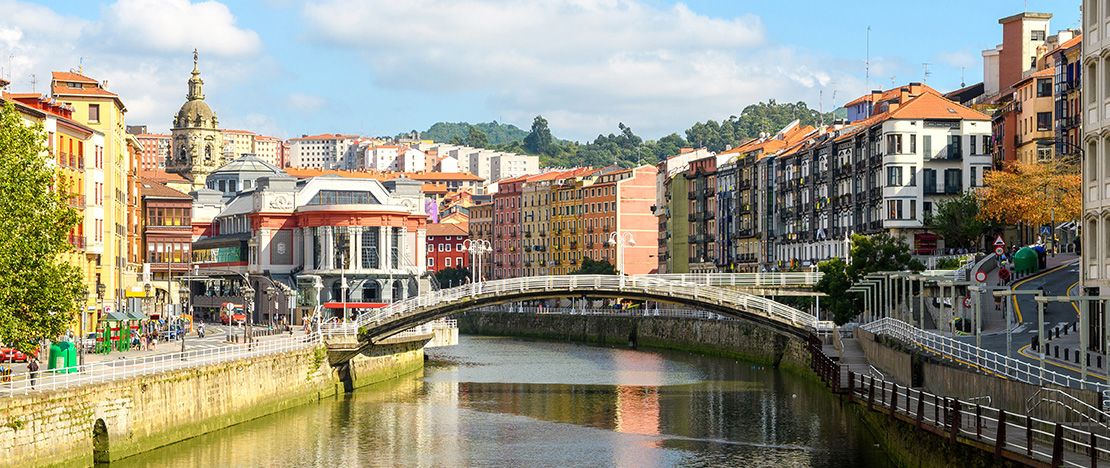
Bilbao, where design transformed the city
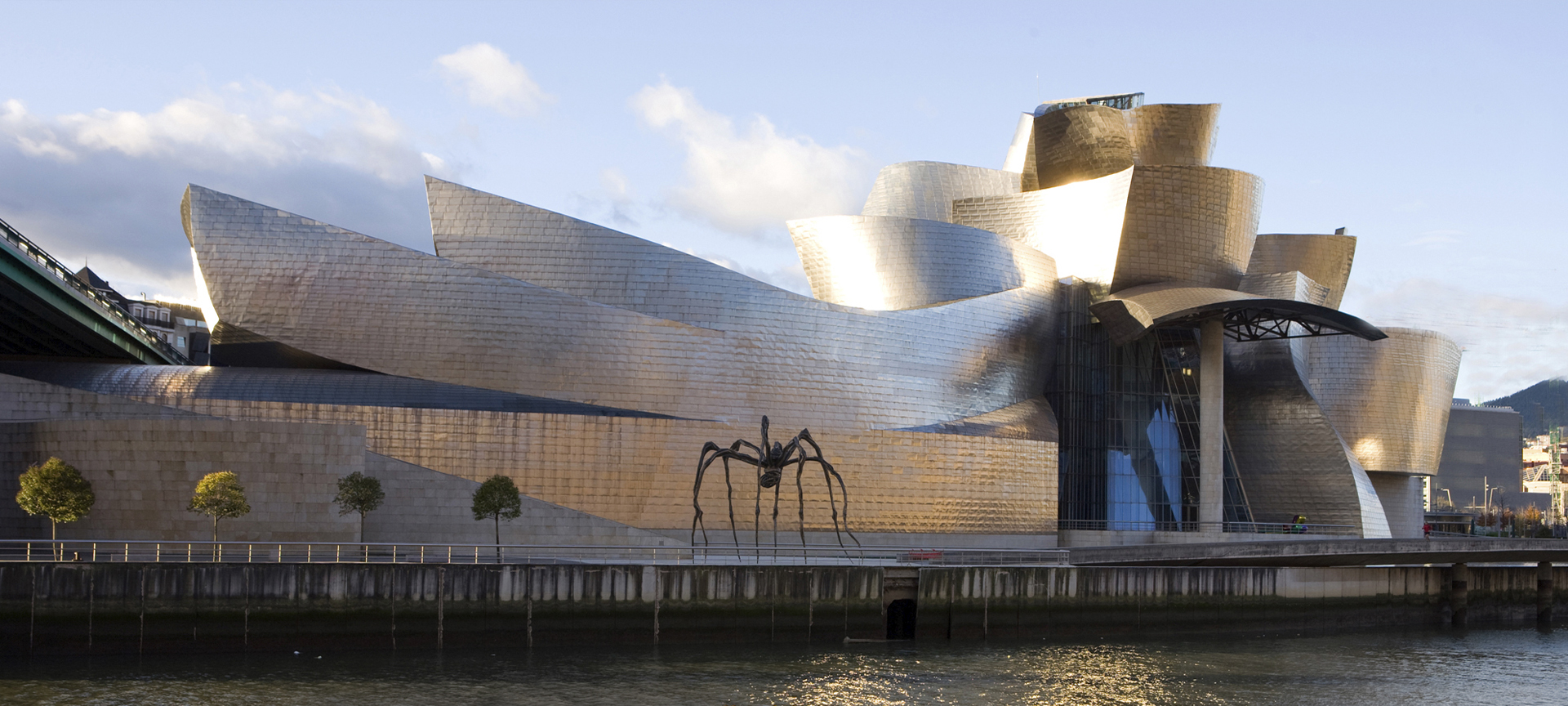
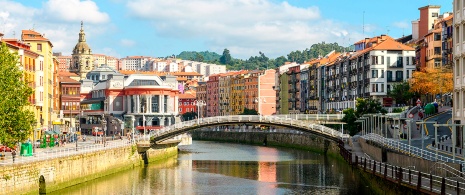
Until just a few decades ago, Bilbao was a city with a distinctly industrial character. Set against that backdrop, it is today one of the most inspiring examples of how creativity can reinvent a region without erasing its history.Stroll along its wide promenades, avenues and parks, and walk alongside the Nervión ria to discover a city in constant dialogue between tradition and innovation: from the avant-garde Guggenheim Museum Bilbao and the various art galleries that have sprung up in the surrounding area, right through to former industrial sites that have been converted into Cultural Centres, such as Azkuna Zentroa- Alhóndiga. Together, they shape a city that is a veritable open-air aesthetic showcase.Monumental sculptures, avant-garde bridges and contemporary buildings complete an urban landscape where tradition and modernity coexist naturally.To complete your visitTreat yourself to some pintxos in the old quarter and head off to the Basque coast to discover cliffs, beaches and fishing villages such as Getxo, Santurtzi or Plentzia.
-
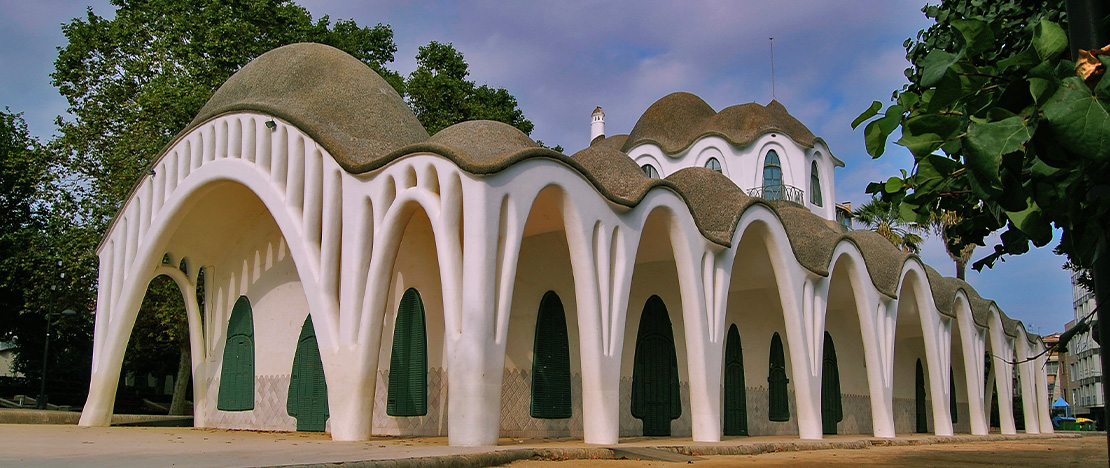
Terrassa, a city straight out of a film
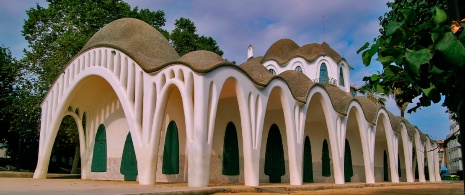
There are places that seem as if they were made to be filmed. In Terrassa, with its old factories, historic buildings and large industrial spaces – such as the Modernist Casa Museu Alegre de Sagrera and the Pascual Sala warehouse – has been the setting for numerous film and television productions.Here you can also visit the Parc Audiovisual de Catalunya, a space covering more than 50,000 square metres dedicated to drama. It was built on the site of the former Thoracic Hospital, a healthcare complex dating from the mid-20th century.The city also offers a variety of tours that allow you to discover filming locations, learn interesting facts about the productions filmed there and see how everyday spaces are transformed into film sets.To complete your visitJust a few kilometres away, is the Sant Llorenç del Munt i l’Obac Natural Park, a spectacular landscape formed by crags and monoliths of reddish conglomerate that contrast with the green of the pine and holm oak forests. Be sure to include the 11th-century Romanesque monastery, which gives its name to this natural area, in your itinerary.
-
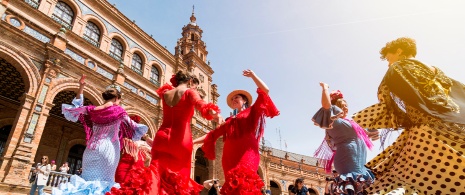
Seville, where it’s all about listening
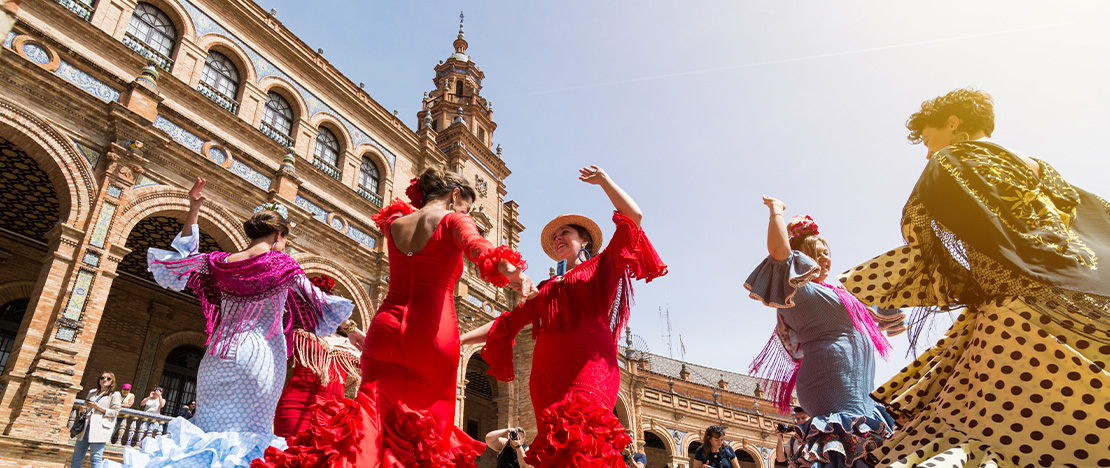
The capital of Andalusia is a city that you see, smell and hear. You can get a better feel for Seville through the sound of a guitar echoing in any of its flower-filled courtyards, the lively chatter that fills every corner, and by listening to the energetic buzz that fills the streets as evening falls.Amongst the sounds of the city, flamenco plays a key role. There are lots of ways to experience it for yourself. One of them is the tablao called El Patio Sevillano, the oldest in Seville. Founded in 1952, it has hosted the genre’s biggest stars.If your trip coincides with one of this great city’s major music events, the experience will be even more special. Some of the must-sees are the Flamenco Biennial and the Icónica Santalucía Seville Festival, which features performers representing a wide variety of musical styles.To complete your visitLet yourself be amazed by the Giralda, the Real Alcázar and the historic neighbourhoods that make Seville one of Spain’s most distinctive destinations.
-
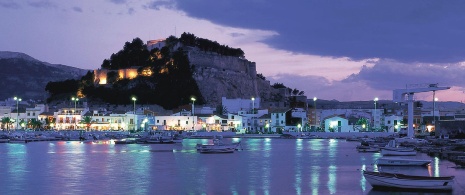
Dénia: the Mediterranean on a plate
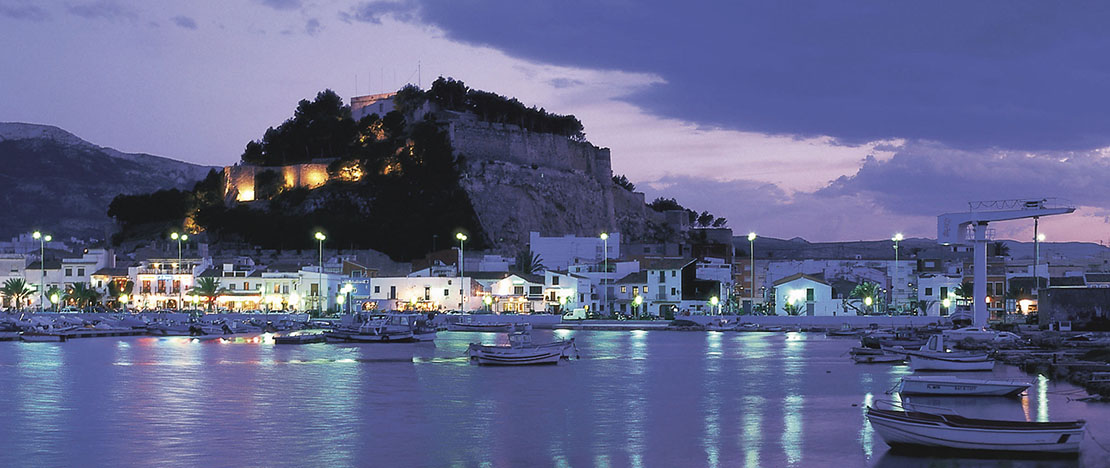
In Dénia, creativity manifests itself through sight, smell and, above all, taste. Here, gastronomy is a way of showcasing and understanding the region, of preserving its traditions and of innovating on the basis of excellent produce.Visiting the municipal market, strolling through the seaside neighbourhood of Baix la Mar or sitting by the harbour to sample the famous red prawns are just some of the experiences that will give you a taste of the town’s culinary character.So that you can experience that culinary tradition and try out fishing tourism first-hand, head to the fish exchange, where the catch arrives fresh every morning and is auctioned off for sale. The markets, restaurants and maritime activity serve as a constant reminder of the close relationship between Dénia and the Mediterranean.To complete your visitRelax on its beaches, sail along the coast or head up to the Montgó Natural Park, where you can admire the sea from above.
Explore the streets of UNESCO’s Creative Cities in Spain, sample the local cuisine, let yourself be captivated by the music, architecture or cinema, and enjoy experiences that will stay with you long after you’ve returned home. You can find the other destinations in this network and their cultural offers on the official website Spain.info.
Book yours
Choose between thousands of activities to live your best life on holiday.