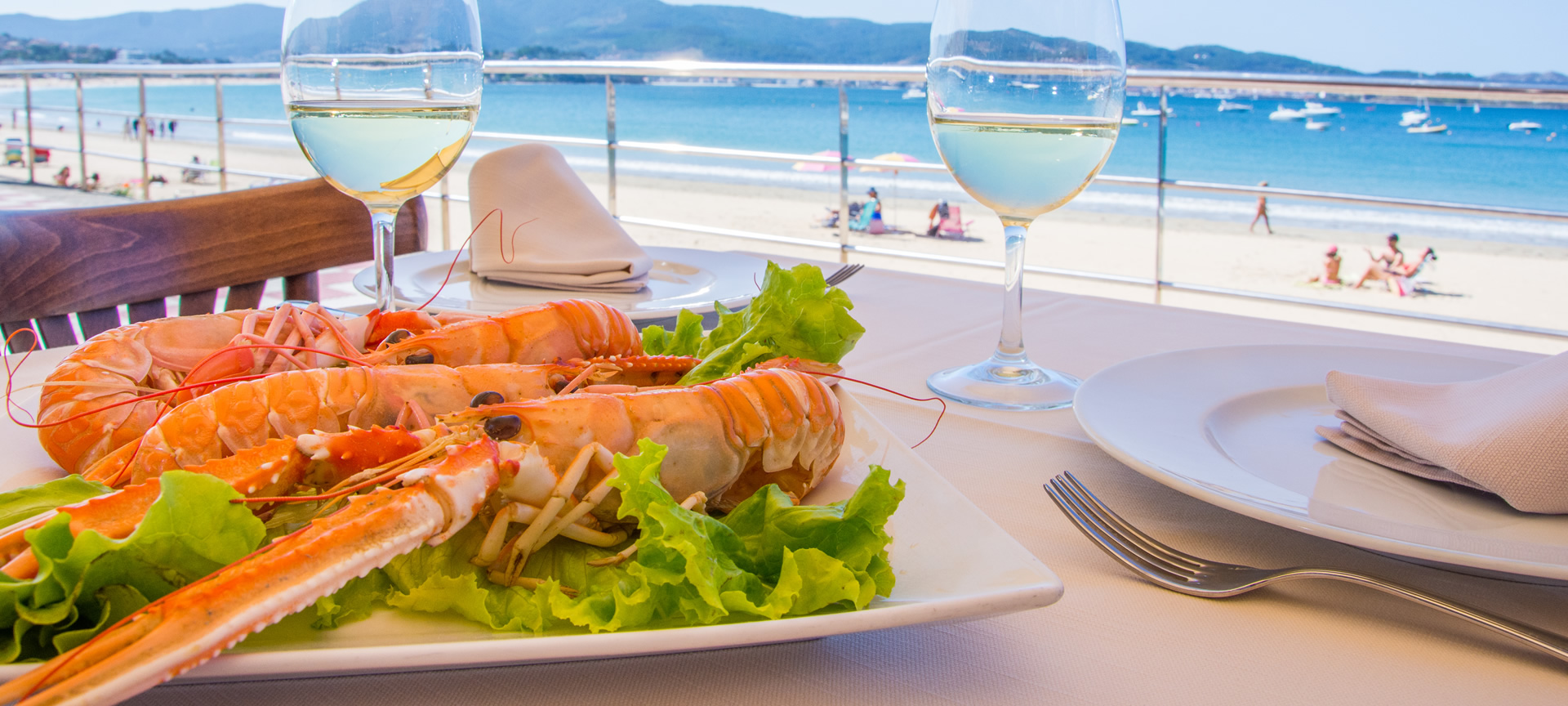
8 gastronomic routes in Spain beyond paella and ham
Spain is a paradise for food lovers. In addition to the well-known tapas, enjoy unique and surprising culinary experiences: from trying a cocido stew in a restaurant on the Camino de Santiago to tasting typical dishes inspired by Spain's most important farming regions. These proposals invite you to discover authentic flavours, local traditions and unforgettable places. Take note and get ready for a sensory journey out of the ordinary.
-
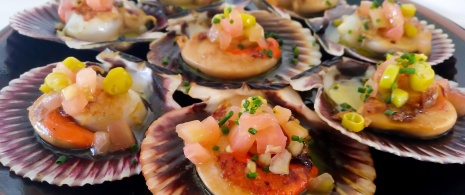
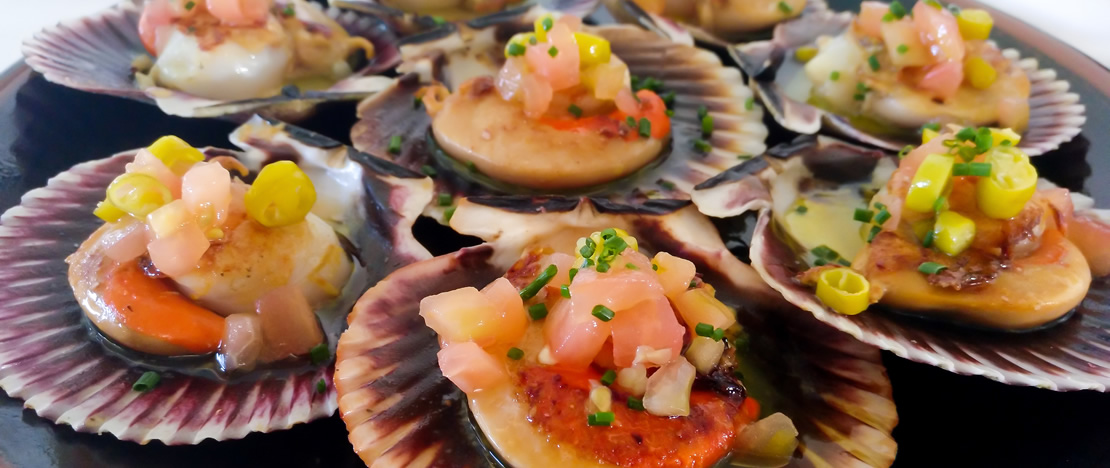
Seafood products in the Rías Baixas
If we ask ourselves what Galicia is, the answer can only be a gastronomic treasure. The flavour of the sea is its hallmark and in the Rías Baixas fish and seafood are the stars of the menu of any Galician restaurant. This raw material, together with its traditional recipes, results in dishes full of authenticity and quality. You can't leave this land without trying the sole, sea bass, lobster, sea urchin or the scallop. And, of course, on a gastronomic route through Galicia it is almost obligatory to visit the Albariño Route, the wine par excellence of Rías Baixas.
-
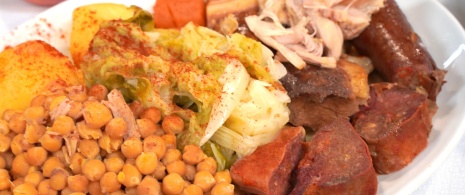
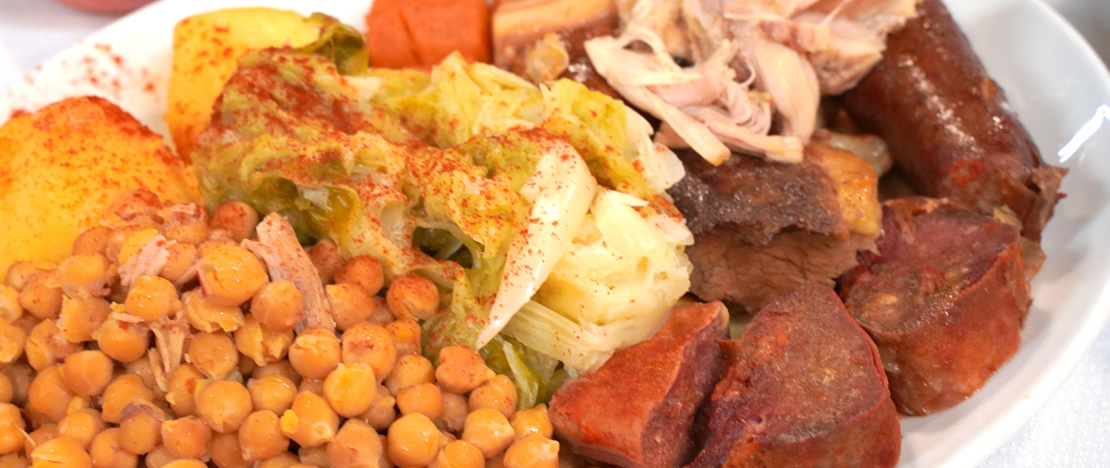
The tradition of spoon dishes: Maragato stew
Spoon dishes are another essential part of the Spanish culinary tradition. And the cocido maragato, a key dish in the cuisine of León, is probably the most representative dish of the province . A recommended place to taste it is Astorga, the capital of the Maragatería region of León, as well as some nearby villages such as Castrillo de los Polvazares or Santiago Millas. Its unique feature is that it is served in reverse compared to other types of Spanish stews: first the meat, then the chickpeas and vegetables and finally the soup. An unmissable dish in any gastronomic route through Castile and Leon and for any pilgrim walking the Camino de Santiago!
-
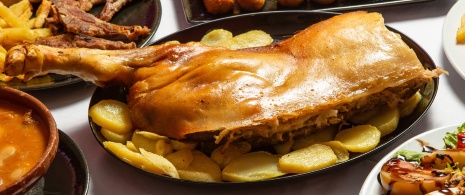
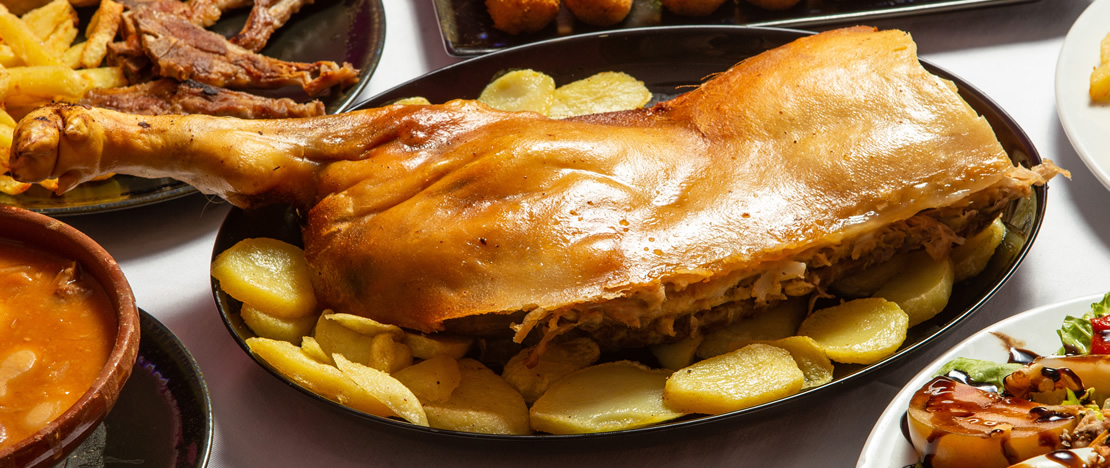
Taste and culture: Roast suckling pig
Madrid's Cochinillo Route pays homage to one of the most iconic recipes of Castilian cuisine: the cochinillo asado, a typical dish of Castilla y León. Tradition dictates that it should be prepared in a wood-fired oven. Although the restaurants of Segovia, with its iconic Roman aqueduct, awarded the World Heritage designation by UNESCO, are the most famous, this route also includes other towns such as Sepúlveda and Arévalo. Order one and let yourself be carried away by its amazing taste!
-

The sweetness of La Alcarria honey
Between lavender fields and a rich local heritage, the honey route of La Alcarria brings together more than 150 municipalities of Guadalajara and Cuenca. Its famous honey with Protected Designation of Origin (PDO) is characterised by its mild, floral flavour. If you plan to discover Castilla-La Mancha, whether on a gastronomic route in Guadalajara or in Cuenca, you will find many other culinary delights. Include them in your itinerary and let yourself be surprised by the number of dishes that can be garnished with this sweet treat!
-

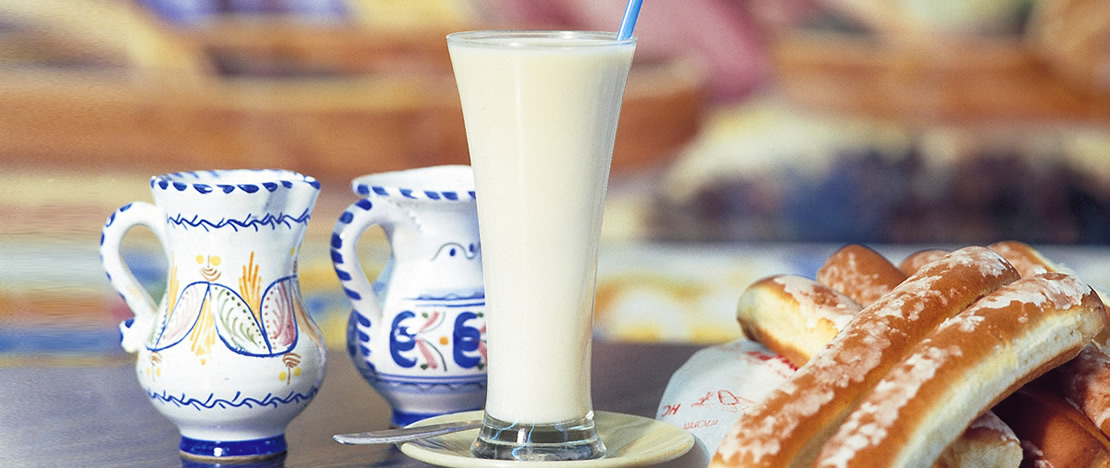
Horchata, Valencia's healthy plant-based drink
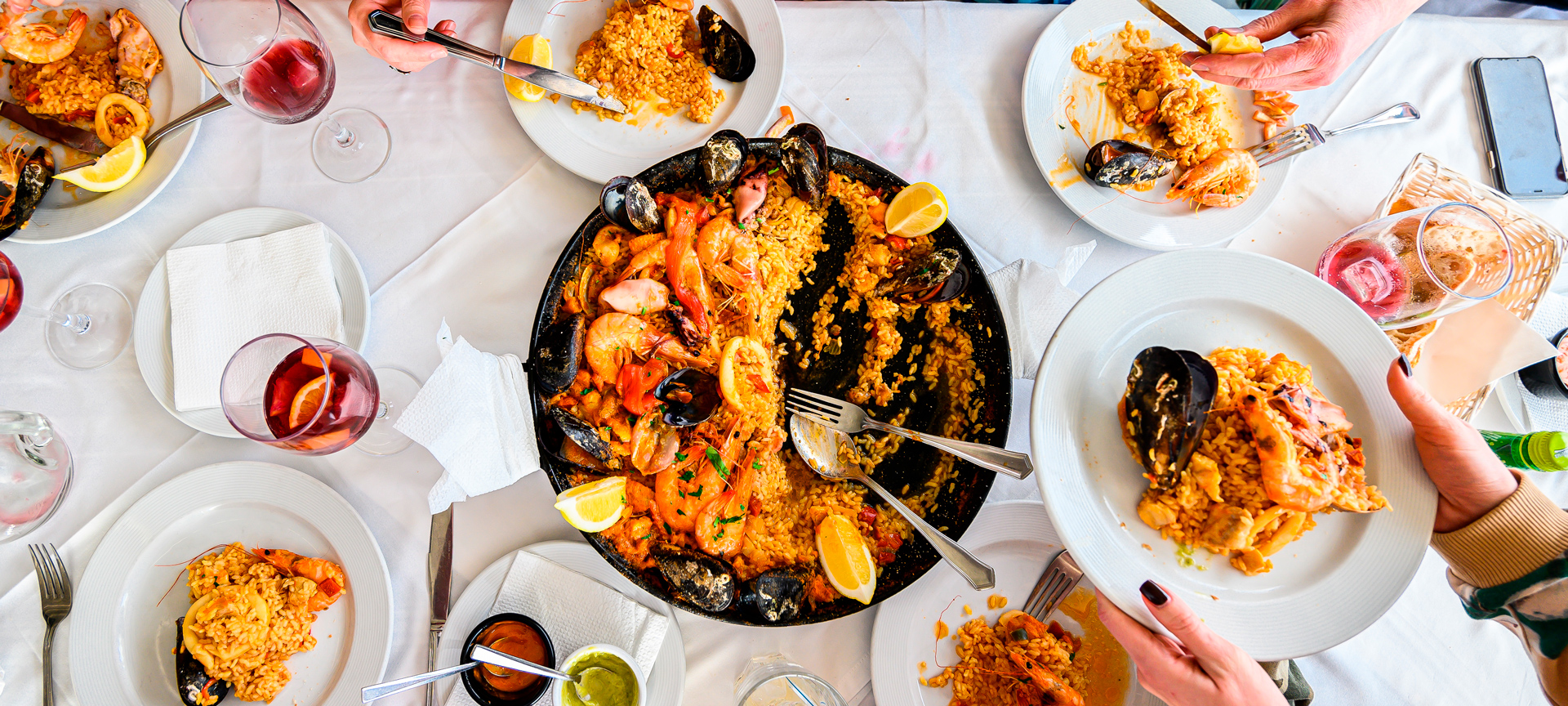
The Region of Valencia is rightly famous for one of the star dishes of Spanish gastronomy: paella. But the region offers so much more. The tigernut fields route in Valencia offers an experience that combines gastronomy, tradition and nature. This tour, dedicated to the cultivation of this popular local tuber and its transformation into horchata, allows you to discover the entire artisan process. Don't forget to include in your itinerary a visit to Valencia's central market, where you can savour an authentic fresh horchata. For many, the best drink in town. Have you already tasted its peculiar, slightly bitter taste?
-
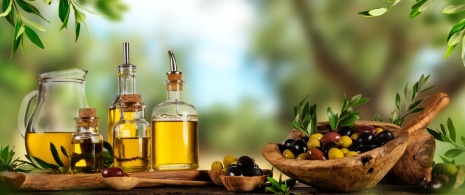
Liquid gold: Olive oil
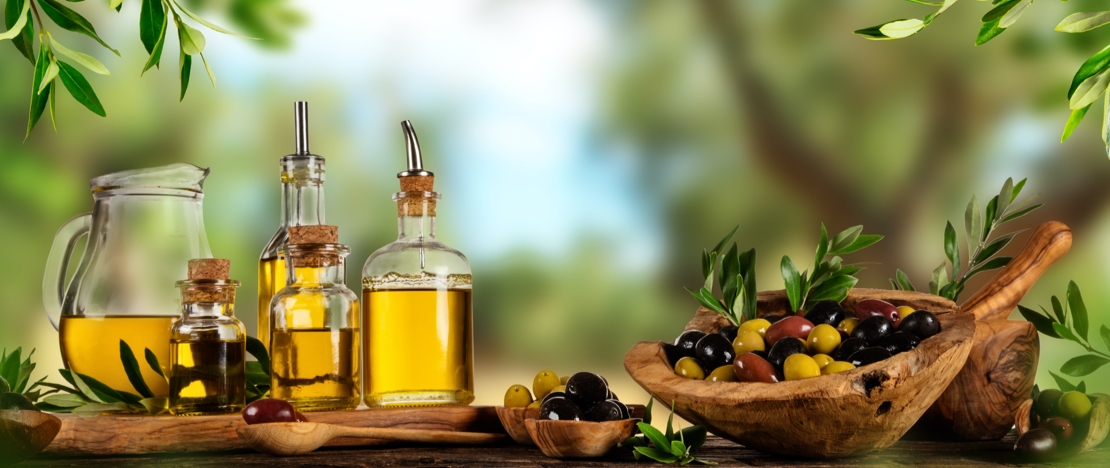
If there is one essential ingredient in any healthy meal, it is extra virgin olive oil. And Andalucía stands out as one of the regions that produces the best olive oil in Spain. For this reason, many oil producers have designed exclusive experiences where you can explore the olive groves, learn about cultivation and harvesting techniques, and visit traditional almazara olive oil mills. Of course, these routes always end with a tasting of olive oil, the liquid gold of the Mediterranean diet.
-
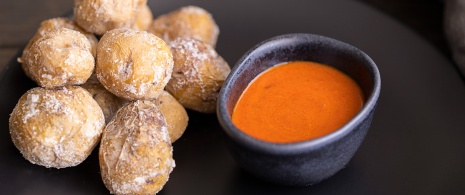
Tradition and plant creativity on La Palma
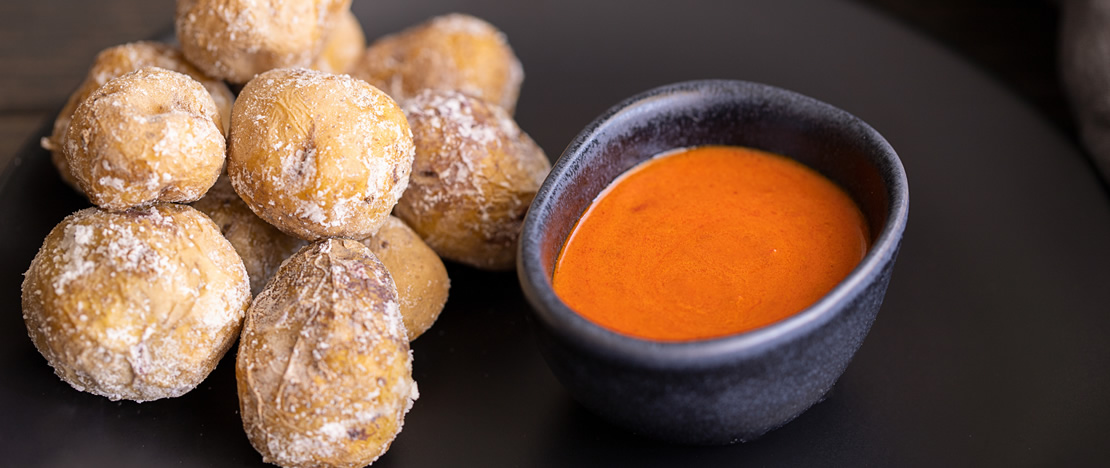
Vegetables have historically been the soul of the gastronomy of the Canary Island of La Palma. With the arrival of products brought from overseas and their cultivation in the local orchards, this enclave has generated unique fruit and vegetable varieties that have given rise to typical Canarian dishes, such as the famous papas arrugás (wrinkled potatoes). Today, eating at La Palma is an experience that combines tradition and creativity, where these exceptional ingredients shine in the most popular dishes and in the most avant-garde creations. The cuisine in the best restaurants in La Palma is a true homage to their land and culture.
-
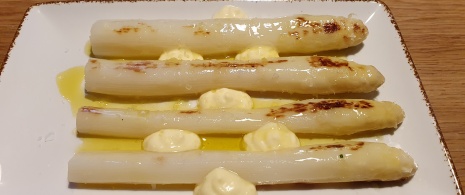
Vegetarian and vegan dishes in the vegetable garden of Tudela
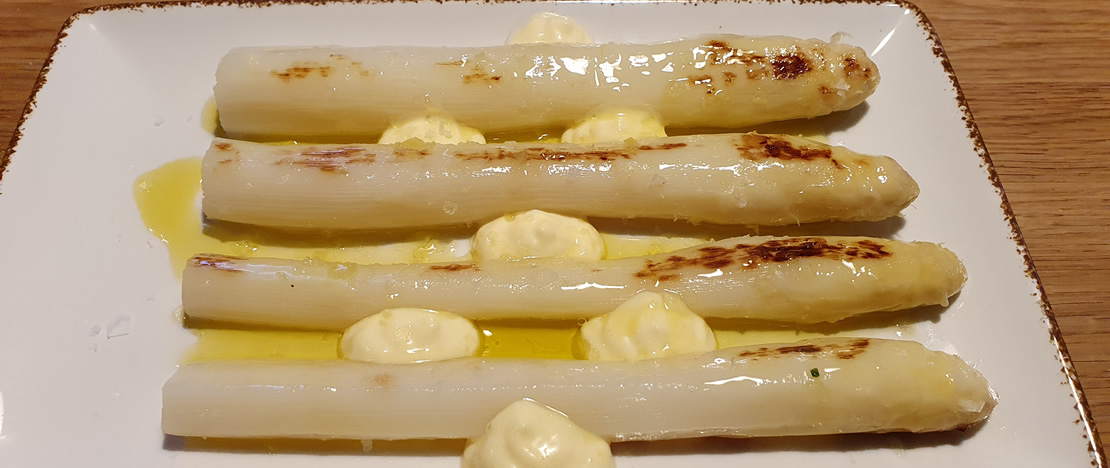
The passage of different cultures has left an indelible mark on the food of Navarre. At Tudela, the exceptional quality of its vegetables is recognised both fresh and canned. Highlights include lettuce hearts, asparagus and artichokes, the region's star product, which have been recognised with a designation of origin. To discover the vegetarian and vegan dishes of the area, the vegetable garden of Tudela is an essential stop to enjoy the excellence and variety of its vegetables.

Book yours
Choose between thousands of activities to live your best life on holiday.