Cheeses from the north, vegetables from the market garden, and meats and wines from the Central Region offer a journey through the region via its flavours. The trip may include historic towns, monuments, routes through vineyards and mountain villages, with different options in each area.
The Navarrese Pyrenees: cheeses, mountain produce and rural landscapes
In the north of Navarre, the local cuisine is closely linked to livestock farming, pastures and forests. Cheeses, sheep and beef, chestnuts, hazelnuts and potatoes from the Aézcoa Valley are all part of the diet associated with mountain valleys. In this area, the centuries-old raised granaries and traditional farmhouses also offer an insight into the rural heritage.Among its specialities, Roncal and Idiazábal cheeses stand out; both are protected by a Protected Designation of Origin and are linked to the pastoral traditions of the north. Tasting them gives you an insight into an activity that has helped shape the customs of these valleys.In the Roncal Valley and its villages, the traditional architecture and mountainous surroundings offer a glimpse into another side of Navarre. You could also visit the Irati Forest, one of the region’s great natural areas. Its beech forests and fir forests offer hiking routes and walks through the woods, which are particularly attractive in autumn, when the colours of the landscape change.A visit to the valleys can be combined with a tasting of cheeses and other local produce at local establishments. Gastronomy thus blends seamlessly into a getaway that combines nature, rural culture and traditions.
Pamplona and Sangüesa: traditional cuisine, blending heritage and the Way of St James
In Pamplona, food is an integral part of everyday life in the historic quarter. Wandering through its streets and squares allows you to discover bars and restaurants where the pintxos offer a varied introduction to Navarrean cuisine. Among the region’s specialities, in its capital you can enjoy tastings of dishes made with seasonal vegetables, piquillo peppers and pochas, as well as lamb in chilindrón sauce, Navarre cardoon and ajo arriero.
The visit can be rounded off with a stroll along the city walls and around Pamplona Cathedral. The historic quarter is home to the famous Calle Estafeta, one of the best-known sections of the bull run during the San Fermín Festival, which takes place from 6 to 14 July. If you visit Pamplona in December, you can also experience the festive atmosphere of New Year’s Eve in Pamplona, when the old quarter fills with people in fancy dress to celebrate the arrival of the New Year and eat the 12 lucky grapes.
Further east, Sangüesa combines medieval heritage with culinary tradition. Its location on the Way of St James contributed to its historical development, and today visitors can explore buildings such as the Church of Santa María la Real, whose Romanesque façade is one of its main attractions. On the table, Sangüesa pochas are one of the hallmarks of the region’s traditional cuisine, alongside meat and other local produce.
Tudela and La Ribera: Navarre’s vegetables and garden-fresh cuisine
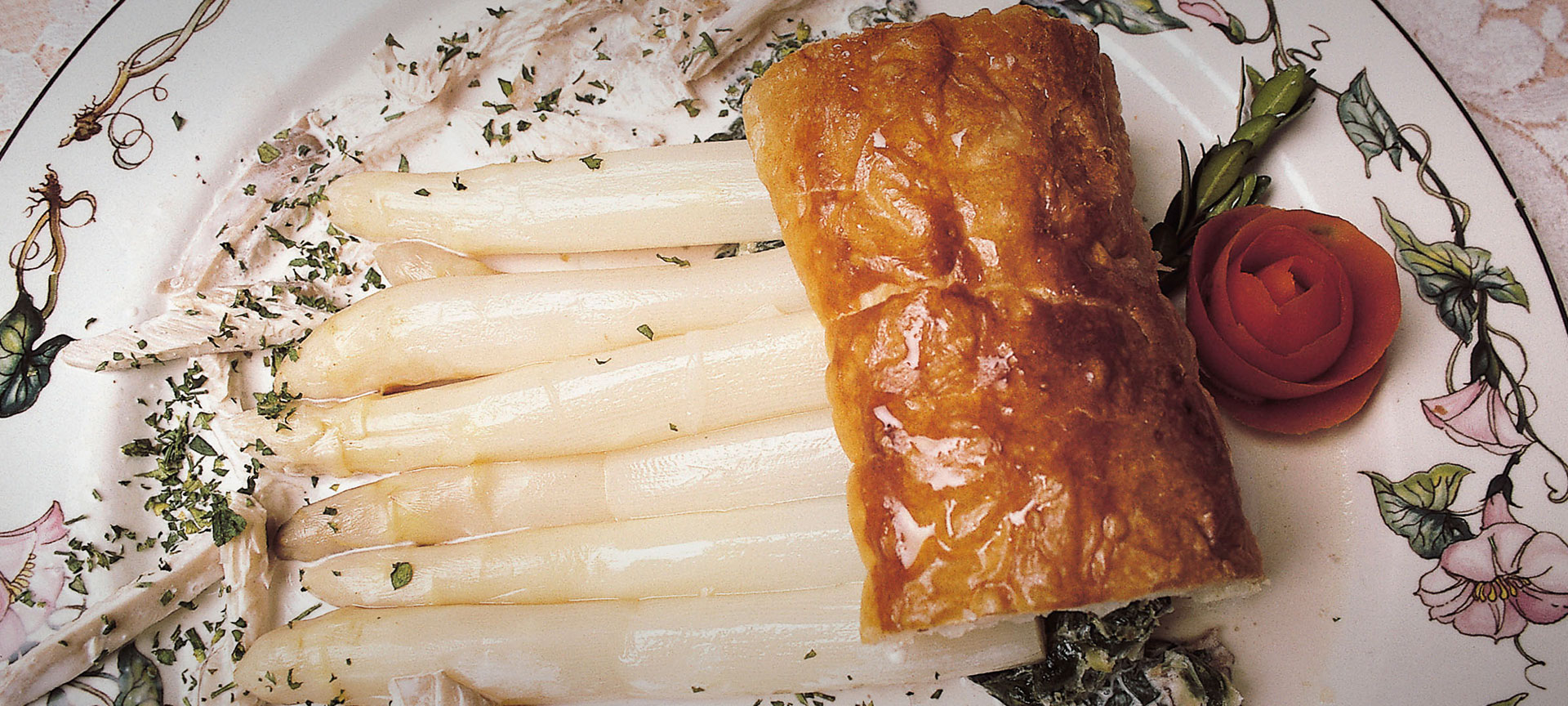
La Ribera is one of the leading names in Navarrean cuisine, thanks to the abundance of its vegetable gardens. Its vegetables take centre stage in dishes such as menestra, one of the most characteristic recipes of the region’s traditional cuisine, which is usually made with asparagus, peas, broad beans and artichokes.Among the best-known products are Navarre asparagus, which is covered by a protected geographical indication, and Tudela artichokes, which are also protected by a PGI. Added to these are the Piquillo peppers from Lodosa, which have a Protected Designation of Origin and can be enjoyed roasted or stuffed, as well as other vegetables typical of the local vegetable gardens.In Tudela, you can discover these products through the local cuisine. The culinary tour can be combined with a tour of the historic quarter and its monumental heritage. Particularly noteworthy are the Cathedral of Santa María, with its Romanesque cloister and three entrances, as well as the city’s historic squares.Spring is a particularly good time to explore Tudela’s market gardens, when seasonal vegetables take centre stage and culinary activities centred around these produce are held.
Estella and the Central Region: traditional recipes and wine culture
The Central Region of Navarre is home to historic towns, agricultural landscapes and a rich wine-growing tradition. In Estella-Lizarra, situated on the Way of St James, you can explore the historic quarter, which features outstanding examples of Romanesque and Gothic architecture. Among its monuments, the church of San Pedro de la Rúa stands out; its cloister offers a glimpse into the town’s medieval heritage.Traditional cuisine in this area includes meat dishes and recipes such as gorrín or roast suckling pig. Tasting these specialities is the perfect way to round off your cultural visit and discover some of Navarre’s culinary traditions.Another way to explore the Central Region is to follow the Navarre Wine Route. The route passes through towns such as Olite, Tafalla and Puente la Reina, amidst landscapes of vineyards that reflect the historical importance of vine-growing. Visits to wineries and wine tastings offer an insight into how Navarran wines are made and their connection with the local cuisine.In Olite, the tour can be combined with a visit to the castle-palace, the former residence of the kings of Navarre. Its medieval streets and monumental heritage provide a cultural complement to the wine tourism experience. A visit to the Zona Media therefore allows you to combine wine, traditional cuisine and history in a single trip.
A trip to discover Navarre at any time of year
Through its cuisine, you can explore Navarre in different ways depending on the season.Spring is a great time to discover the vegetables from Tudela’s market garden, whilst autumn is the perfect time to explore the forests and vineyards of Navarre. In winter, traditional recipes and Christmas treats such as candied fruit compotes and caramelised almonds offer another way to experience their cuisine.From mountain cheeses to vegetables from La Ribera and wines from the Zona Media, Navarran cuisine reflects the diversity of the region. Discovering it is an invitation to get to know its villages, its landscapes and its traditions through the products that form part of its identity.
#spanishfood