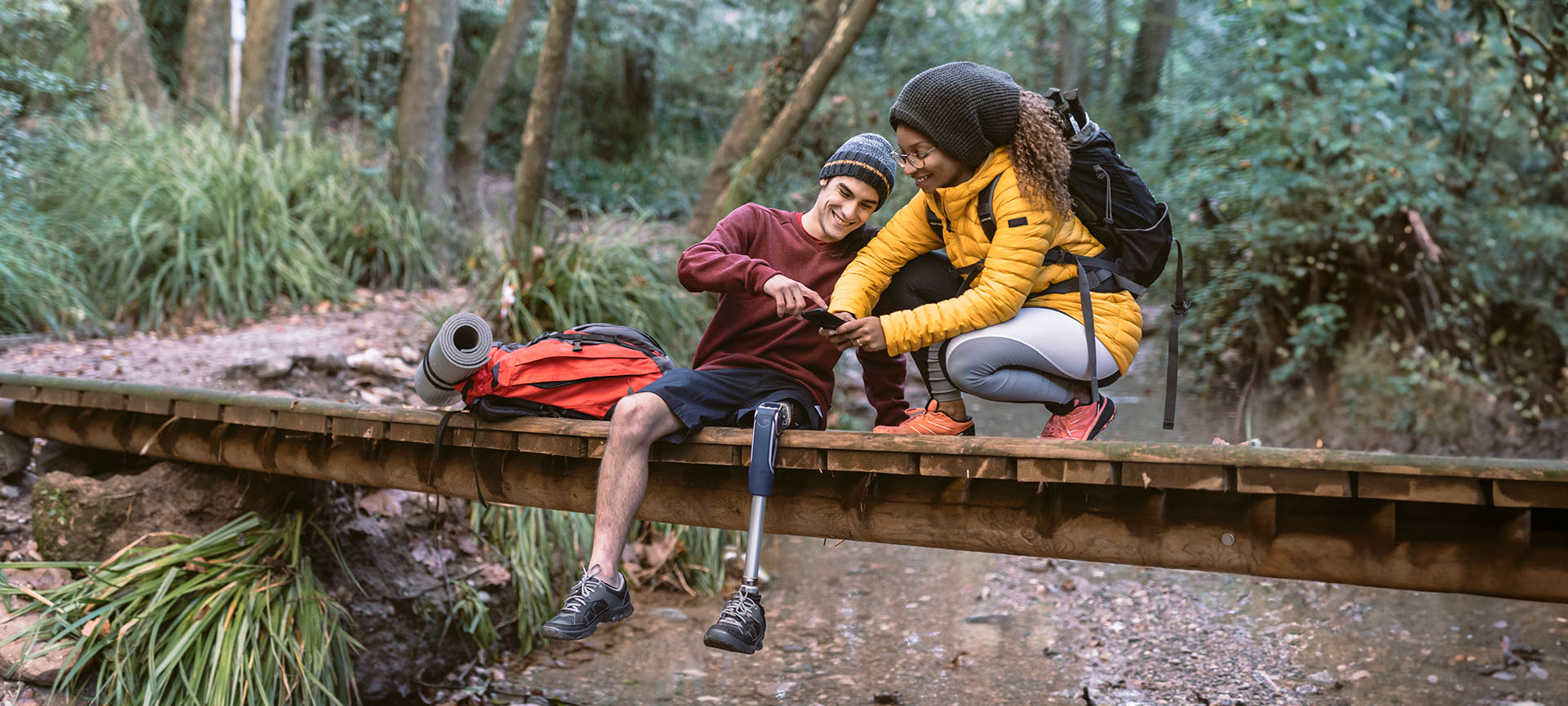
Accessibility in the natural spaces of Spain
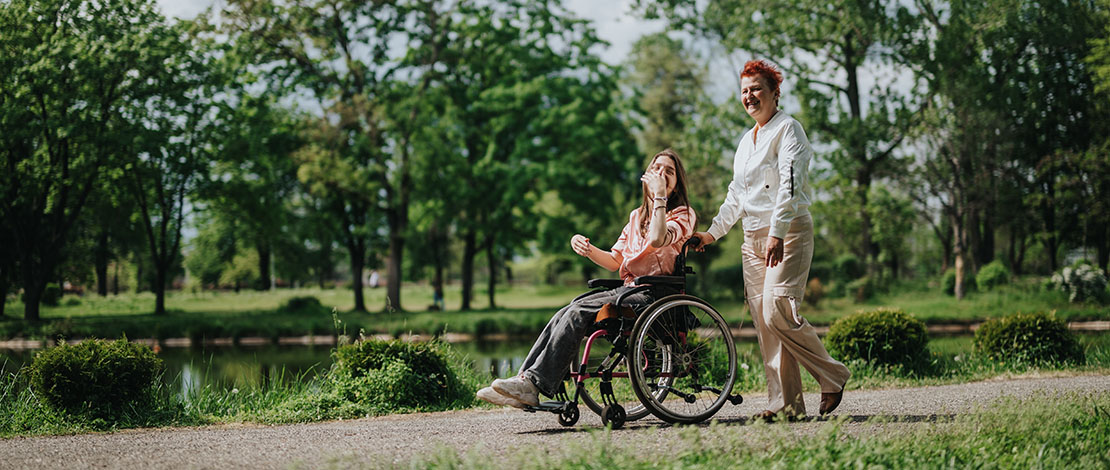
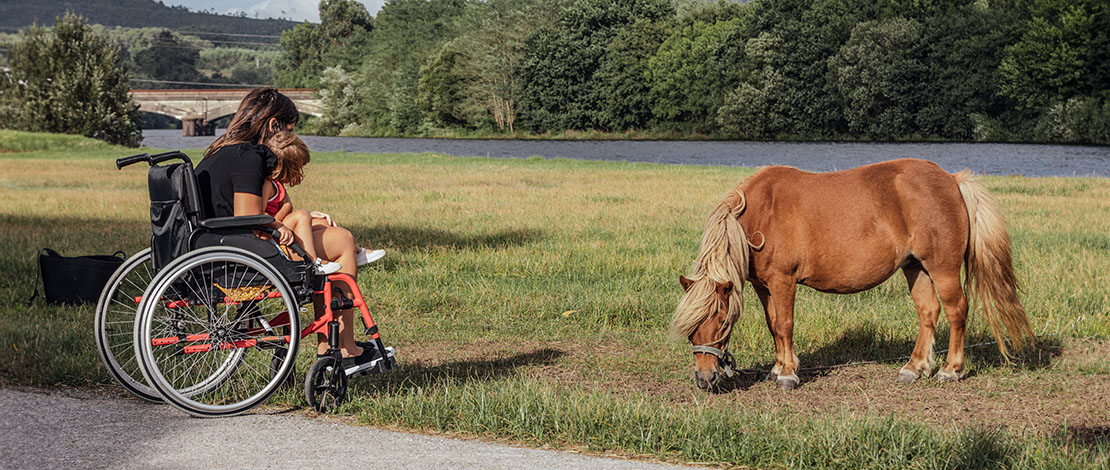
Spain is firmly committed to improving accessibility in its natural spaces. Adapted routes, all-terrain wheelchairs (Joëlettes), accessible observatories and tactile signage are just some of the options available for travellers with reduced mobility or other disabilities. The aim is to promote trails for all and nature without barriers within the reach of any traveller.Here you will find useful information for planning accessible trips and enjoying the beauty of the parks, reserves and heritage sites that make up the diversity of natural spaces in Spain.
-
What accessibility resources are available in natural areas?
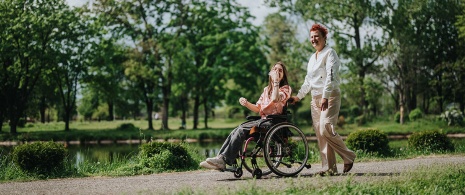
Reserved parking: parking spaces located as close as possible to pedestrian accesses and entrances to buildings.Accessible Visitor Centres: buildings with ramps, lifts and adapted toilets.Adapted paths and routes: many parks already have specific routes with non-slip surfaces, adequate width and low gradient for people with reduced mobility (PRM), and in some cases, adapted signage for the visually impaired.Observatories and viewpoints: designed with ramps and handrails, without steps, accessible from the road and sometimes with adapted binoculars or low barriers to allow visibility from a wheelchair.Greenways: more and more of these routes (former railway lines converted into hiking trails) are being adapted to be more inclusive.Technology and signage: tactile and audible panels and flooring for the visually impaired.All-terrain chairs (Joëlettes): to facilitate access for people with reduced mobility to more challenging trails with the help of volunteers.
-
Which accessible natural areas can I visit?
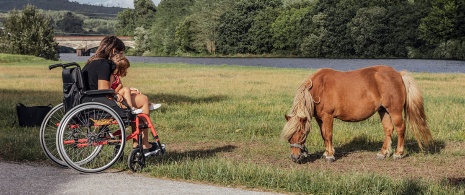
Spain has more than 150 parks, almost three hundred reserves and around 370 natural heritage sites, among others. Most of these sites have some form of accessibility measures to facilitate the visit. Here are some examples of destinations adapted to accessible tourism:Sierra y Cañones de Guara Natural Park(Aragon): It includes the accessible path of La Tamara.Urdaibai Reserve(Basque Country): places such as the Urdaibai Bird Center or the Ekoetxea Urdaibai offer trails and observatories adapted for accessible ecotourism. Señorío de Bértiz Natural Park (Navarre): it has adapted paths and a botanical garden area with accessible sensory itineraries.Sierras de Cazorla, Segura y Las Villas Natural Park (Jaén): visitor centres and adapted routes, such as those along the Borosa river.Monte Santiago Natural Monument (Castile and León): in the province of Burgos, as part of the 'Castile and León accessible by nature’ programme, which includes other accessible trails in areas such as Lago de Sanabria, Hoces del Río Riaza and Arribes del Duero.
-
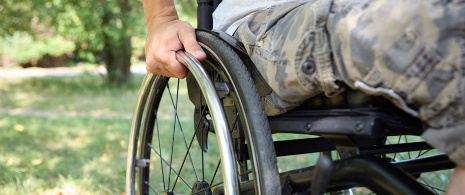
Tips for planning your accessible travel
Check the official website of the park, reserve or natural heritage site in advance.Contact the visitor centre by phone or email to confirm adapted routes and services to optimise planning.Book adapted guided tours (many parks offer activities with guides trained in inclusive assistance).Ask about adapted transport options (in some parks, such as Doñana, this greatly enhances the experience).Initiatives such as the Tur4all platform or the Accessibility Observatory provide detailed information and travel guides on accessible destinations.