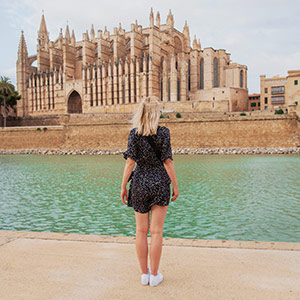

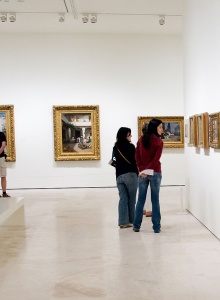
Beyond its 16 sunny beaches, this Andalusian city on the shores of the Mediterranean has a fascinating cultural side. And the birthplace of Pablo Picasso has reinvented itself in recent years, opening museums to suit all tastes.
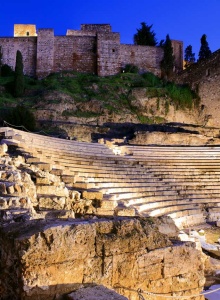
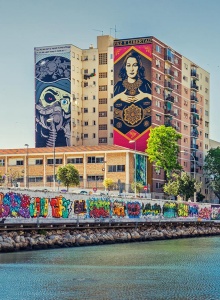
If you combine the sea and culture with a lively atmosphere, the abundant tapas served in its bars, trendy neighbourhoods like Soho, areas like the port that have been transformed to offer a more modern face, and monuments with centuries of history, the result is an exciting city that anyone would want to discover. After all, if everyone says Málaga is more beautiful than ever, there must be a reason for it.
What to visit
Select from the list or hover over the map to find out about points of interest.
What to visit
Select from the list or hover over the map to find out about points of interest.



Other ideas for your trip
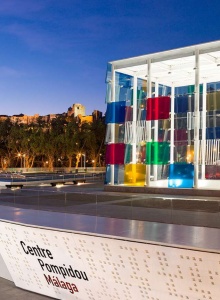
Four art centres with cutting-edge architecture in Andalusia
Think of a museum. What do you imagine? Maybe a place full of works of art? Now think of Andalusia. What images pop into your mind?…
Read more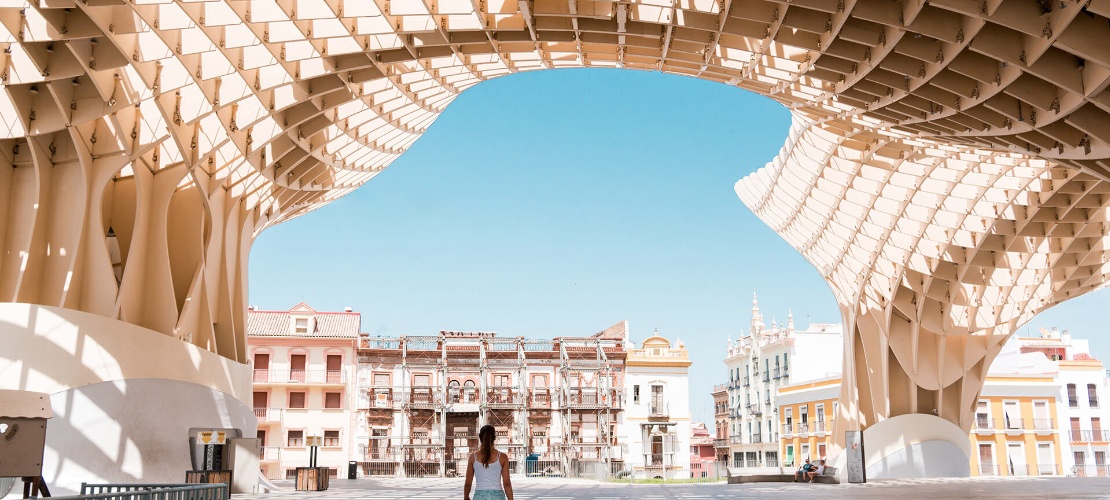
Things to do in Malaga From urban art to sardine skewers
The capital of Costa del Sol is famous for its nice weather and beautiful beaches. but there is much more to it than that. Urban art or ancient buildings?…
Read more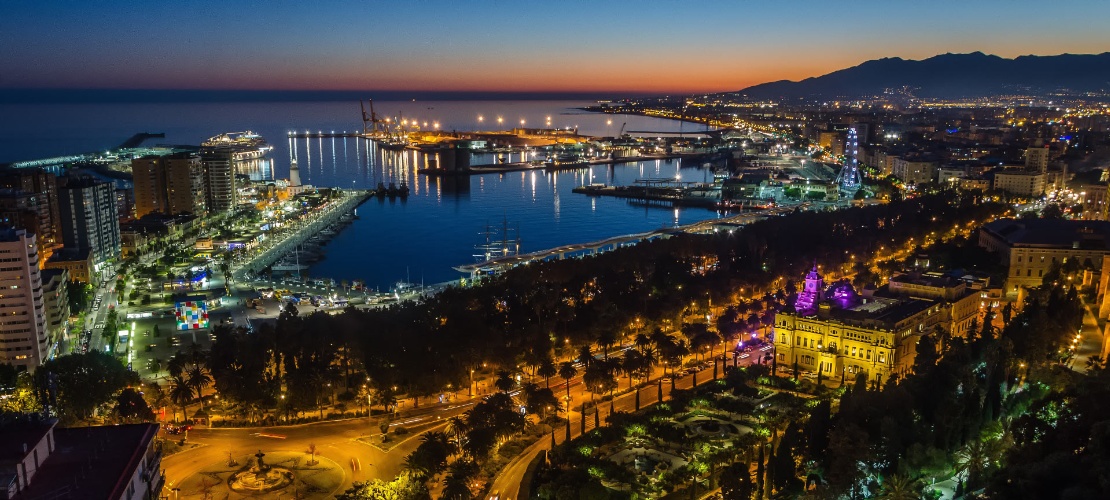
The Malaga of Picasso
Malaga is the city where Pablo Picasso spent his early childhood. The atmosphere and the daily life of those years became the inspiration for some of the…
Read more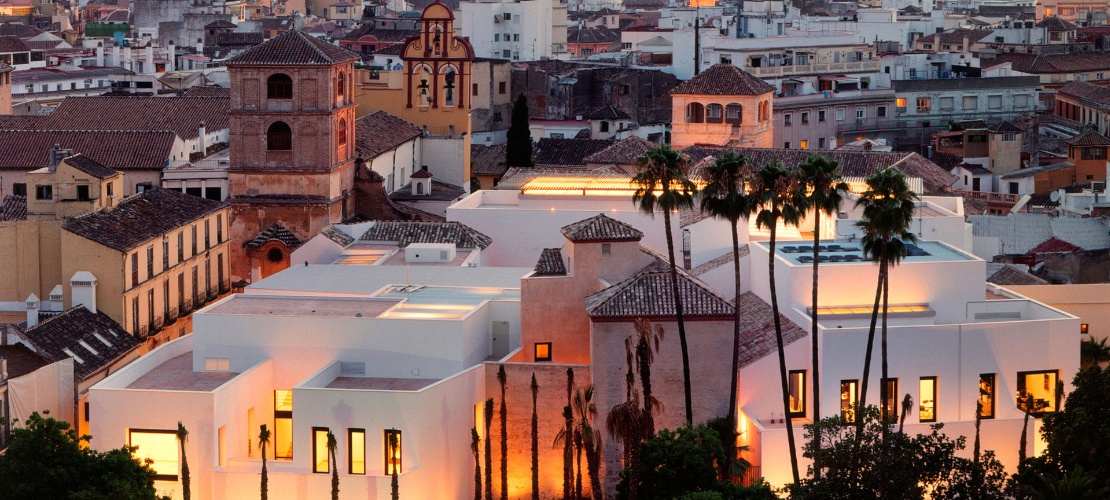
Malaga, cosmopolitan and hip
Several things make Malaga one of the most important Spanish cities for culture.…
Read more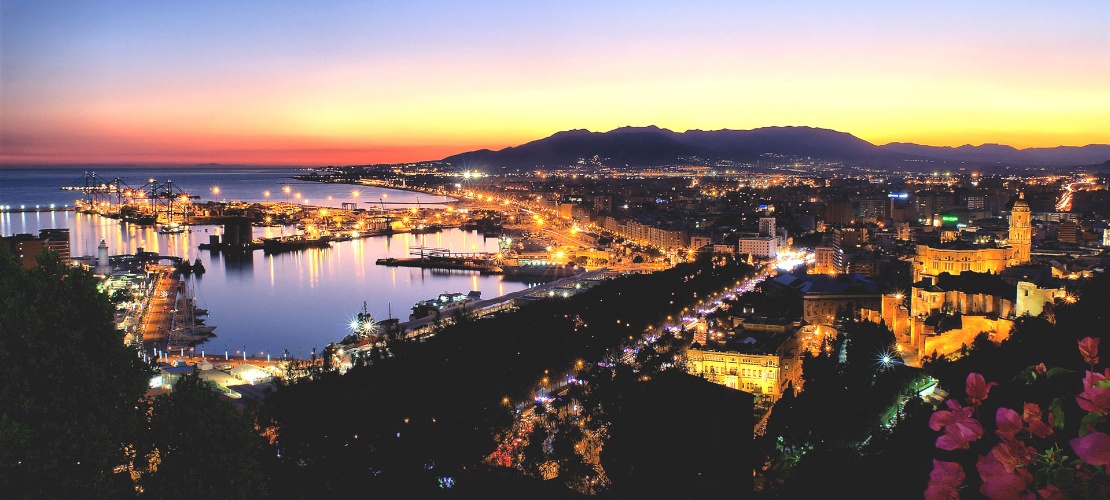

How to get there - transport information
Select the means of transport to see how to get there or how to get around at your destination.
How to get to aeroplane
-
The Málaga – Costa del Sol Airport is situated 8 kilometres from the city.
-
TheExpress Aeropuerto city bus line connects to the centre of Málaga in a journey time of approximately 15 minutes. Operating approximately from 06:30 (first departure from the city) or 07:00 (first departure from the airport) until a little over 01:00.
-
A commuter train service takes you to Torremolinos or Málaga city centre in under 15 minutes, and to the Málaga–María Zambrano station. It also operates services to other places on the Costa del Sol, such as Fuengirola and Benalmádena.
How to get to train
-
The María Zambrano station connects to Madrid via the AVE high-speed train network and the journey takes less than three hours. Other AVE lines run to Córdoba, Zaragoza and Barcelona.
-
It is located in the city centre, just 2 kilometres from the port and 7 from the airport.
-
You can easily get around from the station by public transport: it’s a stop on several city bus routes (1, 3, 10, 16, 19, 24, 27 and C2) and the N1 night bus route.
How to get to boat
-
The port is very close to the city centre.
-
It is one of the main cruise ports on the Peninsula. The cruise terminal is about 3 kilometres from the port entrance, and when cruise ships are in harbour there are regular bus services.
-
You can get around easily from the port using public transport: there are nearby stops for several bus routes and for commuter train lines C-1 and C-2.
How to get to bus
-
The bus and coach station is next to María Zambrano railway station, in central Málaga.
-
It connects to the airport via the “Express Aeropuerto” city bus service which takes approximately 15 minutes.
How to get there by road
-
Access from the north is via the A-45 motorway or the AP-46 motorway.
-
The A-7 Mediterranean motorway runs along the province’s coastline.
Practical information
-
Most tourist points of interest are concentrated within the city centre, which makes it easy to explore them on foot.
-
The Málaga Pass is available for 24, 48 or 72 hours, or for a week. It provides free admission to many museums and monuments, and offers discounts at other establishments.
How to get around in metro/tram
-
There are two Metro lines linking the centre to the university area and the western part of the city.
-
It operates between 6:30 a.m. and 11:00 p.m., except for Fridays, Saturdays and the eve of public holidays, when it runs until 1:30 a.m. On Saturdays, Sundays and public holidays, services start at 7 a.m.
How to get around in bus
-
The regular service covers every neighbourhood in the city and usually runs from 06:20 to midnight.
-
There are four night metro lines which operate regular services between around midnight and 06:00. More information
-
The tourist bus allows you to visit all the monuments in Málaga. You can hop on and off as many times as you like. More information
How to get around in other means of transport
Excursions to nearby destinations
Estepona
Distance from Málaga 90kmEstepona, on the world-famous Costa del Sol, conserves all the charms of a ...
See more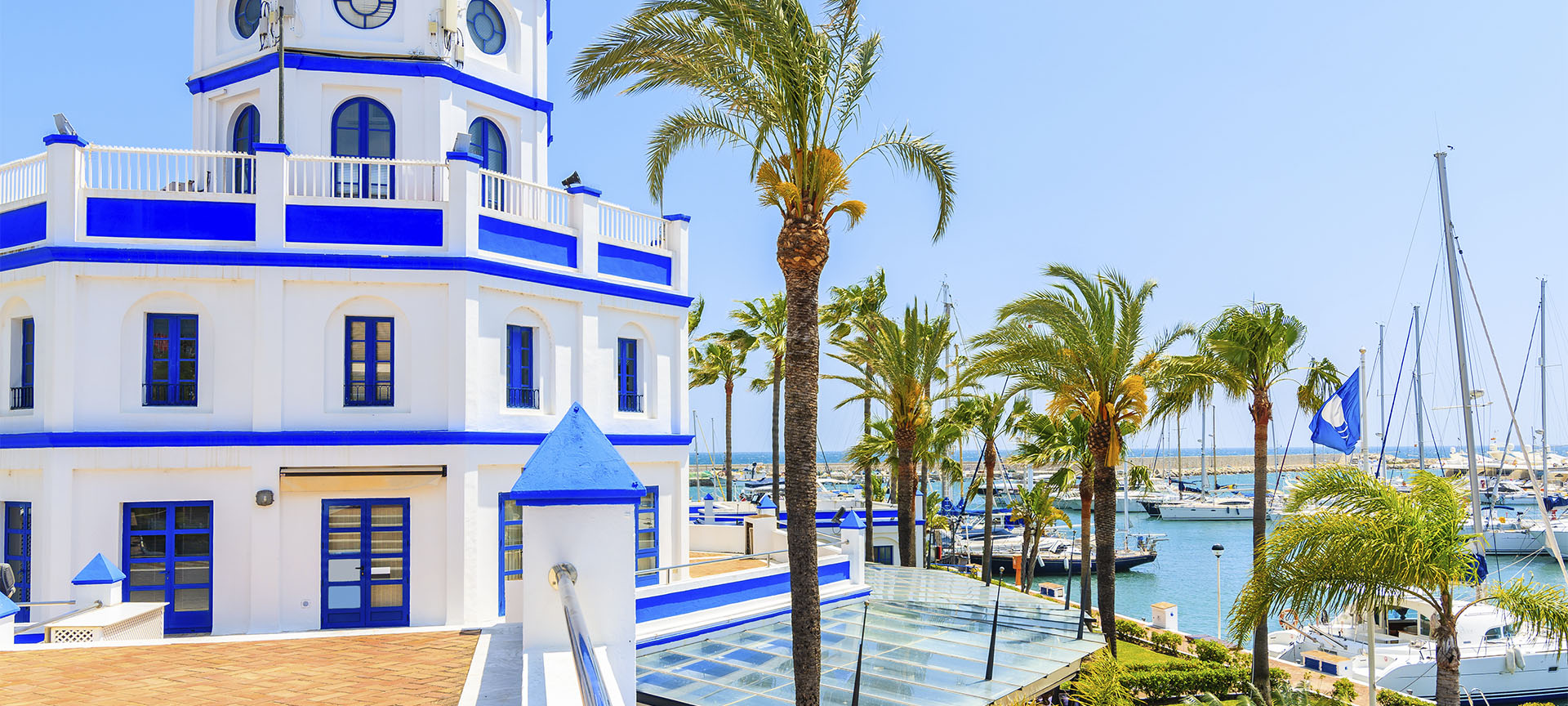
Excursions to nearby destinations
Fuengirola
Distance from Málaga 35kmLocated on the Costa del Sol, Fuengirola is a city with a rich Andalusian f...
See more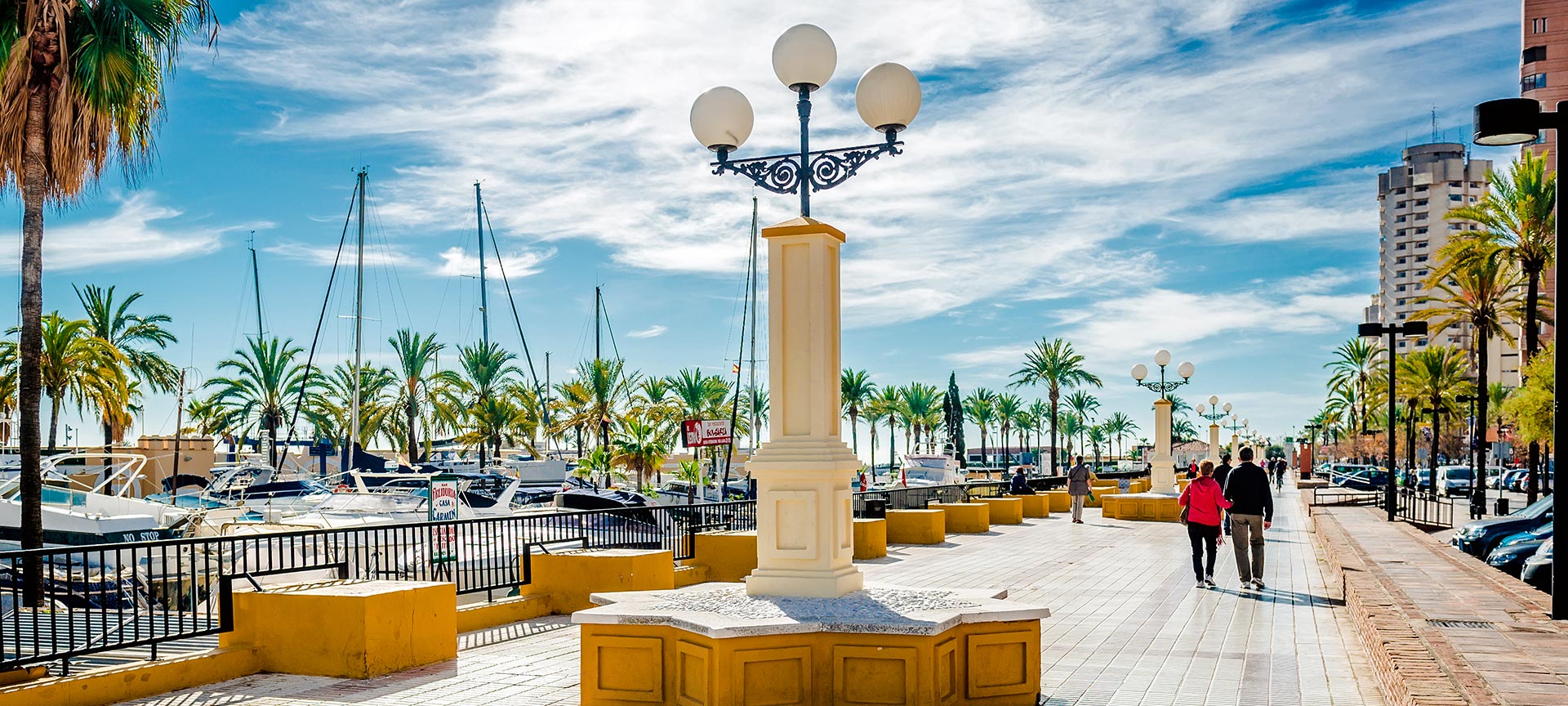
Excursions to nearby destinations
Torremolinos
Distance from Málaga 20kmA place of settlement of the oldest civilizations in the Mediterranean, Tor...
See more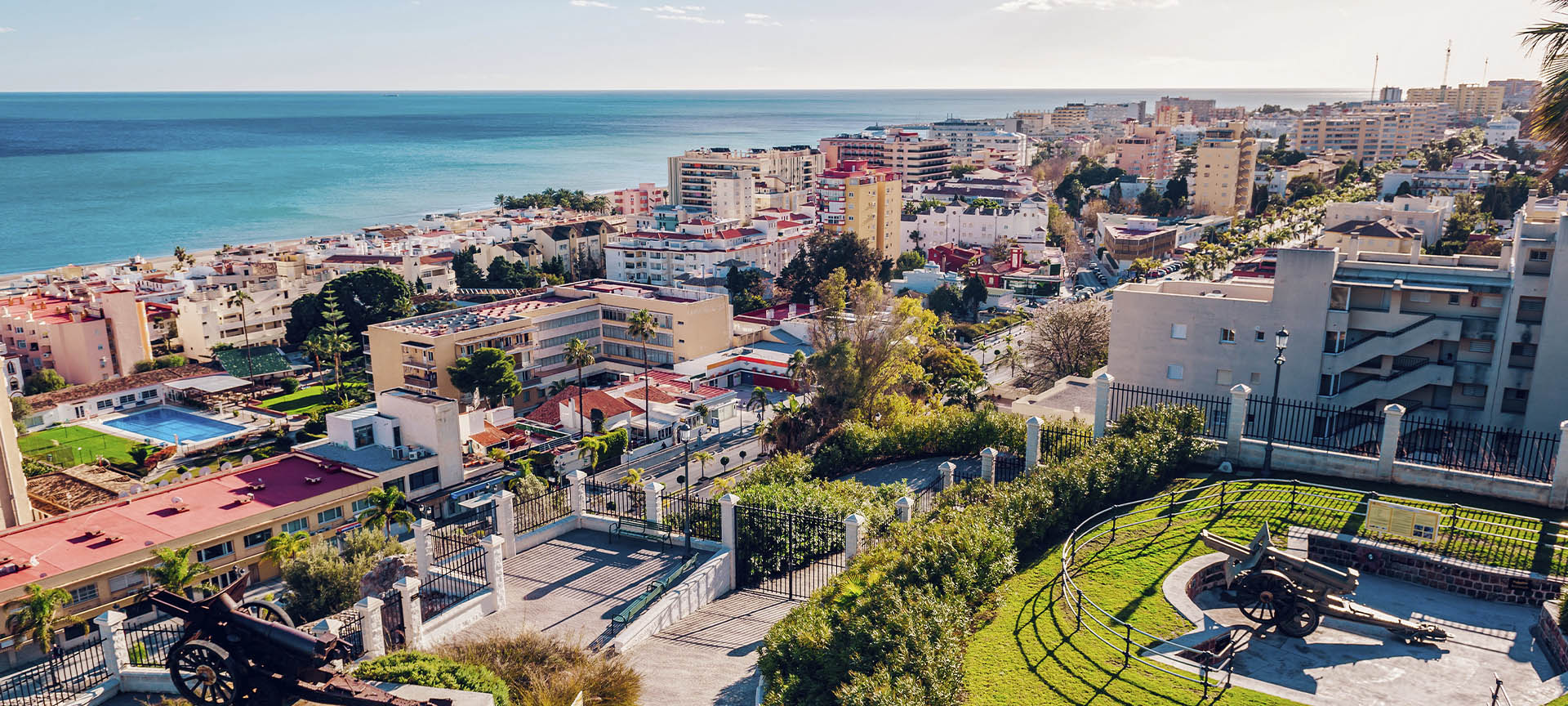
Excursions to nearby destinations
Marbella
Distance from Málaga 60kmPuerto Banús, one of the main tourist attractions in the municipality, is h...
See more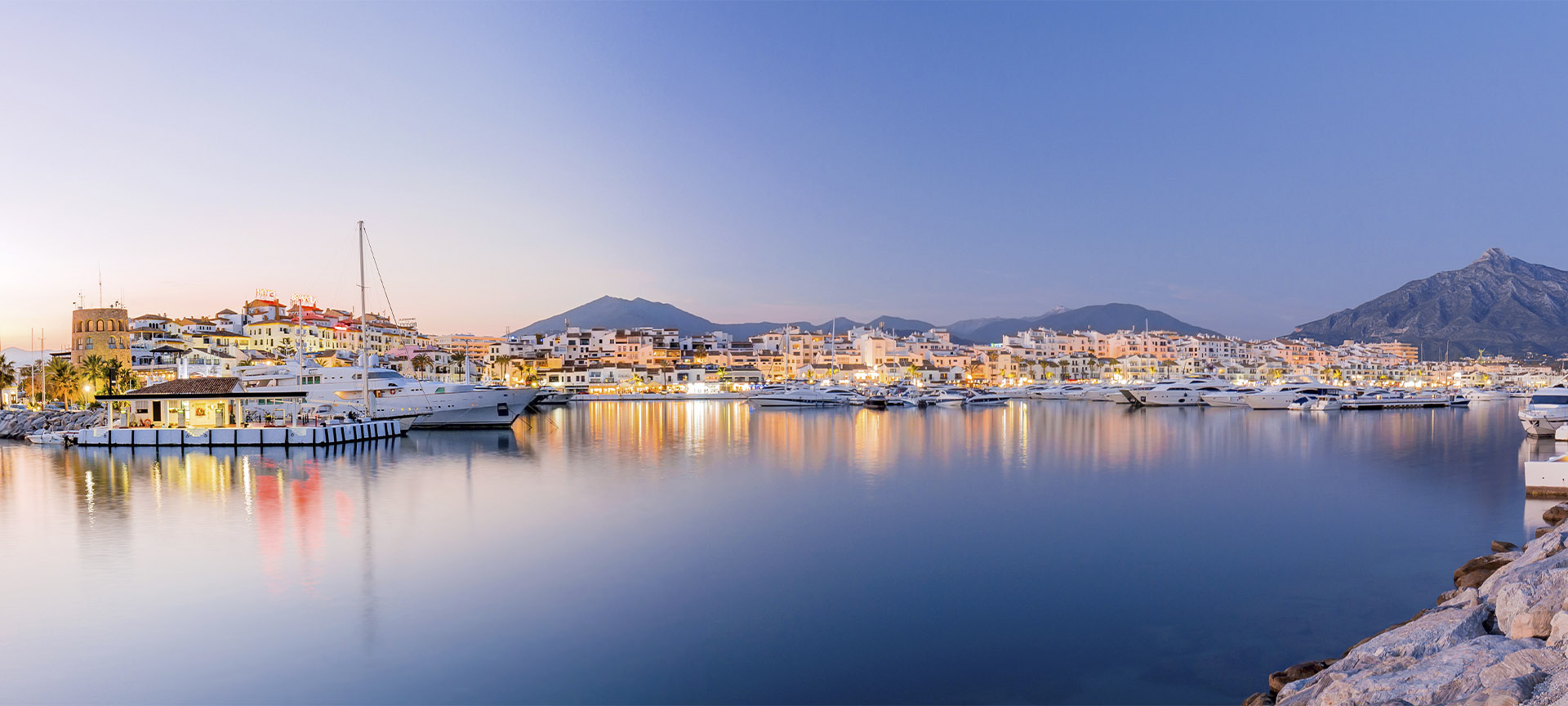
Excursions to nearby destinations
Mijas
Distance from Málaga 35kmMijas, a tourist town at the foot of the hills of the same name, possesses ...
See more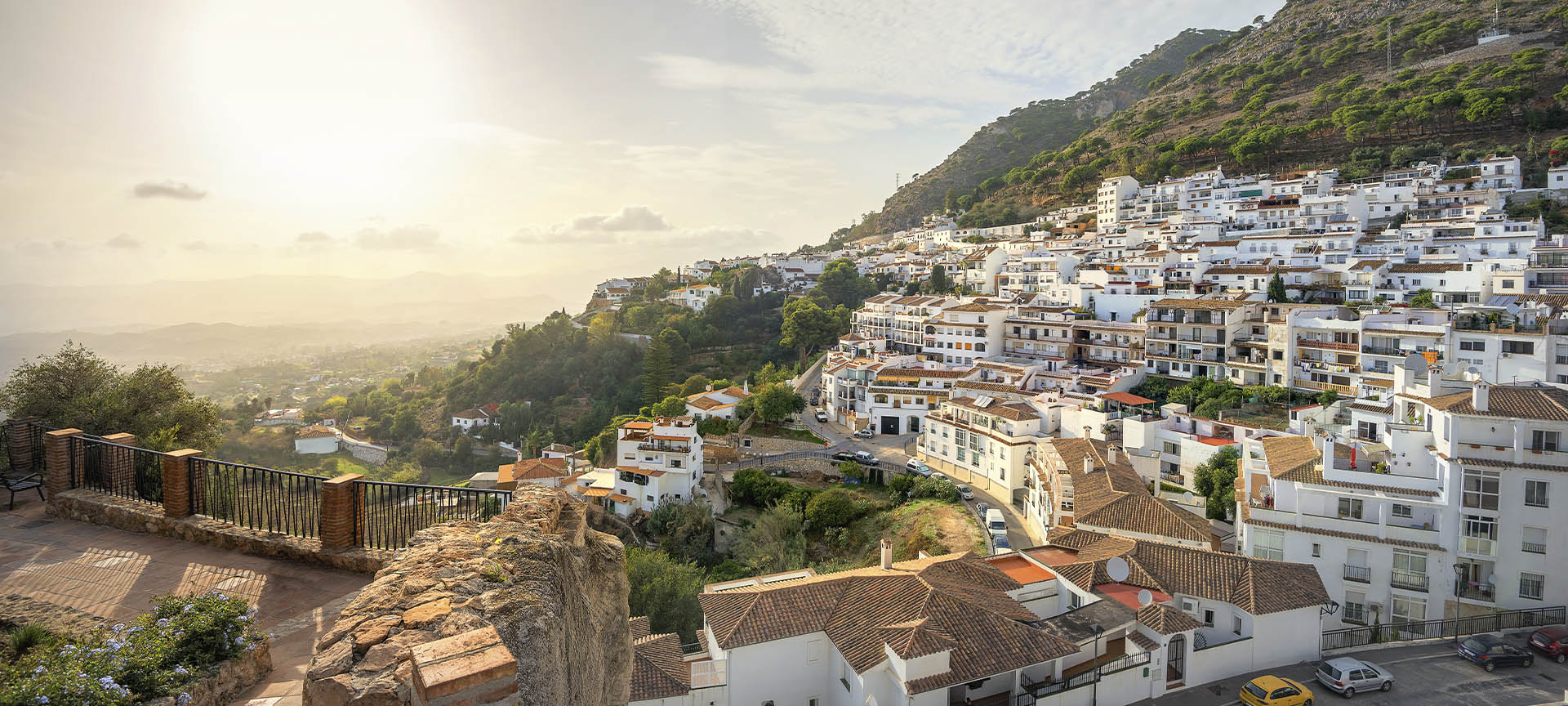
Excursions to nearby destinations
Cádiz
Distance from Málaga 230kmFounded 3,000 years ago by the Phoenicians, Cádiz is the oldest city in Wes...
See more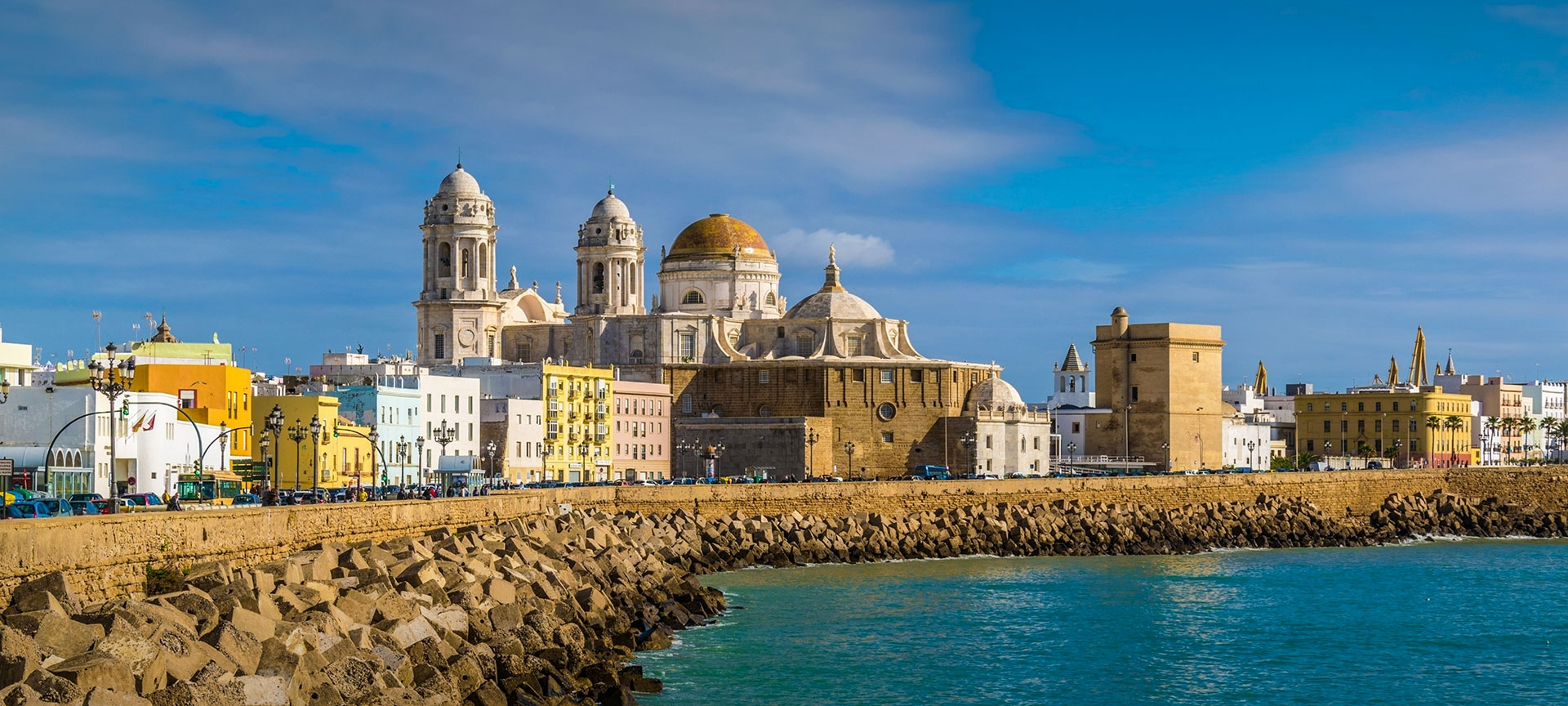
Excursions to nearby destinations
Granada
Distance from Málaga 130kmAt the foot of the Sierra Nevada mountains, between the rivers Darro and Ge...
See more
Excursions to nearby destinations
Seville
Distance from Málaga 200kmSeville is a city that leaves its mark, and many people define it as specia...
See more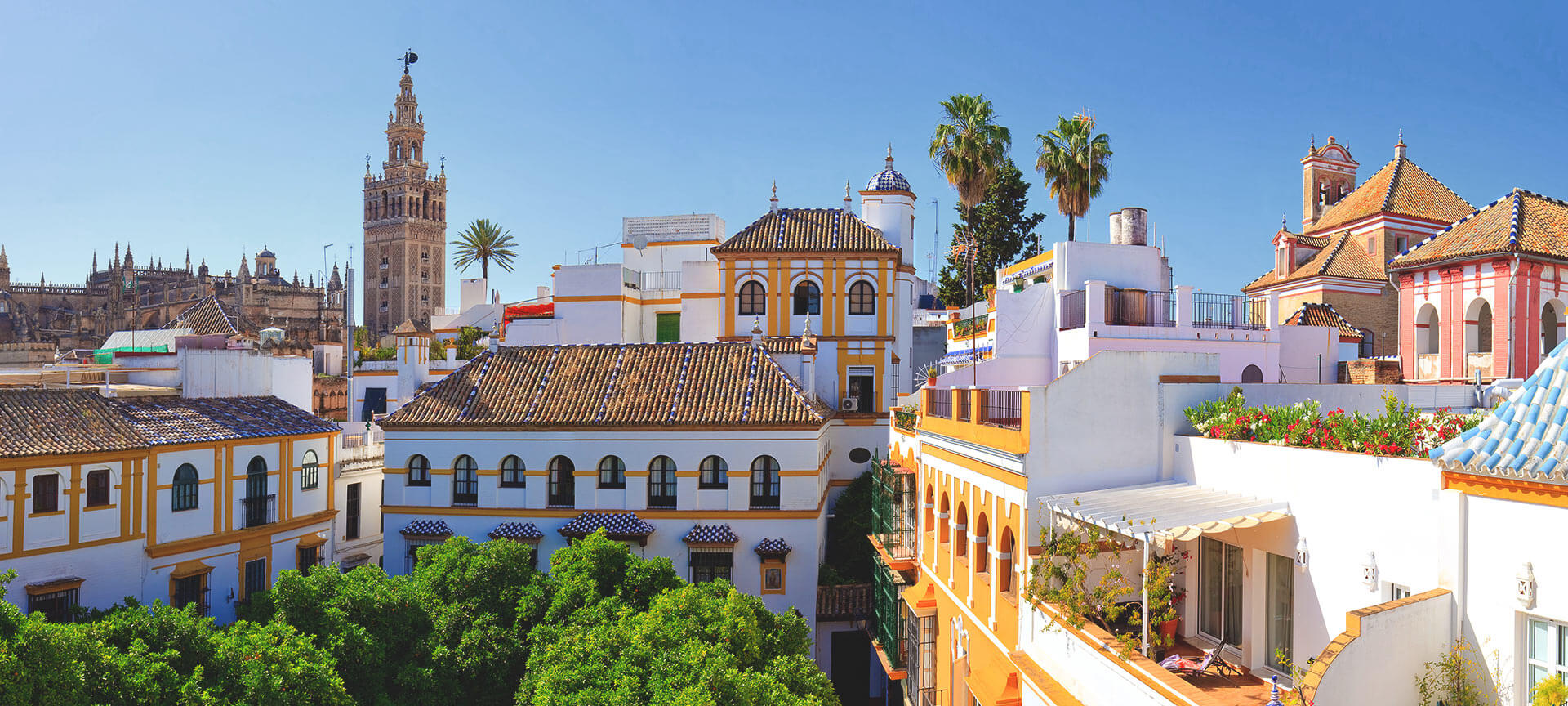
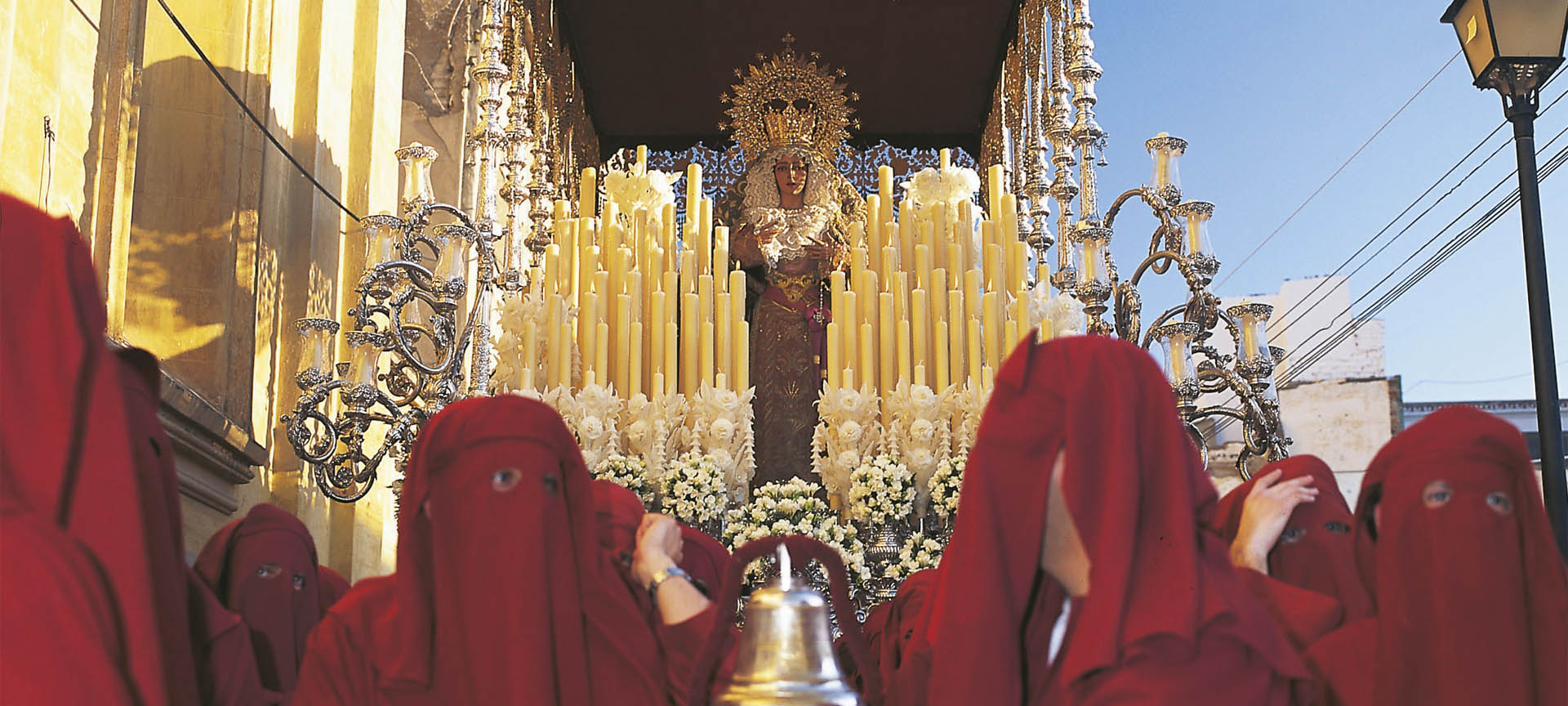
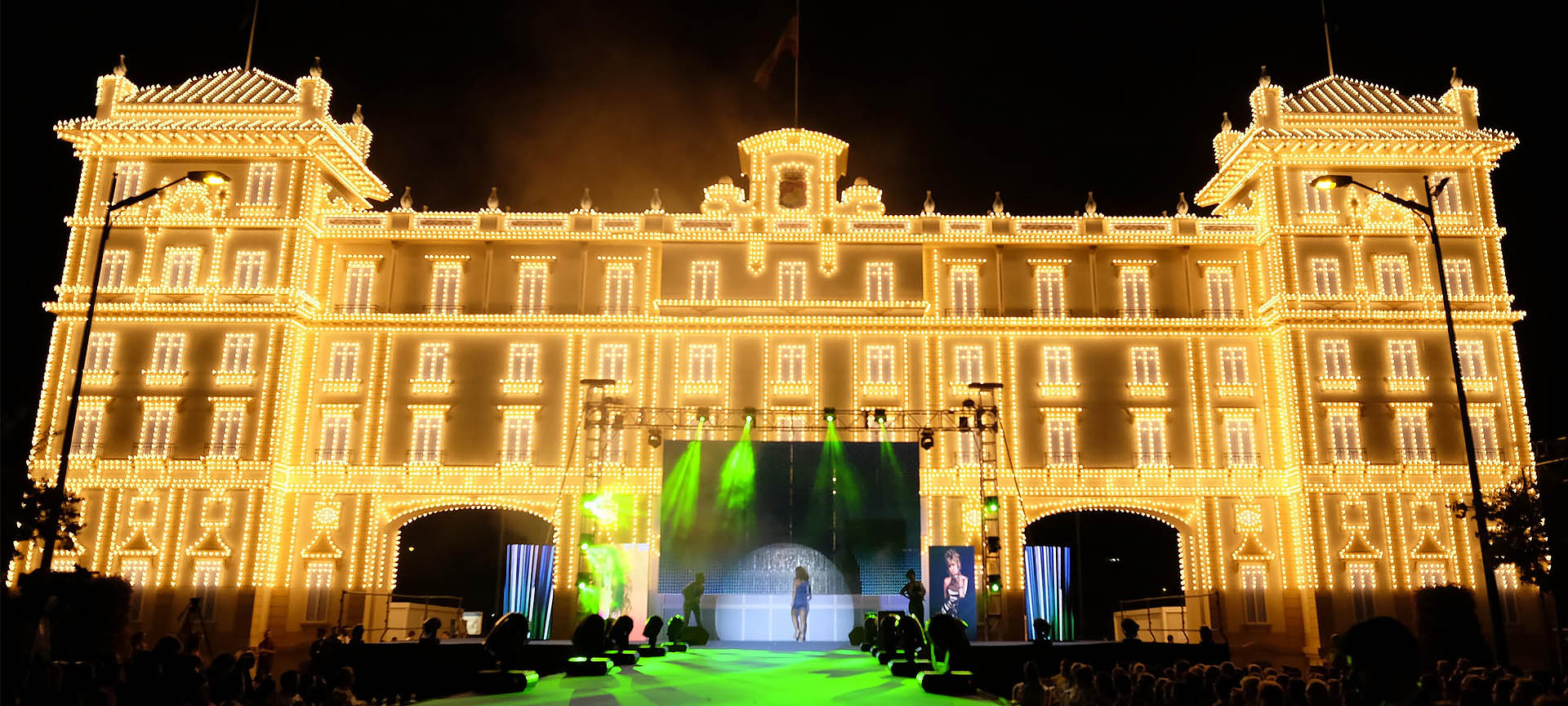
Shows, festivals, sports...
View some of the most relevant events you will be able to enjoy at the destination.


Book yours
Choose between thousands of activities to live your best life on holiday.