Biosphere Reserves: nature and active tourism in 5 unique destinations
Let yourself be enveloped by the murmur of the water in rivers and streams, the majestic flight of the birds or the profound silence of the forest. Experience a holiday with a difference, where a connection with nature is combined with the thrill of active tourism. Kayaking through marshlands, hiking along mountain paths that wind through unique landscapes, cycling amongst volcanoes or watching the sunrise over wetlands teeming with life are just some of the experiences that await you in the Spain’s biosphere reserves. These natural areas invite you to discover some of the country’s most spectacular landscapes in a responsible and authentic way. Here, sustainable tourism is the way to experience travel: in harmony with the local area, respecting its rhythms and minimising the impact of your visit. Adventure, biodiversity and a commitment to the environment come together to offer you a unique experience. What’s more, you’ve got plenty of options. Spain is the country with the highest number of UNESCO-recognised biosphere reserves, with a total of 55. Below, we suggest some of the most highly recommended ones and the activities you can enjoy in each of them.
-
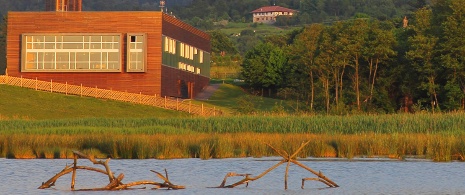
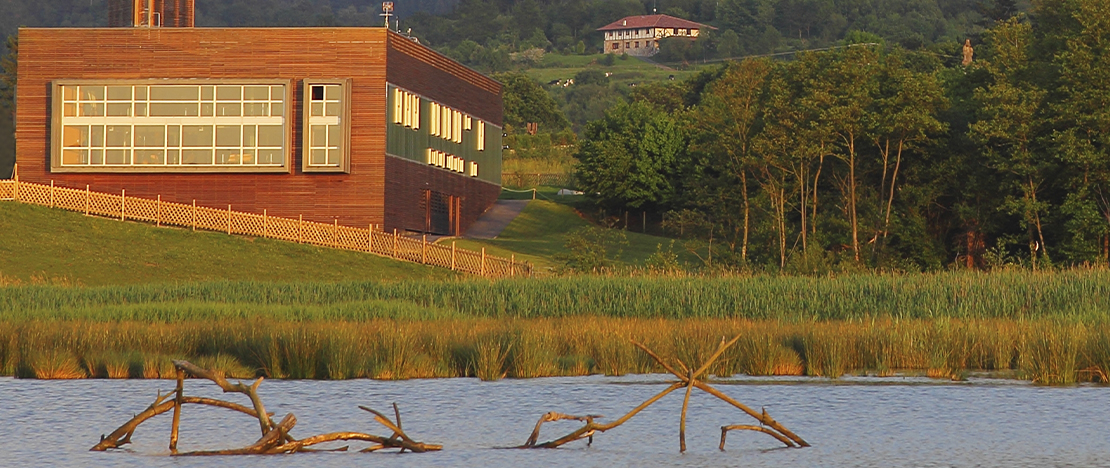
Through marshlands and woodlands in the Urdaibai Biosphere Reserve
Urdaibai is one of Bizkaia’s most unique natural sites. As you explore its marshlands, Atlantic forests and wild beaches, along with its charming fishing villages, you’ll find yourself immersed in a setting of overwhelming biological richness. Explore the Oka estuary by kayak, whilst spotting herons, cormorants and ospreys. You can also travel there by ferry (during the summer season). If you prefer, you can explore the trails that wind through the reserve’s various habitats on foot or by bike: you’ll come across viewpoints with truly breathtaking views. If you’re passionate about surfing, Mundaka awaits you with one of the most famous left-hand waves in Europe. And after the activity… take a stroll through the streets ofBermeoto visit its fish canneries. Another option is to visit the shrine of San Juan de Gaztelugatxe, one of the most photographed and spectacular spots on the Cantabrian coast. Of course, make sure you take the opportunity to enjoy the variety and flavour ofBasque cuisine as well.
-
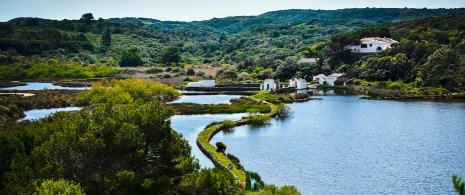
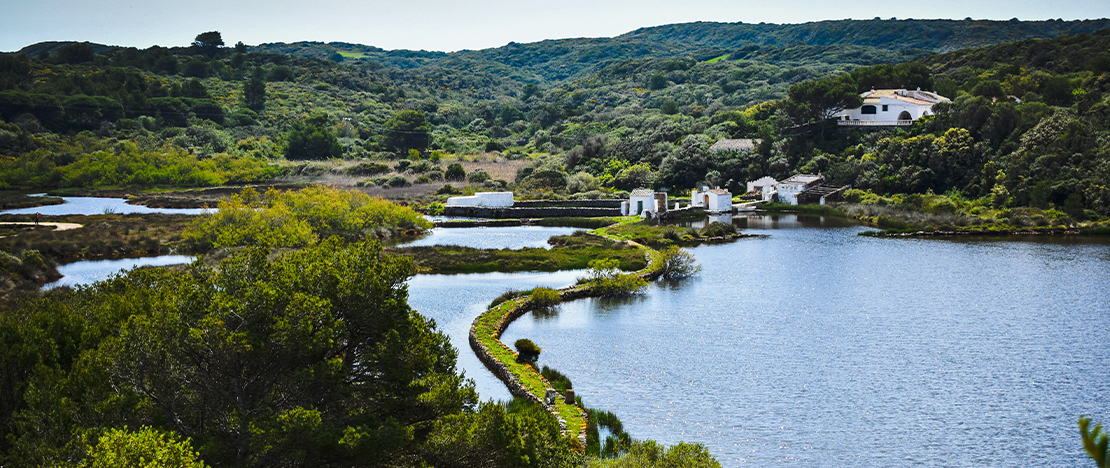
Exploring the seabed and trails of the Minorca biosphere reserve
This island is a prime example of how to enjoy the Mediterranean in a sustainable and responsible way. Its coves with crystal-clear waters, its seabeds teeming with life and its footpaths make it the perfect destination for active tourism. Can you imagine feeling the sea breeze whilst kayaking alongside cliffs covered in pine forests? Or marvel at the many species that live underwater whilst you go snorkelling or scuba diving? On the mainland, one of the most highly recommended experiences is a visit to the s’Albufera des Grau Nature Reserve. You can also explore - on foot, by bicycle, or on horseback - sections of the Camí de Cavalls, a trail which runs parallel to the island’s entire coastline and was once its main line of defence against privateers. And after the activity… as night falls, gaze intently at the sky and its stars: Minorca is a Starlight Destination and Reserve.
-
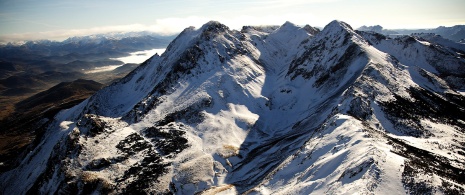
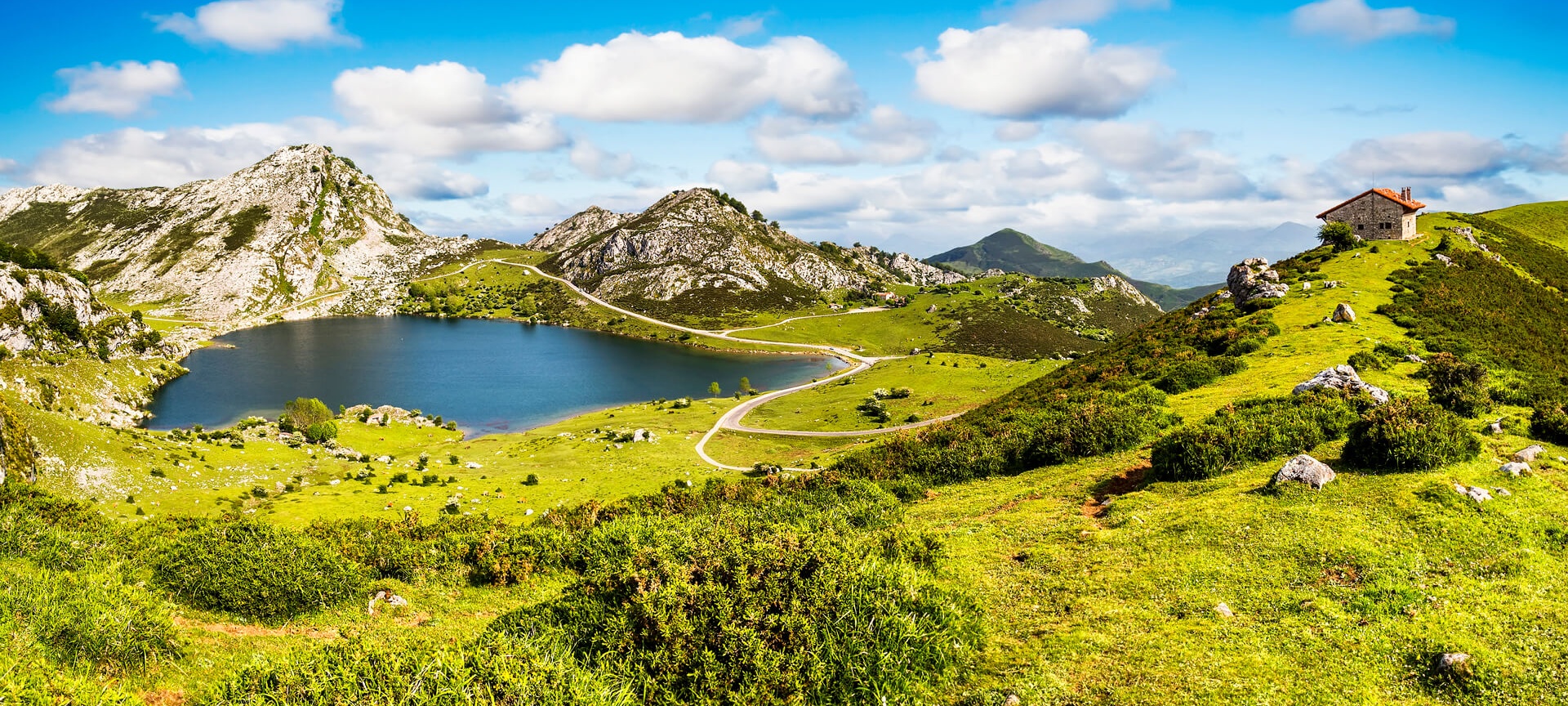
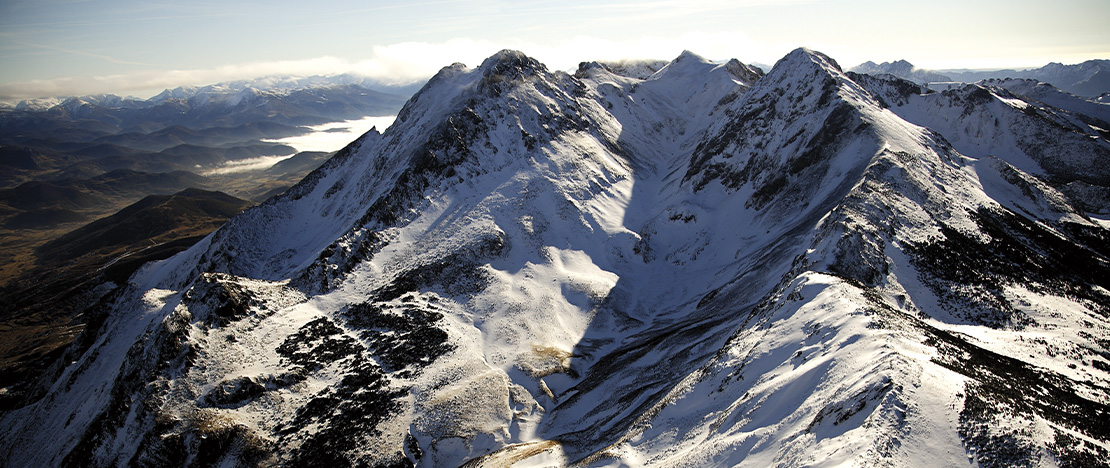
Through the summits, valleys and gorges of the Picos de Europa Biosphere Reserve
It is, without a doubt, one of the great gems of the north of Spain. In the Picos de Europa, you’ll find rugged mountains, deep valleys and gorges, as well as villages where people still live in the traditional way. A landscape that stretches across the provinces of Asturias,Cantabria and León, making this area a true paradise for hiking enthusiasts. If you combine this experience with the guidance of expert guides, every step becomes an opportunity to gain a better understanding of the environmental, ethnographic and cultural richness of this unique setting. And if you’re looking for an adrenaline rush, why not try canoeing down the thrilling Deva and Cares rivers? Amidst narrow gorges, rapids and rocky cliffs rising up all around you, you’ll be treated to unforgettable scenery. And after the activity… explore the mountain villages and the region’s cheese-making traditions. One option is Sotres, the highest village in the Picos de Europa (1,050 m), which still has its shepherds’ huts. A must: try Cabrales cheese.
-
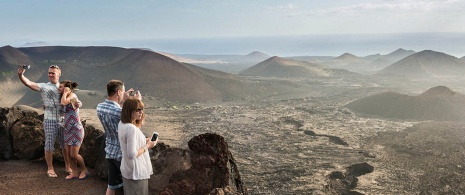
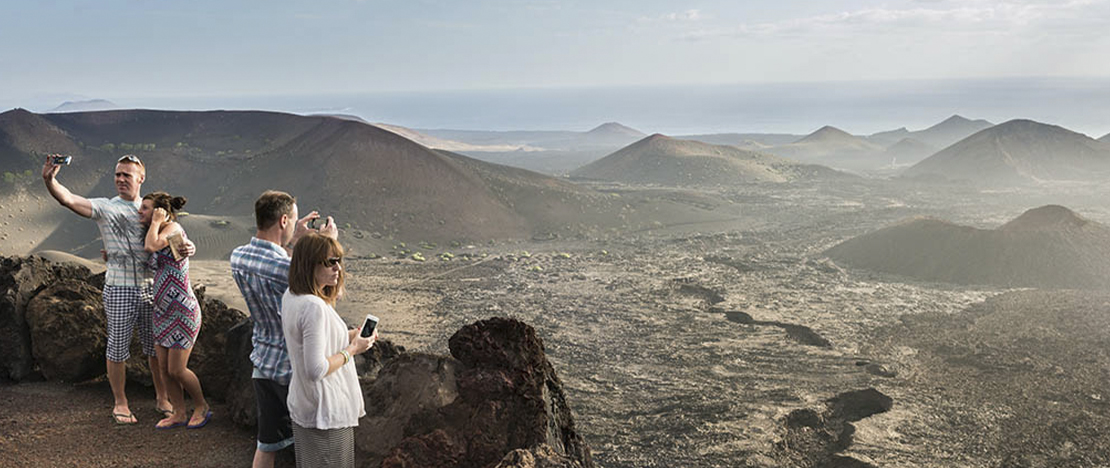
Lanzarote Biosphere Reserve
Volcanoes, unique vineyards and the vastness of the Atlantic Ocean: Lanzarote exemplifies, like few other destinations, the delicate balance between nature and sustainability. One of the best things to do on this island in the Canary Islands is scuba diving. Its waters, which remain at a mild temperature all year round, its volcanic relief and its unique biodiversity are the reasons for this. A visit toTimanfaya National Park is also highly recommended; it features a lunar landscape of lava fields and craters formed by a series of eruptions, the last of which occurred just 300 years ago. Here you can stroll through the La Geria area, where vines are grown in conical pits filled with lapilli, protected by small stone walls also of volcanic origin. And after the activity… discover Jameos del Agua, a space created by the brilliant artist César Manrique. It is a spectacular natural inland lake, connected to the sea, which is home to an endemic species of small, albino, blind crabs.
In Spain, you’ll find many other protected areas recognised by UNESCO. They all invite you to discover a different way of travelling: one that is more unhurried, mindful and in tune with the local area. Find out more about them, and the activities on offer, on our website Spain.info.
Travel plans for inspiring you
Book yours
Choose between thousands of activities to live your best life on holiday.