Gipuzkoa: coastal towns, Michelin-starred chefs and barbecue restaurants
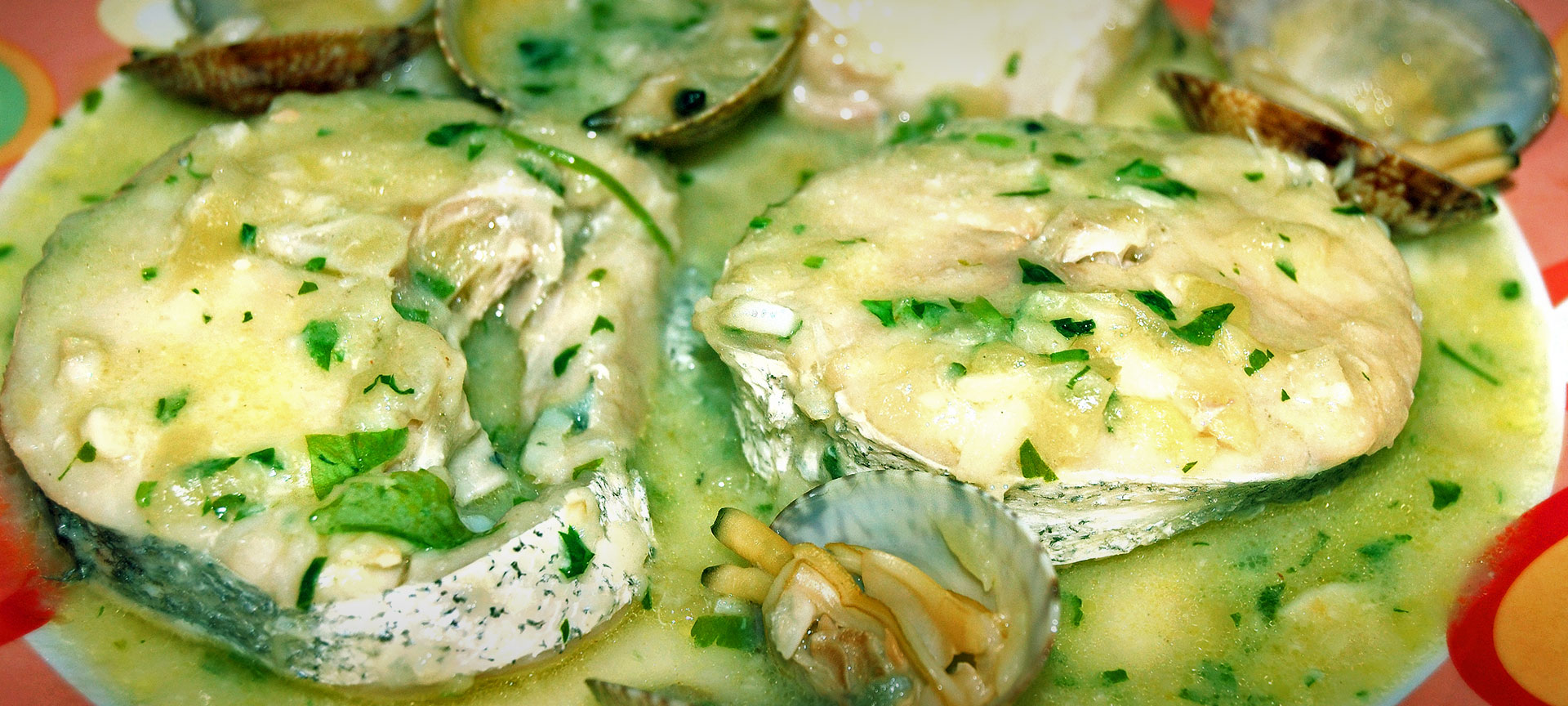
In the easternmost of the Basque provinces, the historic quarters of towns such as Hondarribia, Getaria and Zumaia still boast picturesque fishermen’s cottages and a charming seaside atmosphere. Take a stroll through its ports, lapped by the waters of the Bay of Biscay, which for centuries has had a decisive influence on navigation and fishing practices. Make the most of this opportunity to sample the delicacies of the Cantabrian Sea and the Atlantic Ocean that find their way to the local fish markets, such as sea bream, monkfish, turbot and hake, which are cooked here on a wood-fired grill using a technique unique to Basque cuisine. Do also try the anchovies from the Cantabrian Sea, particularly those from Getaria and Orio, and the bonito, of which the ventresca and the lomo are particularly prized.A culinary tour of Gipuzkoa must include a visit to Donostia-San Sebastián. A stroll through the old quarter, along the stunning La Concha Bay and the riverbanks of the River Urumea makes for a pleasant way to start the day before setting off on a bar crawl to discover the sophisticated local cuisine in small portions at reasonable prices, and then continuing on to dine at some of the city’s restaurants offering haute cuisine. The city is one of the world’s leading culinary destinations and is home to restaurants with Michelin stars, which have helped to establish Basque cuisine as one of the finest in the world.Further inland, the green valleys and mountains are perfect for hiking routes that take you to the source of Idiazábal cheese, which is so characteristic of the region. This product, which has Protected Designation of Origin (PDO) status, is made from raw milk from Latxa and Carranzana sheep. Savouring its creaminess and intense flavour is a great excuse to go on to explore the Goierri district, with its charming rural atmosphere, and the stunning spots of Aralar and Aizkorri-Aratz.
Bizkaia: the tradition of txikiteo and the legacy of cod
Over the course of centuries, the coast of Bizkaia has seen countless expeditions of sailors set sail for the fishing grounds off the distant island of Newfoundland. A coastal route through villages such as Bermeo, Lekeitio, Mundaka, Santurtzi and Algorta (Getxo) offers a glimpse into those times, whilst taking in the stunning cliffs and exploring the sheltered harbours.Here, cod takes centre stage in the local cuisine, particularly when cooked pil-pil or a la vizcaína. Other traditional dishes, such as marmitako made with skipjack tuna or baby squid in their own ink, are also very popular on restaurant menus and in homes across Biscay.As for the avant-garde city of Bilbao, the architecture and art of the Guggenheim Museum Bilbao and the Espacio Alhóndiga share the limelight with ‘txikiteo’, that is, the custom of tasting traditional pintxos whilst hopping from bar to bar: visiting the bars and terraces of Siete Calles or Plaza Nueva, in the old quarter, is a ritual well worth experiencing.Further inland, in towns such as Gernika, agricultural produce as fundamental to Basque cuisine as peppers is grown. Products from this town have their own protected geographical indication (PGI), which guarantees both their origin and quality. You can make the most of your visit to explore the historic Casa de Juntas and the iconic Tree of Gernika, around which key historical events have taken place that are fundamental to understanding Basque identity.
Álava-Araba: flavours of the countryside and trails through unspoilt nature
Situated in the south of the region, this inland area is characterised by vast plains, mountains and valleys, where livestock grazing is a constant feature. Gastronomic routes through the villages and natural spots of Álava are particularly appealing in autumn and spring. Now is the perfect time for tasting mycological gems such as boletus and perretxicos. The months leading up to winter are also the best for small game hunting. The tender meat of squabs, woodcocks, turtle doves and other birds can be tasted in specialist restaurants in towns with such distinctive character as Lezama, Campezo and the provincial capital, Vitoria-Gasteiz.This city has its own pintxo trail taking in the bars in the historic centre. And it’s a great place for tasting Basque Country PGI beef, particularly in the form of a charcoal-grilled ribeye steak, which is ideal for sharing between two or more people. After lunch, it is worth visiting the Cathedral of Santa María and taking the unique ‘under construction’ tour, strolling along the ancient medieval walls and finishing up in the Plaza de la Virgen Blanca, which is the urban and social heart of the city.Furthermore, in the south of Álava-Araba, in the La Rioja Alavesa region, there are extensive vineyards dotted with villages boasting a rich architectural heritage. A stroll through the cobbled streets of medieval towns such as Laguardia, Labastida, Elciego and Lanciego is a lovely way to round off a visit to one of the many wineries in the area.
What to drink in the Basque Country: from medieval vineyards to cider kupelas
The cuisine of the Basque Country is strongly characterised by two drinks: wine and cider. Above all, the first one.The vineyards cover many hillsides overlooking the Cantabrian Sea. This is the main region for txakolí, a light, aromatic white wine, which has three designations of origin depending on where it is produced: Getariako Txakolina, Bizkaiako Txakolina and Arabako Txakolina. This wine is closely associated with the culture of txikiteo. Visiting the wineries that produce it in towns such as Zarautz, Zumaia, Bakio, Plentzia, Amurrio and Llodio offers the chance to discover little-known aspects of Basque culture and cuisine.As for cider, which falls under the umbrella of the Euskal Sagardoa Designation of Origin, it is a major part of life in towns such as Astigarraga. From January to May, local cider houses invite you to take part in a ritual that is as fun as it is educational: after pouring it straight from the kupelas (the enormous wooden barrels where the cider matures), this drink is the perfect accompaniment to a traditional meal, enjoyed at long communal tables, featuring cod omelette, T-bone steak and Idiazábal cheese with quince jelly.
What other culinary experiences are there to enjoy in the Basque Country?
One of the culinary experiences on offer in the Basque Country is sampling the set menus served in the canteens of the fishermen’s guilds, which can be found in several of its coastal towns. You can also discover the txokos, or gastronomic societies, where groups of friends and families get together for tasting sessions of both traditional cuisine and culinary innovations. Being invited to one of these is a real honour and one of the finest examples of Basque hospitality.If you’re planning to visit over the Christmas period, it’s well worth taking the opportunity to sample festive recipes as delicious as txangurro (Basque-style spider crab), as well as traditional desserts such as intxaursaltsa (walnut cream) or goxua, with several layers of sweet textures arranged in a bowl.
To continue the journey
If you’d like to continue exploring the landscapes, villages and attractions of the Basque Country, you can tour the region via the various routes of the Euskadi Grand Tour – an itinerary designed to showcase the diversity of the Basque Country and round off your gastronomic route.From the Rioja Alavesa, you can complete the wine route through the Rioja Qualified Designation of Origin, exploring the vineyards, wineries and villages of the neighbouring regions of Navarre and La Rioja.To the west, the Cantabrian Sea invites you to continue your journey through ‘Green Spain’, travelling through the coastal and mountainous regions of Cantabria, Asturias and Galicia, which have historically been closely linked to that great spiritual, cultural and gastronomic route known as the Way of St James.Discover more travel ideas, as well as other dishes and ingredients typical of the Basque Country, with content from Spain.info. #foodfromspain