What do villages sound like? The Spanish folk revolution
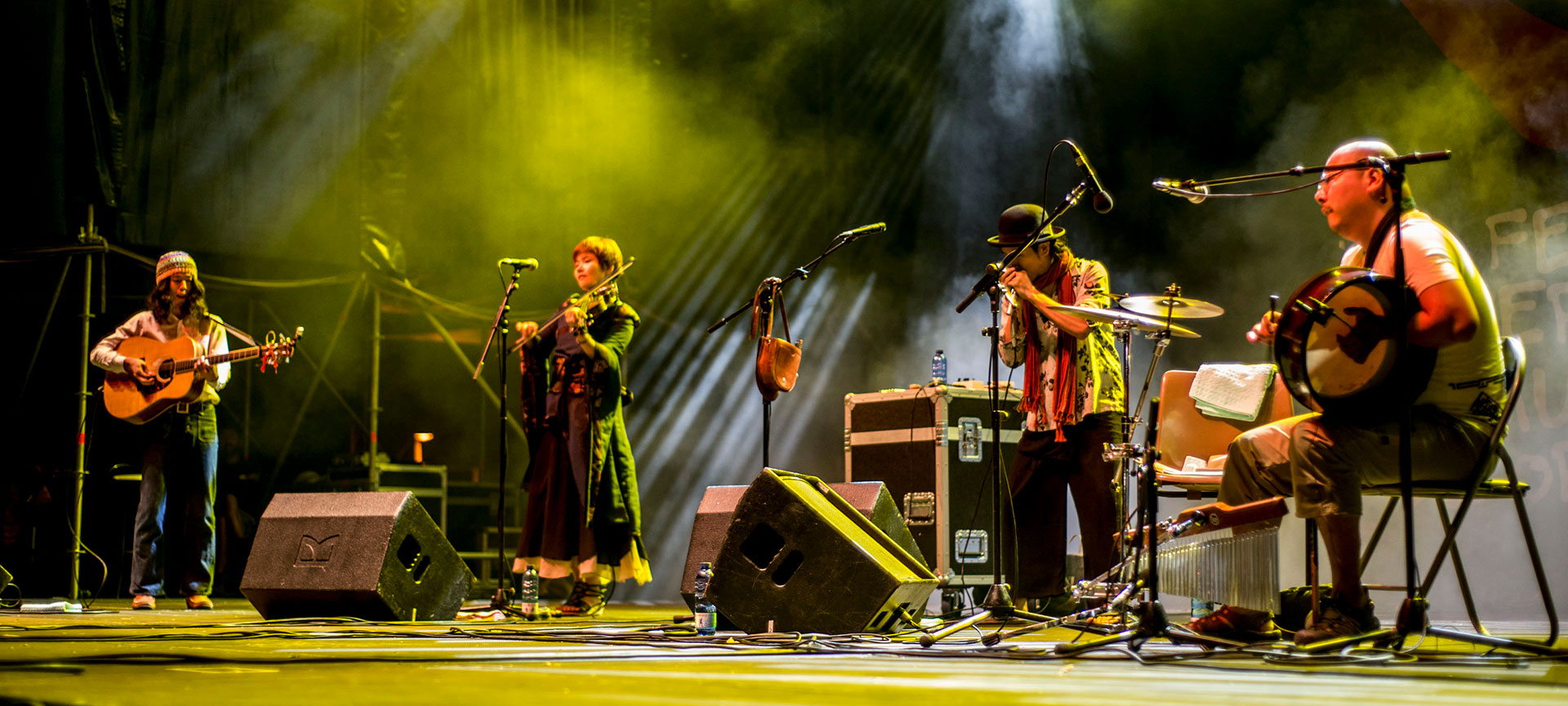
Spanish folk music is more alive than ever. Melodies and lyrics full of folk wisdom and tradition are gaining fresh momentum as they merge with more modern styles. Today's artists have turned their gaze back to the sounds of their origins and discovered in them a living and completely relevant language.At the same time, this kind of Spanish folk 'revolution' is celebrating rural life, environmental stewardship, respect for elders, and diversity.Want to discover what the villages of Spain sound like?
-
Celtic sounds and the power of the bagpipes in the north
Two of the epicentres of the folk music revival are located in Galicia and Asturias. The fusion of the Celtic tradition of bagpipes and tambourines with songs linked to the sea, polyphonic female voices, electronic beats, and visually stunning performances is a marvel.- Notable artists: Asturian artist Rodrigo Cuevas embraces rhythms that combine tradition with avant-garde and a unique rural aesthetic mixed with queer activism, cabaret, and a healthy dose of humour. From Galicia, you'll be captivated by Tanxugueiras, Baiuca and Fillas de Cassandra, whose voices and harmonies create intense and deeply evocative atmospheres.- Festivals: every summer, the seaside town of Ortigueira (A Coruña), hosts the International Festival of the Celtic World. In July you can enjoy the Interceltic Festival of Avilés and Region, which also features photography, theatre, gastronomy, and local crafts.- Bonus: attending one of these events is a fantastic opportunity to explore the area's rich natural, cultural, and historical heritage. Good examples include the old towns of Oviedo and Avilés, the Tower of Hercules in A Coruña or the beaches of Ortigueira.
-
Pop and rock with bandurrias and castanets in central Spain
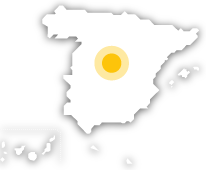
The harmony of rural life and sharing good times are reflected in the regional music of Castilla-La Mancha, Castilla y León, and Madrid. Powerful voices blend with traditional instruments such as the tambourine, castanets, bandurria, dulzaina (a type of oboe), violin, and drum, along with more modern instruments like the digital keyboard, bass, and electric guitar. - Notable artists:Rozalén is one of the most recognised, loved and award-winning artists on the Spanish music scene. Her album ‘Matriz’, which includes collaborations with other leading figures in this new folk music movement, is a true tribute to the regional diversity of Spain. The singer from Albacete also performs accompanied by a sign language interpreter. The group Collado Project, for its part, experiments with rhythms and melodies from La Mancha, intertwining them with classical music, jazz, and rock. Also keep an eye out for the alternative songs of Ede, the intimate tones of Karmento, the poetry of El Naán, the creativity of Fetén Fetén and the Castilian folk of the duo Delameseta.- Festivals:Ronda en Vela is held in the Madrid town of Robledo de Chavela, Cercedilla Folk in the Sierra de Guadarrama mountains, and Folklores in Madrid. During the summer months, festivals such as Folk Segovia and WIM (What is music?) are held.- Bonus: visit the medieval village of Frías (Burgos), where the WIM takes place; go hiking in the Sierra de Guadarrama mountains from Cercedilla, or stroll through the picturesque streets of Segovia and admire its imposing aqueduct.
-
The influence of the sea: from the Mediterranean to the Atlantic
The Mediterranean region shares cultural elements that are reflected in its folk music, characterised by its joyful and poetic nature, such as the Valencian cant d’estil or the sardana of Catalonia. Young performers introduce contemporary textures and approaches that renew these roots without losing their essence. The same is true of the Canarian son, with its isas, folías, malagueñas and sirinoques, offering a new sonic vision of traditional Latin American influences.- Notable artists: Catalan artists Silvia Pérez Cruz and María Arnal are two of the leading figures of this new generation. So too is the delicate artistry of Valeria Castro from the Canary Islands and the tribute to the female voice by the Murcian group Mujeres con Raíz.- Festivals: the Festival Folk Canarias takes place in several municipalities of Gran Canaria and Tenerife between November and December. Another good option is the Folkfest Región de Murcia, held between January and February.- Bonus: take the opportunity to sample Murcia's cuisine, enjoy a delicious rice dish, and try the wines from the Jumilla, Yecla, and Bullas designation of origin. You can also enjoy the Canary Islands' pleasant weather during their autumn festival.
-
Folklore is everywhere in Spain
The artistic movement spearheaded by these young voices of Spanish folklore is growing stronger every day. There are many other places such as Extremadura, Andalusia and Cantabria where the talent of their performers also shines.- Notable artists: some soloists and groups that are sure to surprise you include Gato con Jotas (Cáceres), María Peláe, with her masterful fusion of flamenco and humour (Málaga), Califato 3/4 (Seville) and Casa Palma (Cantabria). - Festivals: other recommended events for discovering new voices include the Plasencia International Folk Festival, Nerpio Suena (Sierra del Segura), Fiestas de las Cuadrillas de Barranda (Murcia), Gala Folklorica Internacional de Ronda ( Malaga), Folkomillas (Cantabria) or Festival Frigiliana 3 Culturas (Malaga).- Bonus: if you want to discover more destinations to plan a musical trip, find inspiration at Spain.info!
Book yours
Choose between thousands of activities to live your best life on holiday.