Jewels of inland Spain that you are yet to discover
Whichever region of Spain you travel to, if you venture into its inland areas you will discover a multitude of curious and surprising places. Exploring Spain's lesser-known regions, villages and places - taking your time and at your own pace - will enable you to experience fascinating places and leave you eager to return! These are some of the jewels that await you.
-
Landscapes from another planet in Andalusia
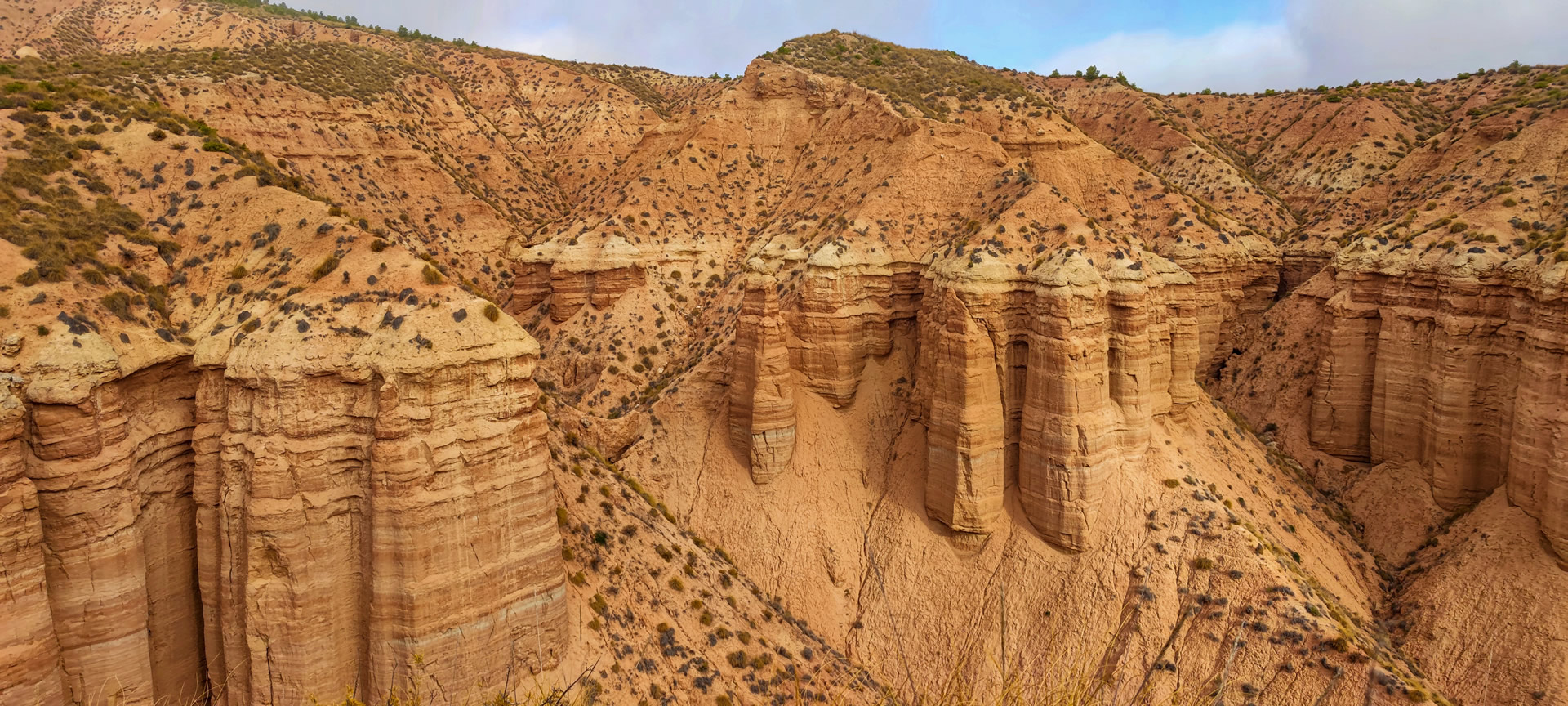
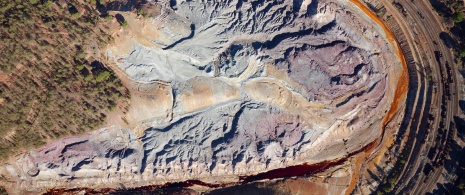
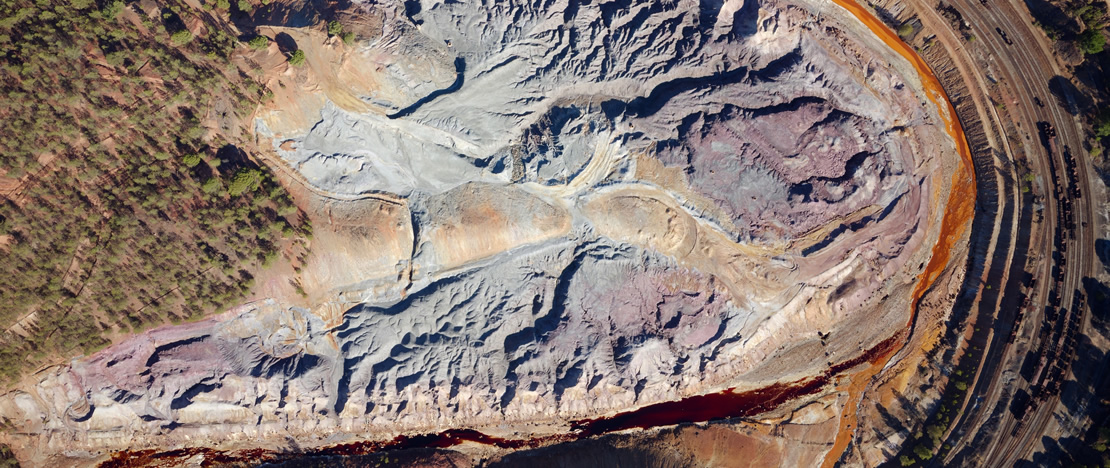
Did you know that NASA and the European Space Agency have been studying the ecosystem of Rio Tinto, in the province of Huelva, for its similarities to Mars? Here you can dip your hands in the red waters that give the river its name and admire the unique multicoloured landscape of one of the largest opencast mines in Europe at the Riotinto Mining Park.Hidden underground, in the province of Almeria, you will find a natural phenomenon. This is the Geode of Pulpí: a spectacular eight-metre-long cave encrusted with enormous translucent gypsum crystals of almost two metres in length. It is the second largest geode in the world and you can see it by visiting the Mina Rica, in the Sierra del Aguilón. Andalusia is also home to the Gorafe desert, with its remarkable mixture of landscapes, shapes and colours that change with the time of day. This is in the Granada Geopark, which is known as the “most deserted desert in Spain”. There are routes to explore it on foot, by bike or by 4x4. You can even experience stargazing and sleep in the heart of the desert in a glass-walled cabin. Furthermore, in Gorafe you have a megalithic park with more than 240 dolmens and numerous cave houses where you can stay.
-
Tranquil shelters in nature
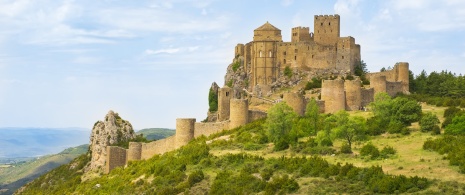
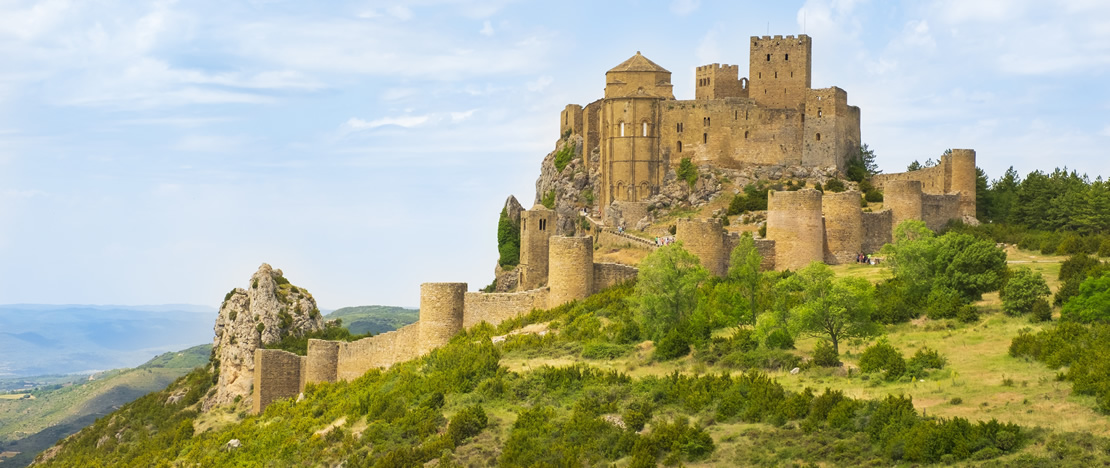
In the region of El Bierzo (León), there is a secret place where, more than a thousand years ago, monks came in search of seclusion: the valley of Silence. Among its mountains and lush forests are the remains of the monasteries and temples they built, located around small villages such as Peñalba de Santiago, Montes de Valdueza, San Clemente or Manzanedo, where it seems that time has not passed.Close to the Pyrenees, in the region of Hoya in Huesca, you can follow the Route of Silence, which will take you to cave hermitages created in hollows and rocky outcrops in the area during the medieval period. These small shrines built in beautiful spots add to the other cultural attractions of this region, where you can also visit the Loarre Castle or take part in adventure sports.The valleys of Sierra Calderona, in the province of Valencia, are another place where religious communities came in search of peace and tranquillity. The imposing Porta Coeli monastery and the Santo Espíritu del Monte monastery, with its guesthouse open to the public, are fine examples of this. Another important monastic complex was the Valldecrist Charterhouse, which is currently being restored.
-
Wonders of water
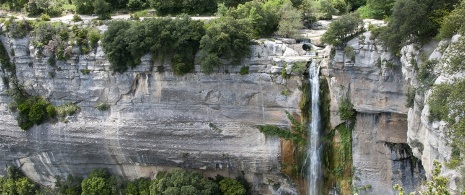
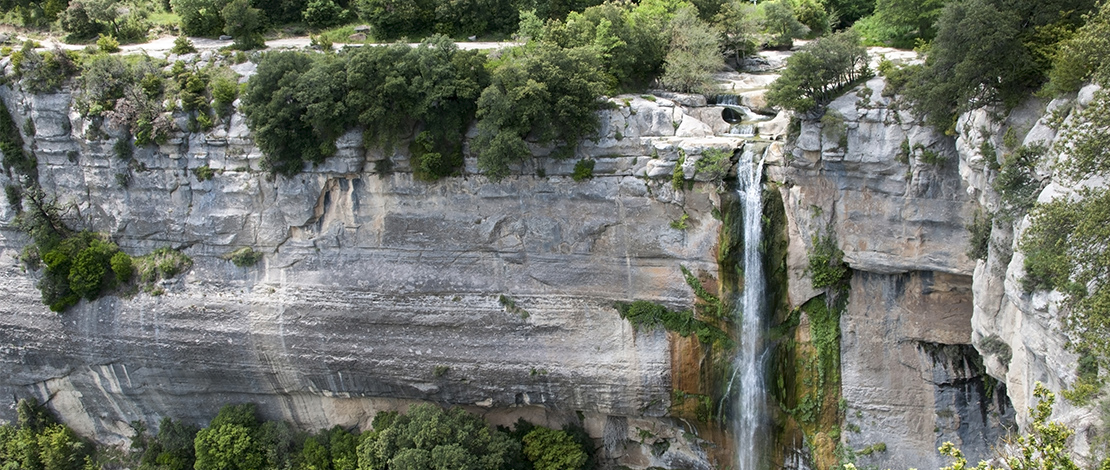
Spring and autumn are the best times to enjoy the natural spectacle of the waterfalls in Spain. In the north of the province of Jaén, the Guarrizas river cuts abruptly into the terrain producing a beautiful succession of waterfalls; and the impressive 40-metre drop of the Cascada de la Cimbarra waterfall, in the natural park of the same name, can be found near the town of Aldeaquemada.At the Sierra del Segura, in the south of the province of Albacete, the source of the river Mundo in the cave of Los Chorros creates another beautiful waterfall falling from a height of more than 80 metres. It is not the only one you can see, because streams, fountains and waterfalls are one of the great attractions of the area. So are the small towns and historic sites that populate the region, such as Yeste, Riópar, Liétor, Ayna or Letur. The highest waterfall of Catalonia is located in the interior of the province of Barcelona and is also one of the least known in Spain. These are the more than 100 metres of free fall of the Salto de Sallent, which you can reach by hiking from the pretty village of Rupit, surrounded by the spectacular setting of forests and cliffs of Collsacabra.
-
Places with a history of their own
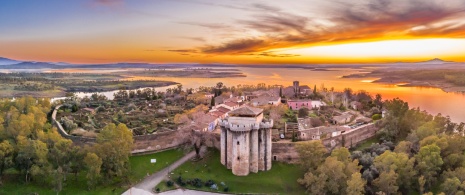
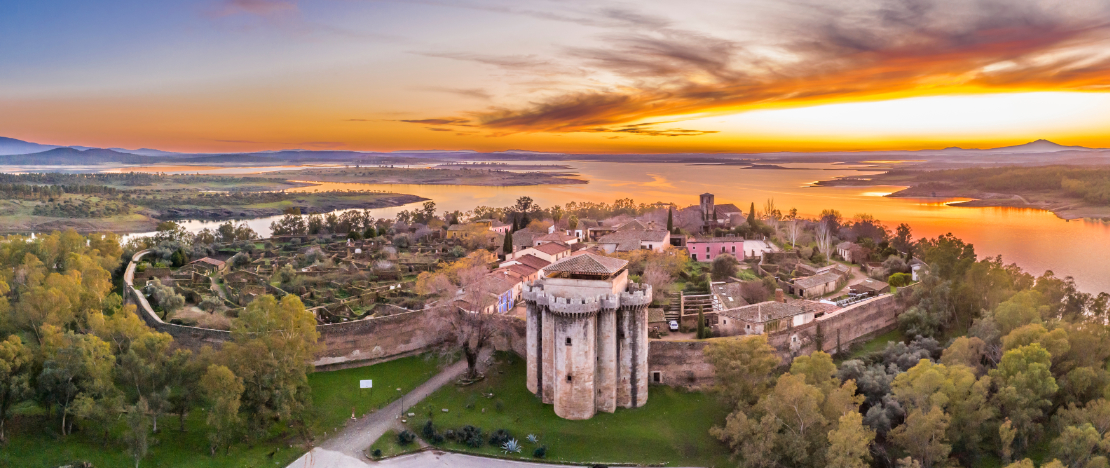
Did you know that the abandoned village of Granadilla, in the province of Cáceres, is one of the best walled villages you can visit in Spain? Founded in the 9th century, it was fortified due to it being a necessary step for the Silver Route. It had to be abandoned in the mid-20th century due to construction of the nearby Gabriel y Galán reservoir. However, in the 1980s it began to be rehabilitated, after being incorporated into the Abandoned Village Recovery Programme and today it is possible to visit it all year round. In addition, just 50 kilometres from there, you can visit one of the most beautiful villages in Spain in the province of Salamanca: Candelario. Briones in La Rioja is another walled town that will surprise you. It is easy to feel transported to another era as you stroll its cobbled medieval streets admiring its well-preserved old palaces and houses. You will be in the area of Rioja Alta, a land of wineries and vineyards, so don't miss the chance to discover the Vivanco Museum of Wine Culture: this interactive experience explores the importance of wine in all cultures throughout history through various objects and works of art. And you can also take the opportunity to plan your own route, as Briones is close to some of the most charming villages in La Rioja, including Ollauri, Sajazarra, Nájera, Ezcaray, Haro and Navarrete.
Book yours
Choose between thousands of activities to live your best life on holiday.