Outdoor activities in Spain
Sit and watch the sunset, ride a catamaran through the canyons of a river, cross a national park in a 4x4... In short, connect with nature. Sounds enticing, doesn't it? Spending time outdoors has always been one of life's pleasures, now more than ever. Fulfil your desire to see the world and come to Spain to fill your lungs with fresh air. Here are some ideas that are sure to catch your attention:
-
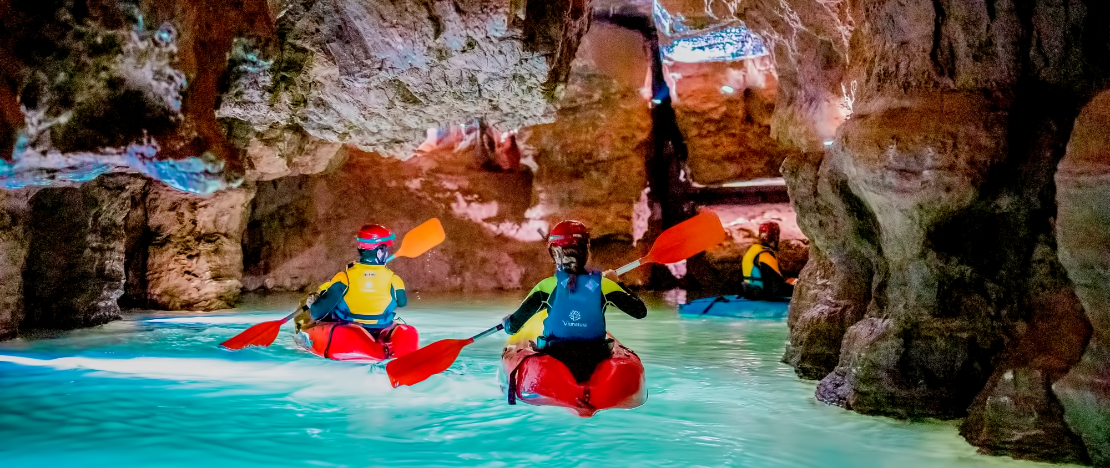
Travel along Europe's longest navigable underground river
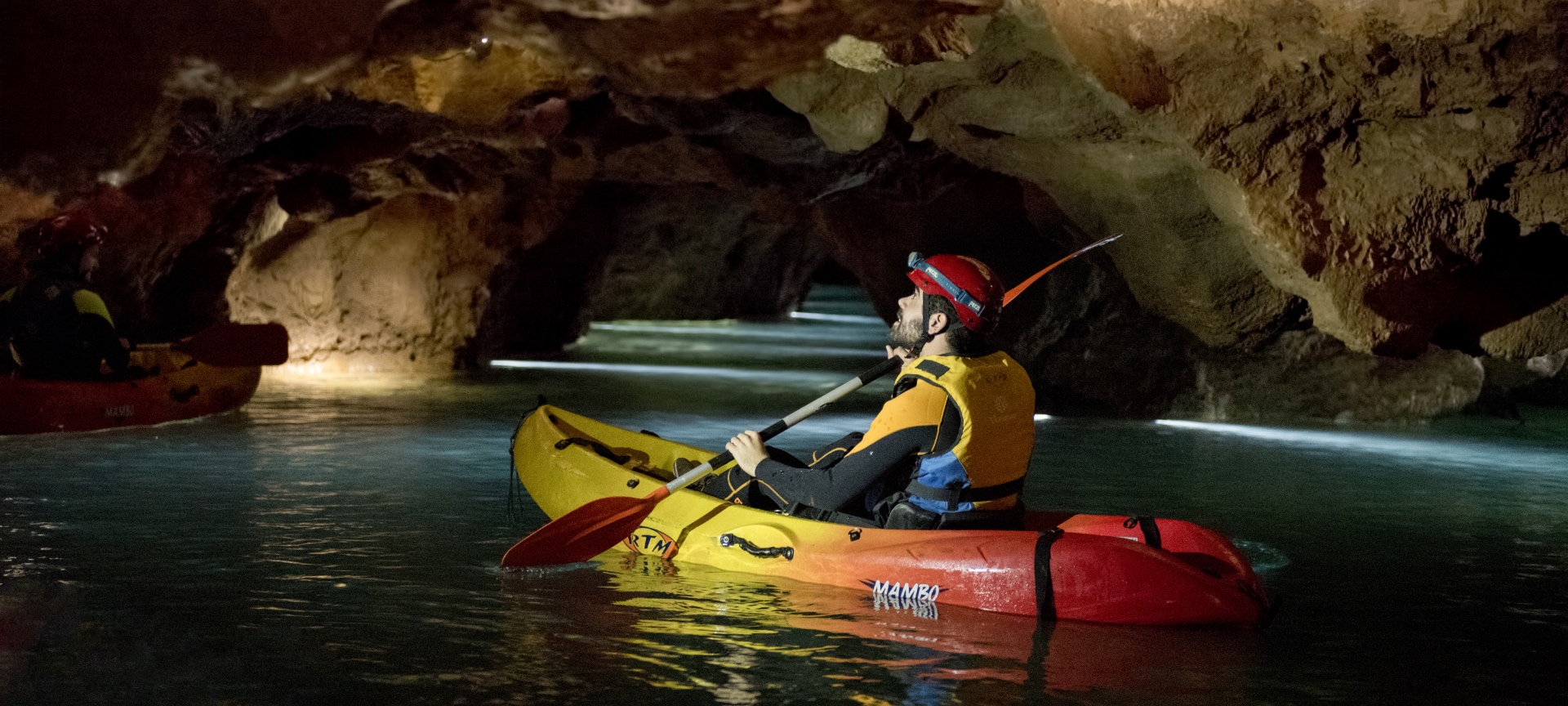
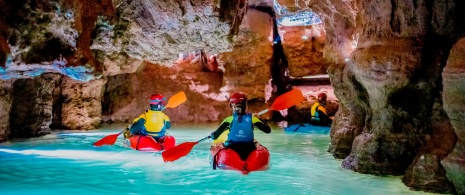
You will find it in the Coves de Sant Josep (near the Sierra de Espadán natural park, Castellón) and it is a fascinating landscape that was formed 250 million years ago. This underground river is no less than 2,750 metres long. Of these, 800 metres can be covered by boat while you gaze at stalactites and stalagmites. Some of its most famous galleries and halls have suggestive names such as the Lake of Diana, the Blue Lake or the Gallery of the Siphons. If you are adventurous you can book a speleokayak (cave kayaking) activity accompanied by professional guides. They also organise a musical experience that you will remember for a lifetime: Singin' in the Cave, an acoustic mini-concert in which the musicians sing from a boat in one of the most beautiful lakes in Les Coves, the Sala dels Murcielats.
-
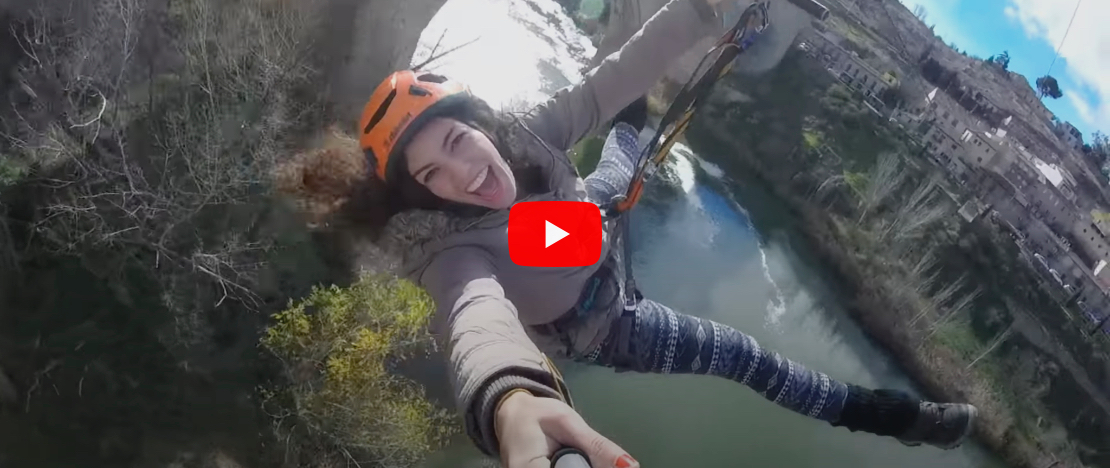
Take the plunge on one of Europe's longest urban zip lines.
You can do it in the heart of Toledo. In addition to discovering all the cultural heritage that the city known as "the city of three cultures" has to offer, dare to challenge yourself. In the old town you will find a zip line 180 metres long. It is located next to the beautiful Bridge of San Martín. So as well as feeling the adrenaline rush, you'll get a fairytale view over the Tagus River.
-
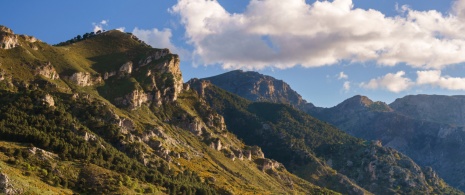
Explore Spain's newest national park
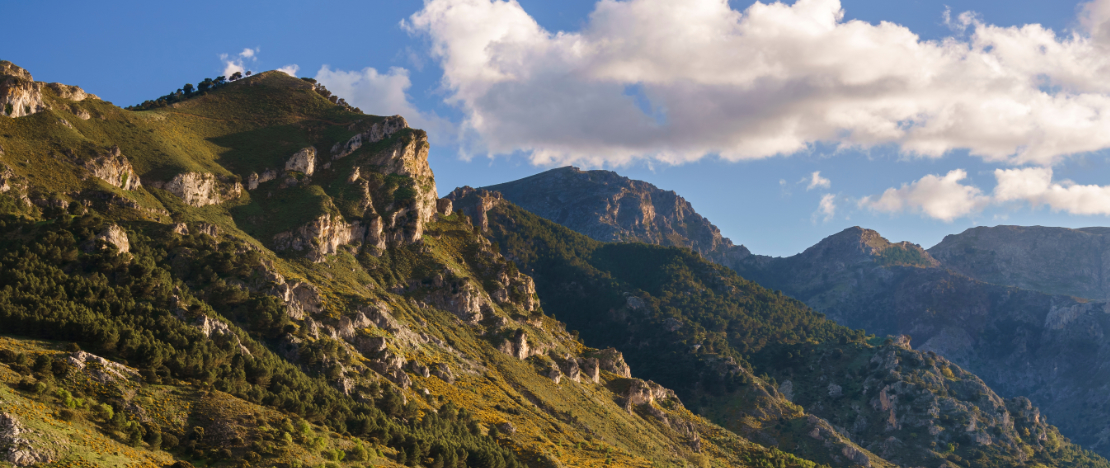
This is the Sierra de las Nieves National Park. You will find it in the interior of the province of Málaga and it is the latest park to join Spain's network of national parks. If you enjoy caving, canyoning and rock climbing, you'll be pleased to know that this natural area has an impressive underground network of caves, pools and tunnels. In fact, it is the deepest chasm in Andalusia, with a depth of 1,101 metres.If you add to all this the routes on foot, on horseback or by bicycle through the white villages of the area, the plan is perfect. Come and discover beautiful places like El Burgo, Monda, Tolox, Parauta, Yunquera or Ronda.
-
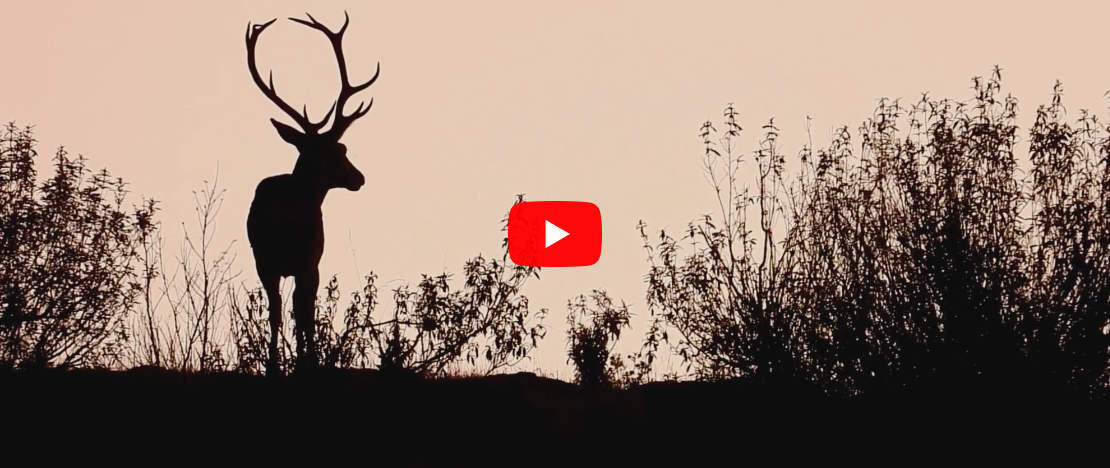
Have you ever experienced stag rutting?
This is a very special natural spectacle that consists of the bellowing of the deer and some other animals. If you want to see it, plan a trip to the Monfragüe National Park (in the Cáceres area) between September and October, during the deer rutting season. Hundreds of males emit loud roars to mark their territory, inciting their rivals to fight for dominance with their large antlers.A real experience in a park where you can observe dozens of species in the wild, which also has some of the best-preserved cave paintings in Spain and which, as well as on foot, you can travel on 4x4 routes to reach places you would not otherwise be able to reach. And a final surprise: very close by is the town of Baños de Montemayor, with a famous spa where you can pamper yourself after an intense day.
-
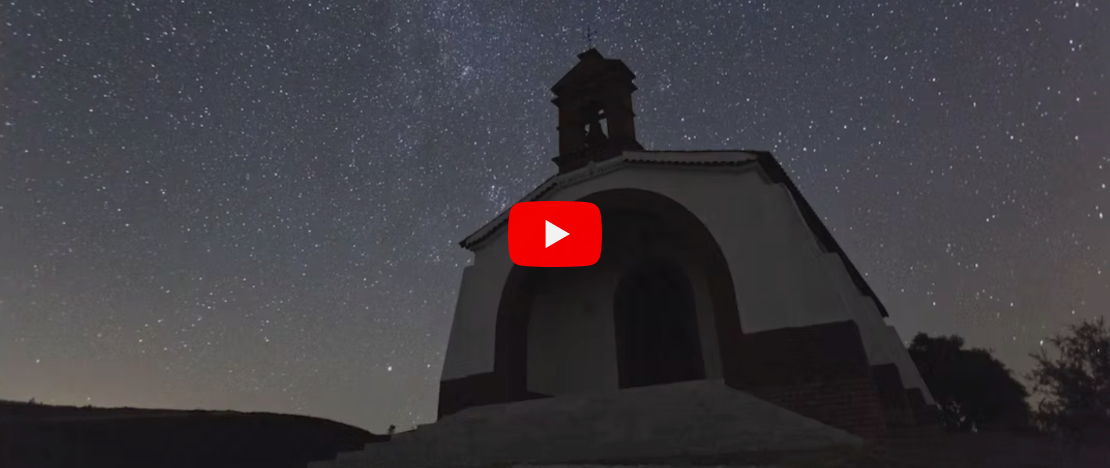
Stargaze at the world's largest astronomical Starlight Reserve
Where? In Andalusia's Sierra Morena: more than 400,000 hectares covering six mountain ranges. When night falls, the sky can be seen with the naked eye as clearly as in some observatories. This sustainable tourism can be enjoyed thanks to the network of natural viewing points in the area and the so-called 'stellar accommodation'. What are these accommodations like? They are located at strategic points for observing the firmament and offer services such as turning off the lights on request, late check-out, storage of astronomical material, etc. When the day comes, the stars "go out" but the beauty of the white villages and the dehesas is lit up.
-
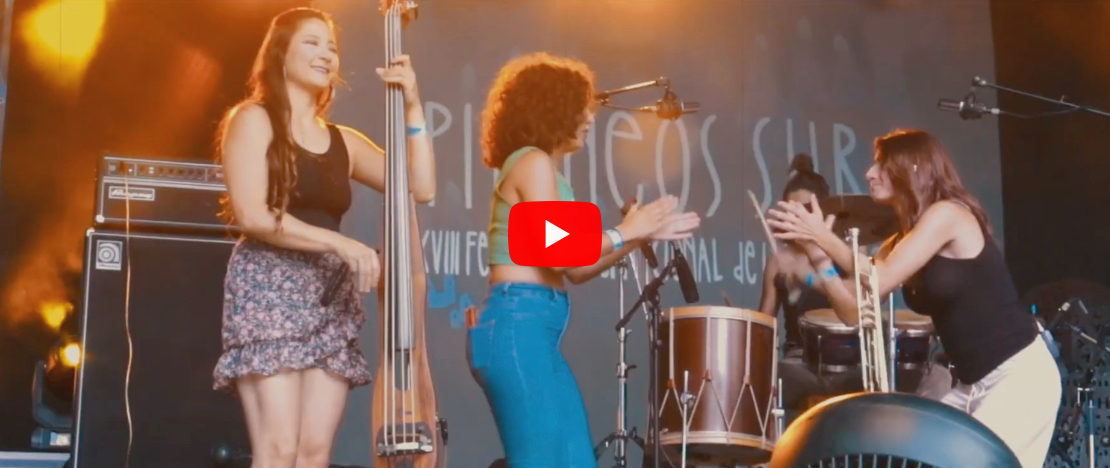
Dancing at a festival with the stage on the water of a reservoir
In Lanuza(Sallent de Gállego, Huesca) the well-known festival of cultures 'Pirineos Sur' is held every summer. One of the things you'll love most about this festival, which has featured some of the biggest names in world music, is its floating stage on the Lanuza reservoir, with unforgettable views.Specifically, you will be in the Tena valley, in the heart of the Aragonese Pyrenees, so as well as listening to music you will be able to see high peaks, glaciers and an impressive set of lakes. If you are a hiking enthusiast, the Bunker Route is a must.
-
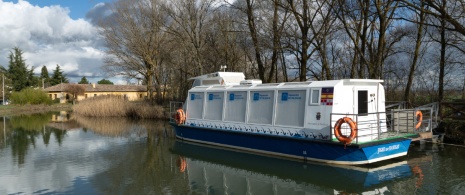
Take a boat trip through the centre of Castile
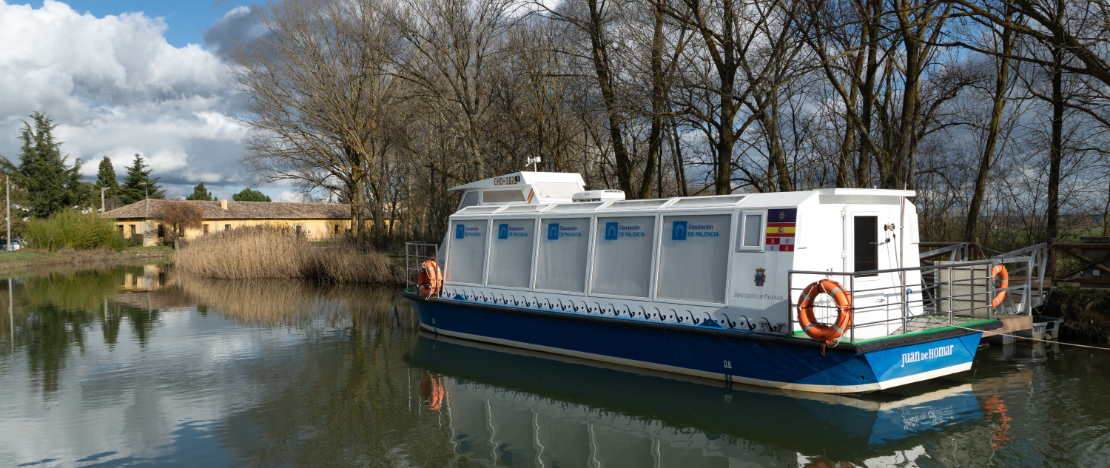
By boat in the centre of Castile and León? In the heart of Spain and hundreds of kilometres from the sea? Yes Thanks to one of the most famous hydraulic engineering works of 18th century Spain: the Canal of Castile. It is an artificial waterway that passes through the areas of Palencia, Valladolid and Burgos, taking advantage of the water of different rivers.The boat route is beautiful, as it takes place in the middle of nature. You are bound to be interested in seeing how it travels at different water heights thanks to the locks. In addition, a large part of the route can also be done on foot, on horseback or even by canoe. Take the opportunity to visit towns such as Frómista, Herrera de Pisuerga or Medina de Rioseco.
-
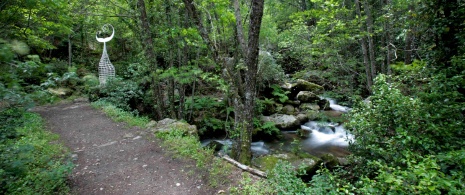
Looking for art in nature
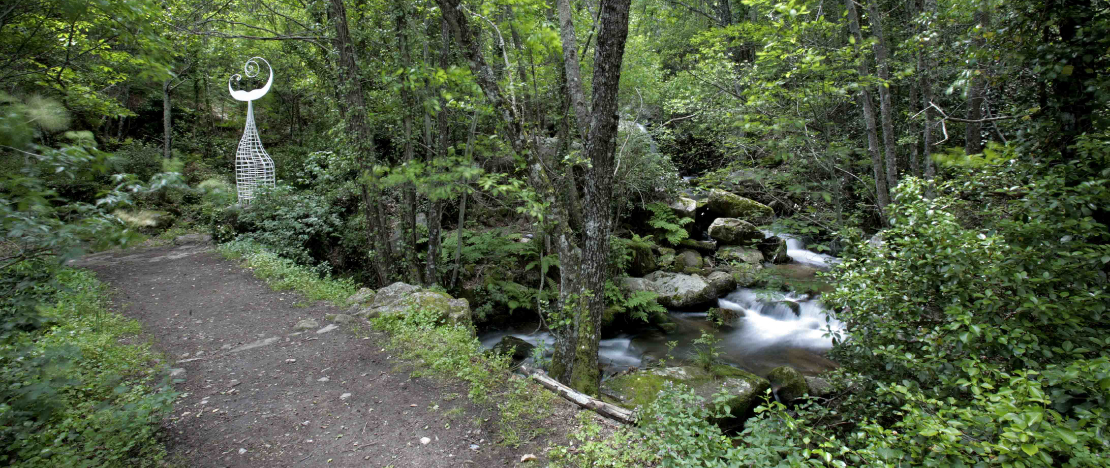
You can do this in several destinations. For example, very close to Madrid, in what is known as the "Valley of Dreams", in the heart of the Sierra del Rincón mountain range, declared a biosphere reserve by UNESCO. This is a rural route that will take you through lush forests where you will also find fifty outdoor sculptures in Puebla de la Sierra.More places? The province of Salamanca, which has the "Paths of art and nature": four circular paths through areas such as the Las Batuecas-Sierra de Francia natural park, where you will come across curious figures such as a mermaid's tail, an open door in the middle of the countryside...Just 14 kilometres from the city of Cáceres you will find another curious initiative: the Vostell Malpartida Museum. It was founded by Wolf Vostell, a German artist of international prestige, and here you will find collections of contemporary art and sculptures installed among the rocks of Los Barruecos.
-
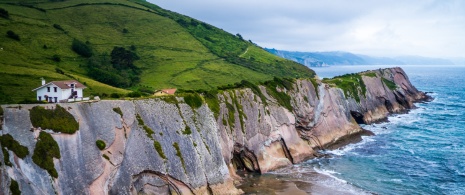
Travels more than 60 million years into the past
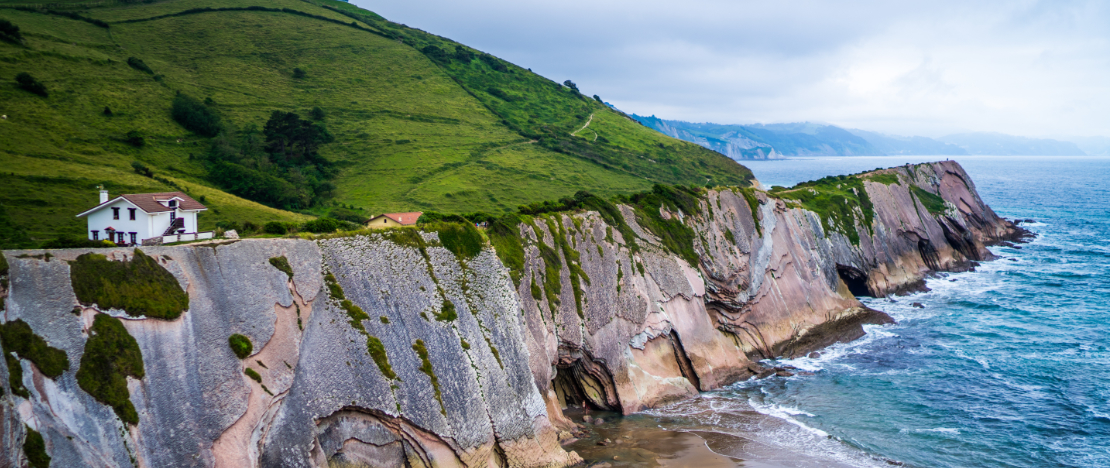
You can become a time traveller thanks to the "Flysch Route". The coastal strip of the Basque Country between Deba and Zumaia has around eight kilometres of cliffs that reveal key moments in the Earth's geological history, such as the great extinction of the dinosaurs.You can see these imposing cliffs (some of which are up to 150 metres high) along different hiking routes or on a tourist boat where you can also learn about ancient ways of life such as whale fishing in Mutriku.
Travel plans for inspiring you
Book yours
Choose between thousands of activities to live your best life on holiday.