Camino de la Cruz de Caravaca: explore Murcia in depth
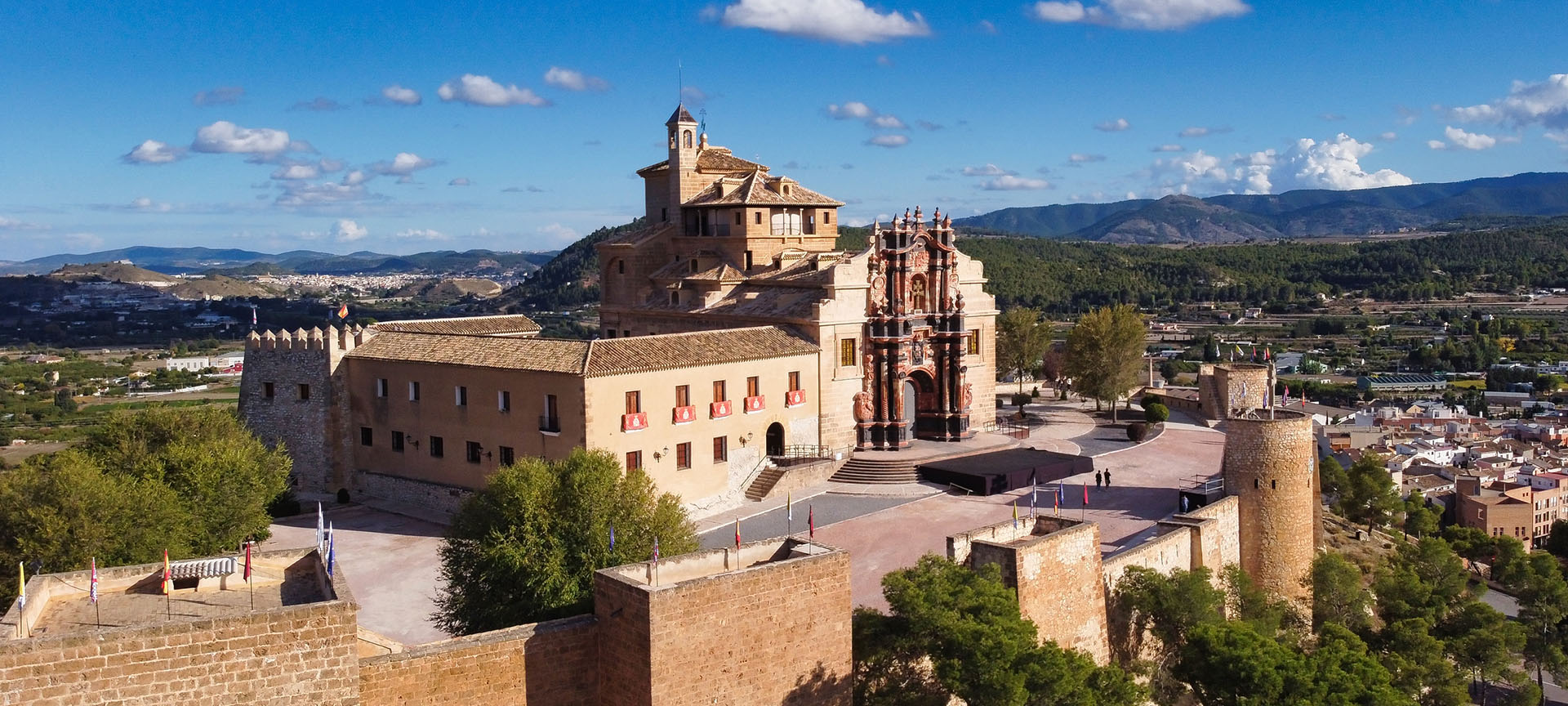
The Camino de la Cruz de Caravaca offers a unique opportunity to discover landscapes, villages, and traditions that have been maintained throughout the centuries in the Region of Murcia. In addition to its religious significance, this network of eight routes is ideal for those seeking to enjoy hiking, history, and local cuisine.Suitable for walking, cycling, or horseback riding, these routes are an extraordinary way to connect with the cultural and natural heritage of the region and enjoy an enriching experience.Their destination is Caravaca de la Cruz, one of the five holy cities of Christendom and the destination of important pilgrimages to its Basilica-Shrine of Vera Cruz since the 13th century. The relic of the Lignum Crucis is kept there, which, according to religious tradition, is a fragment of the true cross of Jesus Christ.Similar to the Compostela certificate for the Camino de Santiago, to obtain the Caravacensis certificate you must have your pilgrim's credential stamped at public buildings, religious sites, or your accommodation during the different stages of the pilgrimage.Art and festivities at the end of the CaminoBesides the basilica, upon arriving in Caravaca de la Cruz you'll be impressed by the 14 towers of its city walls, its Baroque shrine also known as "El Bañadero" (the place where, every 3 May, the ritual of bathing the Cross in water takes place during the city's patron saint festivities), and the Renaissance church of El Salvador, among other landmarks.If you plan the dates well, you can make your arrival coincide with special celebrations like the Fiestas de la Santísima y Vera Cruz (1 to 5 May), which include the race of the Wine Horse Festivaldeclared an Intangible Cultural Heritage of Humanity; or the Fiesta de las Cuadrillas, a traditional folk music festival in the district of Barranda (last Sunday in January). Which of these eight routes that make up the Camino de la Cruz de Caravaca network do you prefer for exploring Murcia?
-
Camino de Levante
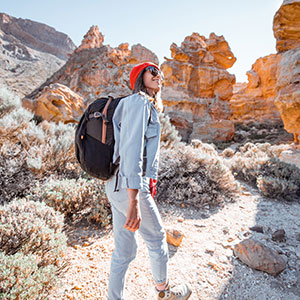
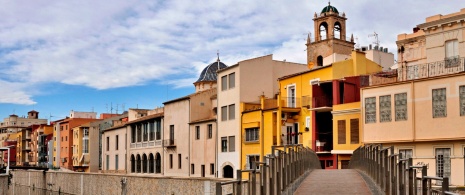
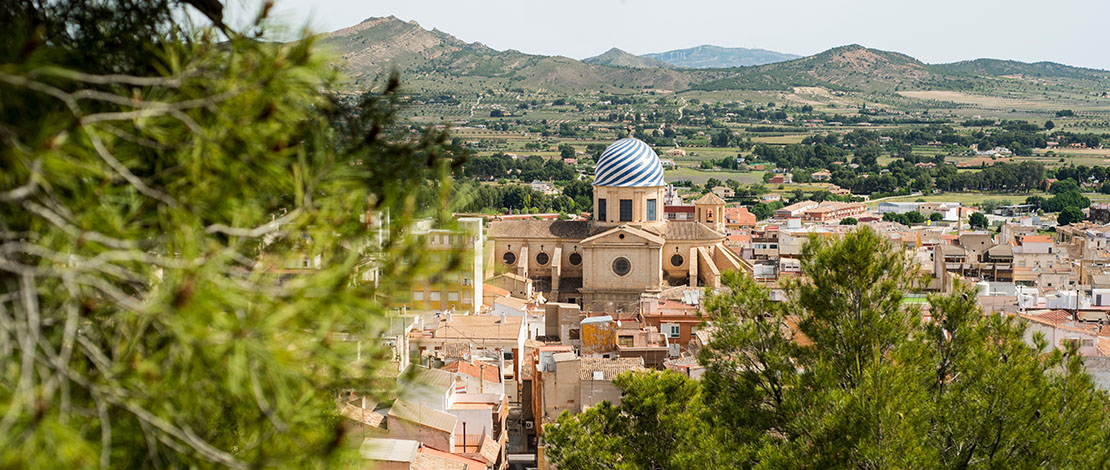
- Origin and distance:Orihuela, Alicante (118 km / 5 stages).- Route: it crosses the region from east to west and has an ascending profile. It starts in the province of Alicante, but in the first stage it enters Murcia and reaches the city of Murcia. After following the banks of the Segura River and the Huerta de Murcia (fertile agricultural area), it enters the area known as the "lunar landscape" or "badlands" (due to the unusual erosion caused by water), heading towards Mula. Later, pine and almond forests paint the horizon a vibrant green. The route also passes through Bullas and Cehegín.- What’s special: it is currently the most popular route for the pilgrimage to Caravaca due to its excellent layout and signage. The first two stages, from Orihuela to Molina de Segura, coincide with the GR-127 Río Segura long-distance trail and in part with the riverside walk along the Segura River. On the outskirts of Molina, it connects with the Northwest Greenway, where you will discover old train stations converted into hostels. Greenways are disused railway lines that have been adapted for walking or cycling.
-
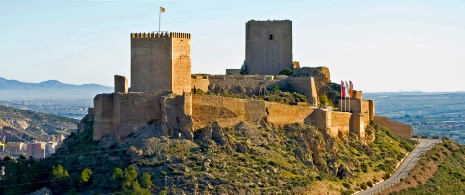
Camino del Argar
- Origin and distance:Lorca (69 km / 2 stages).- Route: from south to north, the first stage ends in Zarcilla de Ramos and the second in Caravaca after passing through La Encarnación, where you will be impressed by its sanctuary and Iberian-Roman archaeological site.- What's special: This two-stage section is just the beginning of the Camino del Argar, which is part of the vast network of the Camino de Santiago. From Caravaca, it continues to Mora (Toledo), connecting with other pilgrimage routes that lead to Santiago de Compostela.
-
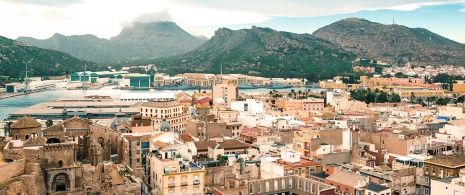
Camino del Mediterráneo
- Origin and distance:Cartagena or Mazarrón (140 km).- Route: you can start from either of these coastal towns, but the trail soon merges, passing through Totana, skirting the Sierra Espuña protected area, and finally sharing a route with the Argar and Vélez trails (for the last 11 km, starting from La Encarnación).- What's special: it's the only one of the eight routes that starts from the coast.
-
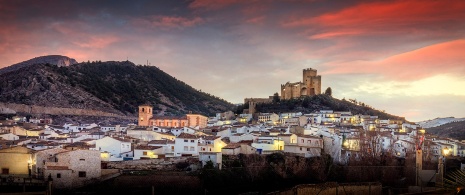
Camino de los Vélez
- Origin and distance:Velez Blanco, Almeria (60 km).- Route: almost half of the route runs through cereal fields in the province of Almería. In Murcia, it passes through valuable archaeological sites, such as the Periago Salt Flats and the La Encarnación archaeological site, where it joins the Argar and Mediterranean routes.- What's special: ideal for mountain biking, even in a single day (if you are in good physical condition).
-
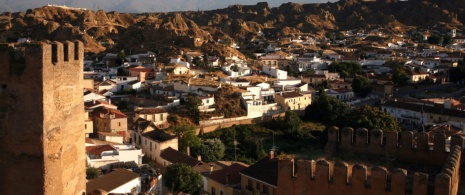
Camino Espiritual del Sur
- Origin and distance:Guadix, Granada (318 km / 14 stages). In Murcia: last 46 km / 2 stages.- Route: explores mainly the beautiful northeast of the province of Granada, the so-called Granada Plateau, passing through historic towns such as Baza and Huéscar. It enters Murcia from the northwest, through the town of Cañada de la Cruz (Moratalla).- What's special: it includes very significant sites of Christianity in Spain, as Guadix is home to one of the oldest dioceses in the country.
-
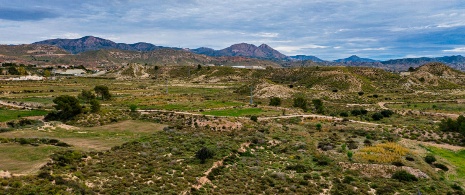
Camino del Lignum Crucis
- Origin and distance:Granja de Rocamora, Alicante (118 km / 6 stages).- Route: it crosses farmland towards Abanilla and Ulea. Near Mula, it joins the Camino de Levante to Caravaca (last two stages).- What's special: it is called the Lignum Crucis because it connects towns with churches where, according to tradition, fragments of the True Cross are venerated.
-
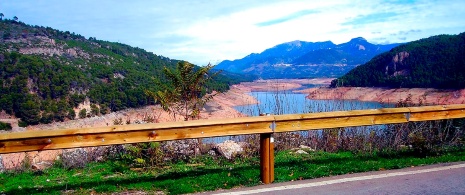
Camino de San Juan de la Cruz
- Origin and distance:Beas de Segura, Jaén (160 km / 6 stages). In Murcia: last stage and a half, about 40 km.- Route: very demanding due to its elevation changes, it crosses the picturesque Sierra de Segura between Andalusia (province of Jaén) and Castile-La Mancha(province of Albacete) to enter Murcia through El Sabinar, to the northwest.- What’s special: this is the easternmost branch of the Way to Lisbon that follows in the footsteps of the Spanish writer and religious figure St. John of the Cross.
-
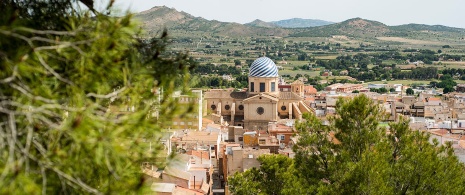
Camino de la Vera Cruz
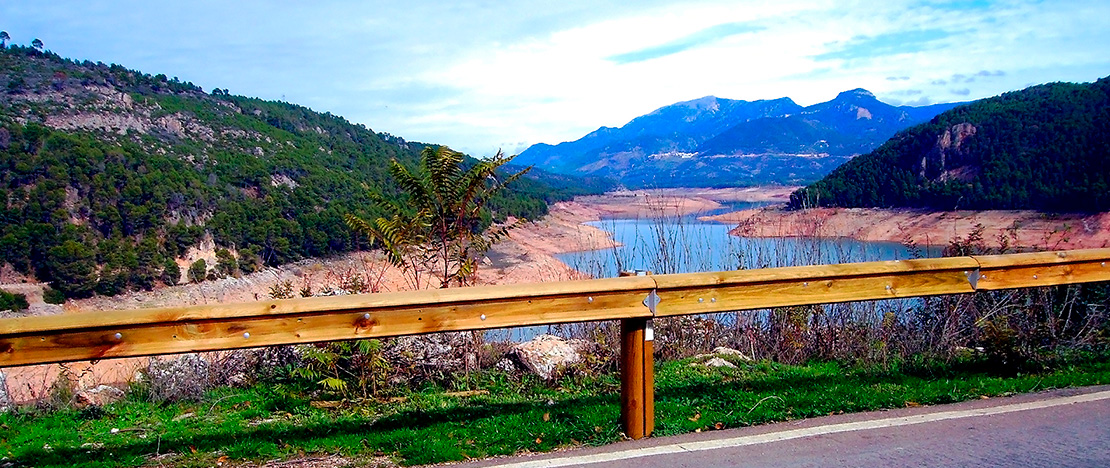
- Origin and distance:Puente la Reina, Navarre (900 km / 29 stages). In Murcia: 150 km / 6 stages.- Route: it covers a large part of of northern Murcia, passing through important towns such as Yecla, Jumilla, Cieza, Calasparra and Moratalla.- What’s special: it's a real adventure, even longer than the famous French Way of St. James, as it crosses Spain from north to south through the regions of Navarre, Aragon, Castile-La Mancha and the Region of Valencia.
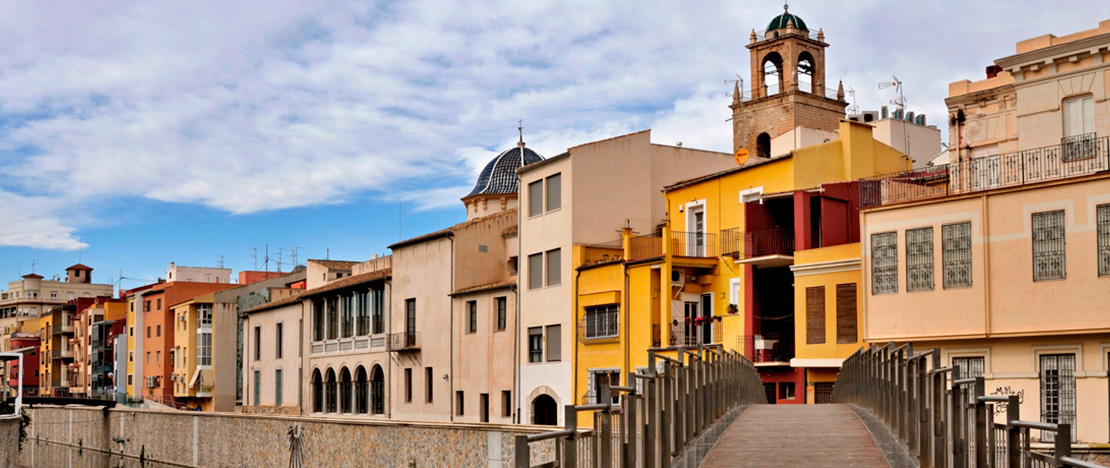

Discover more routes, cities, monuments, nature, museums and special destinations on Spain's official tourism portal, spain.info.

Book yours
Choose between thousands of activities to live your best life on holiday.