What are the wines like?
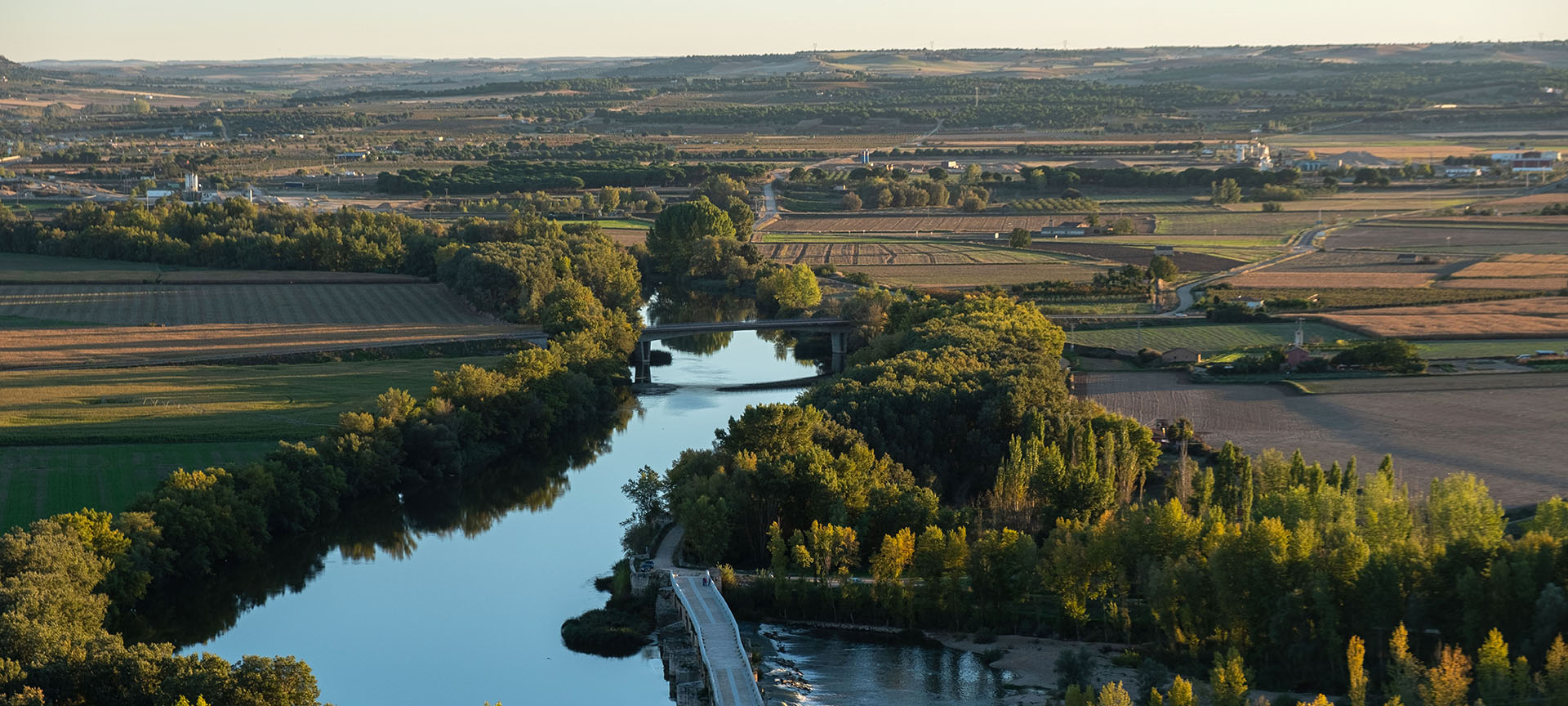
The Toro Designation of Origin region covers 17 municipalities in the provinces of Zamora and Valladolid. This area has gentle, undulating reliefs and limestone soils which, together with the climate, give rise to balanced, high quality wines. The local grape, La Tinta de Toro, is its hallmark.The Duero River marks the vineyards of this district where we find centenary and even pre-phylloxera vines, in which, together with Tinta de Toro, other varieties such as Malvasía or Verdejo are also grown.The famous Toro red wines are made with the native Tinta de Toro variety, a grape that belongs to the Tempranillo family but which, having been grown, cultivated and adapted to this area for several centuries, has its own personality and is different from its peers.

Wines on the Toro wine route
©
ACEVIN
What I can find
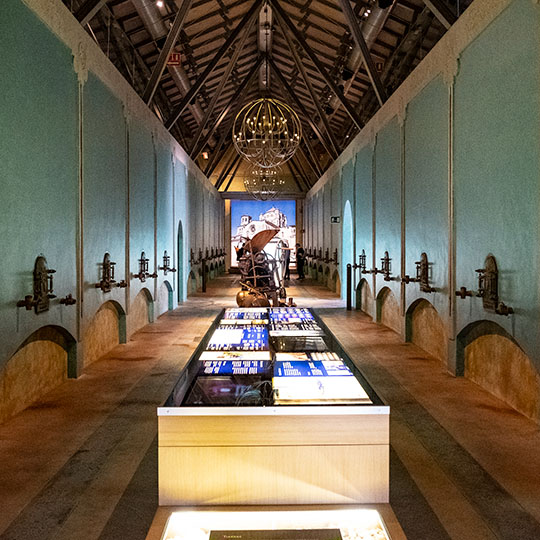
You will find an outstanding historical and cultural heritage. Toro is home to the Collegiate Church of Santa María la Mayor, considered one of the most important medieval monuments in Spain, with one of the few original polychrome porticoes that have survived to the present day. Mudejar churches, the 19th century bullring, monasteries and palaces, and the traditional architecture preserved in many of the houses, complete the artistic and architectural wealth of the city. Not forgetting, of course, the Puente Mayor (Main Bridge) and the amazing underground wine cellars excavated throughout the centre of the town, many of which can be visited.These underground caves are also found in some of the villages in the area, as well as the bodegas en cerro (hillside cellars), or barrios de bodegas (winery neighbourhoods).The museums are another of the great assets of this wine route: the Chillón Cheese Museum and the Fariña Museum (in Toro), or the Pagos del Rey Wine Museum (in Morales de Toro) offer authentic immersive experiences to learn about the history of the region and its relationship with these products. Another example is the Zangarrón Museum, in Sanzoles, where it is possible to discover one of the most famous masquerades in Spain’s western peninsula and its traditional festival.
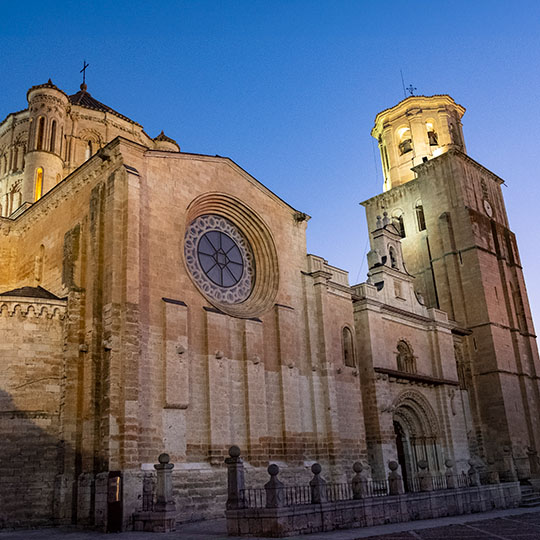
Collegiate Church of Santa María la Mayor de Toro, Castile and León
©
ACEVIN
How to get here
The district of the Toro Wine Route is located in Northwest Spain, in Castile and León, just 30 km from the city of Zamora, 60 km from Valladolid and 70 km from Salamanca.By car, you can reach Toro via the N-122 road, which links Zamora with Valladolid, and via the A-11 Autovía del Duero. Furthermore, the high-speed train station of Zamora is only 20 minutes away, while the nearest airport is Valladolid, 45 minutes away.
Glass of wine on the Toro wine route
©
ACEVIN