The Generation of ’27 in Spain: who they were and which cities to visit to discover their legacy
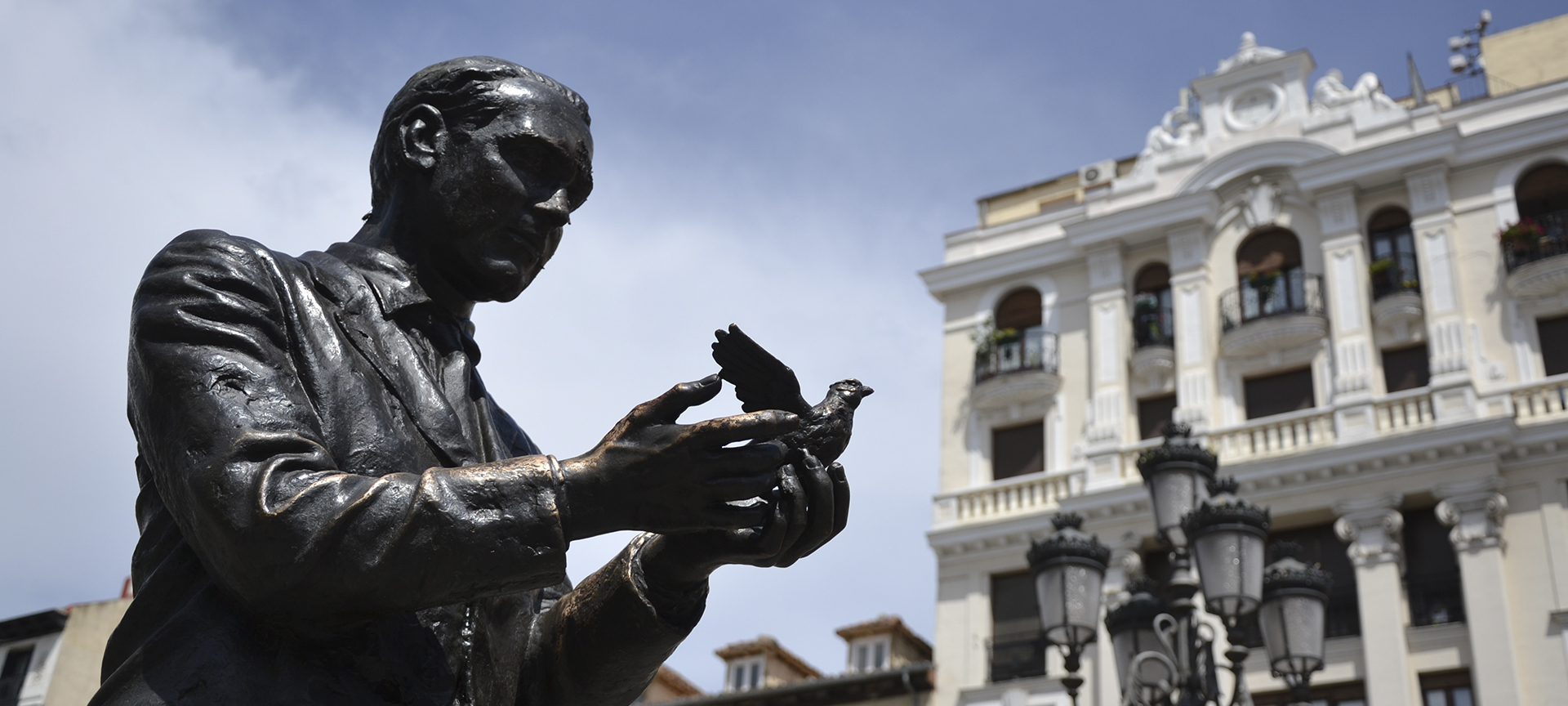
The year 2027 marks the centenary of the Generation of ’27, one of the most important cultural movements in 20th-century Spain. Their writers, painters and filmmakers revitalised literature and the arts, and left their mark on cities, buildings and landscapes that you can discover today whilst travelling around Spain. Federico García Lorca, Rafael Alberti, Vicente Aleixandre, Salvador Dalí, Luis Cernuda and María Zambrano are just some of the figures featured. Poets, artists and intellectuals who linked Spanish tradition with the European avant-garde and transformed the culture of their time. The centenary celebrations provide a good opportunity to follow in their footsteps across Spain: from Granada – a must-visit for anyone wishing to discover Lorca – to Madrid, where many of them met, via Catalonia, Aragon and Andalusia.
-
Granada: the city of Federico García Lorca
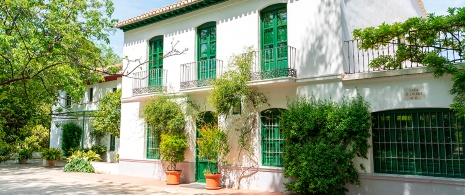
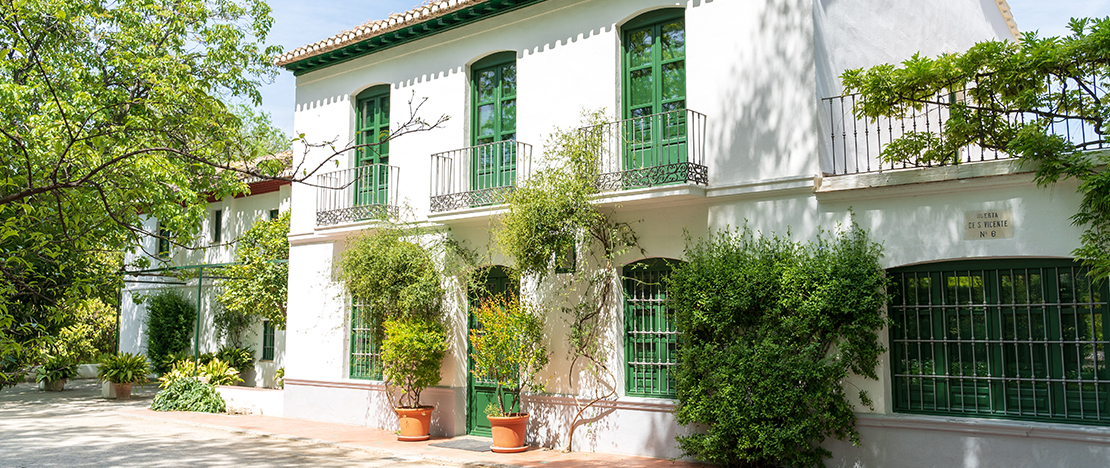
"Granada is made for dreams and reverie; everywhere it touches upon the ineffable". Federico García Lorca had a deep connection with his hometown, which was a constant source of inspiration and a fundamental presence in his life and work. Born in Fuente Vaqueros in 1898, he spent much of his childhood and youth between Granada and the countryside of the Vega. His poetry and theatre blended Andalusian folk tradition with avant-garde movements, making him one of Spain’s most internationally renowned authors. In 2027, the centenary of the Generation of ’27 provides an opportunity to learn more about them and visit the places that form part of their legacy. The film *La bola negra*, inspired by an unfinished work by the poet, has once again brought Granada back onto the cultural and cinematic map. Notable locations include the Carmen de los Mártires, whose gardens and views over the city feature in the film, and the streets of the Albaicín, with their hidden corners, slopes and views towards the Alhambra. The film also features locations in the historic centre, such as Plaza de Santa Ana and Plaza Nueva, as well as the Paseo de los Tristes and other parts of the city. Visiting these places allows you to recognise some of the locations featured in the film and discover the Granada that serves as the backdrop to the story. La Huerta de San Vicente, the former summer home of the García Lorca family, is a must-see for anyone wishing to learn about the poet’s life and work. It was one of his main creative spaces: it was there that he wrote *Blood Wedding* and worked on other key works, such as *Romancero gitano*. Today it is a house museum which preserves some of the original furniture, personal belongings and mementoes of the family, and offers visitors an insight into the setting in which Lorca produced much of his literary work. In the centre of Granada, the Lorca Centre is dedicated to preserving, studying and promoting his legacy. To gain a deeper understanding of his connection to the city, you can follow the Federico García Lorca themed route, which brings together sites linked to his life and career. The route can be extended as far as Fuente Vaqueros, some 20 kilometres from Granada, where Federico García Lorca’s birthplace is situated; it has been converted into a museum and an interpretative centre dedicated to his life and work.
-
Madrid: the meeting places of the Generation of ’27
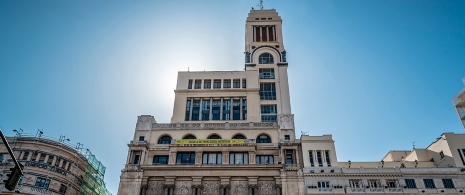
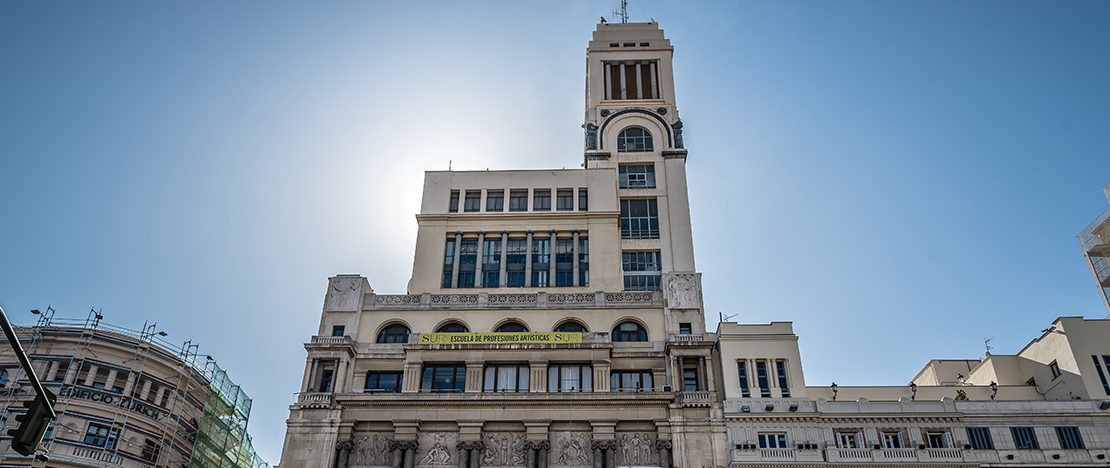
Madrid was one of the main hubs of the Generation of ’27. Its cultural institutions brought together writers, painters, musicians and scientists who shared common interests and debated the new artistic movements. The city offers visitors the chance to experience that intellectual and creative atmosphere and, moreover, to discover some of the locations featured in *La bola negra*. Among the film’s Madrid locations, the Ateneo de Madrid stands out: a historic institution linked to the capital’s intellectual and cultural life, which today serves as a venue for lectures, debates and intellectual gatherings. You can view their programme of exhibitions and cultural activities. To gain a better understanding of the context of the Generation of ’27, it is essential to visit the Residencia de Estudiantes on Colina de los Chopos. It was there that Federico García Lorca, Salvador Dalí and Luis Buñuel, amongst other young people, came together, and meetings and conferences were organised which helped to link Spanish culture with international trends. Today, you can learn about its history through free guided tours and exhibitions. The Residence also offers an insight into the cultural context in which the women artists associated with this movement were active. Known as ‘Las Sinsombrero’, figures such as Maruja Mallo, María Zambrano, Concha Méndez, María Teresa León and Rosa Chacel shared the same concerns as their male counterparts and played a key role in the artistic and intellectual renewal of the period, although for a long time they received less recognition. A tour of the cultural venues of those years can be rounded off at the Círculo de Bellas Artes, another key institution in Madrid’s artistic life, whose rooftop offers a panoramic view of the city.
-
Catalonia: the artistic world of Salvador Dalí
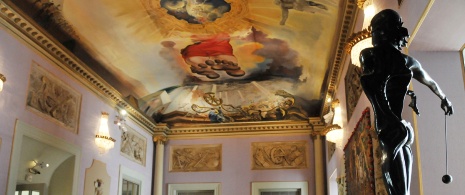
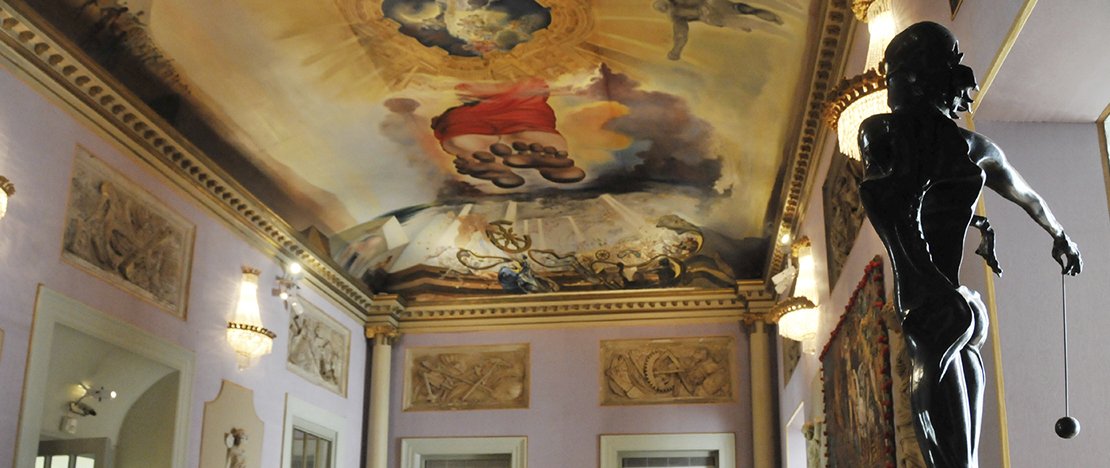
Salvador Dalí was associated with the cultural circle of the Generation of ’27. During his time at the Residencia de Estudiantes in Madrid, he met Federico García Lorca and Luis Buñuel, with whom he shared artistic interests. To gain a better understanding of his career and creative world, you can explore Catalonia by following the Dalí Triangle, a route linking Figueres, Portlligat and Púbol – three places of key importance in the artist’s life and work The first stop is Figueres, the artist’s hometown. This is where the Dalí Theatre-Museum is located, designed by the painter himself on the site of the former municipal theatre. Its distinctive glass cupola and unique spaces promise a visit unlike any other, where you can explore much of Dalí’s artistic career and discover such well-known works as the Mae West Room. From Figueres, the route continues towards the coast to Portlligat, near Cadaqués. The Salvador Dalí House Museum, the artist’s former home and studio, is located there. The complex preserves the spaces where he lived and worked for much of his life and offers an insight into his relationship with the Mediterranean landscape. The third stop is Gala Dalí Castle in Púbol, which Dalí gave to Gala and transformed with his unique imagination. The building still contains rooms and personal belongings, as well as decorative features that reflect the relationship between the two.
-
Aragón: Luis Buñuel and avant-garde cinema
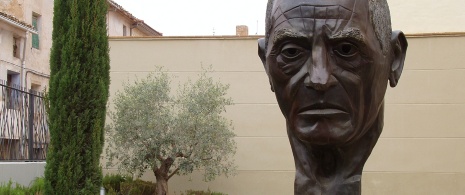
Although Luis Buñuel is not usually regarded as a member of the Generation of ’27 in the strict sense, his career is closely linked to the artistic and intellectual milieu of those years. He met Lorca and Dalí at the Residencia de Estudiantes and was one of the figures who brought the Spanish avant-garde to the international film scene. Born in Calanda, in the province of Teruel, Buñuel revolutionised the language of cinema with films such as *Un perro andaluz* (1929), made in collaboration with Salvador Dalí, and *La edad de oro*. He went on to spend much of his career outside Spain. His international accolades include the Palme d’Or at Cannes for *Viridiana* and the Oscar for Best Foreign Language Film for *The Discreet Charm of the Bourgeoisie*. In Calanda, you can visit the Buñuel Centre in Calanda, which is dedicated to preserving and promoting his life and work. It is a particularly interesting stop for anyone wishing to learn about the relationship between the filmmaker and his roots, as well as the cultural context from which his films emerged.
-
Puerto de Santa María Rafael Alberti and the poetry of the sea
El Puerto de Santa María, in the province of Cádiz, is Rafael Alberti’s birthplace. Born in 1902, the poet maintained a constant connection with the sea, his childhood memories and the landscapes of the bay – themes that feature in much of his work. The best way to learn more about him is to visit theRafael Alberti Foundation, which is situated in the house where he lived as a child. The exhibition brings together personal items, manuscripts and other materials that offer an insight into the poet’s life and work.
-
Other places to continue discovering the Generation of ’27
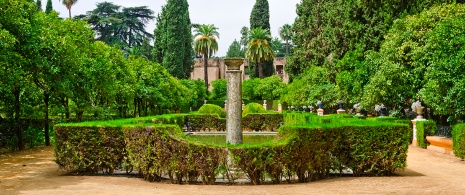
The influence of this cultural movement extends to other parts of Spain. These cities offer an insight into some of their key figures and the places associated with their legacy: Córdoba: the birthplace of Luis de Góngora, whose work was celebrated by young people at the tribute they organised in Seville in 1927, an event which gave its name to the Generation of ’27. Málaga: associated with the poets Emilio Prados and Manuel Altolaguirre, founders of the magazine *Litoral*, one of the key publications for promoting new poetry. In the seaside neighbourhood of El Palo, you can find ceramic panels featuring poems and references to these writers’ connection with the Mediterranean. Seville: in December 1927, the Ateneo organised a tribute to Luis de Góngora, which brought together Federico García Lorca, Rafael Alberti, Dámaso Alonso, Jorge Guillén and other writers. That gathering gave rise to the name ‘Generation of ’27’. The area around the Ateneo and the ‘Paseo de los Poetas del 27’ serve as reminders of this episode. Seville was also the birthplace of Luis Cernuda. Santander: the birthplace of Gerardo Diego, one of the group’s key poets. The Gerardo Diego Foundation preserves his personal library and carries out research into his work and promotes it.
-
2027: the centenary of the Generation of ’27
2027 marks the centenary of the Generation of ’27, an opportunity to rediscover one of the most creative periods in Spanish culture. The commemorative programme includes academic events, exhibitions, literature, theatre, music and other art forms. Visit the official website for the Centenary of the Generation of ’27 to find out about the initiatives being added to the programme and the activities as they are confirmed. An opportunity to discover Spain through the places, works and artists that defined an era.
Book yours
Choose between thousands of activities to live your best life on holiday.