What are the wines like?
These wines are distinguished by their natural acidity in whites and rosés, which lends them freshness, and, in reds, by their concentration of polyphenols and fruity aromas.The grape varieties used include Juan García, Garnacha, Rufete, Tempranillo, Mencía, Bruñal, Verdejo, Malvasía Castellana, Albillo Mayor, and Albillo Real. The predominant red grape is Juan García, which contributes personality, balance, and smoothness. The indigenous Bruñal variety adds colour and alcohol content.The microclimate of the Arribes del Duero region favours proper grape ripening and a higher concentration of phenolic compounds, resulting in wines with greater intensity of flavour and aroma. Furthermore, the natural environment gives rise to wines with aromatic richness and perceptible nuances in flavour, colour, and texture.New generations of winemakers are driving the recovery of varieties such as Gajo Arroba and Puesta en Cruz and the creation of wines with innovative profiles that are capturing the attention of the international wine world.
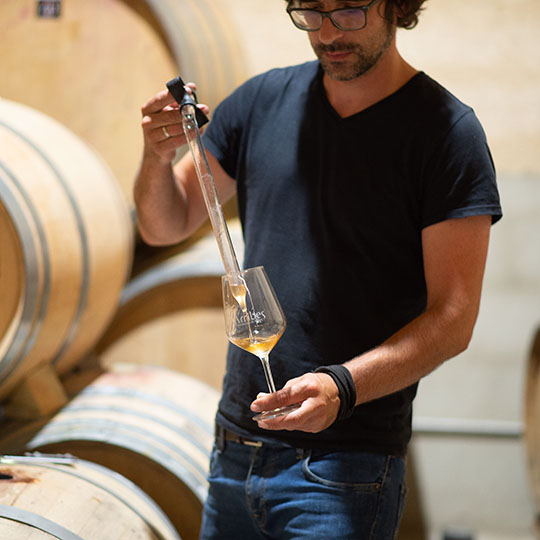
Wines on the Arribes wine route
©
Acevin
What I can find
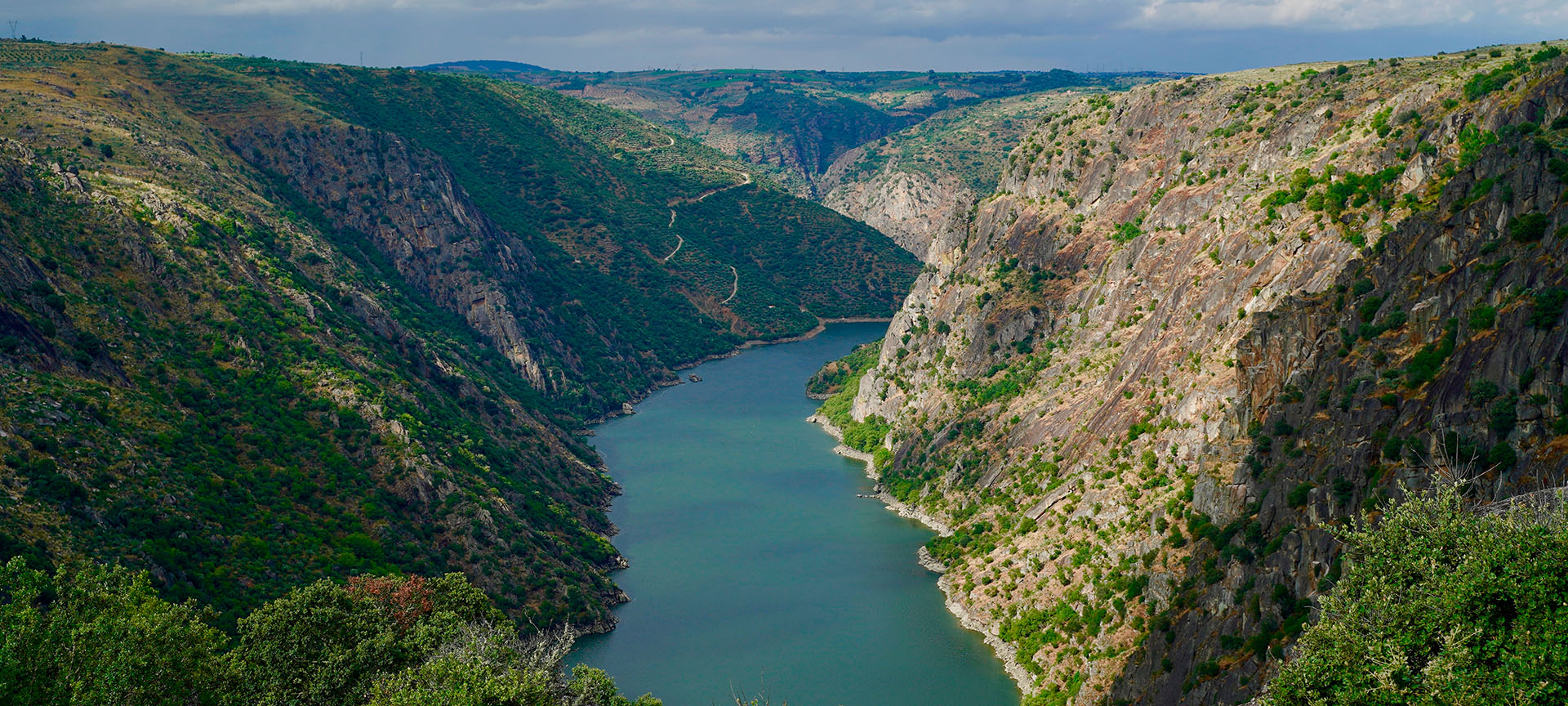
Nature and a unique landscape make the Arribes Wine Route region one of a kind. Its route runs through the Arribes del Duero Natural Park, where the Duero River encounters a granite massif that diverts its course, flowing from north to south and creating the natural border with Portugal. Over millennia, the river has carved some of the deepest and most extensive canyons on the Iberian Peninsula, creating a microclimate ideal for grape cultivation. This area is home to birds such as the Egyptian vulture, the black stork, the griffon vulture, and the golden eagle, and vegetation including holm oaks, junipers, almond trees, and cork oaks.The topography gives rise to waterfalls like the Pozo de los Humos, where the Uces River plunges from a height of over 50 metres. These landscapes can be enjoyed from viewpoints and walkways, as well as from the Europarques river cruise.Stone has been used to create structures such as huts and excavated wine cellars. Its history as a borderland has also left a legacy of castles, fortresses, and smugglers' routes. Today, new projects linked to wine and local products (cheese dairies, jam makers, etc.) are revitalising the region.
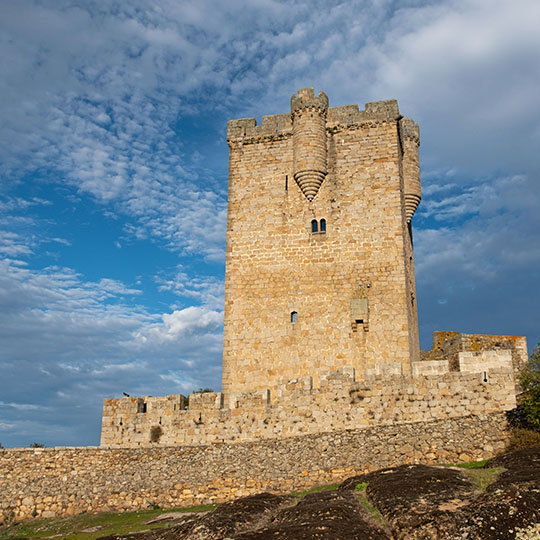
Heritage on the Arribes Wine Route
©
Acevin
How to get here
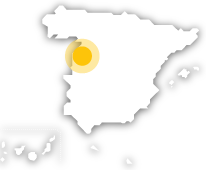
By car -From Madrid to Fermoselle / Villarino de los Aires: via the A-6 motorway, with a turnoff towards Salamanca. This journey is approximately 300 kilometres (about 4 hours).-From Valladolid to Fermoselle: it takes around 2 hours and 10 minutes, covering approximately 165 kilometres.-From A Coruña to Fermoselle: via the A-6, it is approximately 460 km. The journey takes just over 5 hours.-From Seville to Fermoselle: approximately 516 km via the A-66, passing through Ciudad Rodrigo. It takes about 6 hours.By train The AVE high-speed train stops in Zamora, making it one of the fastest ways to reach the area. Once in Zamora, you can rent a car.-From Madrid: AVE train to Zamora + car rental for a journey of just over an hour. There is a bus that runs from Zamora to Fermoselle twice daily (1:00 pm and 7:00 pm) and takes 1 hour 15 minutes.-From A Coruña: AVE train to Zamora + car rental. The journey takes approximately 2 hours and 40 minutes.-From Valladolid: the rail option includes regional trains. The Valladolid-Zamora journey takes 1 hour and 35 minutes. Afterwards, you will need to take a car or bus.
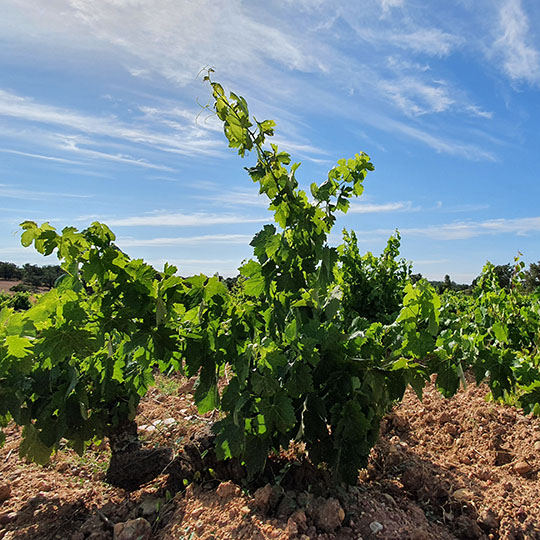
Vineyard on the Arribes wine route
©
Acevin