Chinijo Archipelago Natural Park
A landscape from another world
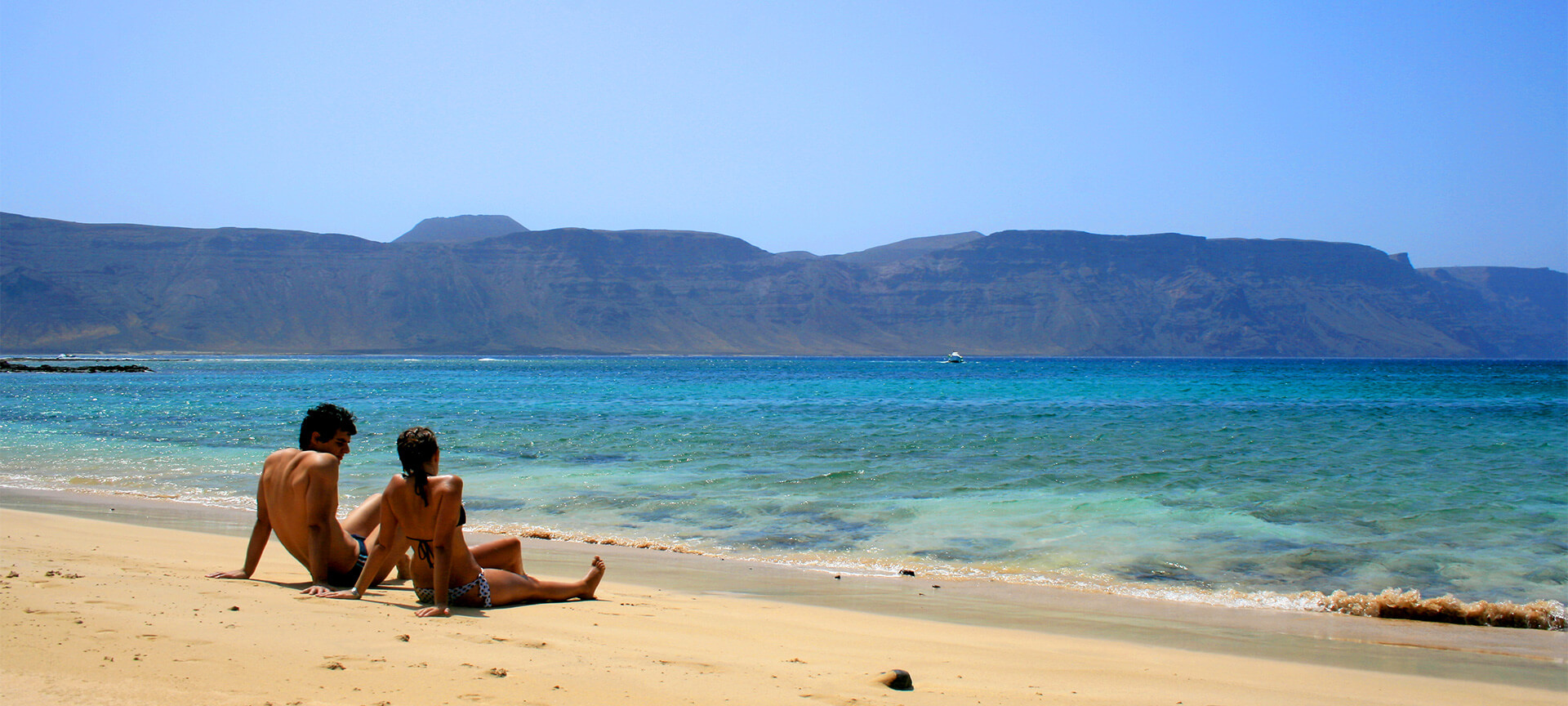
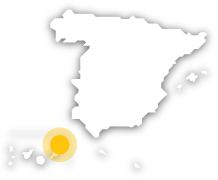
This nature resrve is located in the north of the island of Lanzarote, in the municipalities of Teguise and Haría. In addition to its geological significants, it is also biologically important, home to several endangered and protected species.
Chinijo Archipelago Natural Park includes the following areas of scientific and cultural interest: Alegranza, La Graciosa, Montaña Clara, Roque del Este, Roque del Oeste or del Infierno, the volcano of La Corona and Malpaís. The landscape is notable for the presence of volcanic formations, such as La Caldera de Alegranza, with a crater stretching to 1.1 km in diameter and a height of 289 m, and La Caldera de Montaña Clara, with a mouth 1 km in diameter and a height of 250 m. Numerous seabirds have their breeding colonies on the islets. Of these, seven are nesting species, including the White-faced Storm Petrel, Cory's Shearwater, Little Shearwater and two other species of storm petrels. There are also birds of prey to be found, including the osprey, Eleonora's falcon, the Egyptian vulture and more. In addition, there are several species of terrestrial invertebrates endemic to the islets. The waters around the islets are home to 234 species of fish.
Chinijo Archipelago Natural Park
Teguise, Lanzarote (Canary Islands)
What you need to know
-
Cultural information
Teguise, which was the capital of Lanzarote until 1852, has become one of the island's main cultural and tourist centres. Its streets, palaces, convents and squares preserve a taste of times past.
-
Environmental information
Chinijo Archipelago Natural Park is notable for its birdlife. It is the most important area in the Canary Islands for species such as the osprey, Eleonora’s falcon, the Barbary falcon, Cory’s shearwater, the European storm petrel and the Egyptian vulture, among other species.
Travel plans for inspiring you


Book yours
Choose between thousands of activities to live your best life on holiday.