In order to better plan your visit, please keep the following in mind:- Since the villas are located far from urban centres, there is usually no regular public transport, so it is advisable to travel by private vehicle or taxi.- It is important to follow the instructions in the Roman Villas Network of Hispania guide to book and learn about all the services available at each site.
Archaeological tourism in the Roman villas of Hispania
none
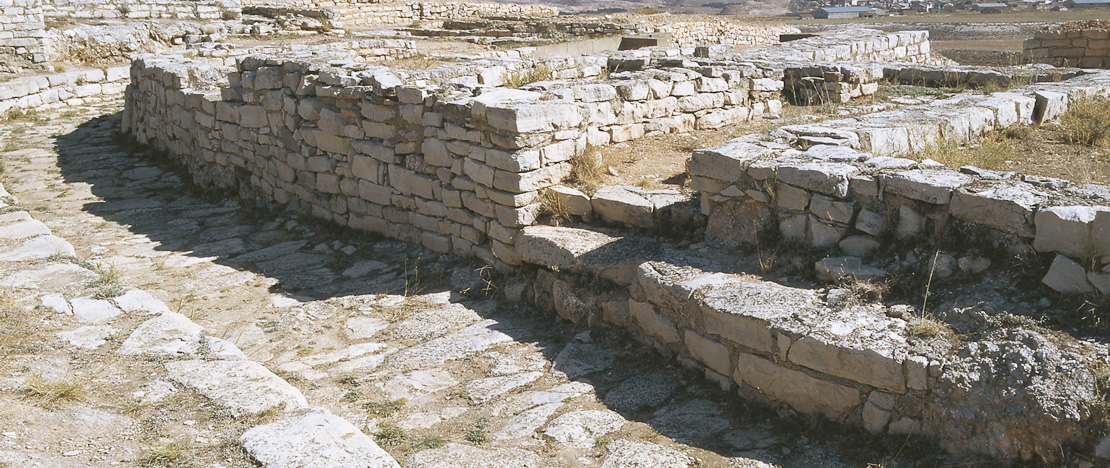
Spain boasts an important legacy left by ancient Rome in what is known as Hispania. Constructions of all kinds reflect the society that prevailed for centuries and which, thanks to the conservation and study work of experts, we can admire today. This is the case with the Roman villas, places of fertile land, far from the large cities, where agricultural activities such as wine and olive oil production took place, and which showcase the cultural, religious, economic, and political evolution and transformation of that era.Join us to discover these villas and enjoy the wonders and secrets they hold!
-
Northern Plateau and Cantabrian Mountains
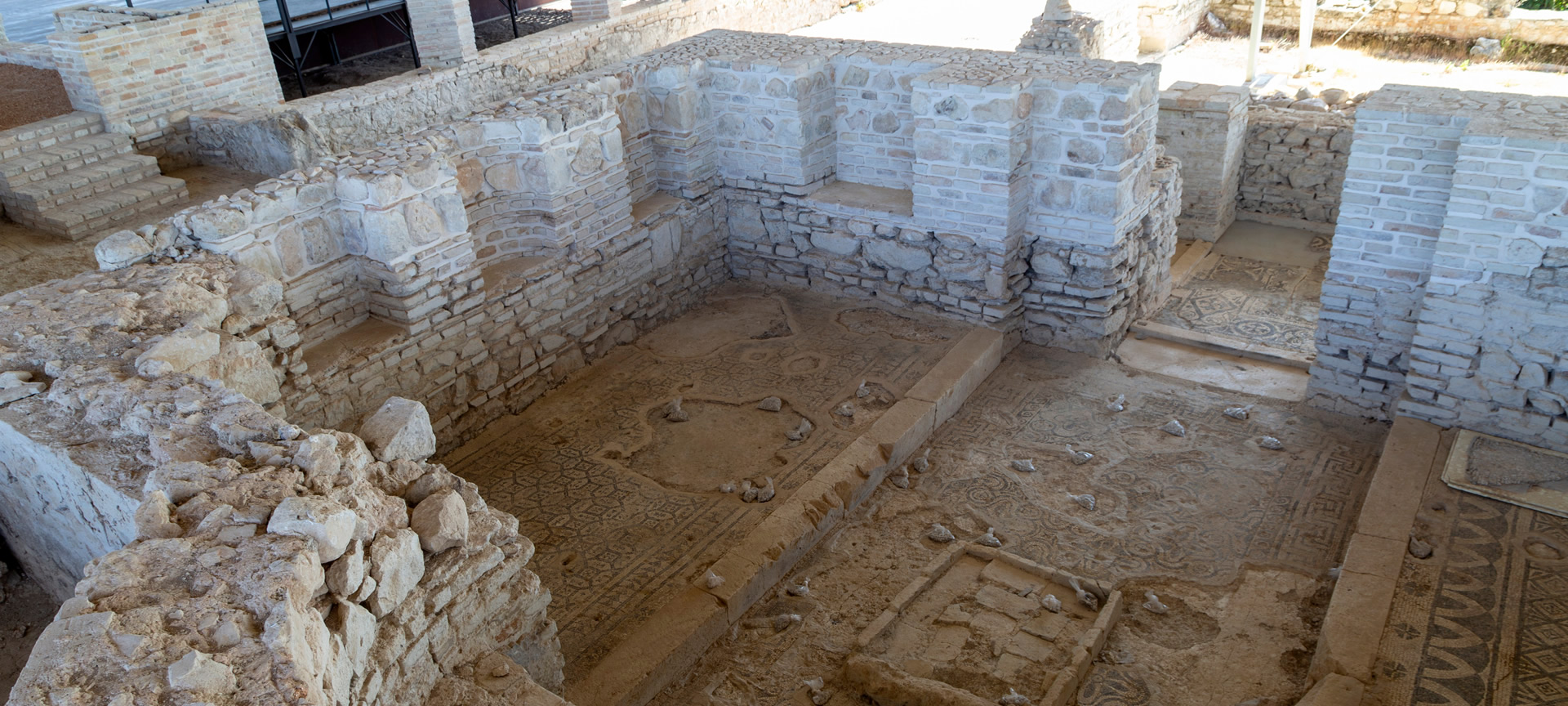
Near Gijón lies the Roman villa of Veranes, where you can visit a grand manor house built during the Late Roman Empire (4th century AD). A paved path leads to beautiful mosaics, most notably the one that paves the main room, used for social and political life. Tombs from the Early Middle Ages have also been found in this area. On this virtual tour, you can learn about its original activities, such as group scavenger hunts to discover the gods hidden among the ruins.We travel to the province of Palencia to reach Pedrosa de la Vega, home to La Olmeda, an emblem of Roman architecture, palatial in scale, whose construction began in the 2nd century. It comprises several rooms that reflect its owner's taste for decoration, evident in the valuable mosaics covering its floors with geometric figures and representations such as that of the legendary hero Ulysses. Watch this 3D recreation video and imagine, as you explore the villa, the splendour that once thrived there. The museum in the Church of San Pedro de Saldaña displays the main objects found during its excavations. You can take advantage of your visit to this Roman villa to explore another one nearby, La Tejeda, as there is a combined ticket and it is only 30 kilometres away. See detailed information on how to get there.Further south, in Valladolid, is the Roman villa of Almenara-Puras. You will find the remains of a luxurious 4th-century manor house. More than 1,000 square metres surrounding two courtyards, a bath complex, and 16 rooms with geometric and floral mosaic floors, and a unique representation of the mythical wingless horse Pegasus. And if you book in advance, you can enhance your experience with a dramatised tour. The archaeological site and the Museum of Roman Villas also feature a themed children's playground that recreates the Roman atmosphere of the period.
-
Pre-Pyrenees and Northeast Peninsula
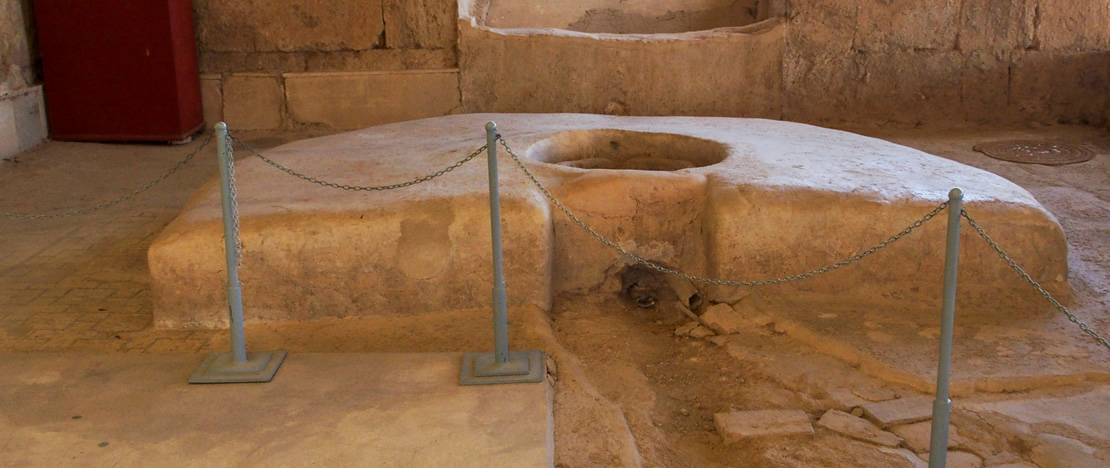
Travelling towards the north-east of Spain you will reach Las Musas, near the Navarrese town of Arellano, whose construction spanned from the 1st to the 5th centuries AD. There you can admire one of the best-preserved Roman wineries in Europe. You can also see the remains of the fumarium, a room where wine was artificially aged using heat and smoke.In the neighbouring region of Aragon you'll find two other Roman villas, specifically in the towns of Fraga (Huesca) and Urrea de Gaén (Teruel). In Fraga you'll find Fortunatus, an agricultural estate dating back to the 2nd century, where you can admire rich mosaic floors. Other treasures from this site are housed in the Museum of Zaragoza, such as representations of Venus, Eros, and Psyche, and a calendar from that period. The other villa, in Urrea de Gaén, is known as LaLoma del Regadío, and is notable for its five presses linked to olive oil production and probably also to wine-making. You can take a combined guided tour of this villa and the Iberian-Roman city of Cabezo de Alcalá de Azaila.
-
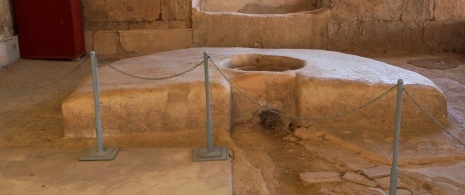
Roman provinces of Carthage and Baetica
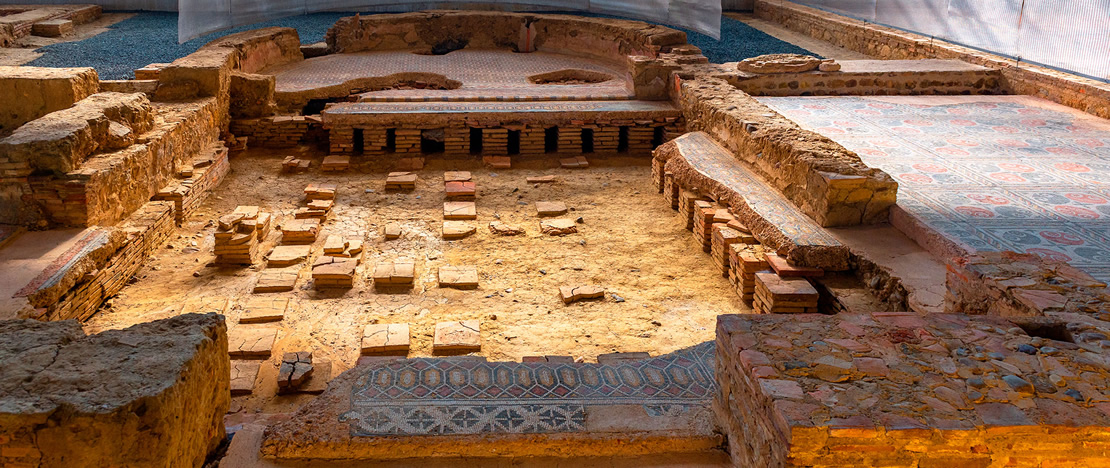
One of the advantages of visiting these Roman villas is that, being far from large urban centres, they are very peaceful places that invite reflection on our past. This is the case of Los Villaricos, near the town of Mula in Murcia, right in the heart of the Roman province of Carthage. It was a residential area divided into a thermal zone, domestic spaces, and work areas where oil and wine, among other things, were produced. It houses the largest excavated Roman olive oil mill in Hispania.The Andalusian province of Cordoba boasts two other must-see villas. In the 3rd century Fuente Álamo was built on the outskirts of Puente Genil. It features one of the most important collections of figurative and geometric paintings in Spain, granaries, and well-preserved baths, including a hypocaustum (heated chamber). Every summer, the archaeological site hosts ‘Noches en la villa’ (Nights at the Villa), with cultural activities and historical re-enactments that include music, poetry, classical theatre, escape rooms, workshops, and exciting sensory experiences such as guided tours with wine tastings, among others.Less than an hour away, you can also take the opportunity to admire the El Ruedo archaeological site in the town of Almedinilla. Dating from the 1st to the 7th centuries AD, it boasts one of the most complete archaeological sites on the Iberian Peninsula. Don't miss the Archaeological Museum to see its collection of sculptures. In August, as part of the "Festum, Ibero-Roman Days" festival, Roman banquets and dramatised tours are held, among other activities.This journey back in time to the Roman imperial era, to discover Hispania from Tarraco to Baetica, and even Carthage, is sure to captivate you.
Tips and recommendations
What to do
Travel plans for inspiring you


ART AND CULTURE EXPERIENCES
See more
Book yours
Choose between thousands of activities to live your best life on holiday.