What are the wines like?
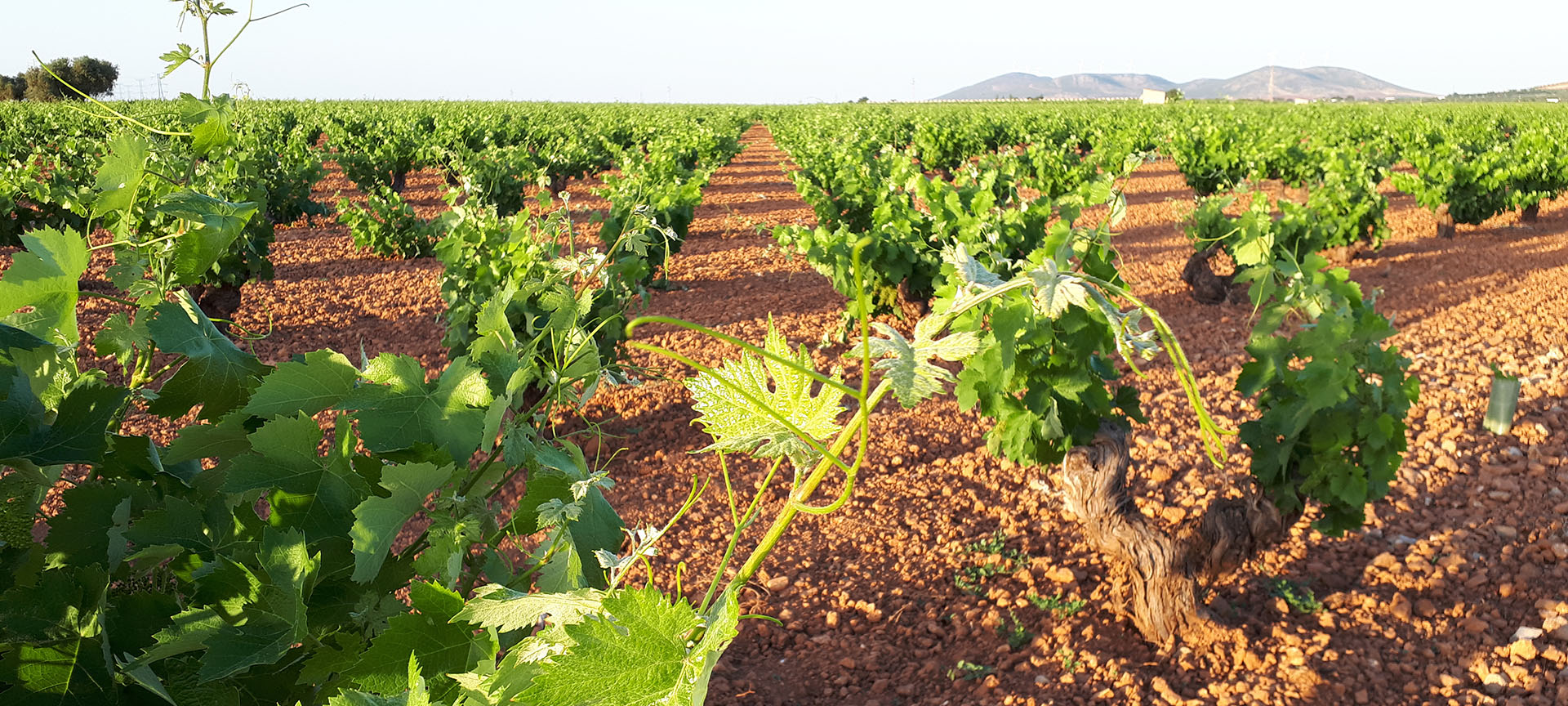
The wines of the Valdepeñas Designation of Origin are made from red grape varieties (tempranillo, syrah, merlot, cabernet sauvignon, garnacha and petit verdot) and white grape varieties (airén, macabeo or viura, verdejo, sauvignon blanc, chardonnay and muscatel de grano menudo).The wineries on the route produce white, rosé, red and sparkling wines, both young and Crianza. Valdepeñas wines are balanced in alcohol and acidity, aromatic, very structured, coloured, with soft tannins in the mouth and lacking greenness.
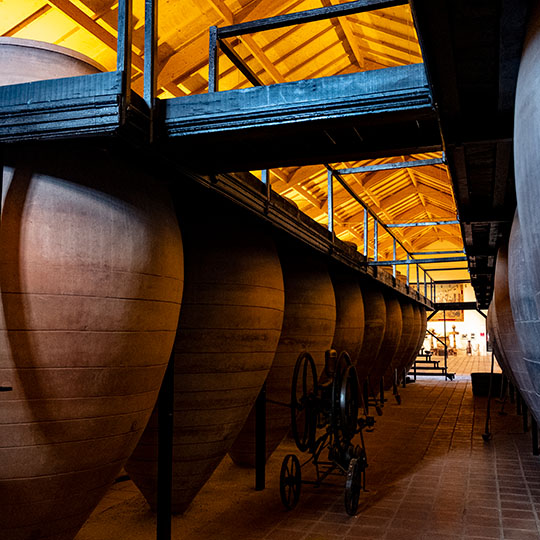
Wine museum on the Valdepeñas wine route
©
ACEVIN
What I can find
As well as the wineries, restaurants, wine cellars and oil mills, a trip on the Valdepeñas Wine Route is not complete without a visit to the Iberian site of Cerro de las Cabezas (3rd century BC), whose inhabitants were already making wine in those times. To learn about the most recent history of the area's wine culture, stop off at the Valdepeñas Wine Museum, housed in an old farmhouse. Another museum, the Oil Museum in Moral de Calatrava, completes the tour of knowledge related to the agricultural world.Both Valdepeñas and the other towns and villages that form part of the route boast important examples of heritage resources. The Plaza Mayor of San Carlos del Valle stands out among them all, with its rectangular shape and surrounded by stone columns that support floors and galleries adorned with wooden balustrades. It was designed as a stage for popular activities and to bring together many people, so it can be considered the largest comedy theatre in Europe. You can also find natural environments such as the El Peral spot or the La Cabezuela reservoir; you can also go hiking in volcanic lands, or visit places such as the Cerro Gordo volcano, in Granátula de Calatrava, or the Mesnera volcano in Moral de Calatrava.
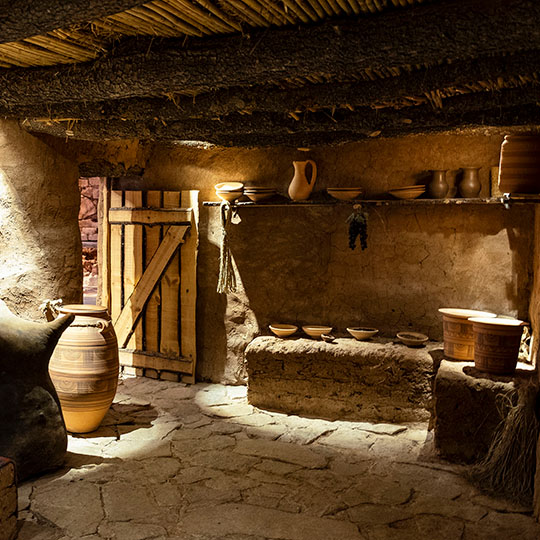
Iberian archaeological site of Cerro de las Cabezas, Valdepeñas
©
ACEVIN
How to get here
The location of the Valdepeñas Wine Route in the centre of the Iberian Peninsula means that it is quite well communicated.By road, you can travel the 200 kilometres from Madrid to Valdepeñas along the A4-E5 motorway (Autovía del Sur). This option is also the most convenient access from Andalusia. From the east, the most direct access is from Albacete, using the N-430 and then the CM-3. From the west, the ideal route is to reach Ciudad Real and then take the CM-412 to cover the 63 kilometres.There is also the possibility of taking the train, as Valdepeñas station offers medium and long-distance services, with direct links from Madrid (about two hours) or Valencia (about 4 hours). There are also buses that make the journey from Madrid (about 2.5 hours), Seville (about 4.5 hours) and Albacete.
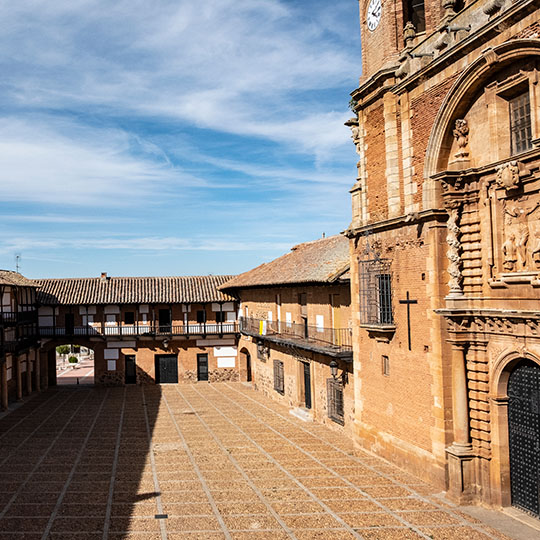
Plaza Mayor in San Carlos del Valle, Castile-La Mancha
©
ACEVIN