Accessibility in National Parks
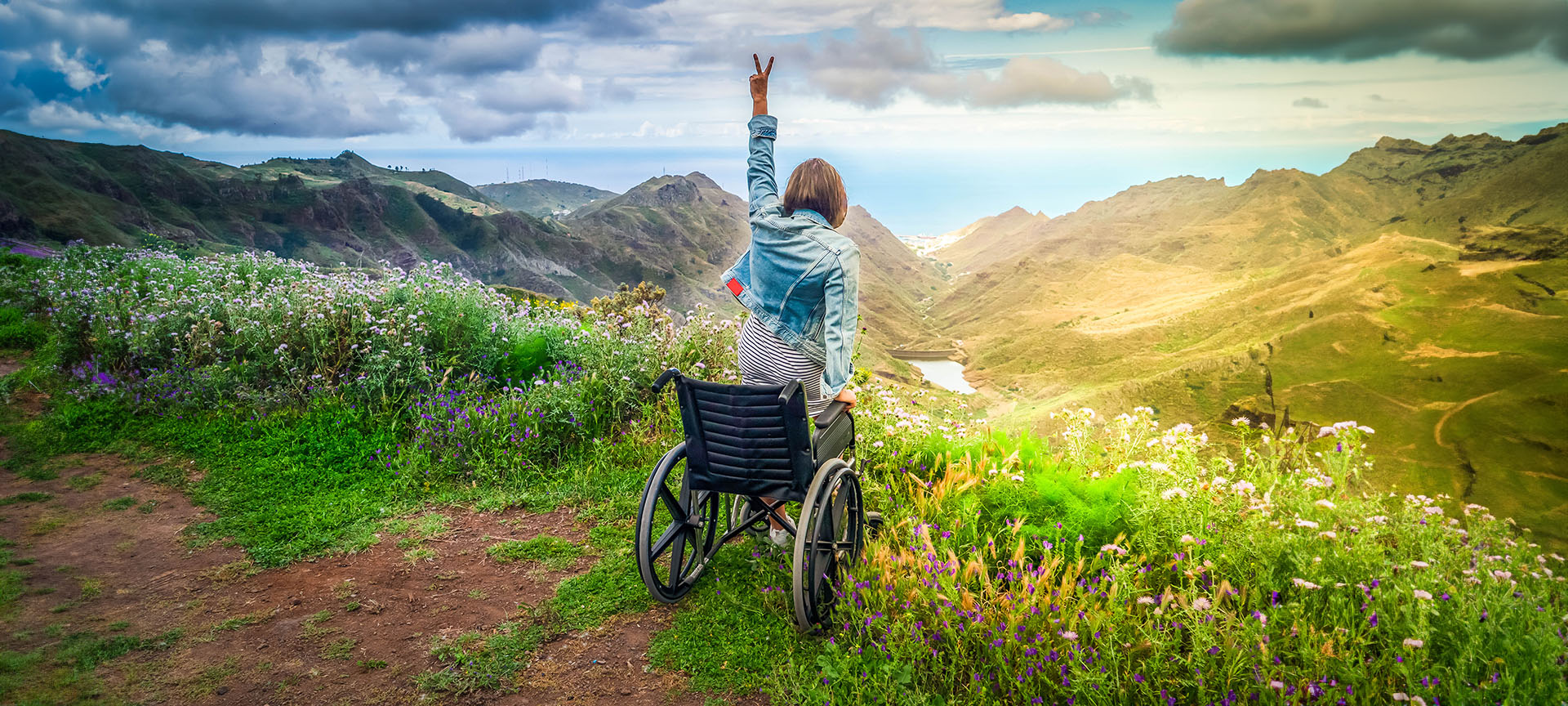
In Spain's National Parks, work is constantly being done to adapt equipment, adapt itineraries and train staff to offer inclusive treatment to suit the needs of each visitor. The aim is to remove barriers so that all travellers can explore this wonderful natural heritage in their own way.Here are some of the main accessibility services and accessibility measures in the 16 National Parks to make planning your trip as easy as possible.
-
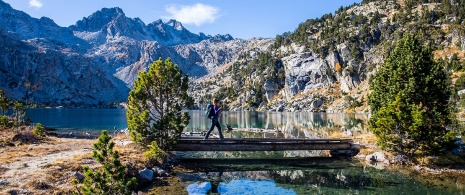
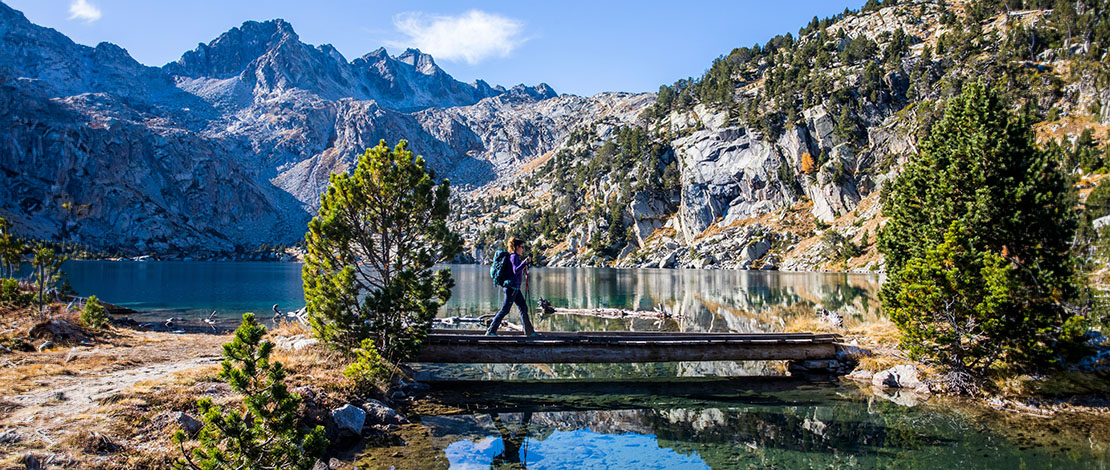
16Aigüestortes i Estany de Sant Maurici National Park (Catalonia)
A unique landscape of more than 200 crystal-clear lakes, high mountain forests and meandering rivers in the heart of the Pyrenees.Services:- Visitor centres with adapted access.- Short accessible routes in valleys to enjoy lakes and panoramic views.- Interpretative material with clear signage.Note: high mountain routes may require support in some sections.
-
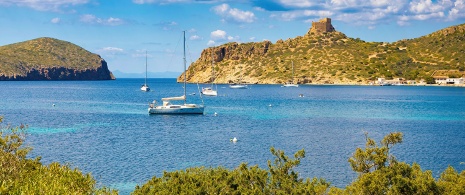
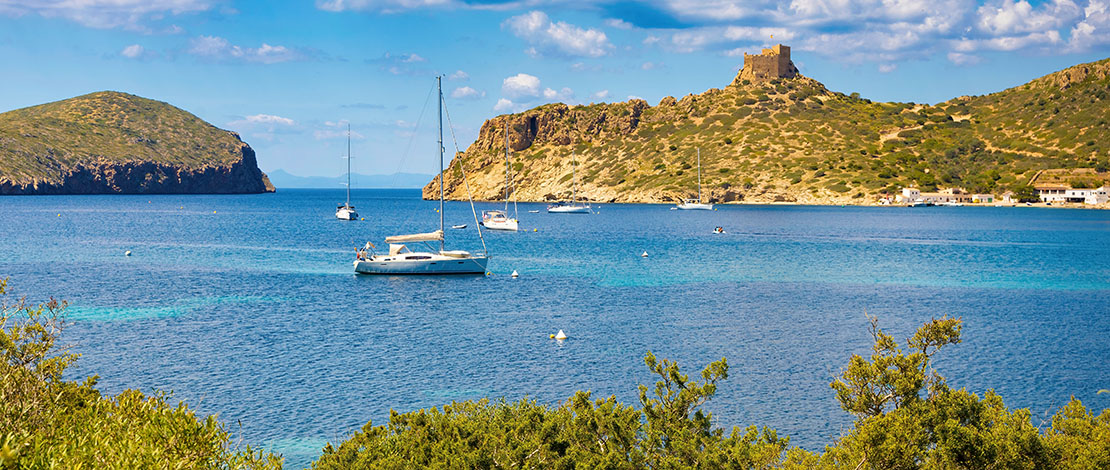
16Cabrera Archipelago (Balearic Islands)
Exceptional posidonia meadows of great biodiversity, unspoiled coves and turquoise waters.Services:- Visitor centres with adapted access and toilets and accessible multi-purpose rooms.Note: it is advisable to contact the boat operators in advance to confirm accessibility on board (as this National Park can only be accessed by sea, mainly from the port of Colonia de Sant Jordi).
-
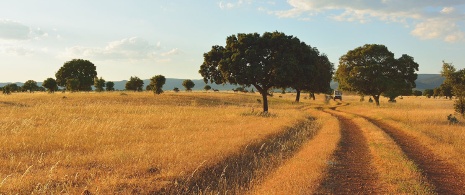
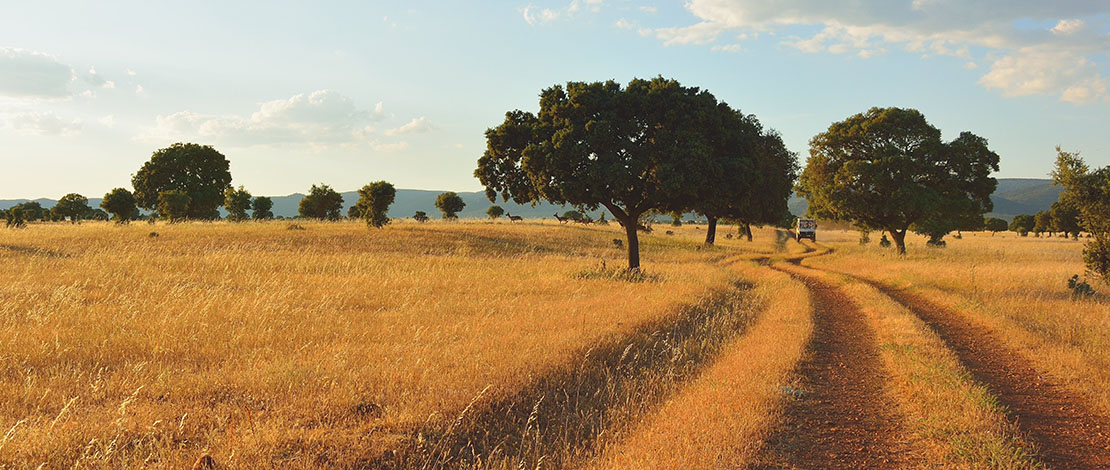
16Cabañeros (Castilla-La Mancha)
One of the most valuable protected corners of the Montes de Toledo where you can observe deer and majestic birds over extensive plains.Services:- Short interpretive trails and routes with firm pavement.- Adapted visitor centres with accessible toilets and clear signage.- Wildlife viewing areas with comfortable wheelchair access.Tip: choose low-difficulty routes to enjoy full and safe experiences.
-
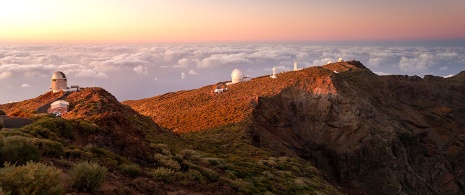
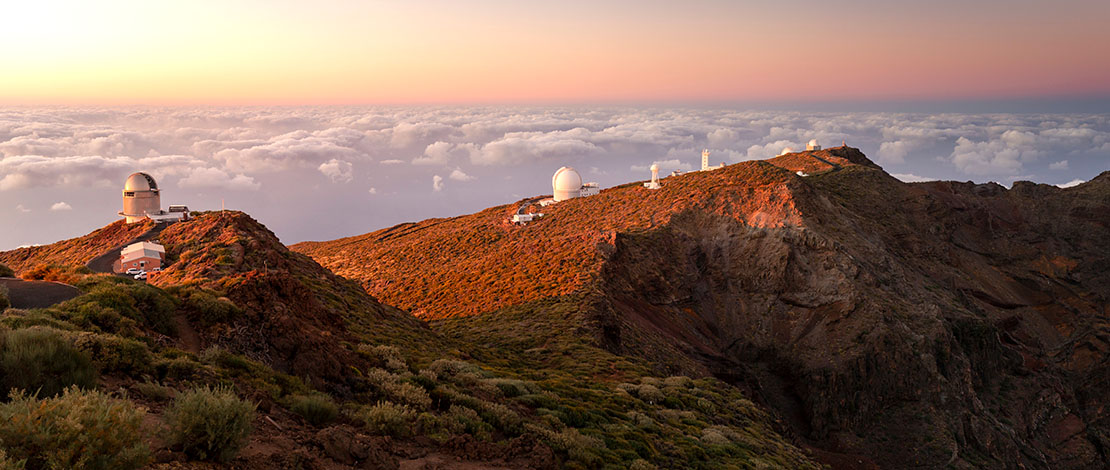
16Caldera de Taburiente (Canary Islands)
Immense volcanic crater full of ravines, waterfalls and Canary Island pines in the heart of La Palma.Services:- Visitor areas with adapted access.- Accessible viewpoints (La Cumbrecita and El Roque de Los Muchachos).- Interpretative information with clear signage.Note: please check to see which routes are most accessible, as due to the mountainous landscape, some of the interior routes may be difficult for visitors with reduced mobility without specialised support.
-
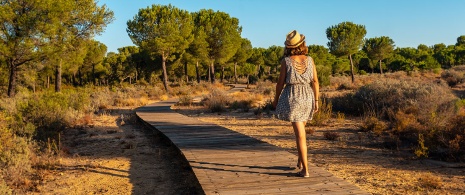
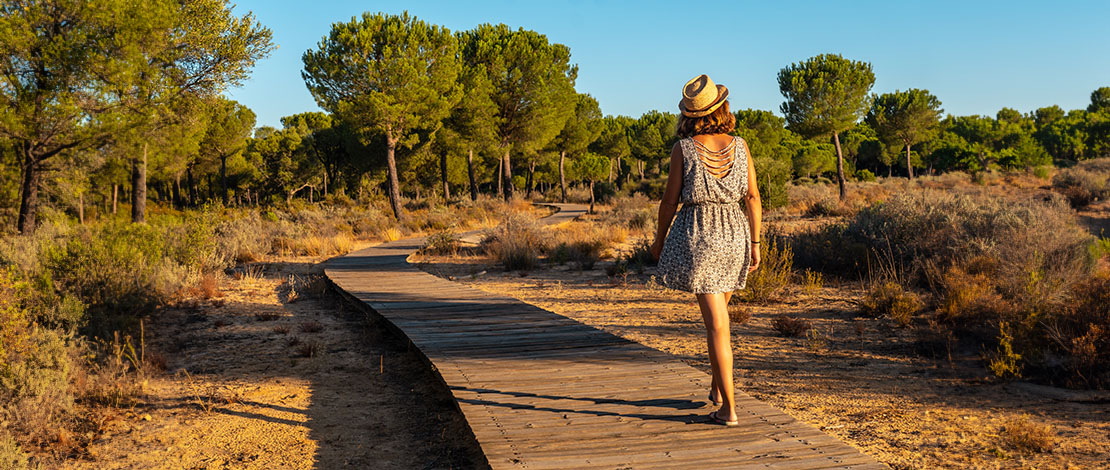
16Doñana (Andalusia)
One of the largest wetlands in Europe, where marshes and dunes create a key refuge for migratory birds and protected species such as the Iberian lynx.Services:- Accessible paths in marshy areas with firm platforms and footbridges.- Adapted vehicles for interpretative safaris on request.- Interpretation centres with accessible toilets and signage.Recommendation: ask for guided tours adapted to mobility and sensory needs.
-
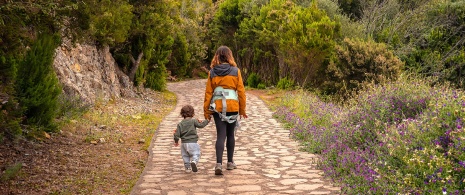
16Garajonay (Canary Islands)
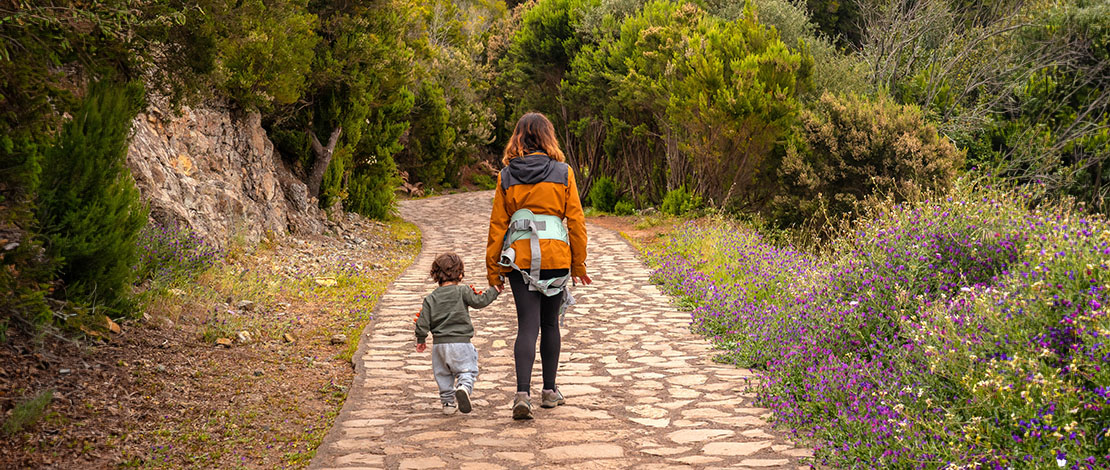
One of the best examples of laurel forest, enchanted woodland covered in mist and ancestral trails on La Gomera.Services:- Short interpretative trails with firm paths suitable for wheelchairs.- Visitor centres with ramps and clear signage.Recommendation: take advantage of the less steep routes through the laurel forest and the excellent accessibility of the island of La Gomera.
-
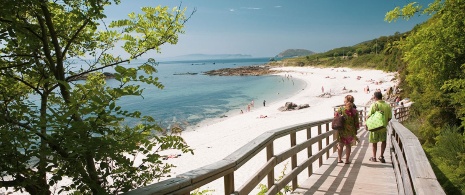
16Atlantic Islands of Galicia (Galicia)
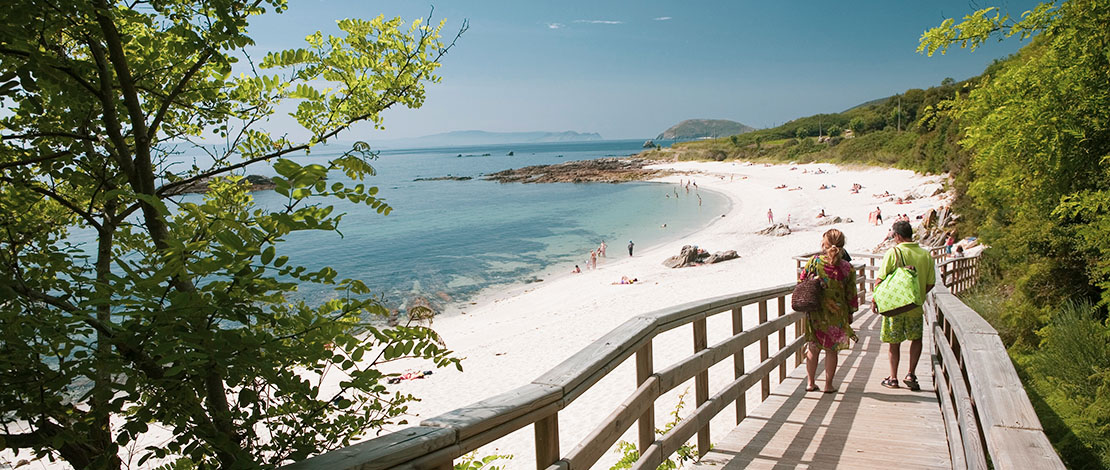
Noted for their beautiful cliffs, pristine beaches and one of the richest marine ecosystems in the Atlantic.Services:- Planned access at piers and boarding points to facilitate visits.- Interpretation centres in the area with adapted services.- Availability of adapted equipment such as crutches and amphibious chairs, loan of wheelchairs and Joëlettes (all-terrain chairs), among others.Tip: we recommend consulting boat operators to coordinate safe access to the park.
-
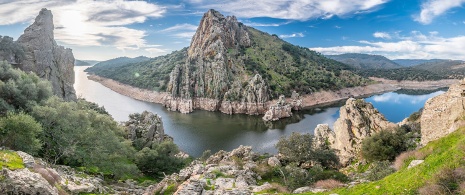
16Monfragüe (Extremadura)
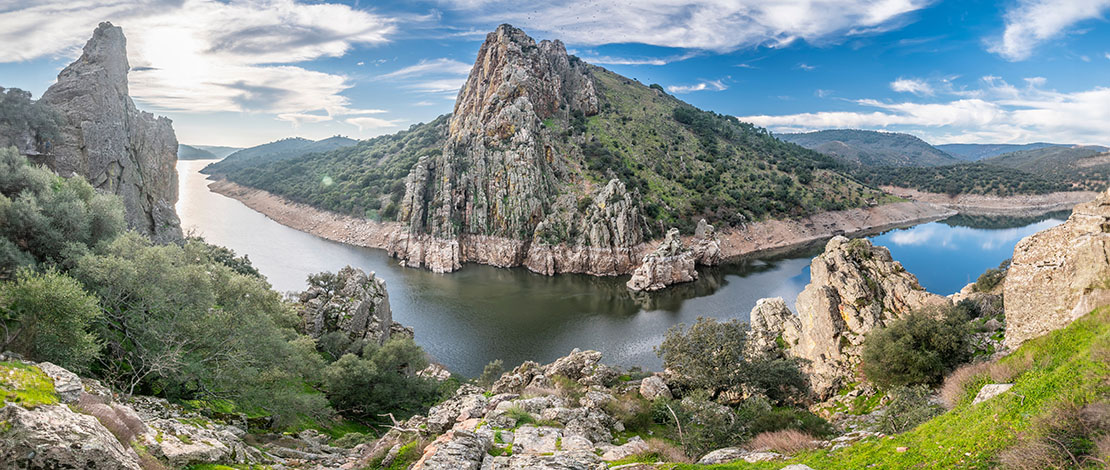
One of the best birdwatching destinations in Europe, with large colonies of vultures and impressive rock faces.Services:- Viewpoints and short, easily accessible trails for birdwatching and nature observation.- Visitor centres with adapted toilets.- At least four accessible tours for the visually and hearing impaired through the Blind Explorer mobile app.Note: some hilly areas may require assistance or the use of all-terrain wheelchairs(Joëlettes).
-
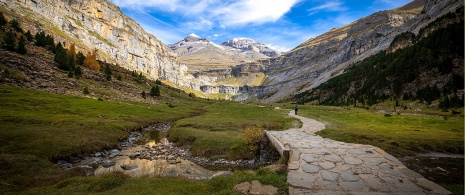
16Ordesa y Monte Perdido (Aragon)
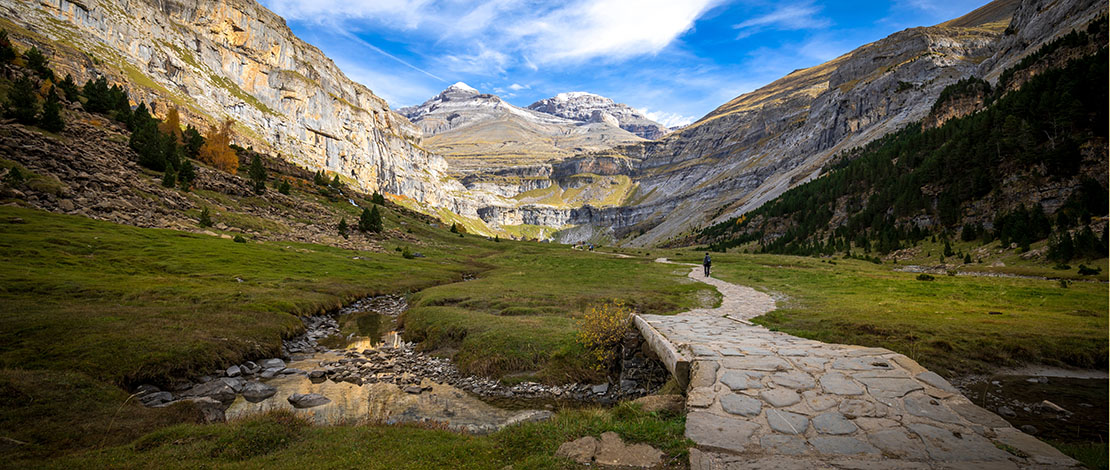
Picture-postcard glacial valleys, spectacular waterfalls and hiking trails through one of the highest limestone massifs in Europe.Services:- Adapted routes that allow you to enjoy iconic scenery without steep climbs.- Rest areas and viewpoints accessible to wheelchair users and people with reduced mobility.Recommendation: plan short routes and consult in advance as some mountain trails require additional support.
-
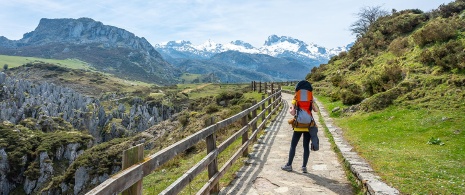
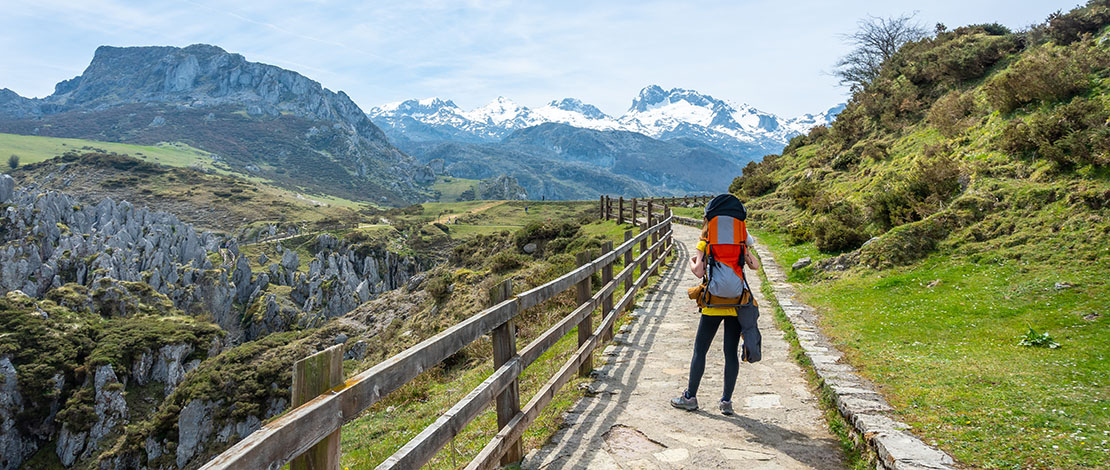
16Picos de Europa (Asturias, Cantabria, Castile and León)
Towering limestone mountains, deep gorges and traditional villages in one of the most iconic landscapes of northern Spain.Services:- Interpretation centres and exhibition spaces with adapted access.- Short, accessible trails in low-gradient areas around viewpoints.Tip: ask at the information points before setting off on a route to make sure the visit is adapted to your abilities.
-
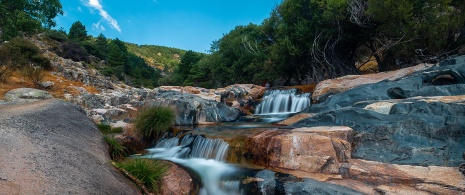
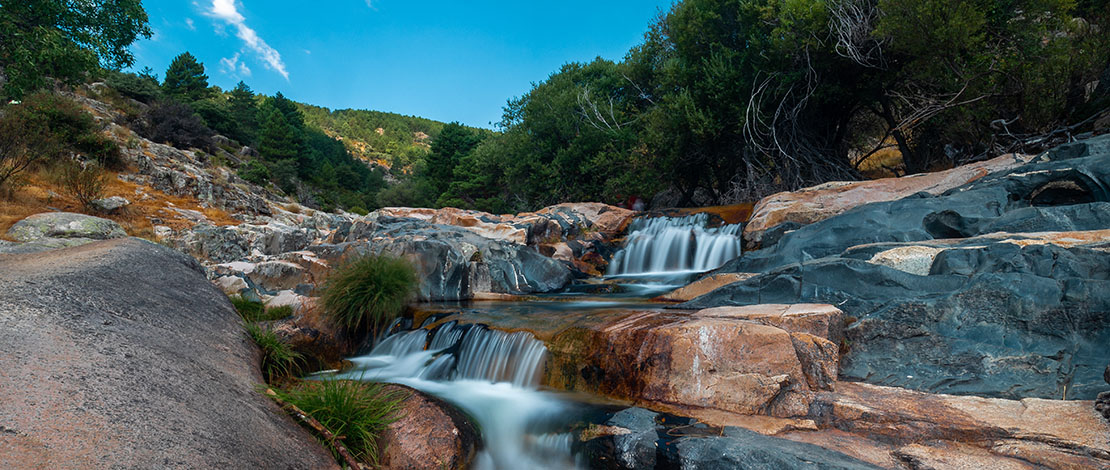
16Sierra de Guadarrama (Region of Madrid, Castile and León)
An enchanting mountain range a stone's throw from Madrid with forests, glacial lakes and rich biodiversity.Services:- Easily accessible trails around viewpoints and low lagoons.- Visitor centres with ramps, adapted toilets and loan of all-terrain wheelchairs (Joëlettes).Tip: it is advisable to call in advance to ask about accessibility and inclusive activities organised by visitor centres such as La Pedriza.
-
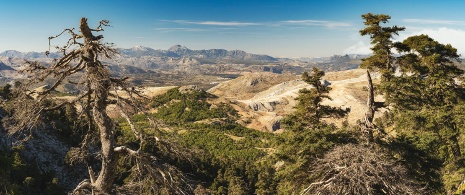
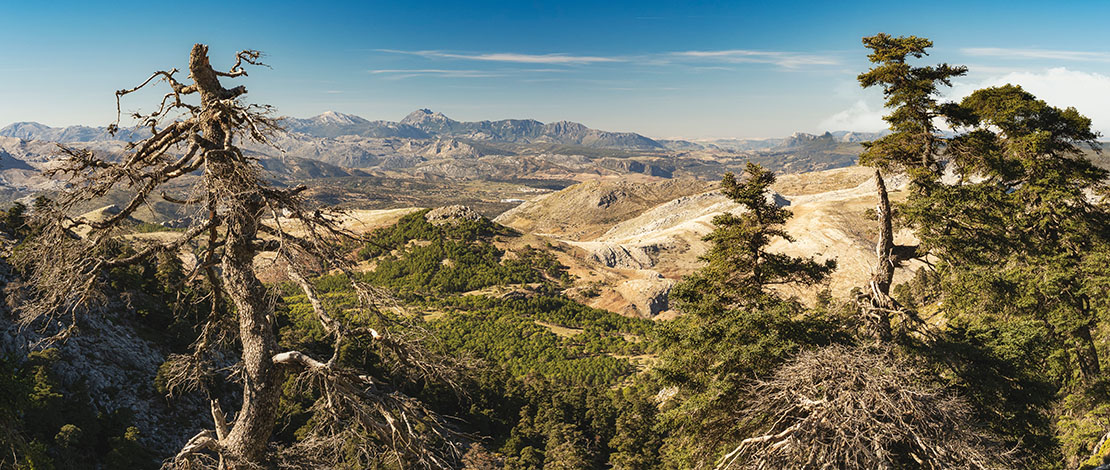
16Sierra de las Nieves (Andalusia)
Home to one of the world’s largest forests of Spanish fir, a natural treasure in the mountains of the Málaga region.Services:- Interpretation centres with adapted access.- Clear signage at key points.Recommendation: the topography can be steep in inland areas, so it is a good idea to combine accessible routes with complementary services.
-
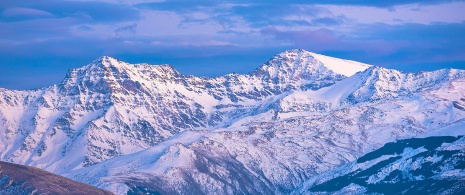
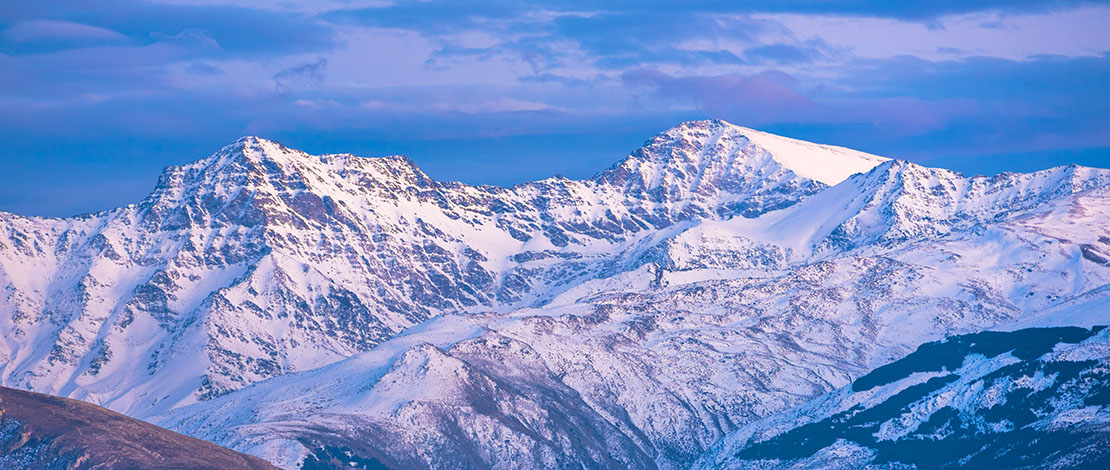
16Sierra Nevada (Andalusia)
A landscape of unique contrast between the highest peaks of the Iberian Peninsula and the nearby Mediterranean in an environment of exceptional biodiversity.Services:- Adaptation of routes and points of interest adapted for visitors with disabilities.- Visitor centres with adapted access and toilets.Note: the mountainous terrain means that many routes require special support or escorts.
-
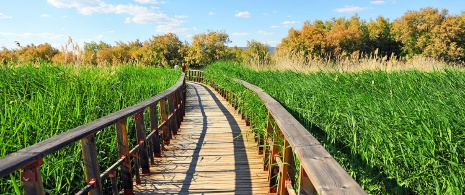
16Tablas de Daimiel (Castilla-La Mancha)
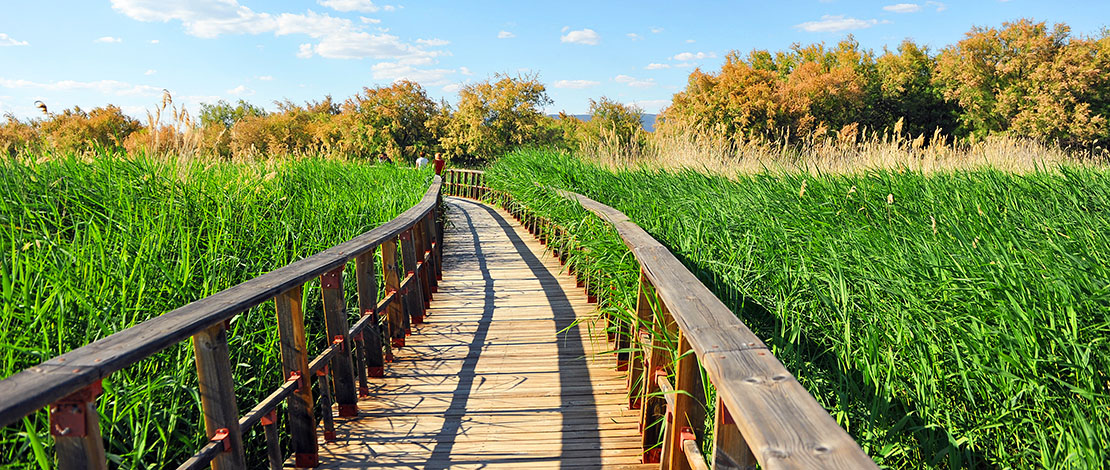
Surprising inland wetlands where water and wildlife transform the plain into a natural oasis.Services:- Accessible walkways to bird watching areas and wetlands with firm access.- Adapted visitor centres with comprehensible educational material.Recommendation: book guided tours to enrich the experience with professional support.
-
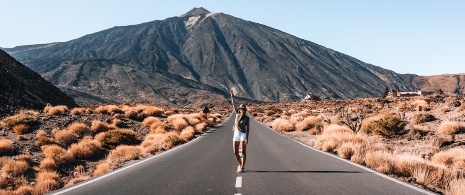
16Teide (Canary Islands)
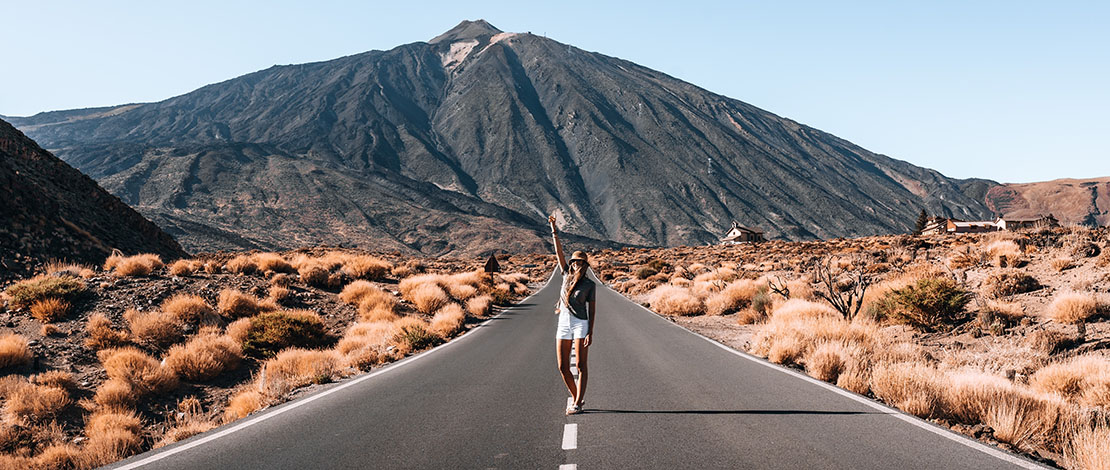
The highest peak in Spain and one of the most spectacular volcanic landscapes in the world on the island of Tenerife.Services:- Short, adapted paths with firm paving and low gradients, wheelchair accessible (such as the one in the Botanical Garden and a section in Roques de García).- Visitor centres with barrier-free access, ramps and adapted toilets.- Teide cable car (accessible in some sections, with spaces and aids for visitors with reduced mobility).- Educational material with clear information and customised guides on request.Tip: check in advance for availability of adapted services and accessible routes.
-
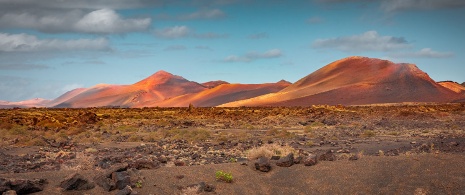
16Timanfaya (Canary Islands)
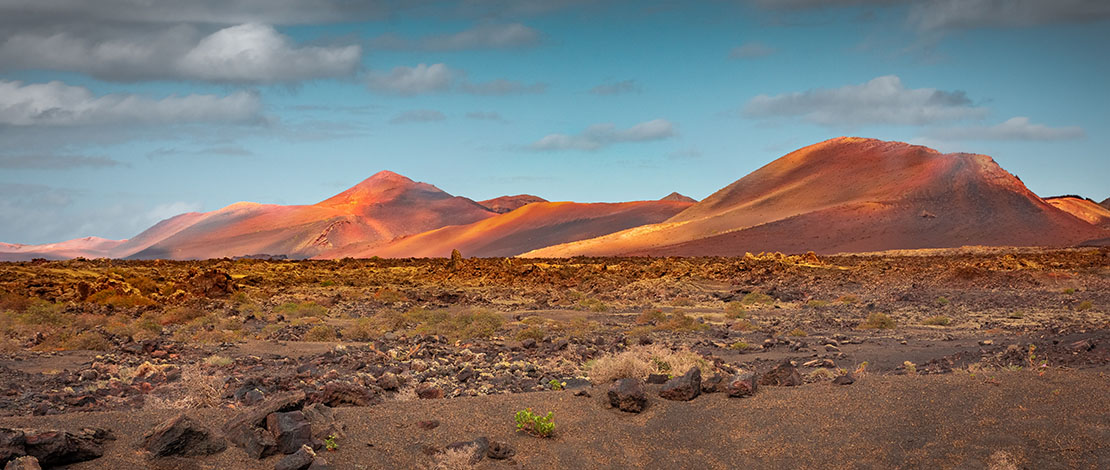
Impressive, almost lunar, volcanic landscape, the result of eruptions 300 years ago on the island of Lanzarote.Services:- Guided bus tour.- Assisted tours in all-terrain wheelchairs (Joëlettes).- Visitor centres with adapted access, audiovisual and sensory services.Recommendation: please consult in advance in order to coordinate, especially for guided tours in all-terrain wheelchairs (Joëlettes).Spain's 16 National Parks are becoming more accessible every day and are better prepared so you can enjoy them to the full, whatever your needs.
Book yours
Choose between thousands of activities to live your best life on holiday.