What are the wines like?
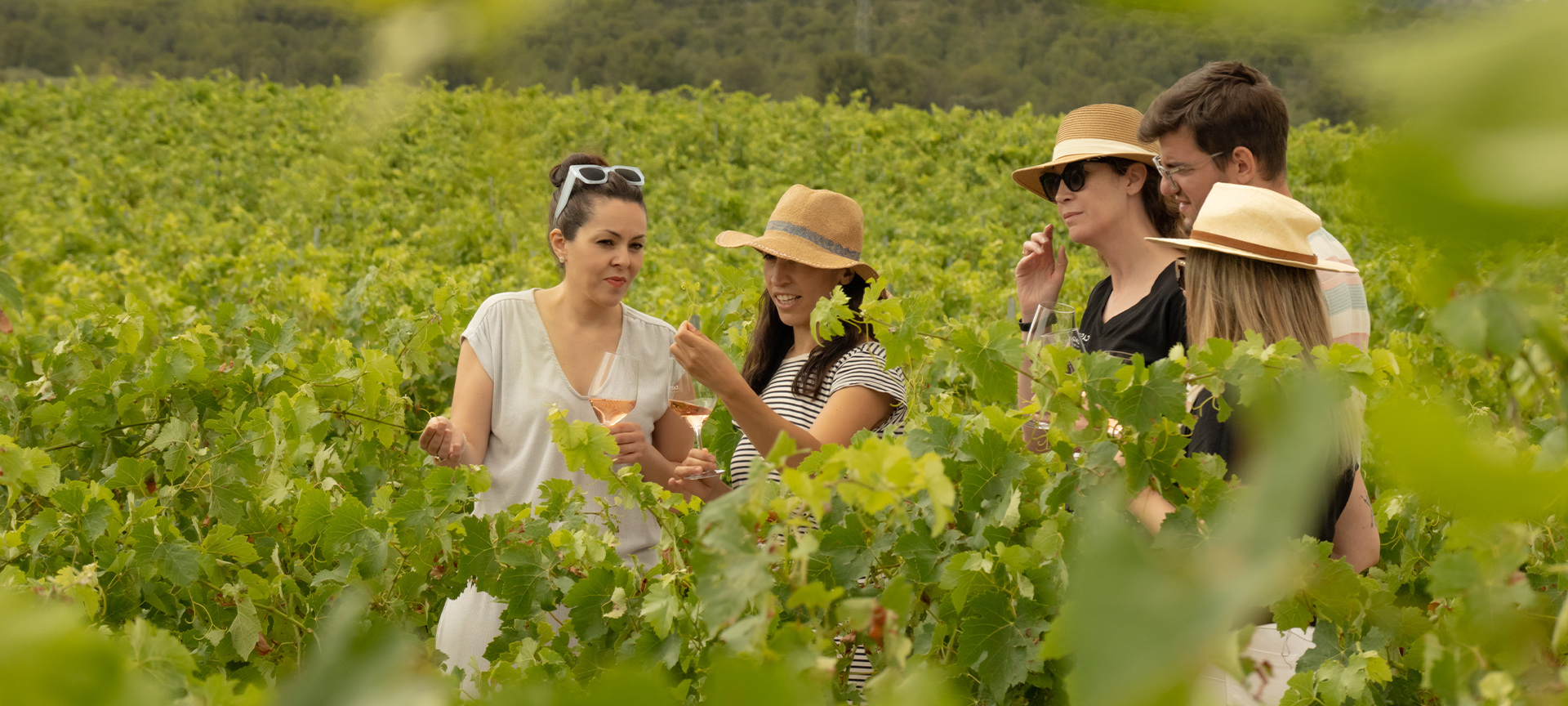
Over 6500 hectares of vineyards, unique varieties such as Monastrell, and a winegrowing tradition that goes back to the times of the Phoenicians are evidence of the importance of this Wine Route.Monastrell Over 6500 hectares of vineyards, unique varieties such as Monastrell, and a winegrowing tradition that goes back to the times of the Phoenicians are evidence of the importance of this Wine Route.Thanks to new techniques and technologies, wines from the Yecla Designation of Origin have evolved towards more balanced and elegant nuances without losing the fruity touch and freshness of their flagship variety, with an aromatic complexity that matches their quality. Visitors to Yecla can choose, for example, an elegant Macabeo to drink with tapas in the local bars and restaurants, or an intense Monastrell red to enhance the typical dish known as 'gazpachos yeclanos'.
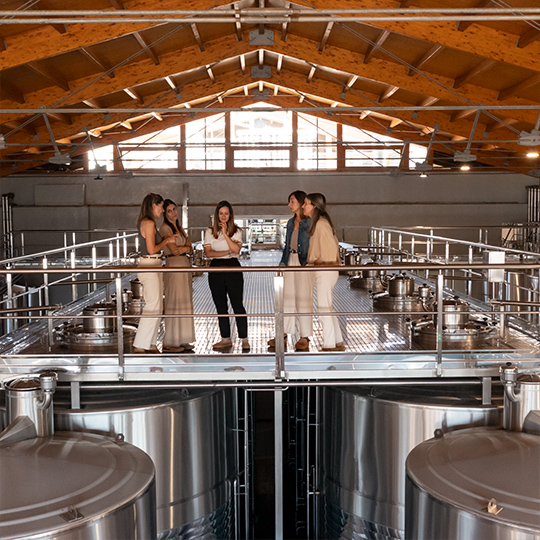
People on a tour of a winery on the Yecla Wine Route
What I can find
More than 30 establishments including wineries, accommodation, restaurants, shops, themed leisure activities, wine bars, travel agencies and tourist information.Various routes such as the Archaeological Route, which allows you to visit Yecla's rich historical heritage; The Nature Route invites you on a journey through the area's landscapes; the Cultural Route explores the city's monuments and artistic heritage; and the Gastronomic Route is perfect for sampling local dishes.Experiences include winery visits, tastings, and oenology courses.A wide-ranging calendar of wine-related activities is also available, such as the Wine and Tapas Route (in April), the Wine Tourism Gala of the Year (in May), the Harvest Festival (in September, featuring the traditional grape treading and tasting of the first musts), and European Wine Tourism Day (in November, with the Red Night, the Wine Tourism Marathon, and the Wine and Spoon Days for tasting the first Monastrell wines).
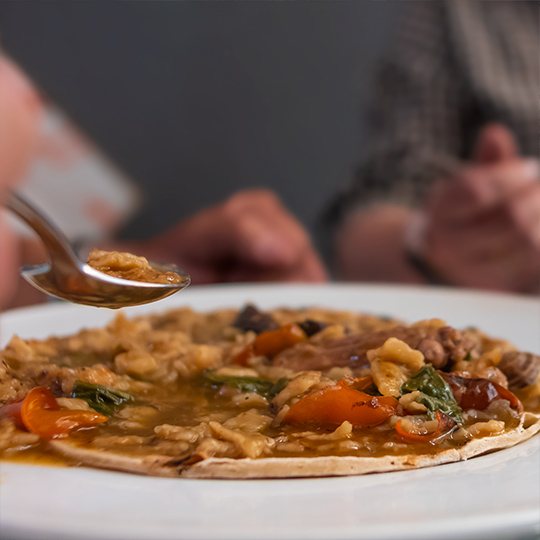
Gazpachos from La Mancha. Yecla wine route
How to get here
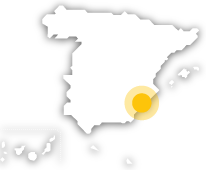
The most direct way to reach Yecla (in the northeast of the Region of Murcia) is by road. There are different options depending on your starting point:From Valencia: Take the A-7. Continue along the A-35. Take exit 11 to join the N-344 towards La Font de la Figuera. Take the exit towards Yecla.From Murcia:Merge onto the A-30, A-7. Take exit 763B to merge onto the A-30 towards Molina de Segura/Albacete. Head towards the N-344 (signs for N-344 / Jumilla / Yecla / Valencia). Take exit C-3223 towards Yecla / Pinoso.From Madrid: Take the M-23 (signs for Vicálvaro/ R-3 / Valencia). Continue on the R-3. Merge onto the A-3 and continue on the A-31. Take exit 171 towards the N-344 in the direction of La Font de la Figuera / Caudete / Yecla. Take the Yecla exit.If you prefer to go by bus, Yecla has a station that connects the town with various points in Spain such as Jumilla, Murcia, Valencia, and Barcelona.In addition, Yecla is located approximately 80 kilometres from the city of Alicante, which has Alicante-Elche AirportIn addition, Yecla is located approximately 80 kilometres from the city of Alicante, which has In addition, Yecla is located approximately 80 kilometres from the city of Alicante, which has
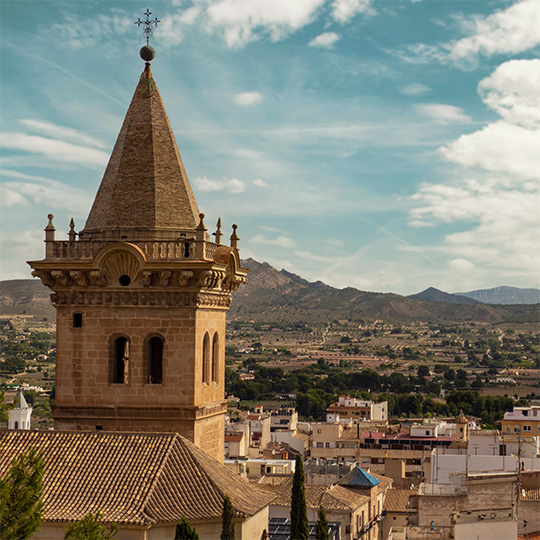
Tower of the Church of El Salvador in Yecla. Yecla wine route