Terras do Miño Biosphere Reserve
Woodlands and islands
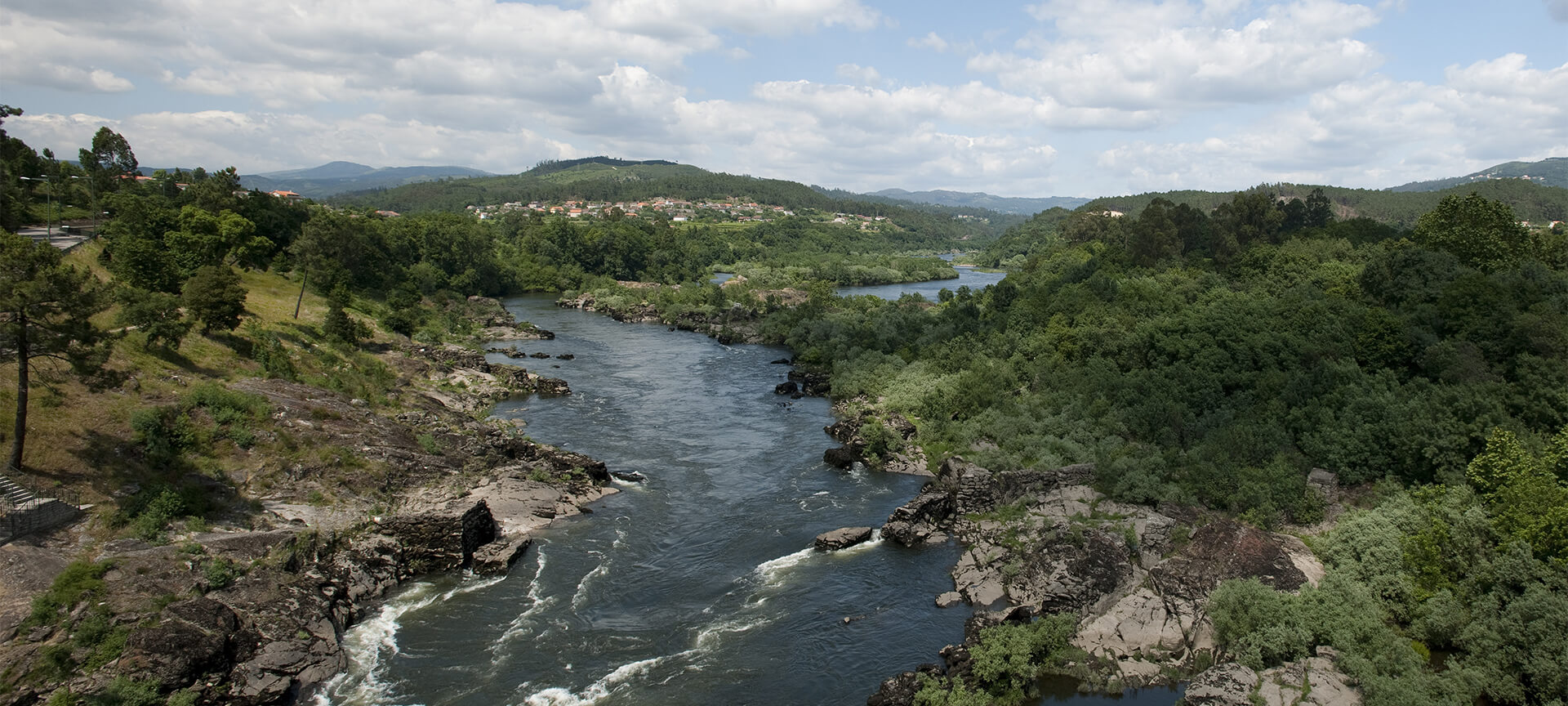
Miño islands, located within the river's course, have lush forests and inland lagoons where there is a significant aquatic flora and wildlife. In its upper course, the river Miño defines a wide territory known as Terras do Miño. Declared a Biosphere Reserve in 2002, this territory reflects the perfect integration between the traditional rural landscape and important Atlantic-type ecosystems.
Terras do Miño occupies a wide area in the centre-north of Lugo that corresponds to the upper basin of the river Miño. The 26 municipalities that make up this area have a long agricultural tradition and together occupy a third of the total surface area of the province. From its source, the Miño and its tributaries flow through a landscape of mountains and valleys where pastures and cultivated land share the limelight with natural habitats of great value. It is worth mentioning the importance of the typical “fragas” (oceanic forests), which are home to species typical of humid areas such as oak, chestnut, holly and birch. The course of the Miño also draws river islets (islands), spaces of great beauty where a wide variety of aquatic flora and fauna can be found. In these hidden places, small lake ecosystems that are hidden among the lush riparian vegetation take centre stage and constitute the reserve's maximum protection zones. In addition to its importance from an ecological point of view, the abundant river courses that drain Terras do Miño mean that this territory plays a decisive role in the water supply of the whole province. Its declaration as a Biosphere Reserve has allowed for sustainable economic and human development while contributing to the conservation of natural resources and habitats.

Terras do Miño Biosphere Reserve
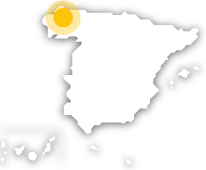
Lugo (Galicia)
Lugo (Galicia):
- Lugo
- Rábade
What you need to know
-
Cultural information
In the Terras do Miño reserve, you can visit the Mazo de Santa Comba, a complex that used the power of water to produce electricity, grind grain, saw, etc. In O Corgo, you can find the 16th-century A Fervenza ethnographic collection. Its facilities include a mill, forge, looms, clog-making workshop and other traditional activities. Nor should we forget to visit the capital Lugo, which, situated on the banks of the Miño, preserves important traces of its Roman past. Its greatest symbol is the city wall, which has been declared a World Heritage Site.
-
Environmental information
Terras do Miño has a great variety of landscapes. It is notable for its large area of woodland, which is home to both evergreen and deciduous species, such as chestnut, birch and oak. Miño islands, located within the river's course, have lush forests and inland lagoons where there is a significant aquatic flora and wildlife.
-
Information for visits
The N-VI road provides quick and easy access to any of the municipalities that make up the Terras do Miño area. This Biosphere Reserve has two interpretation centres: Terras do Miño, located in Lugo; and Insuas do Miño, located in the municipality of Rábade. From the latter, a riverside path leads to the areas known as Insuas do Miño, made up of the San Roque, Cela and Trabanca river islands.
Travel plans for inspiring you


Book yours
Choose between thousands of activities to live your best life on holiday.