Mérida
Getting to know the ancient Roman Empire
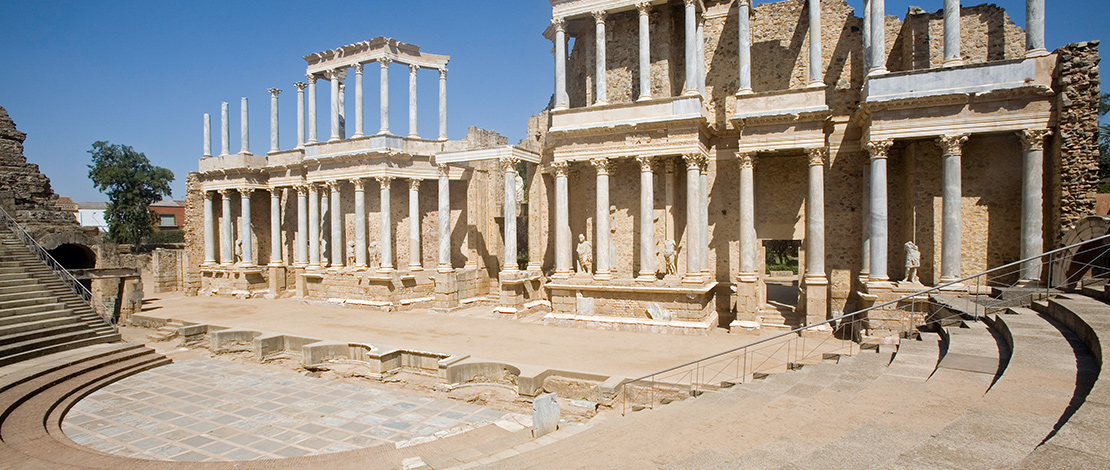
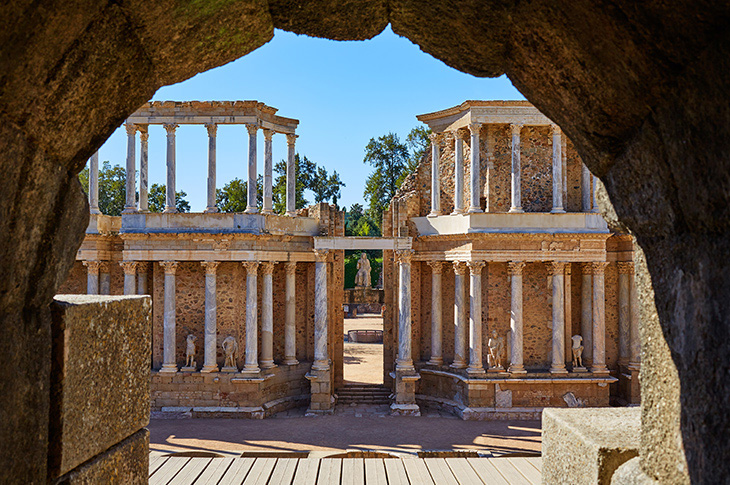
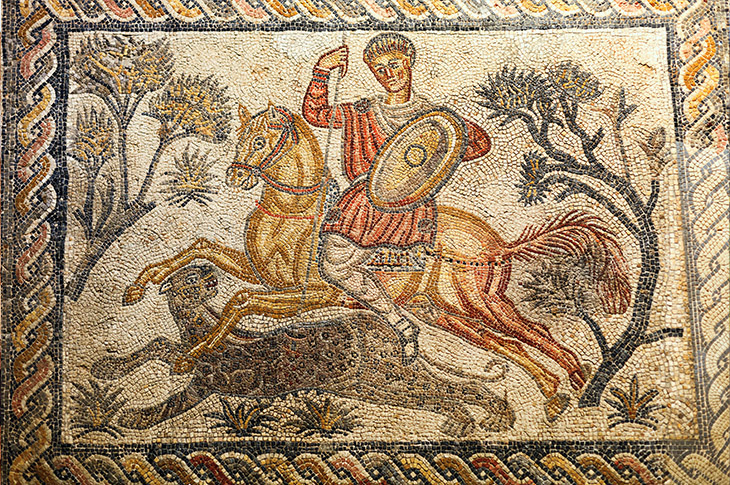
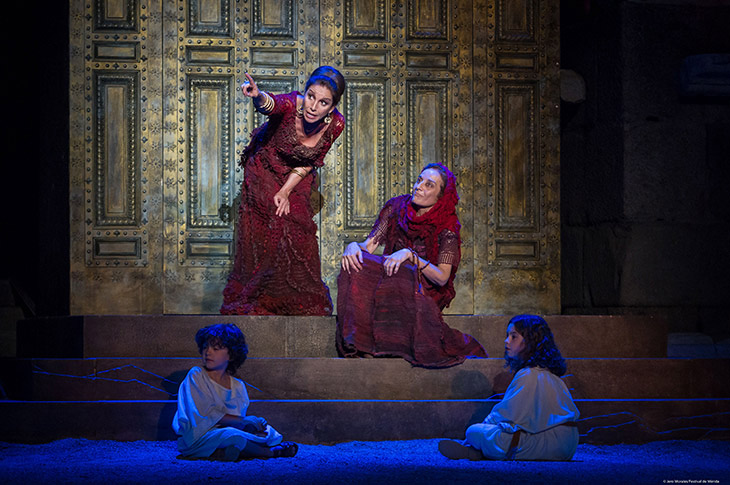
This city has been declared a World Heritage Site for having one of the most outstanding Roman archaeological sites in Europe. Its theatre, which is over 2,000 years old, is still in operation and has hosted performances of the International Classical Theatre Festival every summer since 1933.
Walking through the city you will be able to discover the numerous monuments from the Roman era that are preserved, while getting to know other places of interest and the atmosphere of contemporary Mérida.
Merida in pictures
-
MUST-SEE
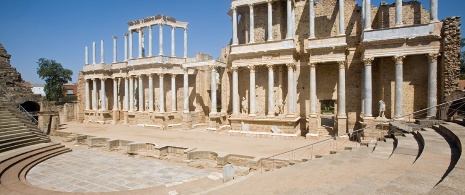
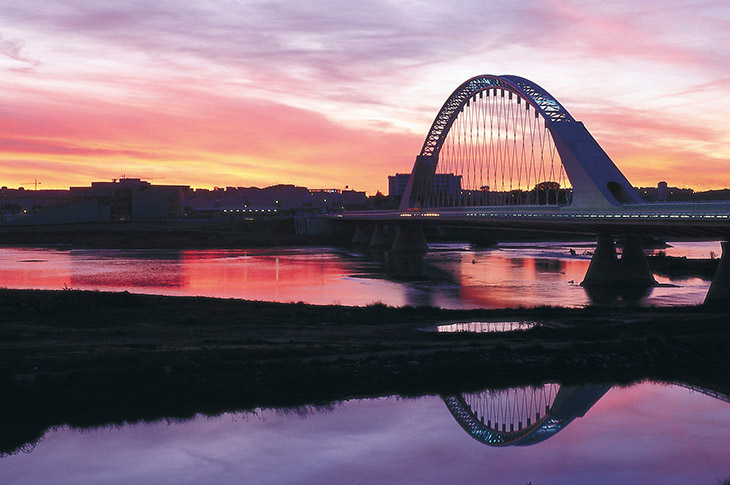
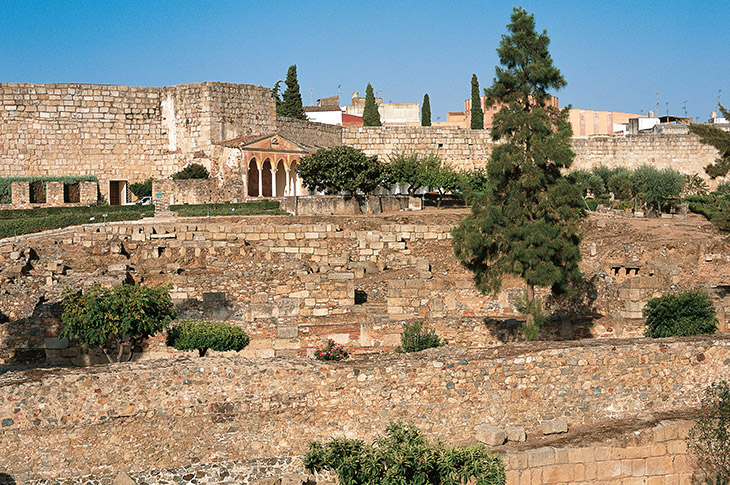
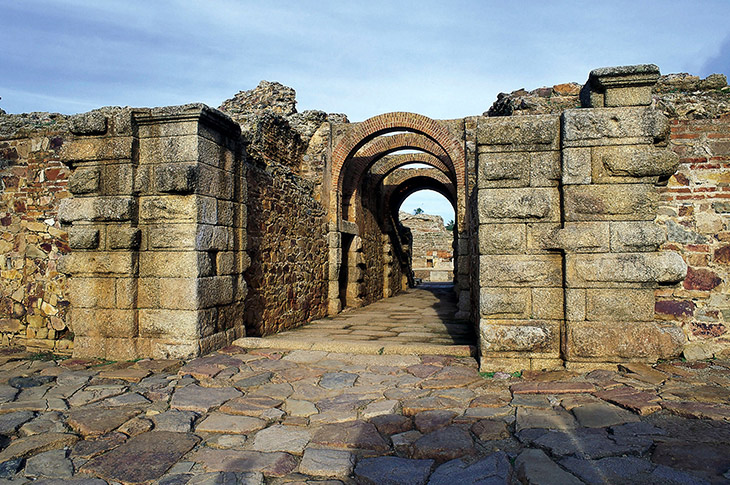
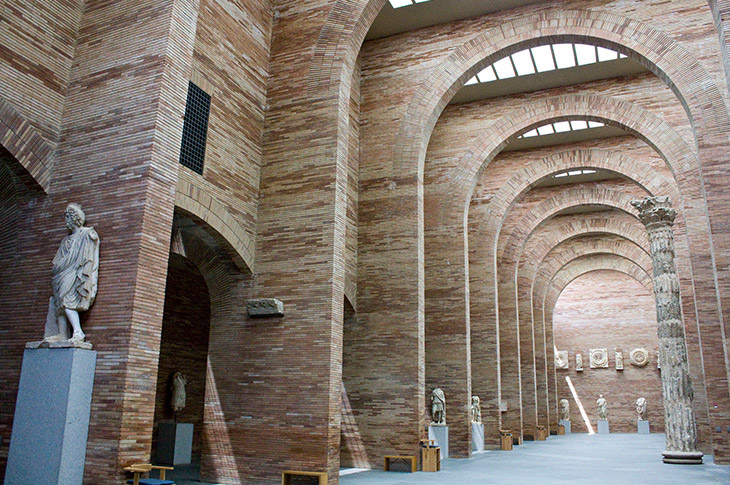
The Roman Theatre It was built between 16 and 15 BC, with capacity for around 6,000 spectators who were arranged from bottom to top, according to their social rank, in three sections of the stands. The Amphitheatre Built next to the theatre, the amphitheatre could accommodate between 15,000 and 16,000 people. It served as a stage for wildly popular spectacles, such as gladiator games, wild beast hunts and fights between wild animals. Los Milagros Aqueduct Popularly known as "Los Milagros" due to the widespread admiration for its remarkable state of preservation, over 800 metres of this colossal structure remain standing, with pillars and arches reaching up to 27 metres in height. The Arab Citadel It is located near the Roman Bridge and is the oldest in the Iberian Peninsula. Inspired by Byzantine fortresses, it features a very unique cistern, adorned with Roman and Visigoth decorative pieces. The Roman Circus It was built outside the city walls and is one of the most magnificent and best preserved circuses of the Roman Empire. City centre and National Museum of Roman Art The Portico of the Forum, the Temple of Diana and the Trajan's Arch are other examples of the many traces of the past that can be found as you stroll through the city centre. Don't forget to stop by the National Museum of Roman Art to complete your visit and enjoy its exceptional collection of mosaics and sculptures. In May, the streets of Mérida once again transform into the Roman colony of Emérita Augusta during the Emerita Lvdica festival, which offers a wide range of activities and workshops for all audiences. The Plaza de España Around this large square, there are several buildings featuring different architectural styles, including the Mendoza Palace, the Pacheco House, the Emeritense Circle, the Palace of La China and the Co-Cathedral of Santa María. The Lusitania Bridge This example of modern Mérida is the work of the Spanish architect Santiago Calatrava and has a pedestrian walkway in its central part.
-
WHERE CAN I EAT?

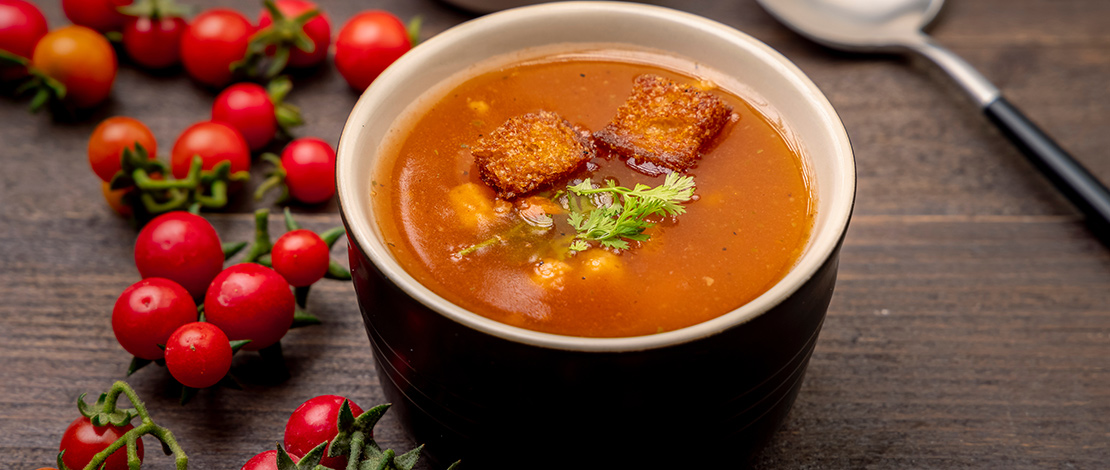
In the restaurants and eateries of Mérida, you can enjoy simple cuisine based on the Mediterranean diet, with a focus on cold dishes that make the most of the produce grown in the Guadiana river's fertile plains. Typical recipes include gazpacho, white garlic soup and delicious salads such as cojodongos and , ideal for the hottest days. Crushed olives are another delicacy, and among the variety of tapas you'll find, you'll love sampling the flavours of goat and sheep cheeses.
-
WHAT IF I WANT TO GO SHOPPING?

The most commercial area of the city is located on the central Santa Eulalia street, which is pedestrian and always lively. You will also find shops and establishments of all kinds in the parallel streets. In addition, on Saturday mornings a craft fair is held by local artisans in Plaza de España.
-
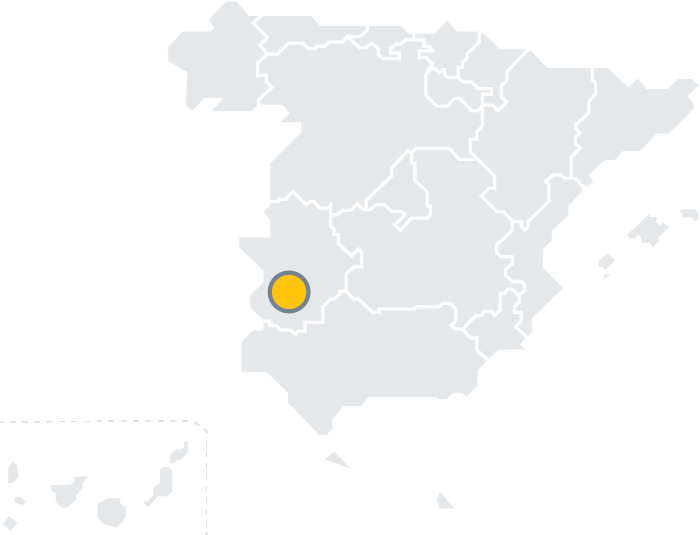
WHERE IS THE CITY LOCATED?

Mérida is located about three hours by car from Madrid via the A-5 motorway, and around two hours from Seville by road via the A-66 Ruta de la Plata motorway.