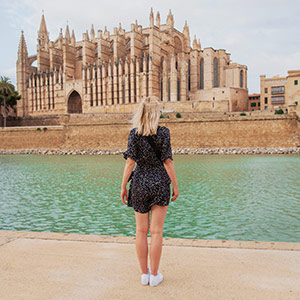
Seville is a city that leaves its mark, and many people define it as special. It might be because of the grandeur of its monuments. Or perhaps the charm of areas such as Triana.
It might possibly be the scent of jasmine in its squares or the Spanish guitar music of its streets. Some say that it’s the tradition of its festivals, and many are convinced its tapas are the real reason.
What to visit
Select from the list or hover over the map to find out about points of interest.
What to visit
Select from the list or hover over the map to find out about points of interest.



Other ideas for your trip
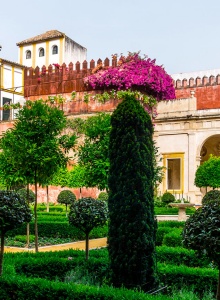
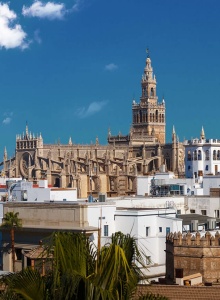
6 interesting things you didn't know about the Seville Cathedral
No doubt there are a good few things that you already know about Seville Cathedral, for example that it’s one of the most visited monuments in the city, and…
Read more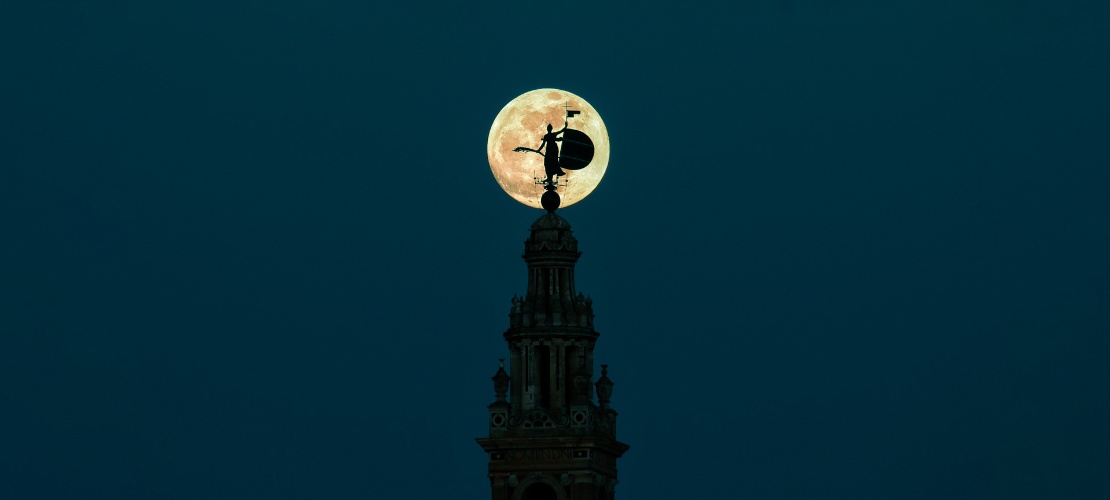
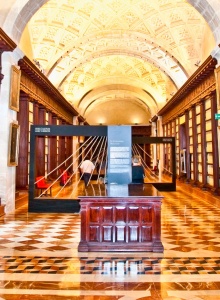
Four art centres with cutting-edge architecture in Andalusia
Think of a museum. What do you imagine? Maybe a place full of works of art? Now think of Andalusia. What images pop into your mind?…
Read more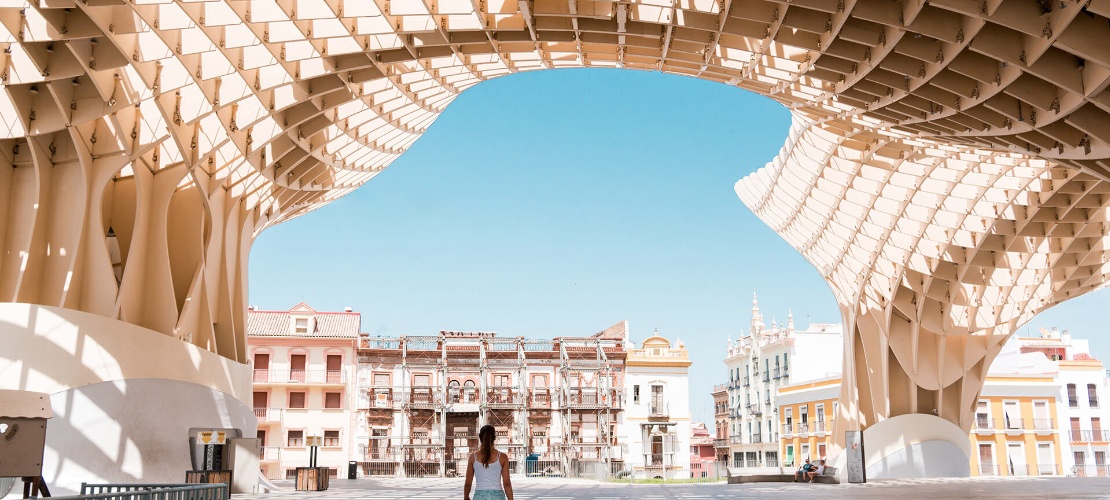
Trips to discover the real Seville
Seville is a lively city, with lots of atmosphere in its streets and with very popular places that reveal the most traditional Andalusia.…
Read more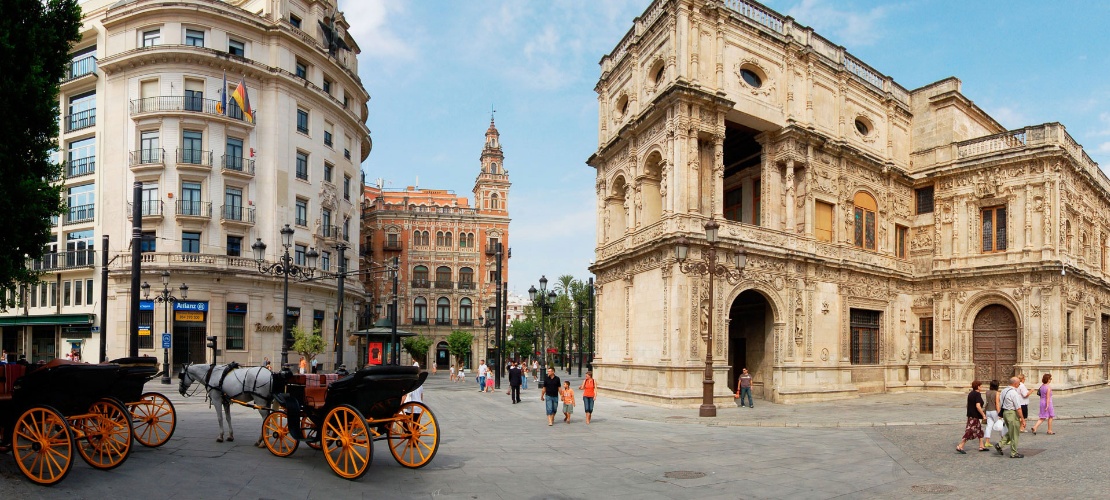
Routes of the Al-Andalus Legacy
Our suggested route explores the heritage, history and culture of al-Andalus, the Islamic Andalusia of the 8th to 15th centuries.…
Read more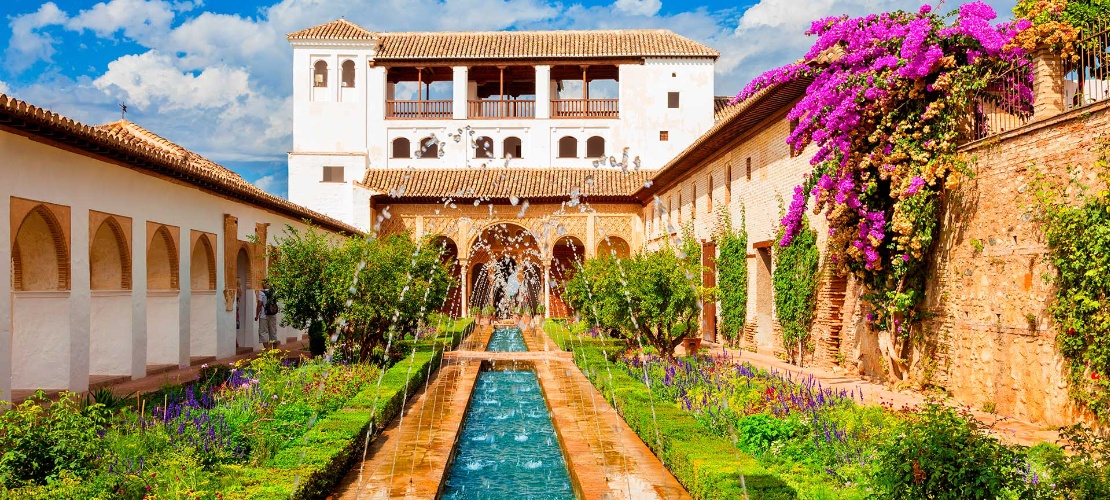
Two-day tours of Seville
Seville is world-famous for its Easter ceremonies and the Feria de Abril (April Fair). But any time of year is good for discovering the capital of Andalusia.…
Read more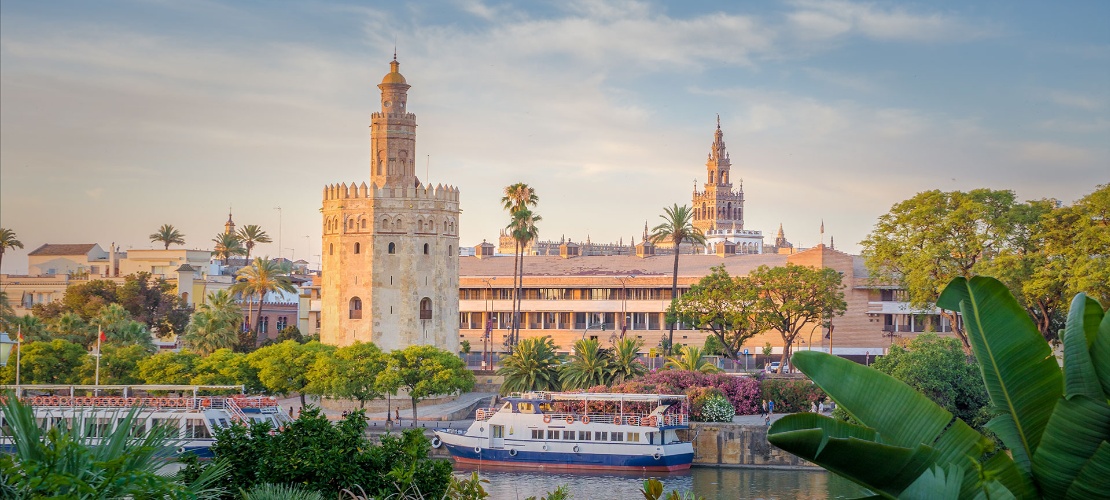
The Silver Route
From Seville to Gijón, passing through historic cities such as Mérida, Salamanca, León and Astorga.…
Read more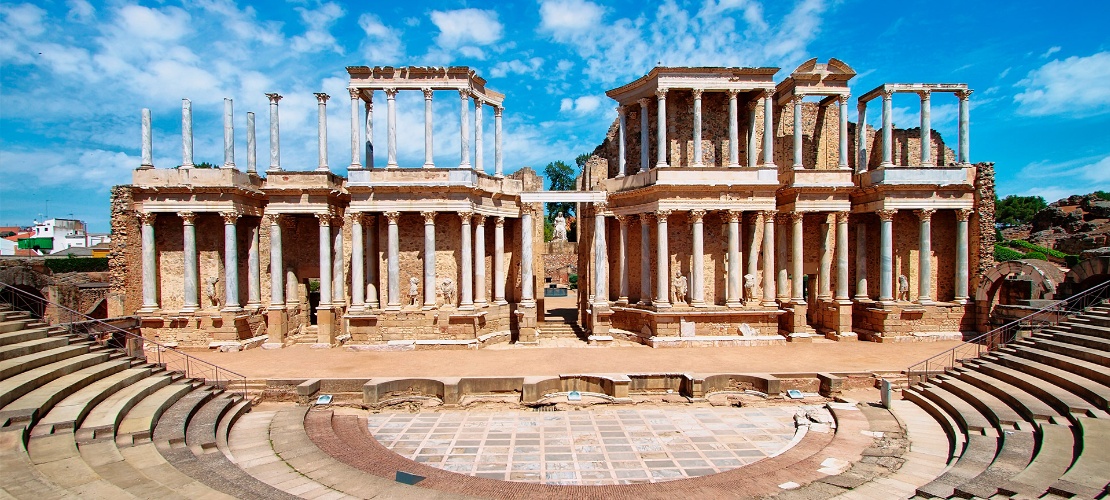
Suggestions for foodies in Seville
Good food is another reason to visit Seville. While places like the cathedral, La Giralda, the Alcázar, the Plaza de España, María Luisa park or Santa Cruz…
Read more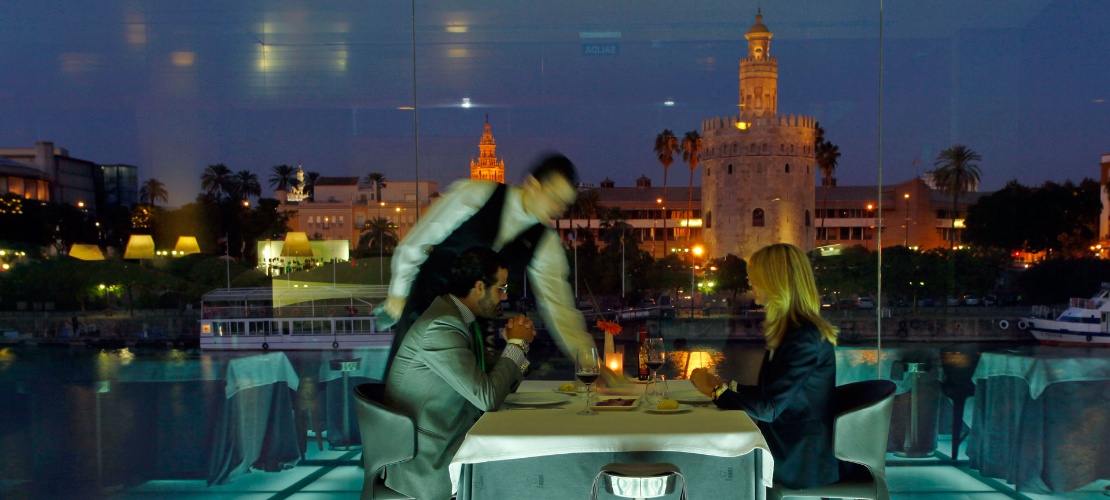


How to get there - transport information
Select the means of transport to see how to get there or how to get around at your destination.
How to get to aeroplane
-
Seville International Airport is situated 10 kilometres from the city, next to the A-4 motorway.
-
You can get from the airport to the city centre by bus, taking the EA line. The trip takes about 35 minutes and costs 5 euros (6 euros return)
-
By taxi, the journey to the city centre takes about 15 minutes and costs a flat rate of €25.72 (during the day, Monday to Friday) or €28.67 (at weekends, on public holidays and in the evenings from Monday to Friday).
-
By road, it can be reached via the A-4 motorway, and the journey takes about 15 minutes.
How to get to train
-
The Santa Just railway station is very close to the city centre (for example, it’s two kilometres or a 25-minute walk from Seville Cathedral).
-
By public transport, the bus that connects the station with the historic quarter is the 32 (although at Santa Justa you can also catch other services, including the special service to the airport). The journey takes under 15 minutes.
-
The nearest metro station is Nervión (one kilometre away).
-
It has a high-speed train connection to Madrid (approximately 2 hours and 40 minutes), Barcelona (approximately 5 hours and 40 minutes) and Valencia (from 4 and a half hours), among others.
How to get to bus
-
There are two main bus stations in Seville.
-
The International and domestic routes arrive at the Plaza de Armas station, right in the heart of Seville.
-
Regional routes mainly arrive at the Prado de San Sebastián station, also in the city centre.
How to get there by road
-
From Madrid, via the A-4 and A-5 motorways (connecting with the A-66).
-
From Portugal, via the A-49 motorway.
-
From the Costa del Sol, via the A-92 motorway.
-
From Cádiz, via the AP-4 motorway.
How to get around in bus
-
The city buses in Seville usually run from 6.00 a.m. to 11.30 p.m.
-
There is a 1 or 3 day tourist card with unlimited travel.
How to get around in metro/tram
-
There is a metro line that runs through the city.
-
Its operates: Monday to Thursday, from 06:30 to 23:00. Fridays and the eve of public holidays: from 06:30 to 02:00. Saturdays, 07:30 to 02:00. Sundays and public holidays, 07:30 to 23:00
-
You can get a single or return ticket, a money card for buying tickets, or a one-day pass.
-
There is also a tram line (the Metrocentro or T1), which runs through part of the city centre.
How to get around in other means of transport
-
Seville is an easy city to explore on foot.
-
Taxis are white with a yellow diagonal stripe. A green light on the roof shows they are available.
-
It has a bike-share scheme with 30 minutes’ free use. It requires registration, with payment of around €13 (7-day pass) or €2.59 (one-day ticket).
-
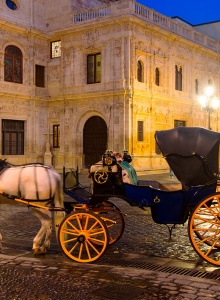
As well as the traditional horse-drawn carriages, there are other original ways to explore tourist areas, such as a boat trip along the River Guadalquivir.
Excursions to nearby destinations
Jaén
Distance from Seville 250kmThis provincial capital boasts the largest number of protected spaces and c...
See more
Excursions to nearby destinations
Santiponce
Distance from Seville 15kmA town which belongs to the Aljarafe region and is situated 7 km from Sevil...
See more
Excursions to nearby destinations
Doñana National Park
Distance from Seville 50kmDoñana is one of Europe's most beautiful and important wetlands. In additio...
See more
Excursions to nearby destinations
Cádiz
Distance from Seville 120kmFounded 3,000 years ago by the Phoenicians, Cádiz is the oldest city in Wes...
See more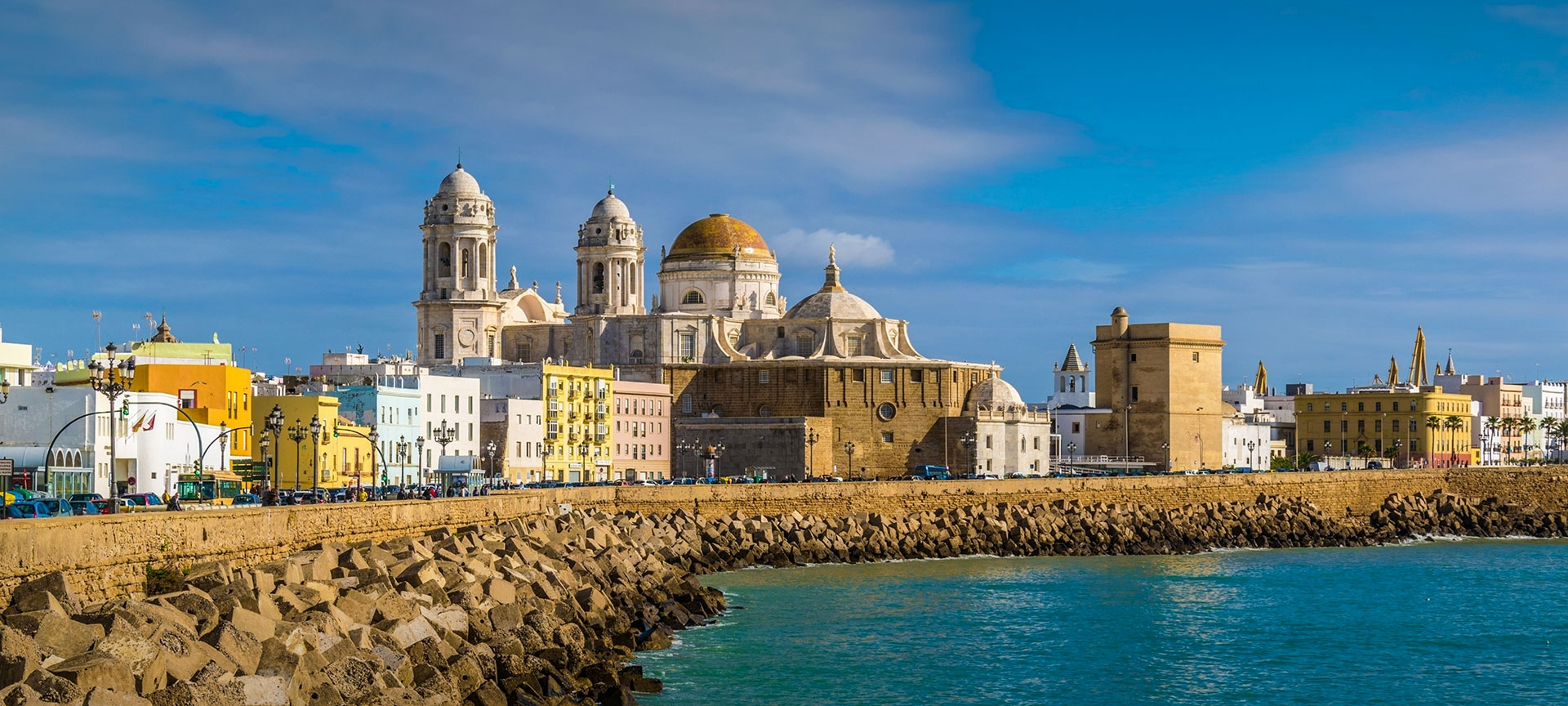
Excursions to nearby destinations
Granada
Distance from Seville 250kmAt the foot of the Sierra Nevada mountains, between the rivers Darro and Ge...
See more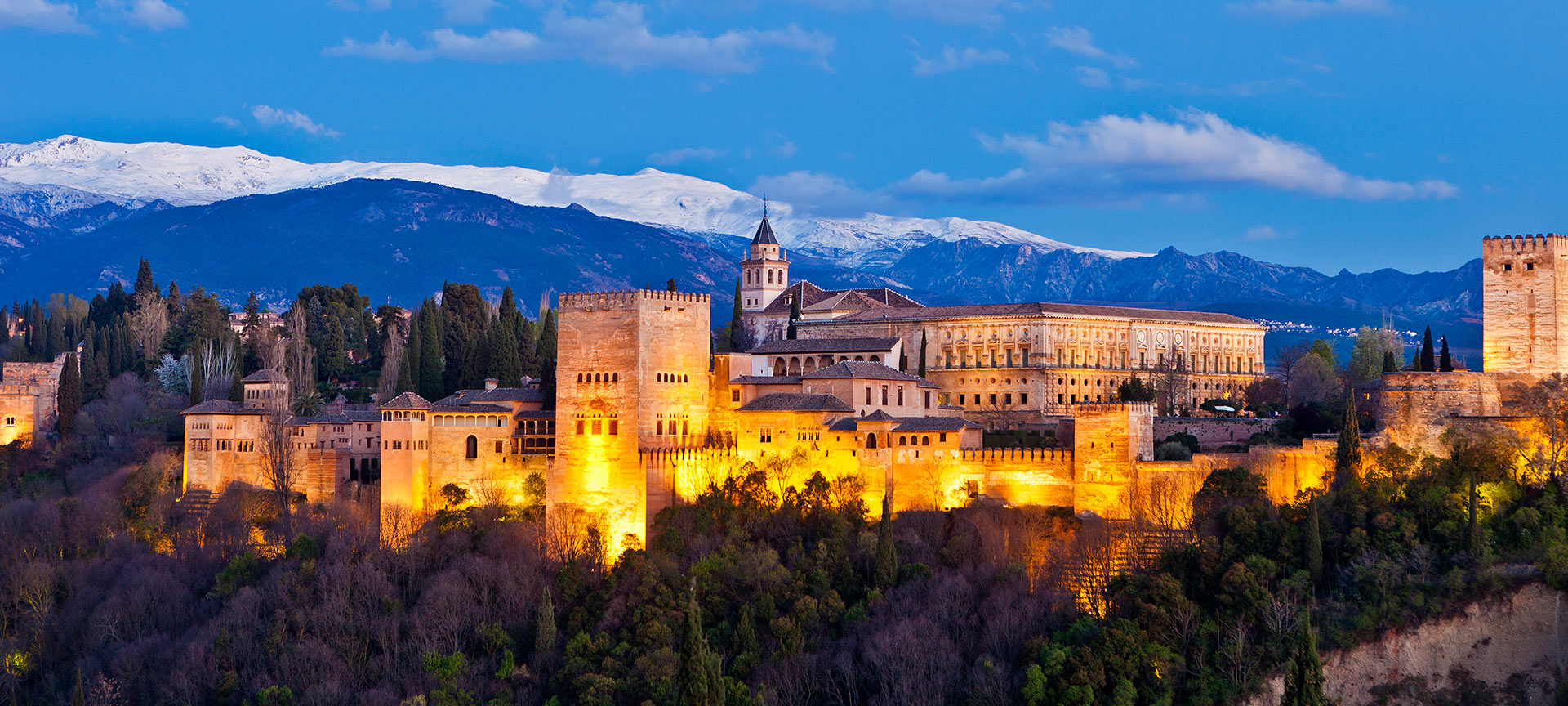
Excursions to nearby destinations
Córdoba
Distance from Seville 150kmCórdoba is famous around the world for its Mosque-Cathedral. Its historic o...
See more
Excursions to nearby destinations
Costa de la Luz
Distance from Seville 125kmGolden sand, long beaches and amazing sunsets await you on the beaches of C...
See more
Excursions to nearby destinations
Costa del Sol
Distance from Seville 125kmEndless beaches to stroll along, hidden coves, white villages that appear l...
See more
Shows, festivals, sports...
View some of the most relevant events you will be able to enjoy at the destination.


Book yours
Choose between thousands of activities to live your best life on holiday.