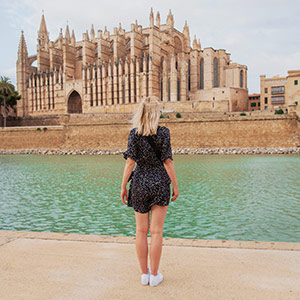
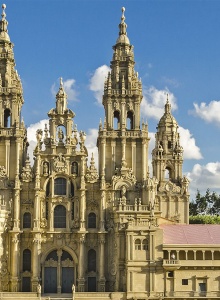
For centuries, thousands of pilgrims have walked the St James Way each year with a dream to fulfil: to reach the capital of Galicia and enter its legendary Cathedral. According to tradition, this is the burial place of the relics of James the Apostle, discovered in the 9th century.
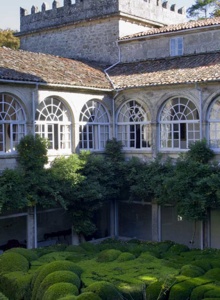
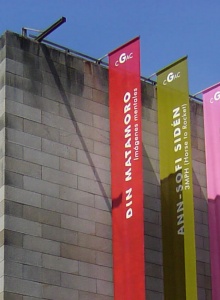
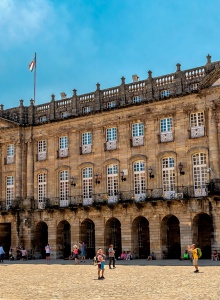
However, Santiago de Compostela is a vibrant city with many other reasons to captivate travellers, whether pilgrims or not: countless restaurants and bars where you can savour the exquisite seafood of Galicia, a historic centre awarded the World Heritage designation by the UNESCO, contemporary art offerings… There are many things to do in this city that combines its history with a younger, more modern side.

What to visit
Select from the list or hover over the map to find out about points of interest.
What to visit
Select from the list or hover over the map to find out about points of interest.



Other ideas for your trip
French Route
From the Pyrenees to Santiago de Compostela, the French Way passes through the regions of Aragón, Navarre, La Rioja, Castile and Leon, and Galicia on a route…
Read more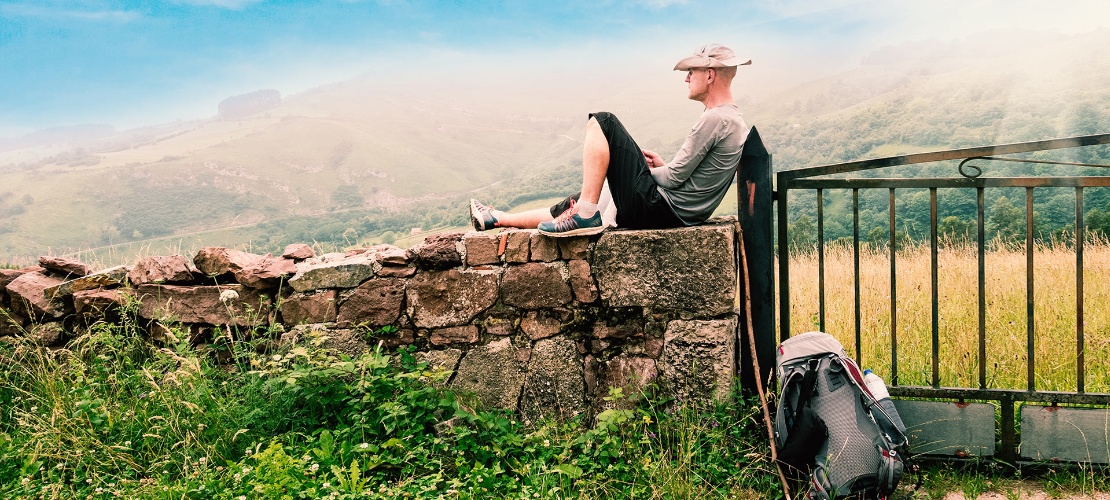
Spain’s most popular stops along The Way of Saint James
Among the many routes of The Way of Saint James, there’s one which lets you discover the north of Spain in a different way.…
Read more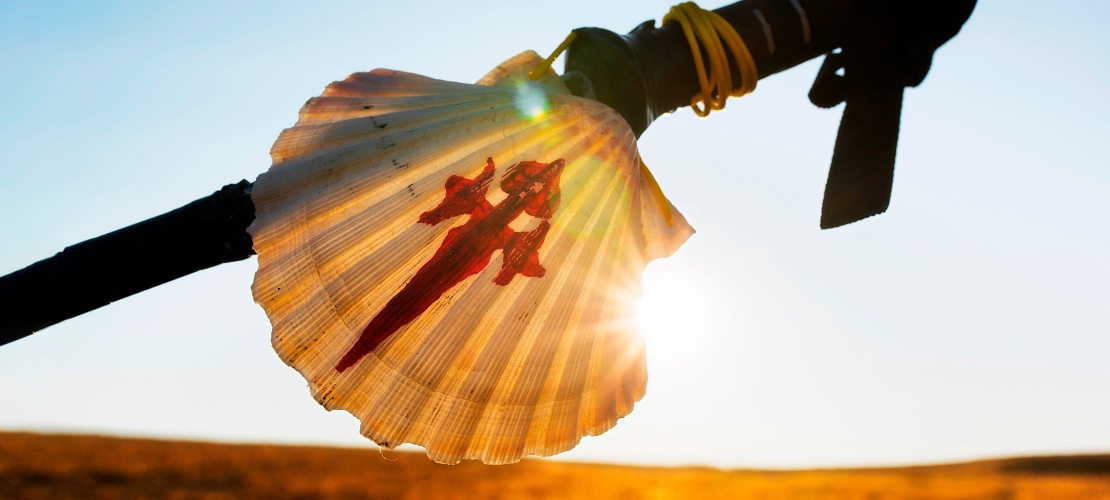
Santiago de Compostela, destination for a couple’s getaway
Santiago de Compostela, in the region of Galicia (northern Spain) is well-known for the lively atmosphere of its pretty cobbled streets, full of pilgrims and…
Read more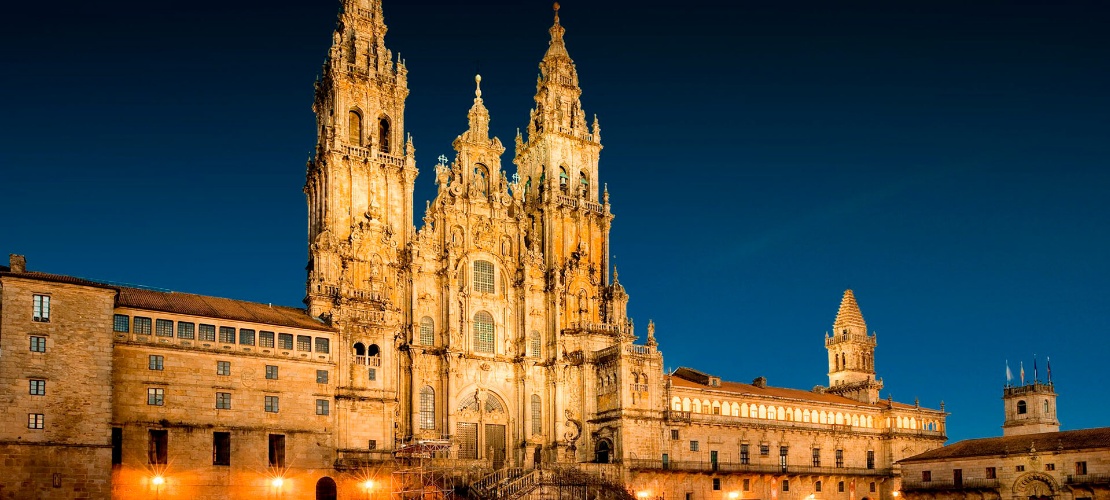
Discovering the unknown heritage of Galicia
Galicia is usually associated with monumental sites like Santiago de Compostela or the Tower of Hercules, and beaches like Las Catedrales.…
Read more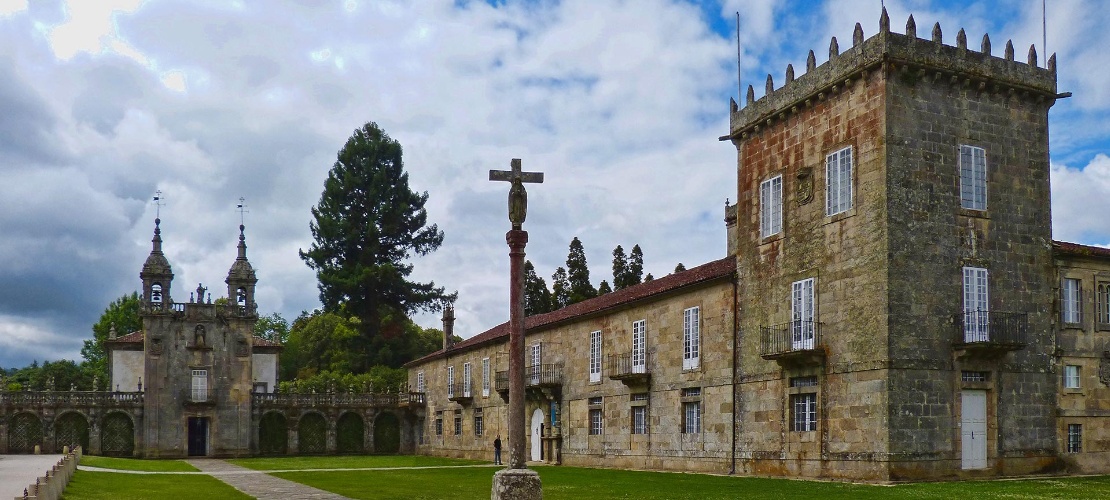
A day of culture in Santiago de Compostela
Thousands of people flock to Santiago de Compostela with a single desire: to discover the Cathedral, the end point of the Camino de Santiago.…
Read more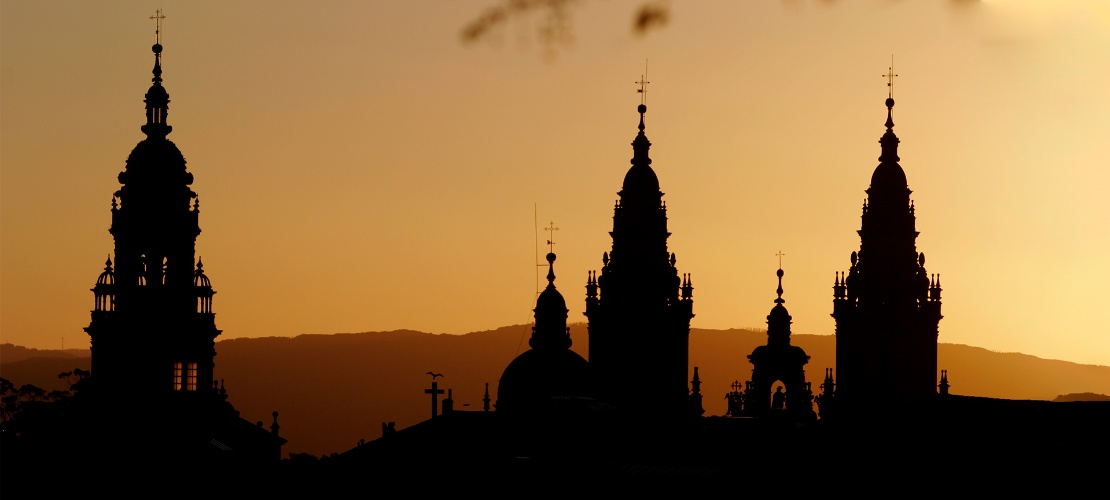


How to get there - transport information
Select the means of transport to see how to get there or how to get around at your destination.
How to get to aeroplane
-
Santiago Airport is 10 kilometres outside the city.
-
There are taxis and bus services between the airport and the city. The bus service (L6A) connects the airport with the Intermodal Station and stops at various points.
-
Bus to the city centre: Approximately 30 minutes.
-
Car to the city centre: Approximately 15 minutes on the N-634.
How to get to train
-
Santiago de Compostela train station connects the city to Madrid via high-speed rail.
-
By making a transfer you can access destinations throughout Spain and some cities in France and Portugal. Book tickets
-
The No. 6 bus from Plaza de Galicia goes to the station.
-
The Transcantábrico, a luxury tourist train, travels slowly through northern, Green Spain to Santiago de Compostela. More information
How to get to bus
-
Santiago de Compostela bus station connects the city to countries including Portugal, Germany, Belgium, France, Switzerland, the Netherlands and Romania.
-
There are buses to other cities in Galicia, like Vigo, Pontevedra and A Coruña.
How to get there by road
-
The A-6 and A-52 motorways connect Galicia to the rest of Spain and link to Santiago via the AP-9, AP-53 or A-54 highways.
-
The A-8 motorway connects Galicia and France via the Cantabrian coast.
How to get around in bus
-
Over 20 city bus routes connect every part of the city. More information.
-
The No. 6 bus from Plaza de Galicia goes to the coach and bus station.
How to get around in other means of transport
-
By taxi. Here you will find information on how to contact the 24-hour taxi services.
Excursions to nearby destinations
Combarro
Distance from Santiago de Compostela kmThe village of Combarro is located in the Rías Baixas estuaries, six kilome...
See more
Excursions to nearby destinations
Orense
Distance from Santiago de Compostela 105kmStretching out on the banks of the river Miño is the city of Ourense, which...
See more
Excursions to nearby destinations
Sanxenxo
Distance from Santiago de Compostela 70kmNo-one questions the fact that Sanxenxo holds the honorary title of tourism...
See more
Excursions to nearby destinations
A Coruna
Distance from Santiago de Compostela 60kmFacing the Atlantic Ocean, A Coruña is a city whose history is closely inte...
See more
Excursions to nearby destinations
Vigo
Distance from Santiago de Compostela 95kmIn the Galician province of Pontevedra, situated on the shores of the Atlan...
See more
Shows, festivals, sports...
View some of the most relevant events you will be able to enjoy at the destination.


Book yours
Choose between thousands of activities to live your best life on holiday.