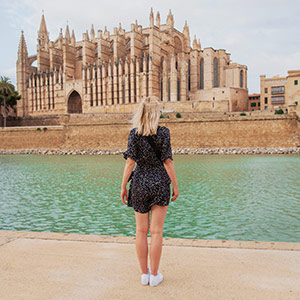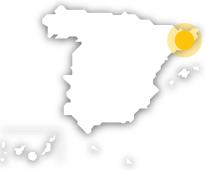
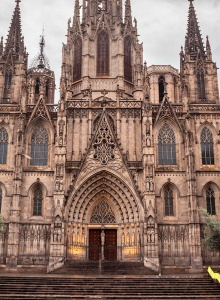
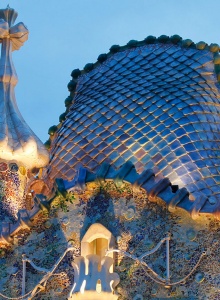
Barcelona is a city with a wide range of original leisure options that encourage you to visit time and time again. Overlooking the Mediterranean Sea, and famous for Gaudí and other Art Nouveau architecture, Barcelona is one of Europe’s trendiest cities.
The city is a hub for new trends in the world of culture, fashion, and gastronomy. It combines the creativity of its artists and designers with respect and care for local traditions. The charm and slower pace of the old town, the avant-garde vibe of more modern neighbourhoods, and the fast pace of one of the world’s most visited cities coexist in Barcelona.
What to visit
Select from the list or hover over the map to find out about points of interest.
What to visit
Select from the list or hover over the map to find out about points of interest.

Other ideas for your trip
Festival of Sant Jordi in Barcelona
Roses, books and lovers: Barcelona is full of them on 23 April. In Catalonia the World Book Day becomes an especially romantic festivity.…
Read more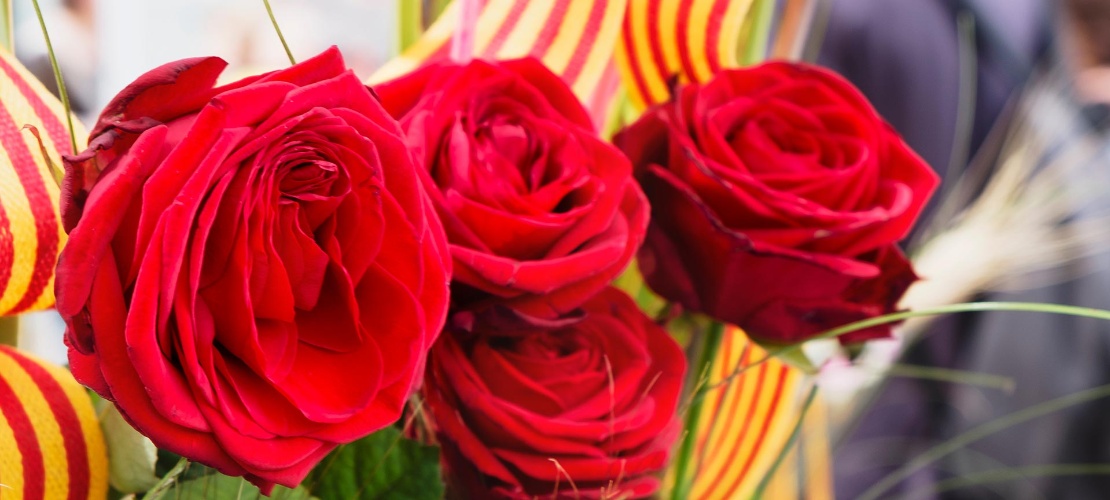
Barcelona, the Mecca of Gaudí modernism
It is impossible to speak about Barcelona without mentioning any work by Antoni Gaudí.…
Read more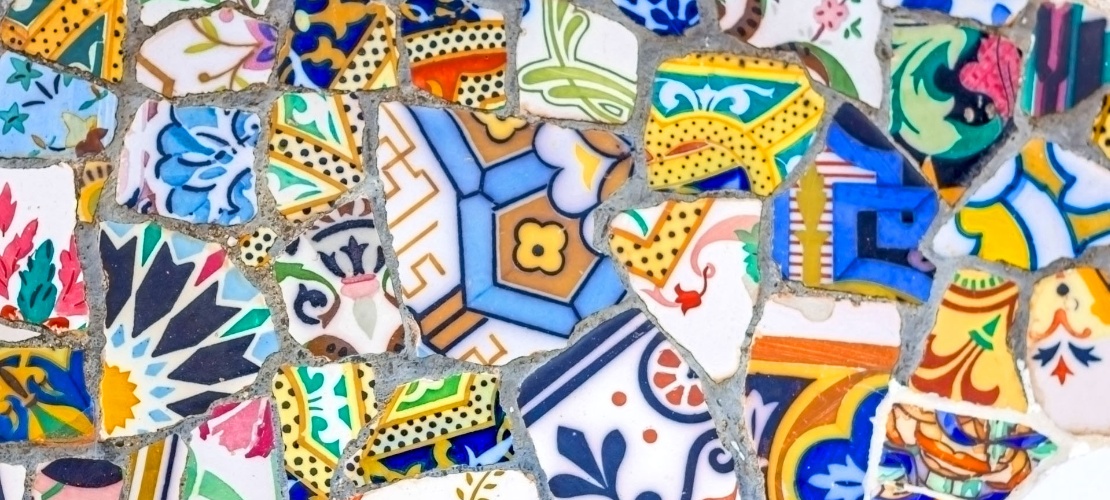
What to see in Barcelona... according to Instagram
What happens if you search for the hashtag #Barcelona on Instagram? You'll see around 70 million posts!…
Read more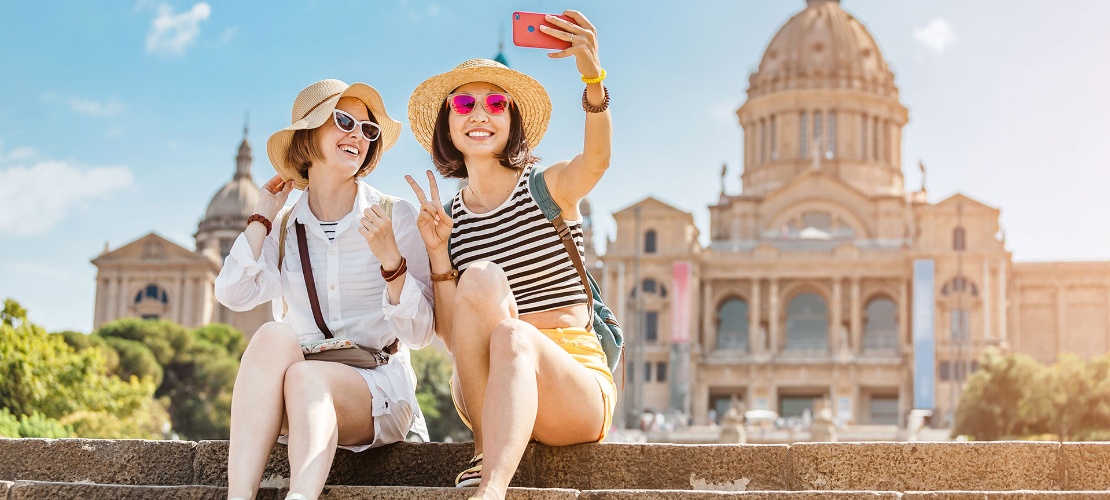
Spaces for alternative culture in Barcelona
Get your hipster gear on because we're going to Barcelona, one of the most avant-garde cities in Spain, where new trends seem to pop up every day.…
Read more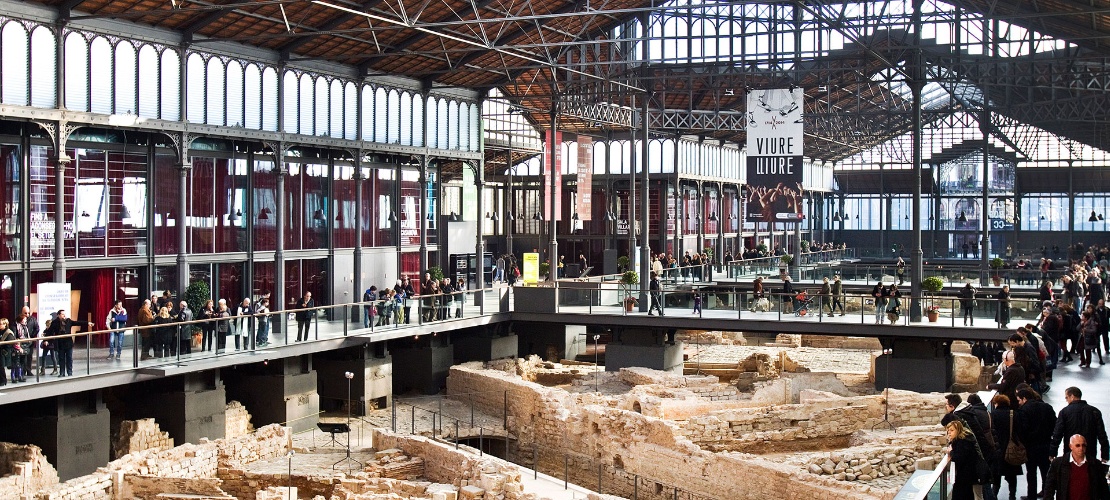
10 sides of Barcelona to discover
You already know that Barcelona is Gaudí, the Mediterranean, culture, football… Now we invite you to discover other sides of Barcelona to make your trip unique.…
Read more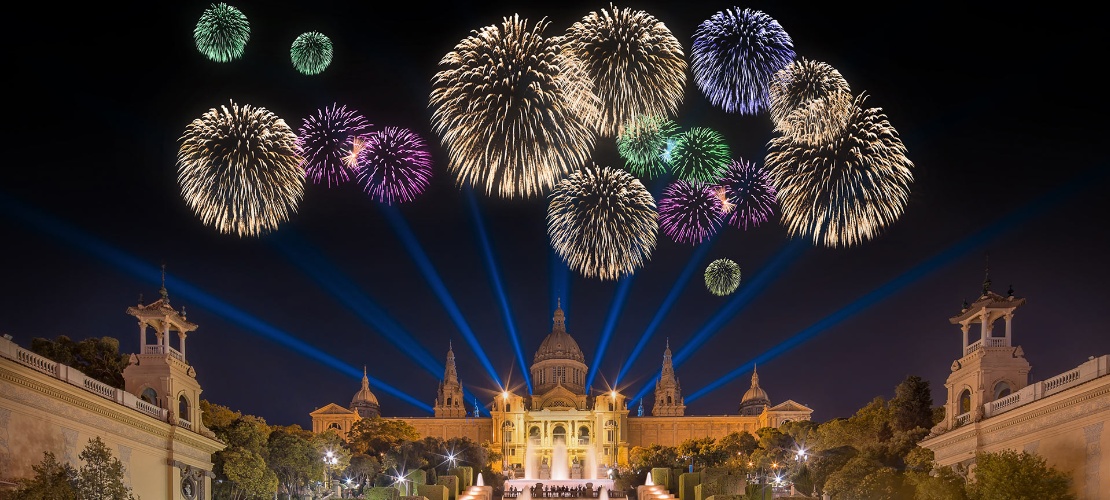
Plans for discovering Catalonia from Barcelona
These are ideas for lucky people. Lucky because they travel to Barcelona and they can also spend a few days visiting other destinations in Catalonia,…
Read more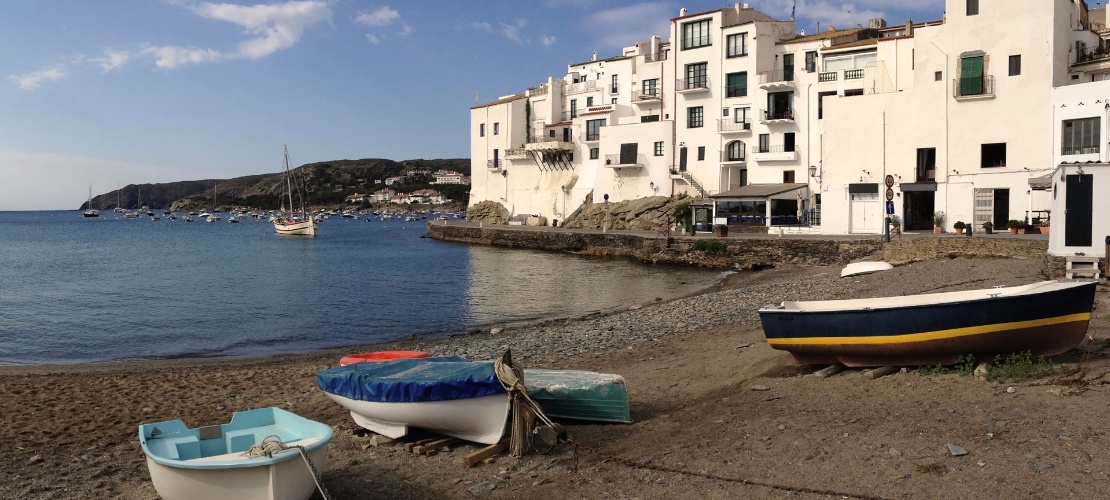
Visit the Barcelona you don’t find in the guidebooks
Maritime enclaves, romantic streets, war bunkers, sweeping views, and even the underground city… Barcelona has delightful surprises, even if you think you know…
Read more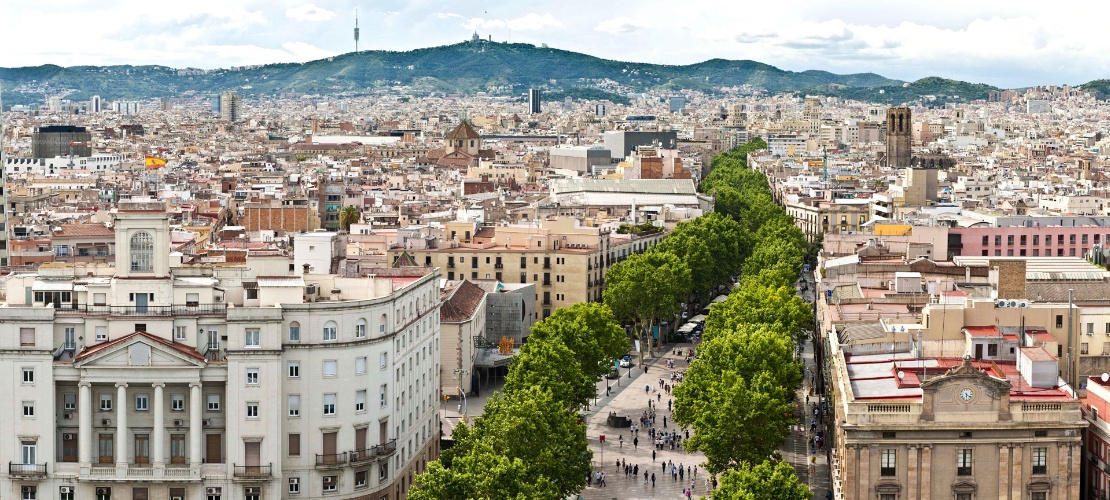
Barcelona in two days
Its wide-ranging cultural and leisure offer make Barcelona one of the world’s most visited cities.…
Read more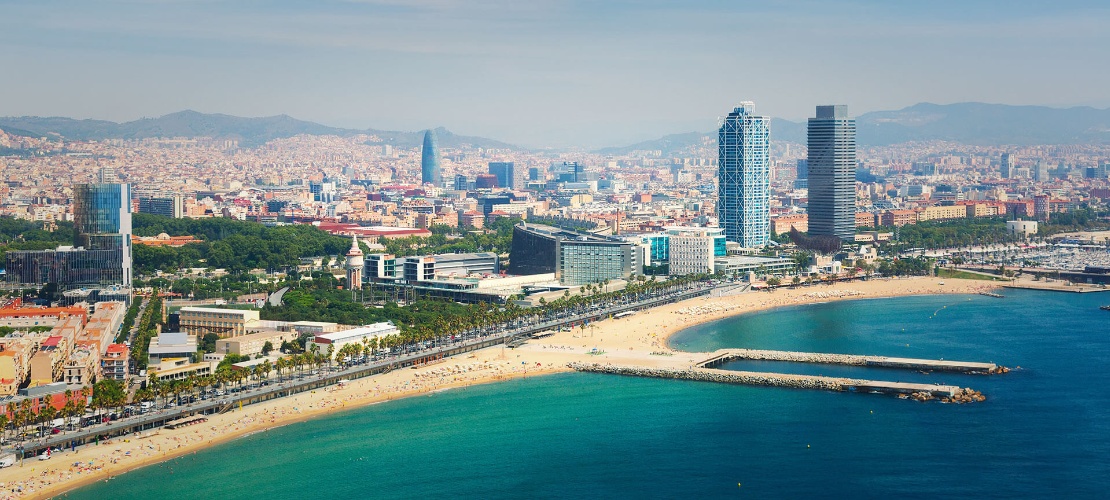
B Cool, B Barcelona
Barcelona is cosmopolitan, multicultural, and a city that sets the trends. A destination for enjoying in the street and exploring by bicycle, where you can…
Read more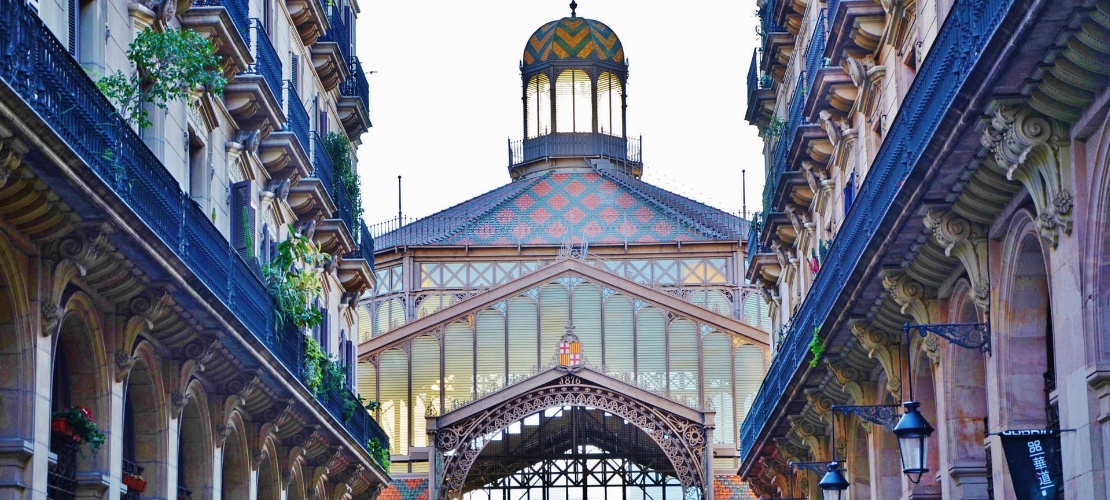


How to get there - transport information
Select the means of transport to see how to get there or how to get around at your destination.
How to get to aeroplane
-
The Barcelona Airport Barcelona – El Prat Airport is located 12 kilometres from the city.
-
You can reach the city centre by various means of public transport in about 35 minutes or less: Aerobus line A1 and A2, train line R2 North, city bus lines 46, L77, L99, PR1, PR2, PR3, night buses N17, N18, N19, metro line L9 Sud (orange) and taxi.
-
Road access to the airport is via the C-31 motorway. From the ring roads around the city, access is from the section known as the Pata Sur.
How to get to train
-
Barcelona has two main railway stations
-
Barcelona - Sants Station:International high-speed train links to France and to Spanish cities such as Madrid, Valencia, Malaga, Seville and Zaragoza.Connects to Metro lines 3 and 5 and several bus routes (27, 78, 109, 115, D40, H10, V5 and V7).
-
França station:You can easily get from the station by public transport: bus lines 47, 59, 120, D20, H14, V13, V15, V17 and V19 and metro line 4.
How to get to bus
-
Barcelona has two main railway stations:
-
Barcelona Nord railway station, connection to the Arc de Triomf metro station (line 1) and bus routes 6, 54, H14, H16 and V21.Routes to Europe, Spain and Africa.
-
Barcelona-Sants railway station, connection to the Sants Estació metro station (lines 3 and 5) and bus routes 27, 78, 109, 115, D40, H10, V5 and V7.High-speed trains run from this station.
How to get there by road
-
From France, on the AP-7, N-II and C-32 motorways.
-
From other areas of Spain, on the AP-7 and C-32 motorways.
-
Please note that large parts of Barcelona are Low Emission Zones, where driving and parking are restricted. If you arrive in Barcelona by car or motorbike, check the Barcelona City Council website for details. These restrictions also apply to vehicles with foreign license plates, so if you are arriving in a vehicle with foreign plates, you must register it and check if authorisation is required. You can find more information at the following link.
-
Vehicles with a French environmental sticker are considered to have the corresponding Spanish sticker. You can consult the DGT (Spanish Directorate General of Traffic) website for the table of equivalences between environmental stickers to find out which restrictions may apply to you.
How to get to boat
-
The Port of Barcelona is about 5 kilometres from the city centre.
-
An internal bus route (88) goes all over the harbour area and connects to Avinguda Paral·lel, Metro lines 2 and 3, and bus routes D20, H14, V11, 21, 120 and 121.
-
Direct connection with Italy and Algeria.
-
Daily connections with the Balearic Islands
Practical information
-
We recommend using public transport.
-
Hola Barcelona: travel card with unlimited travel on the metro, bus, tram and train for 2, 3, 4 or 5 days. More information
-
Barcelona Card: tourist card with free or priority admission, unlimited travel and other advantages for 3, 4 or 5 days. More information
-
Remember that on-street parking is metered and parking time is limited in certain areas. Furthermore, a large part of Barcelona is a Low Emission Zone and has traffic and parking restrictions: check the Barcelona City Council website for details.
-
These traffic restrictions also apply to vehicles with non-Spanish number plates. If you have a non-Spanish number plate, you must register it and check whether it needs authorisation: you can find more information at the following link. If you have the French environmental sticker, you are considered to have the corresponding Spanish sticker: check the equivalence table on the DGT website to find out which restrictions may apply to you.
How to get around in metro/tram
-
They usually run from 05:00 to midnight. On Fridays and the eve of public holidays, service runs until 2:00 a.m., while on Saturdays and Sundays, a continuous service is offered from 5:00 a.m. on Saturday until 12:00 a.m. on Sunday.
-
You can get a single ticket or travel cards per day, per number of journeys, for groups, or other options. More information
How to get around in bus
-
City buses usually run from 04:25 to 23:00.
-
There is a night bus service: Nit Bus. All night bus routes, except N0 and N19, start or stop at Plaça Catalunya or the surrounding area.
-
Bus Turístic sightseeing bus with 2 routes, audio guides and unlimited use for 1 or 2 days.
How to get around in other means of transport
-
Taxi: easily identifiable yellow and black vehicles. A green light on the roof shows they are available.
-
Supplements are added for pick-up or drop-off at airports and for luggage.
-
Bicycle : an original, different and sustainable way to get around Barcelona. The city is well-equipped with cycle lanes. There are many bike rental companies, plus the municipal Bicing service.
Excursions to nearby destinations
Delta de l'Ebre Nature Reserve
Distance from Barcelona 175kmIt has been designated a European Destination of Excellence (EDEN) by the E...
See more
Excursions to nearby destinations
Sitges
Distance from Barcelona 40kmLocated between the sea and the mountains, the city of Sitges (which belong...
See more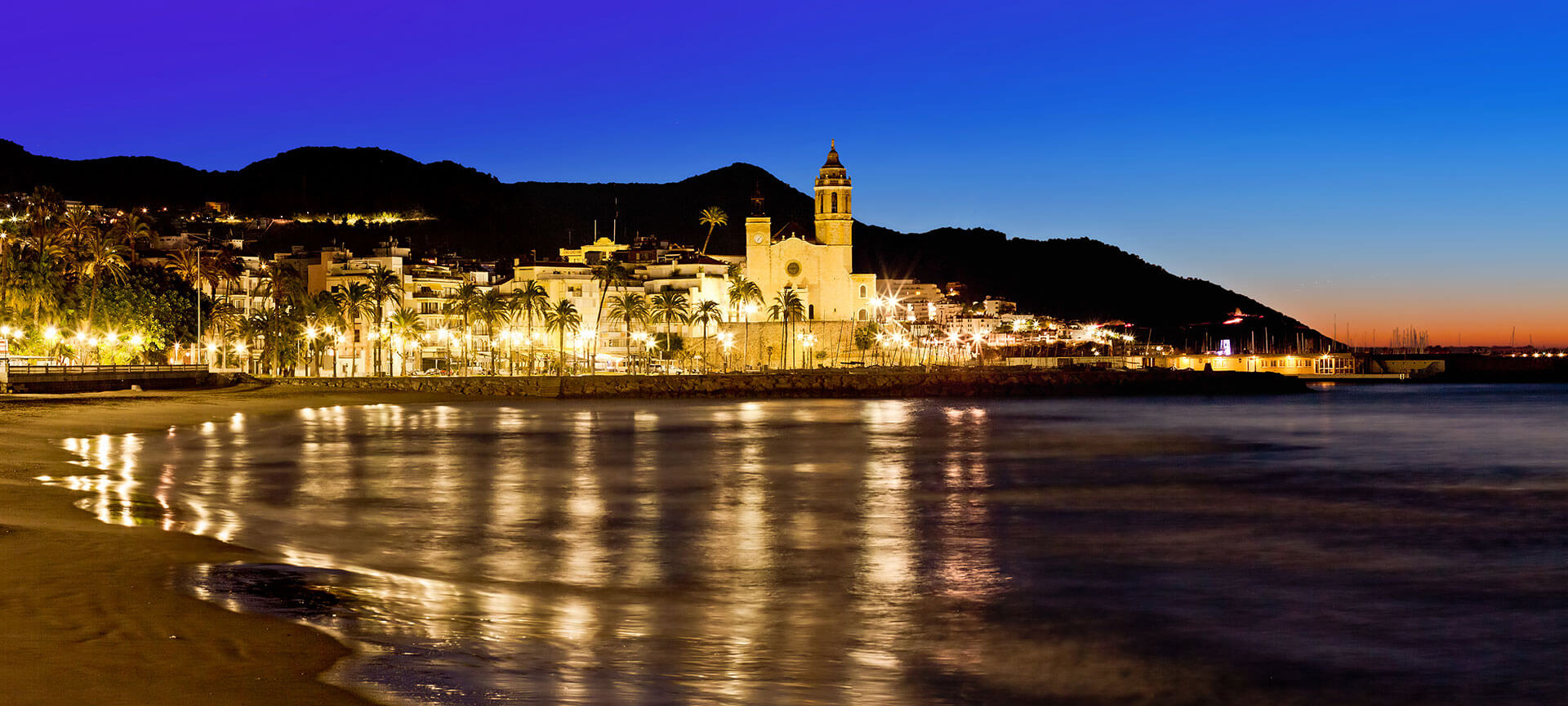
Excursions to nearby destinations
Tarragona
Distance from Barcelona 100kmIn Tarragona, declared a World Heritage City, history steps out of the book...
See more
Excursions to nearby destinations
Girona
Distance from Barcelona 100kmKnown as the ‘City of the Four Rivers’, Girona's historic quarter is domina...
See more
Excursions to nearby destinations
Costa Daurada
Distance from Barcelona 150kmThe Mediterranean that bathes the Costa Dorada (Costa Daurada in Catalan) i...
See more
Excursions to nearby destinations
Montserrat
Distance from Barcelona 65kmThere is an unusually-shaped mountain in the heart of Catalonia made from h...
See more
Excursions to nearby destinations
Costa Brava
Distance from Barcelona 150kmCoves of deep blue sea, beaches of golden sand, natural parks, medieval tow...
See more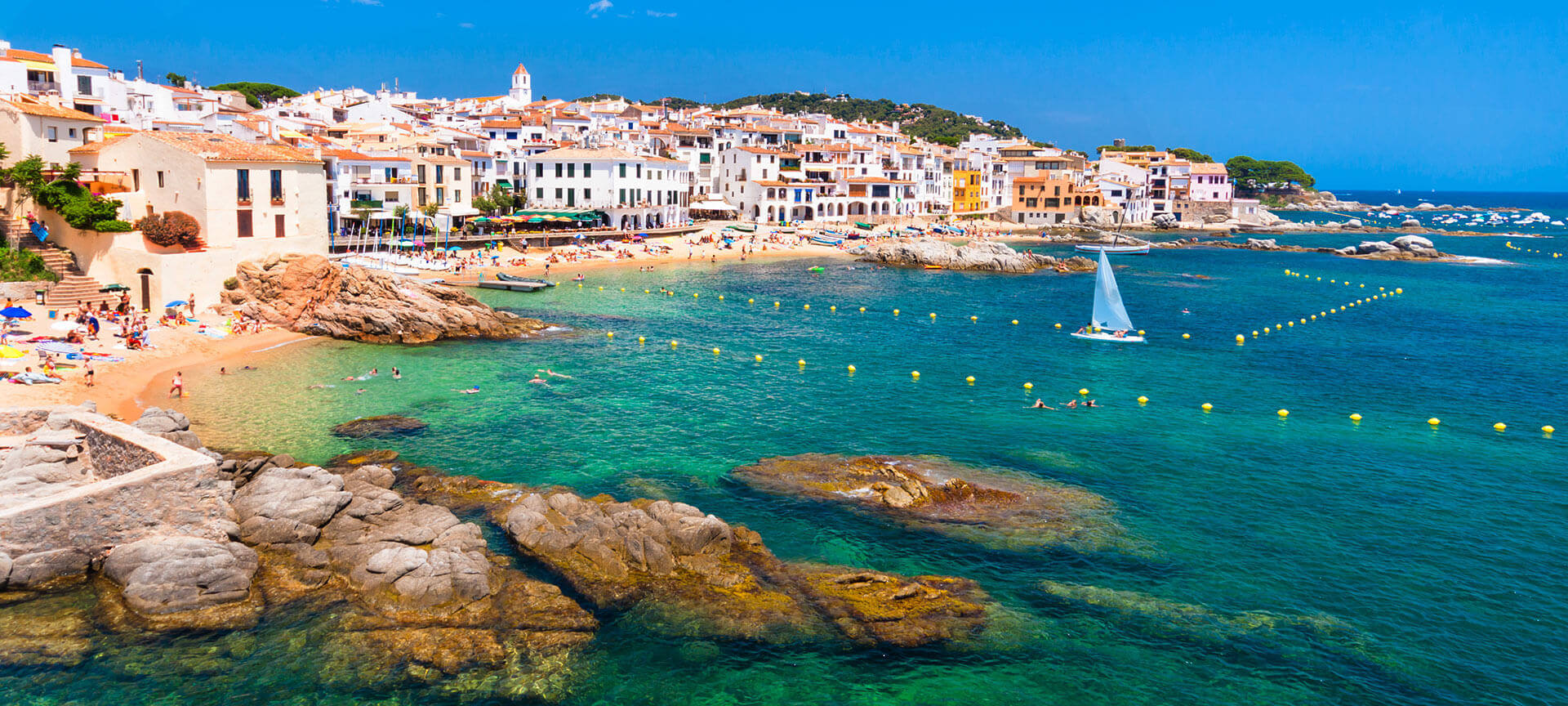
Shows, festivals, sports...
View some of the most relevant events you will be able to enjoy at the destination.


Book yours
Choose between thousands of activities to live your best life on holiday.